0000-00
High Voltage Insulating Cardboard: Key Performance Indicators to Check
For transformer production, material approval is never a routine checkbox.
High voltage insulating cardboard directly affects dielectric safety, thermal endurance, and long service life.
A sheet may look uniform, yet hidden moisture, fiber variation, or density drift can create serious field risk.
That is why checking high voltage insulating cardboard should focus on measurable performance, not appearance alone.
In practical manufacturing, the right inspection points help reduce rework, lower failure exposure, and stabilize transformer assembly.
The sections below break down the key indicators that deserve close attention before any batch moves into production.
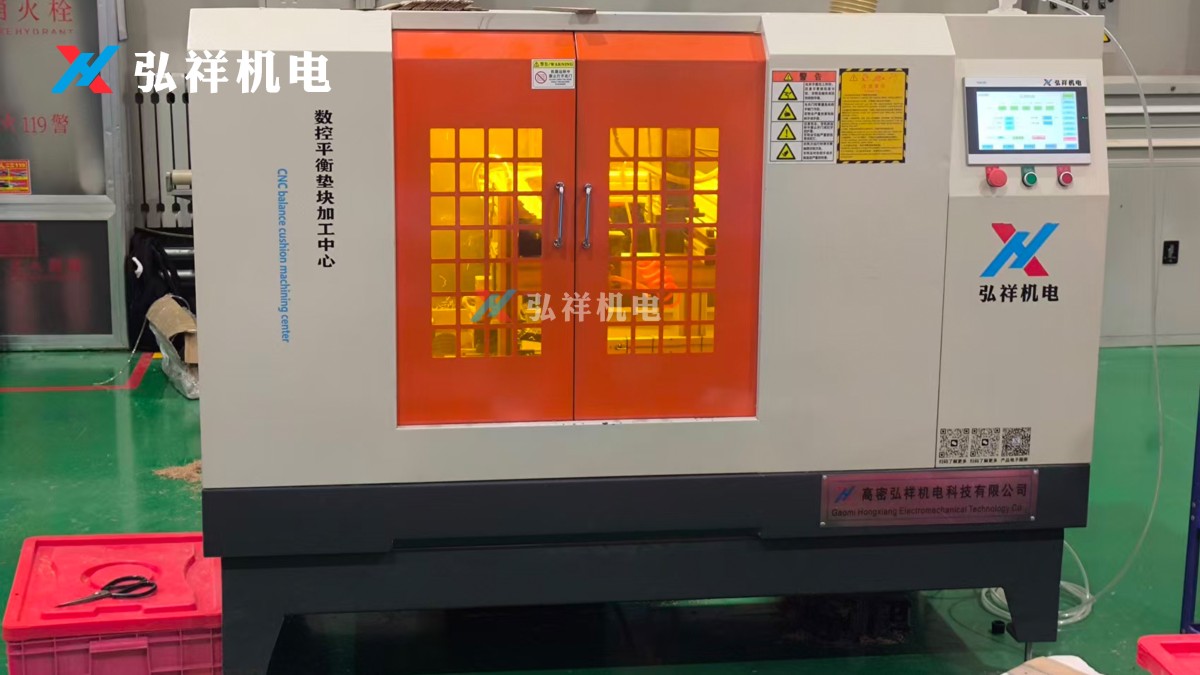
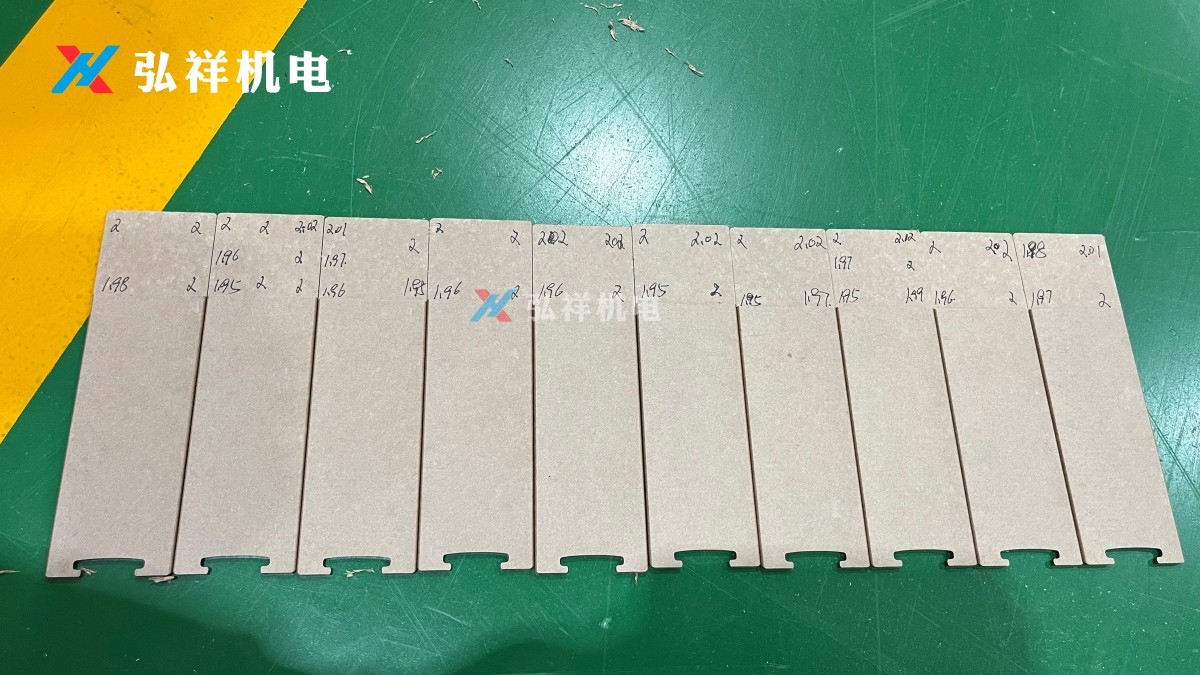
Why high voltage insulating cardboard matters in transformer manufacturing
High voltage insulating cardboard is not just a filler material.
It supports electrical isolation, structural positioning, and oil-immersed insulation performance inside power transformers.
If the board fails, the issue may begin as partial discharge and end as insulation breakdown.
More importantly, small material inconsistencies can become larger under heat, pressure, and long operating cycles.
This also means incoming inspection must connect directly with the real working conditions of transformer components.
A strong evaluation process combines lab data, batch traceability, and production feedback from winding, pressing, and assembly stages.
Core performance indicators to verify first
When reviewing high voltage insulating cardboard, several indicators should always be checked before release.
These values reveal whether the material can handle electrical stress and mechanical processing without hidden weakness.
1. Dielectric strength
Dielectric strength is often the first checkpoint because it measures resistance to electrical breakdown.
For high voltage insulating cardboard, stable dielectric strength matters more than one unusually high sample result.
Look for consistency across different sheets, thickness positions, and sampling points.
A wide spread in data often signals fiber nonuniformity, moisture imbalance, or process instability.
2. Moisture content
Moisture is one of the most critical risk factors for high voltage insulating cardboard.
Even slight excess moisture can reduce insulation performance and affect oil impregnation behavior.
It can also trigger dimensional change during drying, pressing, or transformer operation.
In recent quality cases, moisture deviation is often a stronger warning sign than surface appearance defects.
3. Density and density uniformity
Density affects both electrical behavior and mechanical reliability.
If high voltage insulating cardboard has uneven density, stress concentration may appear during clamping or operation.
Low density areas may absorb oil differently, while overly dense zones may process poorly during cutting or forming.
A reliable batch should show both target density and narrow internal variation.
4. Mechanical strength
Mechanical strength matters because the board must survive slitting, punching, bending, stacking, and assembly pressure.
Weak edges, brittle fracture, or poor compression resistance often cause scrap before installation begins.
For that reason, high voltage insulating cardboard should be tested for tensile, compressive, and flexural stability where relevant.
Secondary indicators that reveal hidden risk
Primary values are essential, but secondary indicators often explain why a batch later becomes unstable.
These checks are especially useful when performance looks borderline rather than obviously defective.
Thickness tolerance
Thickness tolerance influences fit, insulation spacing, and pressure distribution in transformer structures.
If high voltage insulating cardboard drifts outside tolerance, assembly dimensions can shift and create uneven stress.
This risk becomes more obvious in layered structures or precision-cut insulation components.
Oil absorption and impregnation behavior
For oil-immersed equipment, absorption behavior should never be overlooked.
Good high voltage insulating cardboard should absorb insulating oil evenly and release trapped air effectively.
Poor impregnation can leave voids, which increases the chance of partial discharge over time.
Surface cleanliness and fiber integrity
Loose fibers, contamination, and surface particles may seem minor, but they can affect bonding and insulation cleanliness.
Fiber integrity also signals whether the pulping and pressing process is under control.
A clean, uniform surface usually supports more predictable downstream machining and final component quality.
A practical inspection checklist for incoming batches
To make decisions faster, many facilities use a layered release checklist.
This keeps high voltage insulating cardboard evaluation practical, repeatable, and easier to audit.
- Confirm material grade, thickness, lot number, and supplier certificate.
- Check moisture content before storage transfer or workshop release.
- Sample dielectric strength from multiple sheet positions.
- Measure density and compare variation within the same batch.
- Verify thickness tolerance against drawing and process needs.
- Inspect edges, surface cleanliness, delamination, and fiber defects.
- Review storage condition, packaging seal, and transport exposure history.
This kind of checklist works best when rejection thresholds are clear, documented, and linked to application risk.
In other words, data should support action, not simply fill inspection reports.
Common causes of failure in high voltage insulating cardboard
When a batch underperforms, the root cause is often a chain rather than a single defect.
Understanding these patterns helps prevent repeat issues.
- Poor storage control raises moisture before production begins.
- Inconsistent pressing creates density variation across the sheet.
- Weak fiber bonding reduces mechanical strength during cutting.
- Inadequate drying affects dielectric stability and oil compatibility.
- Loose process control causes thickness drift and poor dimensional fit.
The clearer signal is that high voltage insulating cardboard quality depends on both manufacturing discipline and handling discipline.
That is why supplier selection should include process capability, not just competitive pricing.
How supplier capability supports stable quality
A dependable supplier should do more than provide product data sheets.
They should understand transformer applications, machining needs, and the performance logic behind each insulation part.
Gaomi Hongxiang Electromechanical Technology Co., Ltd. serves global customers in transformer assembly and manufacturing support.
Its business covers electrical insulating cardboard, insulating laminated wood, insulating parts, and EVA molding processing.
This broader processing background matters because material quality must align with downstream forming and equipment requirements.
A supplier with integrated design, production, installation, training, and after-sales support usually responds faster to application-specific issues.
In actual sourcing decisions, that reduces communication gaps and improves batch-to-batch consistency for high voltage insulating cardboard.
Reference table for approval focus
Final takeaway for safer material approval
Choosing high voltage insulating cardboard should never rely on certificate review alone.
The smarter approach is to combine dielectric data, moisture control, density uniformity, and mechanical reliability into one approval logic.
This helps catch hidden risk before the material reaches winding, pressing, or final transformer assembly.
In day-to-day operations, the most useful standard is simple: test what can fail in service, not only what is easy to measure.
If batch approval standards are being updated, start with the indicators above and align them with actual transformer duty conditions.
That creates a more reliable process for evaluating high voltage insulating cardboard and supports safer, steadier production over the long term.
NAVIGATION
MESSAGE
Request A Quote?