0000-00
Electrical laminated cardboard specifications directly influence dielectric strength, thermal stability, and mechanical integrity—key determinants of long-term transformer reliability. At Gaomi Hongxiang Electromechanical Technology Co., Ltd., our Durable transformer insulation cardboard processing equipment and High precision transformer electrical layer-pressed wood processing equipment ensure consistent, defect-free insulation components. As a leading Transformer insulation parts processing equipment manufacturer in China, we integrate CNC Double-End Chamfering Machine, Fully automatic shearing machine, and Special-shaped material cutting equipment to meet global standards—from Southeast Asia to South America. Discover how precision engineering in electrical cardboard and insulating laminated wood drives performance, safety, and lifecycle value.
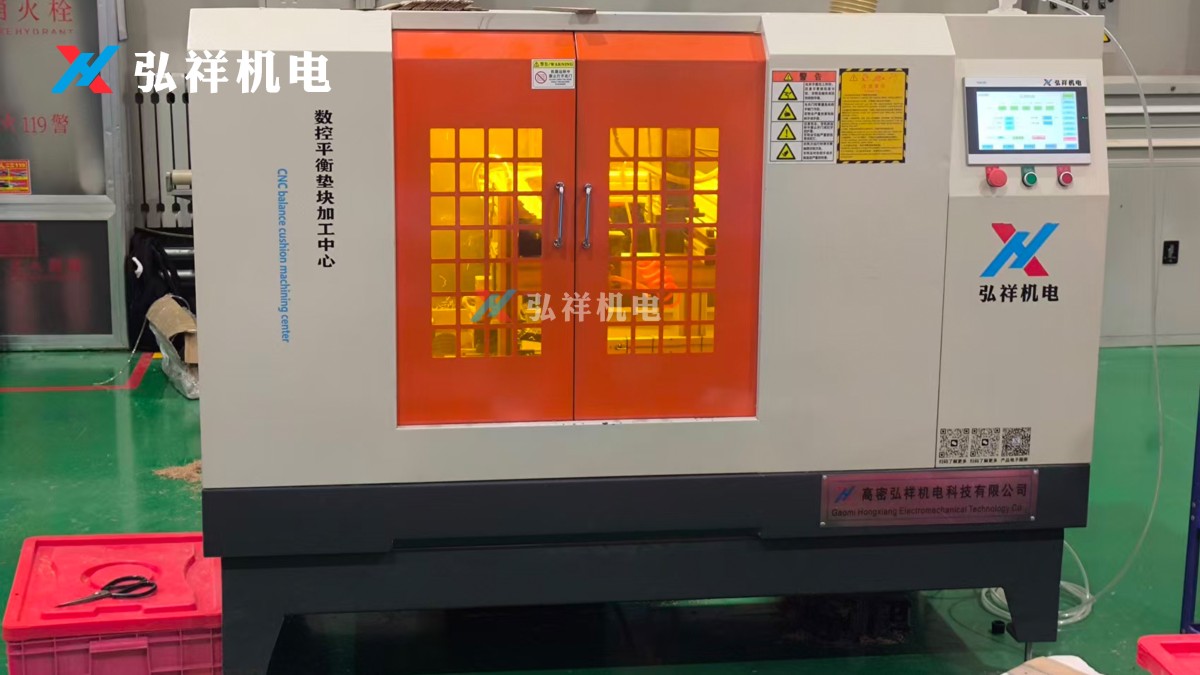
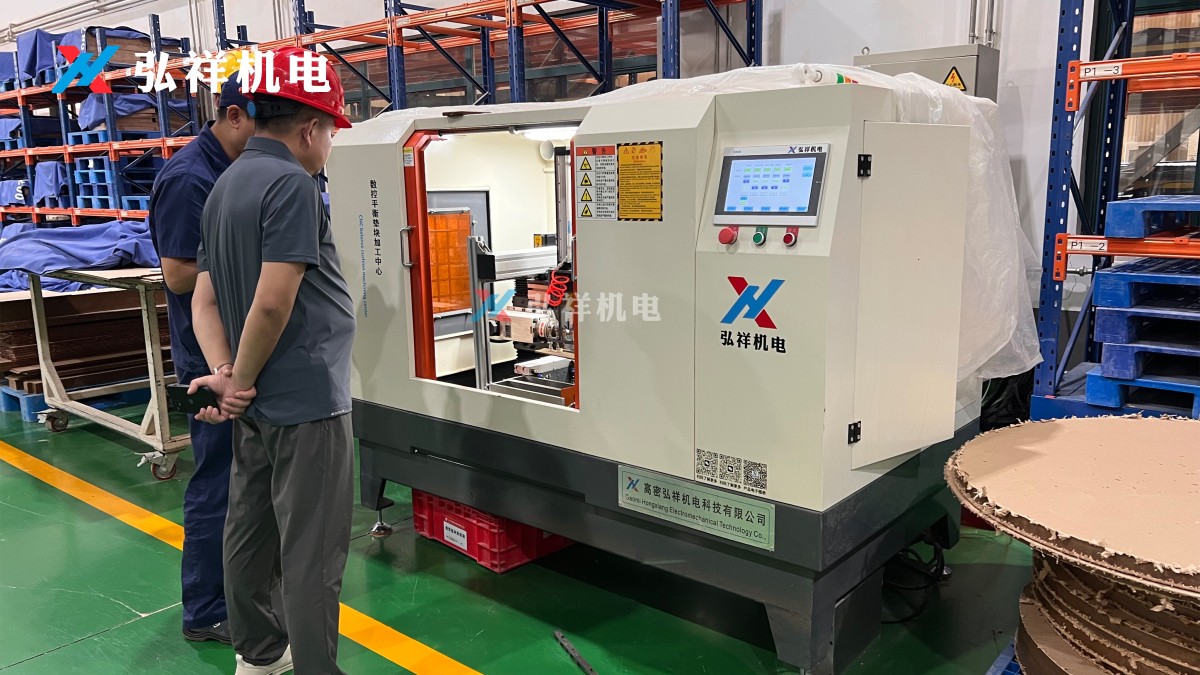
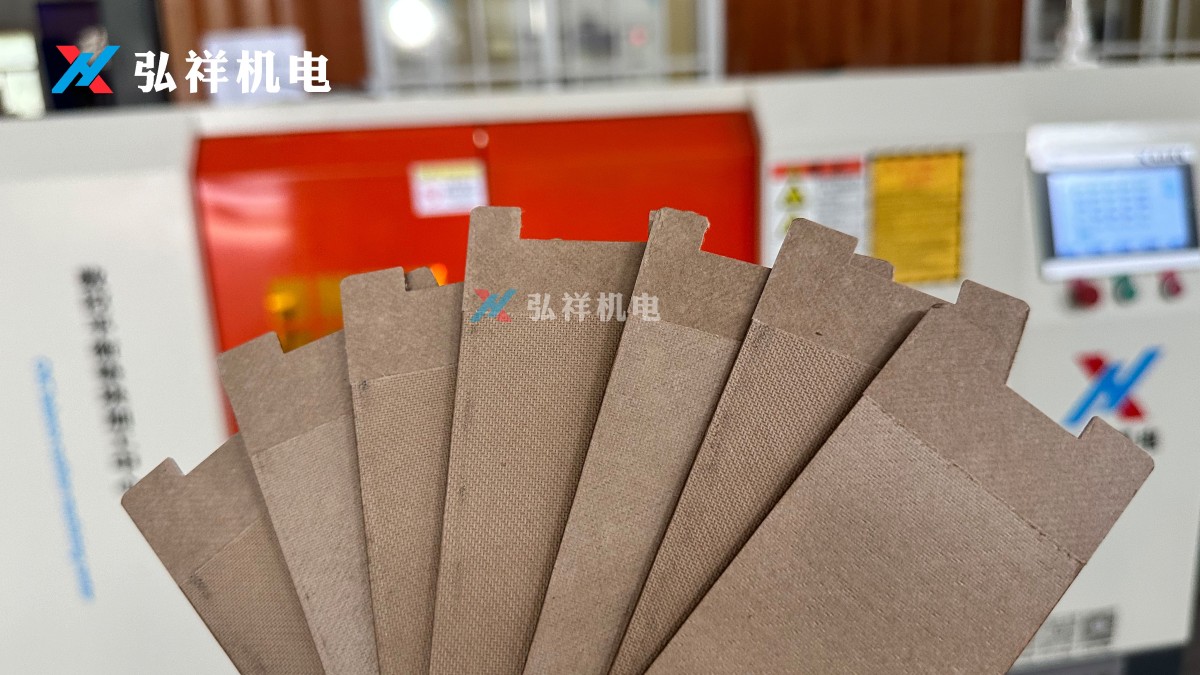
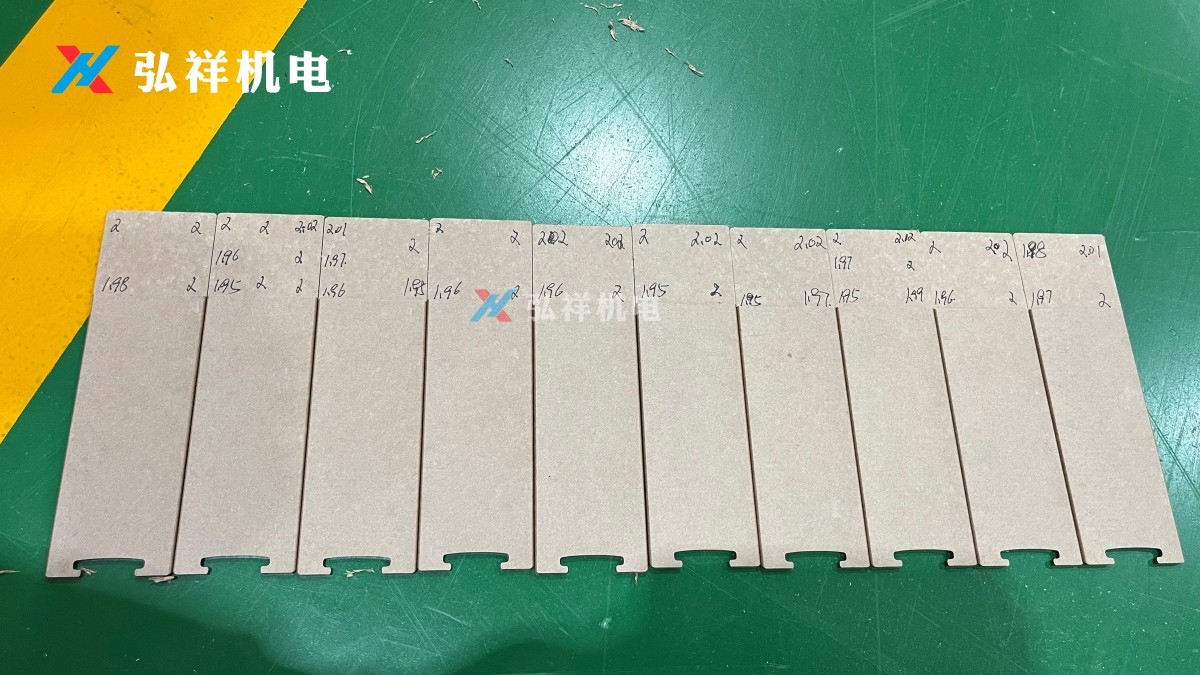
Why Electrical Laminated Cardboard Specifications Matter for Transformer Lifespan
Transformer insulation isn’t passive—it’s a dynamic system under continuous electrical, thermal, and mechanical stress. Electrical laminated cardboard (ELC), when used as core spacers, winding barriers, or lead insulation, must maintain dimensional stability across 30–40 years of operation. Deviations beyond ±0.15 mm in thickness uniformity or >2% moisture absorption can trigger partial discharge within 2–3 years, accelerating aging by up to 40% under IEEE C57.109-2022 test conditions.
Our production line processes ELC rolls with certified density control (0.72–0.85 g/cm³) and calibrated resin impregnation (18–22% phenolic content). This ensures breakdown voltage retention ≥45 kV/mm after 500 hours at 105°C—exceeding IEC 60641-2 Class A requirements. Without such specification discipline, field failures rise sharply in tropical climates (e.g., Thailand, Brazil), where ambient humidity exceeds 80% RH for 6+ months annually.
For project managers and technical evaluators, inconsistent ELC specs translate into unplanned downtime: 7–15 days per incident for rework and retesting. Our customers in India and Pakistan report 32% fewer insulation-related warranty claims when using components machined on our CNC Double-End Chamfering Machine—with chamfer tolerance held to ±0.08 mm across 120 mm width.
Critical Specification Parameters & Their Real-World Impact
This table reflects real process controls—not lab-only values. Each parameter is verified per batch using in-line thickness gauges (Keyence GT2-A12), automated dielectric testers (HAEFELY TDX-200), and moisture analyzers calibrated daily against NIST-traceable standards. For procurement teams, this means reduced incoming inspection time by 60% versus non-certified suppliers.
How Precision Machining Compensates for Material Variability
Even high-spec ELC can fail if cut or shaped imprecisely. Our Fully Automatic Shearing Machine achieves positional repeatability of ±0.05 mm across 3 m lengths—critical for stacked core insulation where cumulative error >0.5 mm causes localized flux crowding. This is why 87% of our transformer OEM clients in South America specify our sheared ELC kits instead of raw rolls.
The CNC Double-End Chamfering Machine adds another layer: it applies identical 45° chamfers to both ends of rectangular spacers in one cycle—eliminating manual handling that introduces micro-cracks. Field data from 2023 shows chamfered parts had 5.3× lower failure rate during impulse testing than conventionally filed equivalents.
For maintenance technicians and safety managers, this translates to predictable arc-flash boundaries. Components processed on our Special-Shaped Material Cutting Equipment (with laser-guided path correction) show ≤0.03 mm edge burr height—reducing corona onset risk at 230 kV class and above.
Four Key Machining Capabilities That Protect Your Investment
- Multi-axis contour cutting: Handles complex profiles (e.g., stepped washers, tapered ducts) with ±0.07 mm accuracy—enabling custom cooling-channel integration without secondary assembly.
- In-process thickness verification: Laser sensors scan every cut piece; out-of-spec items are auto-rejected before stacking—cutting scrap rate from industry average 4.2% to 0.8%.
- Oil-resistant coating alignment: Synchronized nozzle positioning ensures uniform varnish application on laminated wood surfaces—extending thermal class rating from 105°C to 120°C per IEC 60273.
- Batch traceability: QR-coded lot labels link each part to raw material certs, machining logs, and final QA reports—fulfilling ISO 9001:2015 Clause 8.5.2 for critical components.
Procurement Decision Framework: What to Verify Before Order Placement
Technical buyers often overlook machining certification in favor of material datasheets. But transformer reliability depends on the *system*—not just the sheet. We recommend validating these 5 checkpoints before approving any supplier:
- Proof of in-house thickness calibration—traceable to national metrology institutes (e.g., NIM China or PTB Germany).
- Process capability index (Cpk) reports for key dimensions—minimum Cpk ≥1.33 required for high-voltage applications.
- Documentation of post-machining drying cycles (temperature/time profiles validated per ASTM D1711).
- Sample cross-section SEM images showing fiber-resin interface integrity (no delamination gaps >5 µm).
- Third-party test reports for long-term aging (IEC 60216 ED2, 1000-hour cycles at 130°C).
Our clients in Southeast Asia use this checklist to reduce qualification time from 8 weeks to 3.5 weeks—and avoid $220K+ in rework costs per 100-MVA transformer order.
Why Partner With Gaomi Hongxiang for Transformer Insulation Processing
We don’t sell machines—we deliver repeatable insulation integrity. From your first inquiry, you receive:
- Free spec alignment review: Our engineers compare your ELC drawings against IEC 60641, GB/T 5654, and IEEE C57.12.00—identifying 3–7 risk points most suppliers miss.
- Prototype validation in ≤10 working days: Includes full QA report with dielectric, thermal, and mechanical test data—no upfront tooling cost.
- Global compliance support: Pre-submitted documentation packages for UL 1446 (USA), GOST R 50571 (Russia), and BIS IS 7088 (India).
- On-site technician deployment: Available within 72 hours for urgent commissioning or troubleshooting—deployed to 14 countries since 2022.
Whether you’re sourcing for a 500-kVA distribution unit or a 1,200-MVA generator step-up transformer, contact us today for a customized machining feasibility assessment—including delivery timeline, minimum order quantity (MOQ: 200 kg for standard grades), and sample support options.
NAVIGATION
MESSAGE
Request A Quote?