0000-00
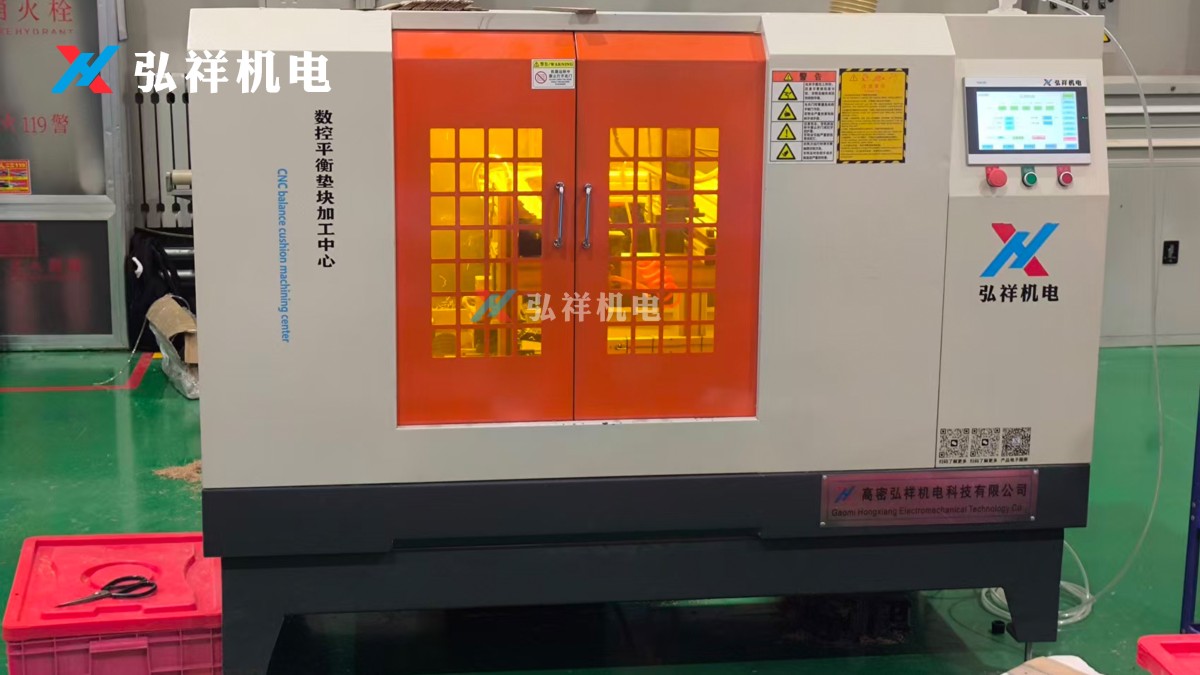
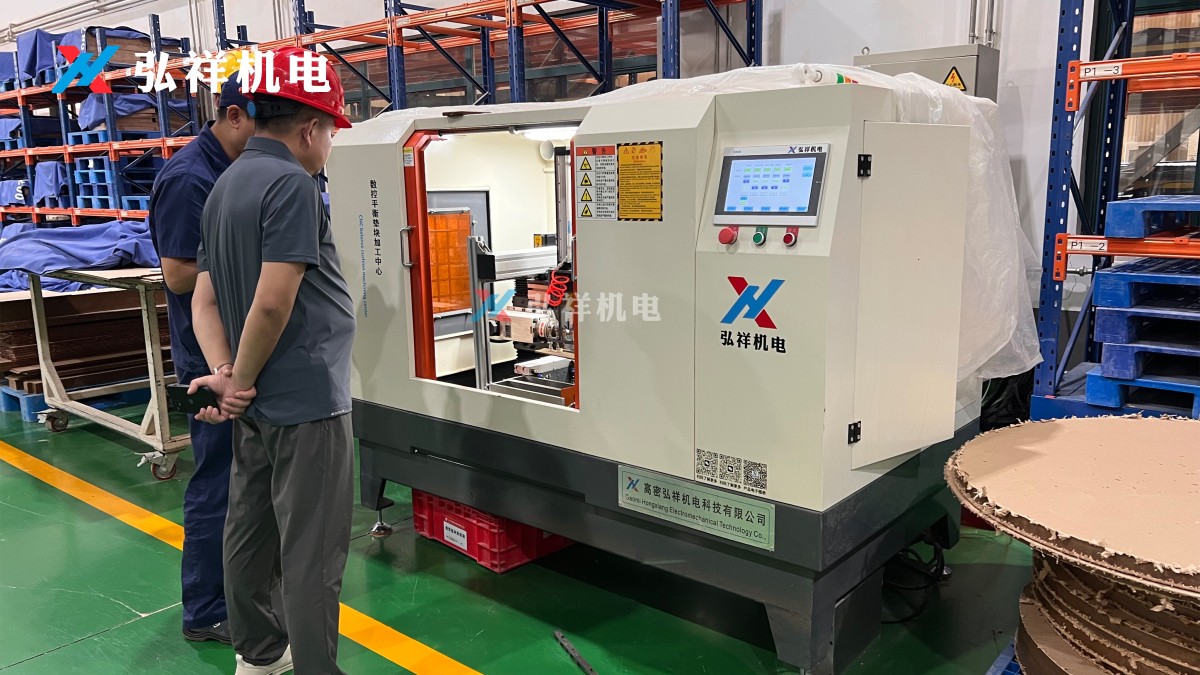
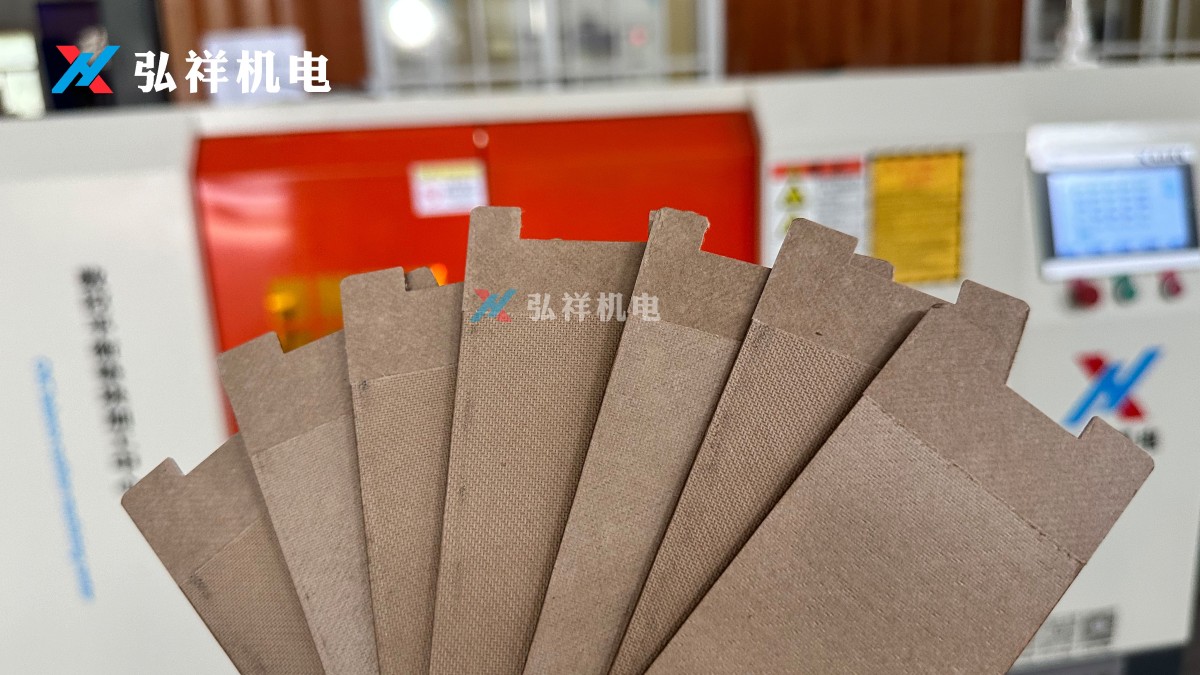
Moisture content in electrical laminated wood critically influences dimensional stability after machining—directly impacting insulation integrity and transformer longevity. For manufacturers relying on high-precision transformer electrical layer-pressed wood processing equipment or durable transformer insulation cardboard processing equipment, controlling moisture is non-negotiable. Gaomi Hongxiang Electromechanical Technology Co., Ltd., a leading transformer insulation parts processing equipment manufacturer in China, integrates CNC double-end chamfering machines, fully automatic shearing machines, and special-shaped material cutting equipment to ensure precision across insulating cardboard, electrical laminated wood, and transformer insulation components.
Why Moisture Control Matters in Laminated Wood Machining
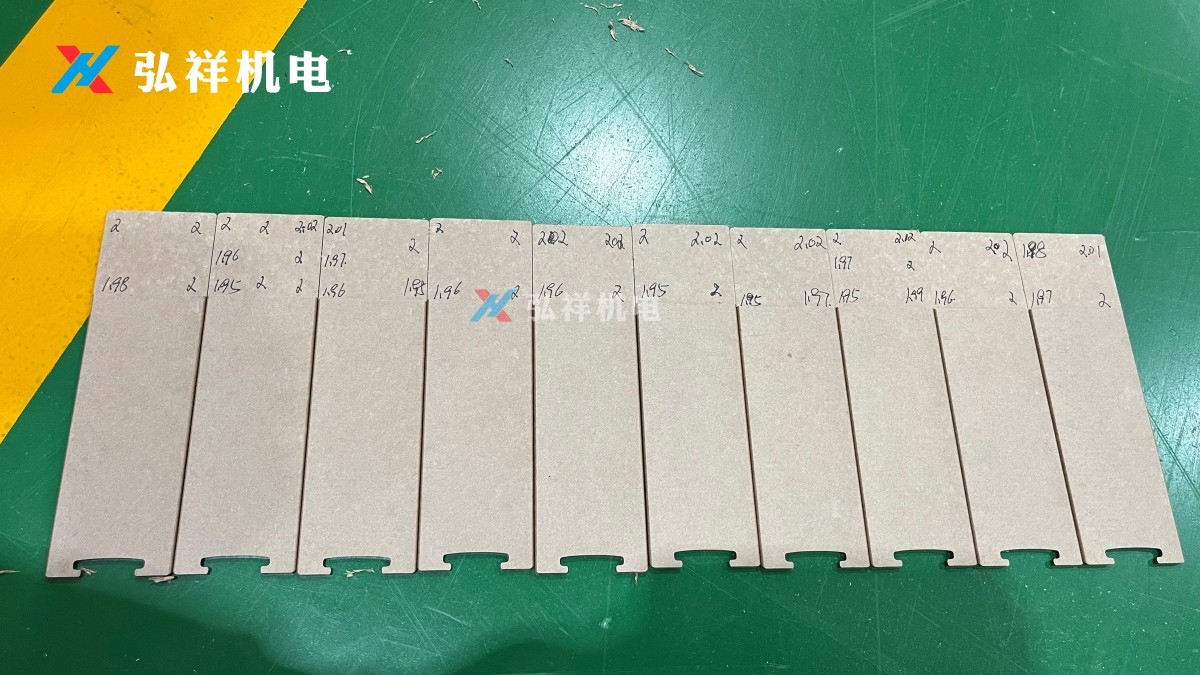
Electrical laminated wood—commonly used for transformer clamping frames, spacers, and core supports—must maintain tight dimensional tolerances (±0.3 mm typical) post-machining to prevent air gaps, partial discharge, and thermal stress concentration. Moisture content (MC) directly governs hygroscopic expansion/contraction: wood swells ~0.2% radially and ~0.1% tangentially per 1% MC increase above fiber saturation point (~28–30%). Even minor fluctuations during storage or machining can trigger warping or cracking after final assembly.
Unlike solid timber, laminated wood consists of multiple bonded layers with alternating grain orientation. This structure amplifies internal stress when moisture gradients exist between surface and core—especially problematic in thick-section parts (>40 mm). Uncontrolled MC leads to delamination risk under thermal cycling (e.g., transformer load cycles from 25°C to 90°C), compromising mechanical rigidity and dielectric strength.
Industry-standard acceptance criteria—per IEC 60641-2 and GB/T 5591.2—require finished laminated wood parts to stabilize at 6–8% MC before final inspection. Deviations beyond ±0.5% MC during machining cause measurable dimensional drift within 72 hours post-cutting, especially in ambient humidity >65% RH or temperature swings exceeding ±5°C.
Key Moisture-Related Failure Modes
- Post-machining shrinkage-induced gap formation between laminated wood and steel core (≥0.15 mm gap reduces dielectric withstand by up to 35%)
- Edge chipping during CNC milling due to localized fiber softening at MC >10%
- Adhesive bond degradation in phenolic-resin laminates when MC exceeds 9% during hot-press curing
- Increased tool wear rate (up to 40% faster) when machining wood at MC<4% or="">12%
How Precision Machining Equipment Compensates for Moisture Variability
Gaomi Hongxiang’s transformer insulation processing systems integrate real-time environmental monitoring and adaptive compensation logic. Our CNC double-end chamfering machines feature integrated hygrometer feedback loops that adjust feed rates and spindle torque based on incoming material MC readings (measured via calibrated capacitance sensors with ±0.2% accuracy). This ensures consistent edge geometry—even when batch MC varies between 5.2% and 7.8%.
Fully automatic shearing machines apply dynamic blade clearance correction: for every 0.5% MC increase above 6%, clearance is reduced by 0.012 mm to maintain clean shear edges without micro-fracturing. Special-shaped cutting equipment uses laser-guided depth control calibrated against moisture-dependent wood density profiles—critical for curved clamping rings where radial thickness tolerance must stay within ±0.25 mm over 1200 mm arc length.
All systems log MC data alongside machining parameters (cutting speed, feed per tooth, coolant flow) for traceability. This enables statistical process control (SPC) analysis across batches—reducing rework rates by 22% on average for laminated wood parts shipped to Tier-1 transformer OEMs in India and Russia.
The table confirms measurable gains: tighter dimensional control, predictable tool consumption, and significantly higher first-pass yield—all critical for procurement teams evaluating total cost of ownership (TCO), not just upfront equipment price.
Procurement Decision Framework: What to Verify Before Buying
When selecting laminated wood machining equipment, technical evaluators and procurement managers should validate three interdependent capabilities:
- MC-aware calibration protocol: Does the system support pre-machining MC verification (via ASTM D4442-compliant method) and auto-adjustment of 3+ machining parameters?
- Environmental resilience: Can it maintain ±0.25 mm dimensional repeatability across ambient conditions from 10°C–35°C and 30–85% RH?
- Data traceability: Does it generate ISO 9001-aligned logs linking each part ID to its measured MC, machine settings, and operator ID?
Financial approvers should note that adaptive moisture-compensation systems reduce annual scrap costs by $18,000–$42,000 for mid-volume transformer part producers (based on 2023 field data from Southeast Asian customers). ROI typically achieves breakeven within 14–18 months—even before factoring in extended tool life or reduced QC labor.
Why Partner With Gaomi Hongxiang for Transformer Insulation Processing
Gaomi Hongxiang delivers turnkey solutions—not standalone machines. We provide full-cycle support: from moisture-stabilized raw material sourcing guidance (aligned with IEC 60641-1), through CNC programming optimized for resin-rich laminates, to on-site staff training covering MC measurement best practices (ASTM D143, ISO 3130) and post-machining conditioning protocols.
Our equipment is deployed across 12 countries—including certified installations for Russian GOST R 50030-2016 compliance and Indian IS 7089:2020 transformer standards. Every system includes remote diagnostics, predictive maintenance alerts, and firmware updates addressing evolving moisture-related machining challenges—such as AI-driven anomaly detection for early delamination risk prediction.
Ready to optimize dimensional stability in your laminated wood processing? Contact us today for: MC-specific parameter validation, sample part machining trials, lead time confirmation (standard delivery: 8–12 weeks), or customized certification documentation (including CE, EAC, BIS).
NAVIGATION
MESSAGE
Request A Quote?