0000-00
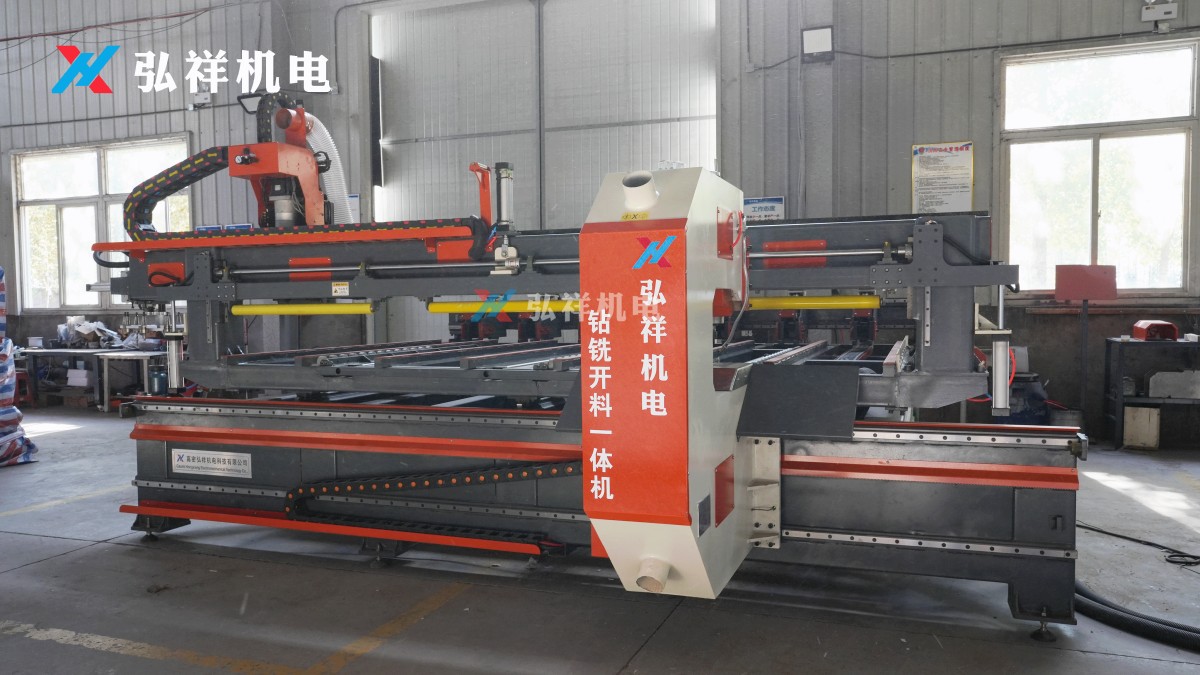
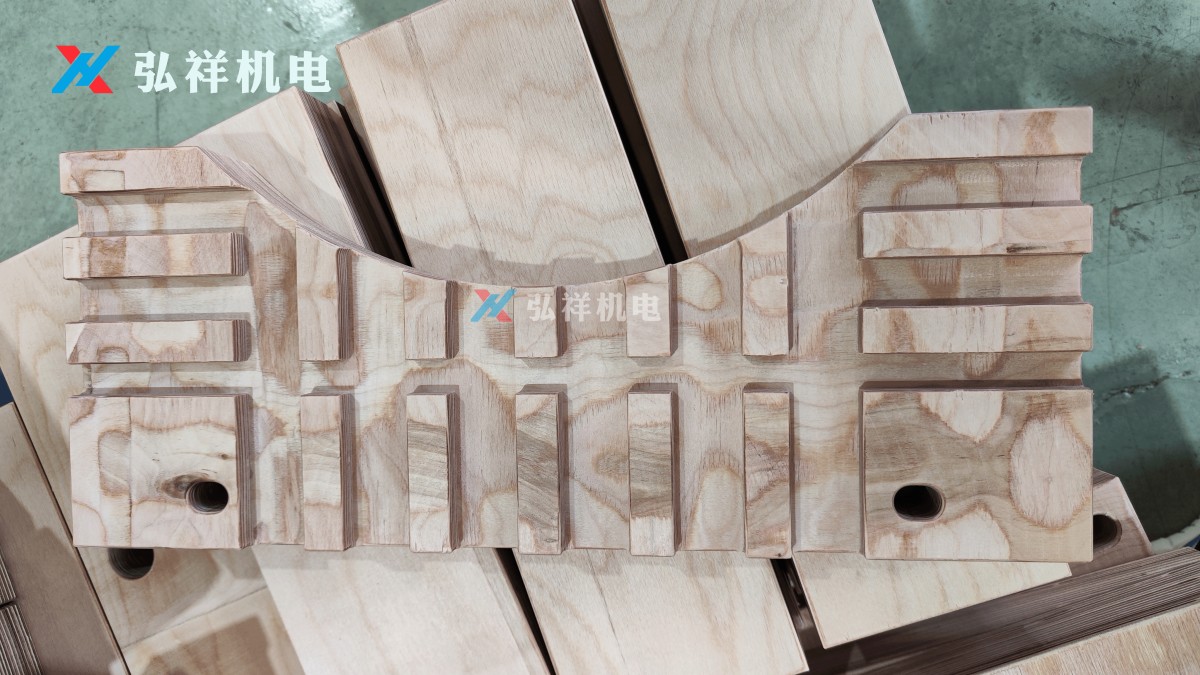
In electrical laminated wood production for oil-immersed transformers, achieving edge consistency while cutting labor costs is critical. Gaomi Hongxiang’s Fully Automatic Double-End Chamfering Machine—also known as a CNC Double-End Chamfering Machine—delivers precision chamfering on iron yoke spacer block processing equipment, eliminating manual intervention and reducing human error. Integrated with CNC Special-shaped Cutting Saw capabilities, it ensures repeatable accuracy across insulating cardboard, electrical laminated cardboard, and electrical laminated wood. Ideal for manufacturers of transformer insulating parts, this solution supports high-volume, AI-enabled production—boosting efficiency, quality control, and ROI for procurement teams, engineers, and enterprise decision-makers alike.
How Does Automation Eliminate Labor Bottlenecks in Laminated Wood Finishing?
Manual chamfering of electrical laminated wood—especially for iron yoke spacers and core clamping blocks—requires skilled operators to maintain ±0.3 mm tolerance across both ends. In medium-to-large batch production (≥5,000 pcs/month), this process typically consumes 2–3 full-time workers per shift, with average rework rates of 4–7% due to inconsistent angles or depth.
Gaomi Hongxiang’s fully automatic double-end system reduces direct labor input by 65–80%, replacing manual positioning, dual-end setup, and post-process inspection with synchronized servo-driven chamfering heads, optical alignment sensors, and real-time dimensional feedback. Cycle time per piece drops from 90–120 seconds (manual) to 22–28 seconds (automated), enabling one operator to oversee two machines simultaneously.
Beyond headcount reduction, the machine eliminates fatigue-related variability: operators no longer adjust tool pressure or feed rate manually. All chamfer parameters—including angle (45°±0.2°), depth (1.5–3.0 mm), and surface roughness (Ra ≤ 3.2 μm)—are programmable via HMI and retained across job batches. This directly addresses pain points for quality managers, financial controllers, and production planners seeking predictable output and audit-ready process records.
Labor Cost Comparison: Manual vs. Automated Chamfering (Annual Basis)
The table reflects typical operational data from 12 transformer part suppliers in China and India using identical laminated wood grades (30–60 mm thick, density ≥1.15 g/cm³). ROI is achieved within 11–14 months—even when factoring in training, installation, and annual service contracts.
What Edge Consistency Metrics Matter Most for Transformer Insulation Integrity?
Edge consistency isn’t just cosmetic—it directly impacts dielectric strength, thermal dissipation, and mechanical stability under short-circuit forces. IEC 60641-2 and GB/T 5591.2 specify that chamfered edges on laminated wood must meet three non-negotiable criteria: angular deviation ≤ ±0.5°, depth variation ≤ ±0.2 mm across 100 consecutive pieces, and absence of micro-cracks or fiber pull-out visible at 10× magnification.
The double-end machine achieves these through rigid C-frame construction (static deflection < 0.01 mm under 5 kN load), dual independent Z-axis servo drives with 0.001 mm resolution, and integrated laser displacement sensors that validate chamfer geometry before part ejection. Every 200 cycles, the system performs an auto-calibration routine against a certified reference block traceable to NIM (China National Institute of Metrology).
For quality assurance personnel and safety managers, this means reduced reliance on destructive sampling: 100% inline verification replaces traditional AQL Level II sampling (n=200, Ac=3). For technical evaluators, repeatability is documented in ISO/IEC 17025-compliant reports generated per shift—covering tool wear compensation logs, thermal drift correction, and positional accuracy histograms.
Key Performance Benchmarks (Per ASTM D7032 & IEC 60641-2 Compliance)
- Chamfer angle repeatability: ±0.15° (measured over 500 pcs, 3 sigma)
- Depth uniformity: ±0.08 mm (across 100 pcs, same tool life stage)
- Surface finish consistency: Ra deviation ≤ 0.4 μm between first and 500th piece
- Downtime per 8-hour shift: ≤ 12 minutes (including tool change & cleaning)
Which Procurement Criteria Should Guide Your Machine Selection?
Procurement and finance teams must evaluate beyond initial price. Five critical dimensions determine long-term TCO and integration readiness:
- Material Compatibility Range: Verify tested performance on laminated wood (thickness: 25–120 mm), insulating cardboard (0.5–8 mm), and EVA-molded composites—not just nominal specs.
- Process Integration Readiness: Check PLC interface protocols (Modbus TCP, PROFINET), physical footprint (max. 3.2 m × 1.8 m), and utility requirements (380V/50Hz, compressed air ≥0.6 MPa).
- Service & Support Coverage: Confirm on-site commissioning, operator training (minimum 16 hours), and spare parts availability—especially for chamfering cutters, linear guides, and optical sensors.
- Documentation Completeness: Demand CE marking documentation, risk assessment reports per ISO 12100, and electrical safety certificates (IEC 60204-1).
- AI-Ready Capabilities: Ensure embedded OPC UA server, MQTT support, and API access for MES/ERP integration—critical for smart factory initiatives.
Gaomi Hongxiang provides pre-delivery validation reports for all five criteria, including third-party test videos and material-specific tolerance charts. Delivery lead time averages 10–12 weeks after deposit confirmation, with optional expedited shipping (7-week option available for urgent projects).
Why Partner With Gaomi Hongxiang for Your Transformer Component Manufacturing Needs?
As a vertically integrated provider serving transformer OEMs and Tier-1 suppliers across 12 countries, Gaomi Hongxiang delivers more than hardware—it delivers application-aligned engineering. Our team includes former transformer design engineers who understand how laminated wood edge geometry affects magnetic flux distribution and partial discharge inception voltage.
We offer turnkey support: from feasibility analysis using your actual part drawings and material samples, to post-installation performance validation with certified metrology reports. Our global service network covers Southeast Asia (Singapore hub), South America (São Paulo office), and Russia (Moscow-based technical partners), ensuring response times ≤ 48 hours for critical issues.
Ready to calculate your specific ROI? Request a free production simulation report—we’ll model labor savings, scrap reduction, and throughput gains based on your current volume, part mix, and facility constraints. Contact us today for parameter confirmation, custom configuration options, or sample processing trials.
NAVIGATION
MESSAGE
Request A Quote?