0000-00
For project managers and engineering leads, transformer fit-up depends heavily on precision, consistency, and material stability. Laminated wood processing equipment for transformer insulation plays a critical role in shaping accurate insulating components that support smoother assembly, tighter tolerances, and fewer rework issues. Understanding how this equipment influences fit-up can help improve production efficiency, quality control, and overall transformer manufacturing performance.
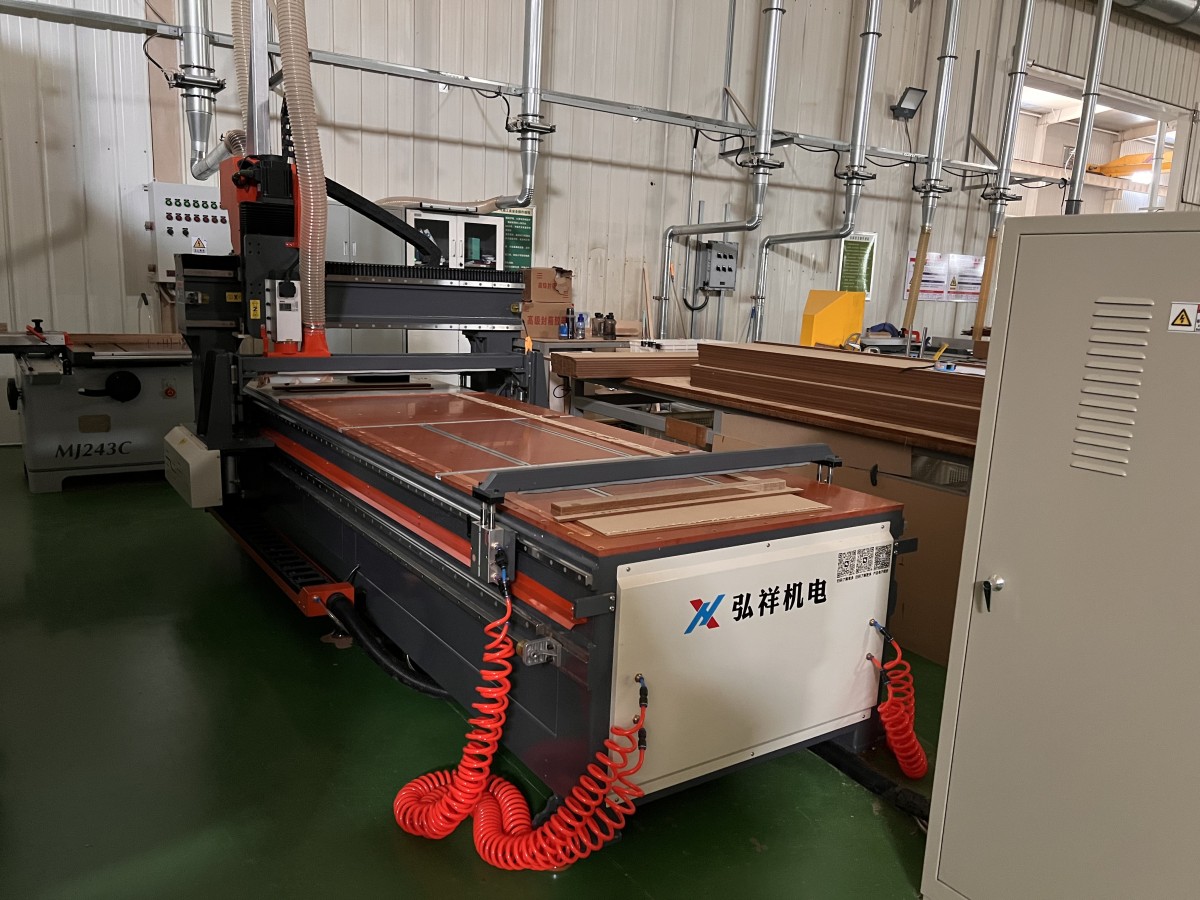
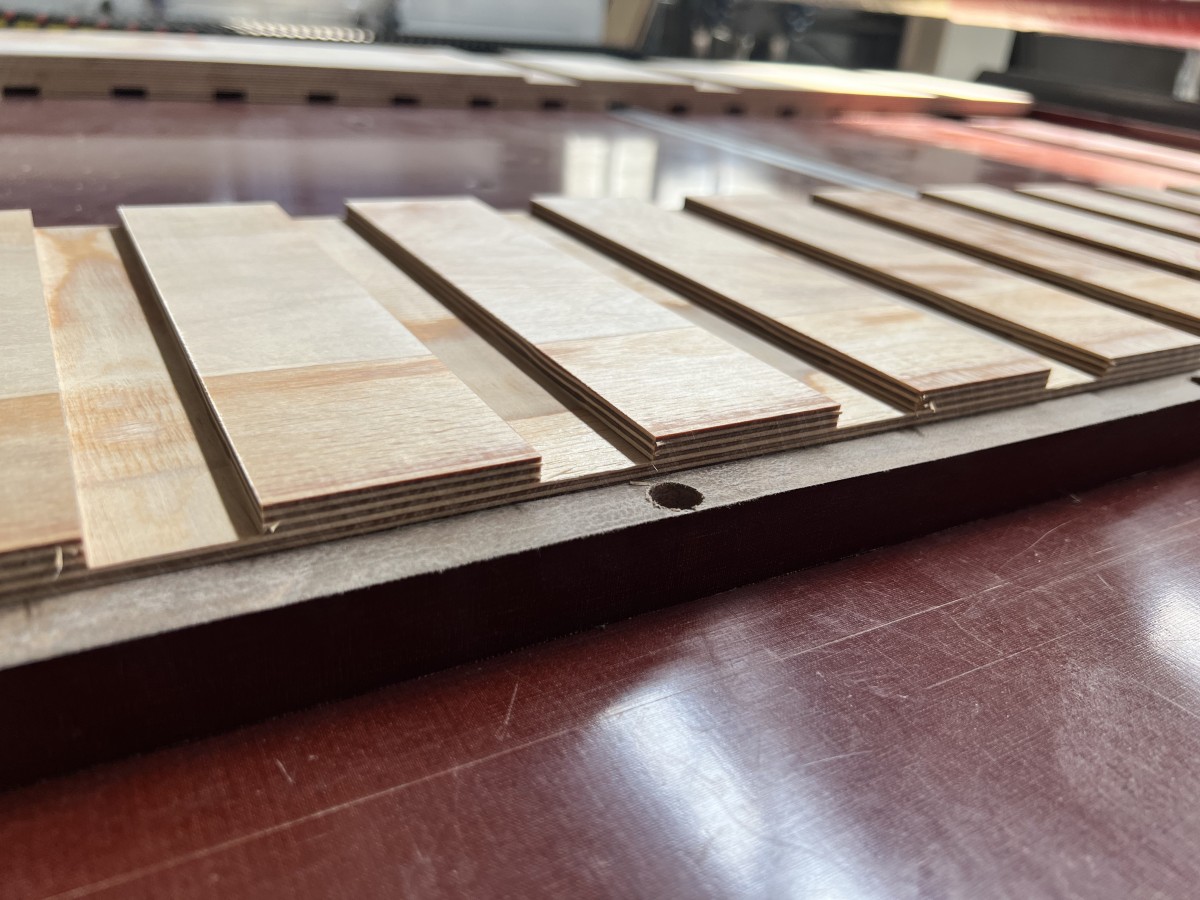
Why does transformer fit-up depend so much on laminated wood processing accuracy?
In transformer manufacturing, fit-up is not only an assembly issue. It starts much earlier, at the machining stage of insulating laminated wood parts such as blocks, spacers, support members, and structural insulation components.
When these parts vary in thickness, flatness, slot position, or edge quality, the result is usually visible during core and coil assembly. Teams then face alignment problems, stress concentration, repeated trimming, and schedule disruption.
For project leaders, this means one thing: laminated wood processing equipment for transformer insulation should be treated as a fit-up control tool, not just a cutting machine.
- Dimensional consistency supports repeatable assembly across batches and reduces operator-side adjustment during fit-up.
- Stable machining quality helps maintain insulation geometry under pressure and thermal cycling in later transformer operation.
- Controlled edge and surface finish reduce the risk of chipping, localized damage, or poor contact between adjacent insulation structures.
Typical fit-up failures linked to weak equipment capability
Many assembly issues are incorrectly blamed on labor or drawings. In practice, processing equipment limitations often sit behind the problem, especially when machine rigidity, feeding stability, and positioning repeatability are not matched to transformer insulation work.
- Thickness deviation causing stack-up error in layered insulation assemblies.
- Slot or hole offset leading to difficult positioning during component joining.
- Poor perpendicularity resulting in unstable contact faces and uneven compression.
- Surface tearing or burr-like damage increasing scrap risk for sensitive insulation parts.
Which equipment capabilities have the strongest impact on transformer fit-up?
Project buyers often compare machines by price or basic throughput, but fit-up performance usually depends on a narrower set of practical capabilities. Laminated wood processing equipment for transformer insulation should be assessed through the lens of assembly outcomes.
The table below highlights the machine-side capabilities that most directly affect fit-up quality in transformer insulation production.
This comparison shows why low-cost equipment can become expensive during assembly. If a machine saves money upfront but causes rework, scrap, or slower fit-up, total project cost increases quickly.
The most important technical performance areas
For laminated wood processing equipment for transformer insulation, the best technical discussion is practical rather than abstract. Project managers should focus on performance characteristics that connect directly to scheduling, quality, and assembly risk.
- Dimensional stability over long production runs, not only at machine startup.
- Material adaptability across insulating laminated wood grades and thickness ranges.
- Ease of process change when product mix includes multiple transformer designs.
- Maintenance accessibility that reduces downtime in time-sensitive production plans.
How should project managers evaluate equipment for different transformer insulation scenarios?
Not all insulation parts create the same machining challenge. Some projects require a high mix of small precision parts. Others run medium-volume structural pieces with thicker sections. Selection should follow the part profile, tolerance expectation, and delivery rhythm.
The following application guide can help match laminated wood processing equipment for transformer insulation to common production conditions.
The right choice depends less on generic machine size and more on how the equipment fits your transformer part mix. A machine that performs well on simple boards may still struggle with tight-tolerance structural insulation components.
Questions to ask before approval
- Can the machine maintain accuracy across repeated batches without frequent manual correction?
- Does the supplier understand transformer insulation geometry, not only general board cutting?
- How easily can tooling, fixtures, or programs be adapted to new insulation drawings?
- What support is available for installation, operator training, and after-sales troubleshooting?
What procurement risks are commonly overlooked?
A frequent mistake in machine tool procurement is to evaluate equipment in isolation from the full transformer manufacturing workflow. Project teams may compare speed, power, or quotation line items, but fail to measure downstream assembly consequences.
For laminated wood processing equipment for transformer insulation, overlooked risks usually appear after commissioning, when production targets are already active.
Common blind spots
- Ignoring material behavior. Laminated wood is not processed in the same way as ordinary panel material, and process mismatch can damage edge quality and dimensional reliability.
- Underestimating fixture design. Even a capable machine may produce unstable results if clamping does not support the insulation part structure.
- Separating equipment purchase from process support. Without installation guidance, training, and parameter optimization, ramp-up may take much longer than planned.
- Failing to define acceptance standards. If fit-up criteria are unclear, disputes may arise between machining, inspection, and assembly departments.
A practical procurement checklist
- List your transformer insulation part families by size, thickness, and tolerance sensitivity.
- Define which defects most often cause rework during fit-up.
- Request sample processing or process discussion around representative parts.
- Confirm training, spare parts response, and commissioning support before signing.
- Evaluate total production impact, including scrap, assembly delay, and maintenance downtime.
How do cost, alternatives, and service support affect the final decision?
Budget pressure is real, especially for projects with delivery deadlines and multiple equipment demands. Yet the lowest initial price is rarely the lowest operating cost. In transformer insulation production, poor machining stability can create hidden cost at every later stage.
This is where an integrated supplier can create value. Gaomi Hongxiang Electromechanical Technology Co., Ltd. combines R&D and design, production, sales, installation, training, and after-sales service. For project teams, that reduces coordination gaps between machine delivery and process implementation.
Because the company also works in power transformer assembly and manufacturing services, as well as processing of electrical insulating cardboard, insulating laminated wood, insulating parts, and EVA molding processing, discussions can be grounded in actual insulation application rather than only generic machine specifications.
Where the real cost difference appears
- Higher scrap from unstable machining increases material loss and inspection burden.
- Repeated fit-up correction consumes skilled labor and extends assembly cycle time.
- Weak after-sales support slows recovery when the machine needs process adjustment or maintenance intervention.
- Inadequate training causes avoidable variation between operators and shifts.
Alternative approaches and their limitations
Some manufacturers try to rely on manual finishing, general-purpose woodworking equipment, or outsourced insulation part machining. These approaches may work for limited demand, but they often lose competitiveness when tighter tolerance, repeatability, and schedule control become critical.
For project-driven transformer manufacturing, dedicated laminated wood processing equipment for transformer insulation usually offers better control over lead time, quality consistency, and process confidentiality.
What standards, process control, and implementation steps matter most?
When evaluating fit-up improvement, project managers should think in terms of process discipline. Even if specific standards vary by market and customer requirement, inspection consistency and documented machining control are always important.
Implementation steps for smoother deployment
- Review insulation drawings and classify critical dimensions that affect transformer assembly.
- Match machine capability with required part geometry, thickness range, and throughput target.
- Run trial parts and compare results against fit-up expectations, not only basic dimensional checks.
- Establish operator instructions for material loading, clamping, parameter setting, and inspection.
- Track rework causes after launch so process settings can be refined quickly.
For export-oriented manufacturing, process repeatability and technical communication are especially valuable. Gaomi Hongxiang Electromechanical Technology Co., Ltd. serves both domestic and international markets, including Southeast Asia, South America, India, Pakistan, and Russia, which supports cross-market understanding of practical delivery requirements.
FAQ: what do project managers ask most about laminated wood processing equipment for transformer insulation?
How should we choose laminated wood processing equipment for transformer insulation when part types vary a lot?
Start by grouping parts into families based on thickness, contour complexity, tolerance sensitivity, and batch size. Then verify whether the equipment can switch between these families without long setup delays or unstable accuracy. Flexibility matters as much as output.
Which performance indicators matter more than headline speed?
Repeatability, rigidity, clamping stability, and process adaptability are usually more important than top speed. A fast machine that produces variable dimensions creates more loss than a balanced machine with predictable results.
Is dedicated equipment really necessary for transformer insulation parts?
If your production includes tight fit-up requirements, recurring batches, or export-quality expectations, dedicated laminated wood processing equipment for transformer insulation is often the better long-term choice. It improves consistency and reduces reliance on manual correction.
What should be confirmed with the supplier before placing an order?
Confirm process suitability for your insulation materials, expected part range, installation scope, training content, after-sales response, and commissioning support. Also ask how acceptance will be judged in relation to actual transformer fit-up performance.
Why choose us for transformer insulation equipment and process support?
For project managers, the best supplier is one that understands both equipment and the assembly reality behind it. Gaomi Hongxiang Electromechanical Technology Co., Ltd. supports global customers with transformer assembly and manufacturing services, insulation material processing, equipment development, installation, training, and after-sales service.
This combination is useful when your concern is not simply buying a machine, but improving fit-up, reducing rework, and stabilizing delivery. Whether you are reviewing laminated wood processing equipment for transformer insulation for a new line or optimizing an existing process, practical technical discussion can shorten decision time.
- Discuss parameter confirmation for your laminated wood parts and transformer insulation drawings.
- Request selection advice based on throughput, tolerance, and part complexity.
- Review delivery timing, installation planning, and training arrangements for your project schedule.
- Explore custom solutions for insulation part processing, special machine requirements, and process integration.
- Ask about sample support, quotation communication, and practical recommendations for reducing fit-up risk.
If your team is comparing options now, a focused technical consultation can help clarify machine selection, process matching, delivery expectations, and support scope before procurement moves forward.
NAVIGATION
MESSAGE
Request A Quote?