0000-00
How to Choose Transformer Insulation Cardboard Processing Equipment for EVA Molding
Selecting the right Transformer insulation cardboard processing equipment for EVA molding is not a simple price comparison.
It affects dimensional stability, molding consistency, labor efficiency, and long-term operating cost.
For transformer manufacturers, small equipment decisions often create large quality differences later in production.
That is why technical evaluation should focus on process fit, not only machine specifications on paper.
This guide explains how to assess Transformer insulation cardboard processing equipment for EVA molding in a practical, decision-oriented way.
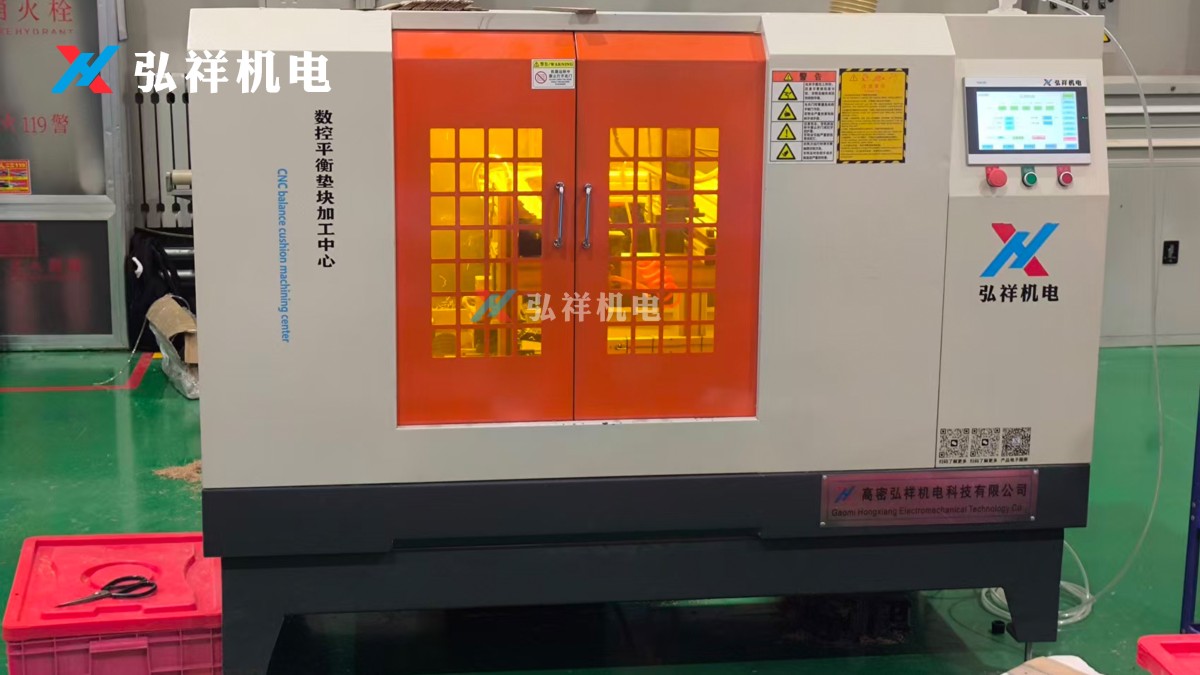
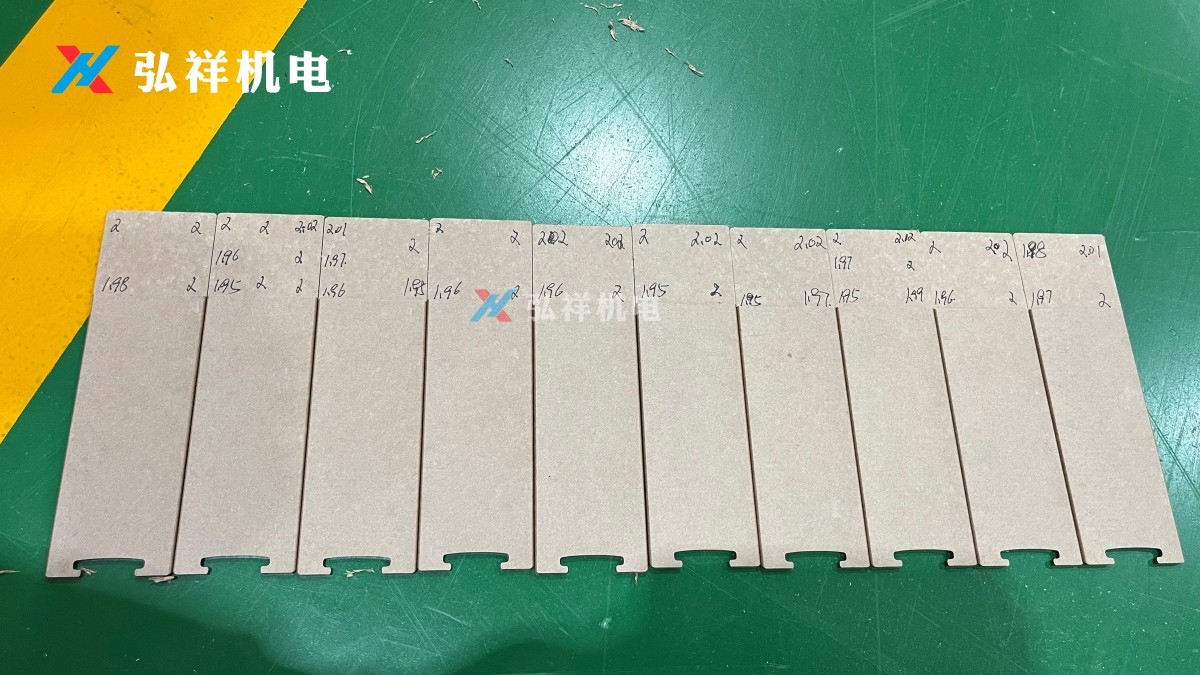
Start With the Real Production Requirement
Before reviewing equipment models, define the actual production task in detail.
This sounds basic, but it is where many wrong purchases begin.
Transformer insulation cardboard processing equipment for EVA molding must match both the material and the finished part function.
Key questions to clarify first
- What insulation cardboard grades and thickness ranges will be processed?
- What EVA molding shapes, tolerances, and batch sizes are required?
- Will the line run standard products, custom parts, or both?
- How much manual handling is acceptable between cutting, forming, and finishing?
- What downstream quality risks are most expensive for your plant?
In real projects, the best machine is often the one that solves the narrowest bottleneck.
That may be forming accuracy, cycle time, tooling changeover, or material damage control.
Check Material Compatibility Before Anything Else
Material compatibility is the first serious filter for Transformer insulation cardboard processing equipment for EVA molding.
Insulating cardboard behaves differently under pressure, heat, and forming speed.
EVA-related molding steps can also introduce bonding, rebound, and surface deformation issues.
A suitable machine should support stable processing of:
- Different insulation cardboard densities and moisture conditions
- Multi-layer or laminated structures where needed
- EVA molding applications requiring repeatable pressure distribution
- Delicate parts that cannot tolerate burrs, cracks, or edge collapse
Ask for verified processing samples, not only material lists.
A machine may claim broad compatibility, yet fail on your exact thickness or geometry.
Recent market changes make this even more important because product customization is increasing.
Focus on Accuracy, Repeatability, and Tooling Stability
Precision matters because insulation parts directly influence transformer assembly quality.
When evaluating Transformer insulation cardboard processing equipment for EVA molding, look beyond one-time sample accuracy.
The more useful question is whether the machine stays accurate after long, repeated production runs.
Evaluation points that matter
- Positioning precision during feeding, pressing, and forming
- Consistency of pressure and temperature control
- Tooling rigidity under continuous operation
- Repeatability after mold changes or parameter resets
- Edge quality, hole accuracy, and flatness after processing
If possible, request capability data across several shifts or batches.
That reveals more than a single polished demonstration sample.
In practice, tooling stability often separates reliable suppliers from low-cost short-term options.
Match Automation Level to Your Factory Reality
More automation is not always better.
The right level depends on labor cost, product mix, operator skills, and planned output growth.
Transformer insulation cardboard processing equipment for EVA molding should improve flow without creating unnecessary complexity.
A balanced evaluation usually includes these questions:
- Can one operator manage loading, monitoring, and unloading efficiently?
- How fast is recipe switching for different EVA molding parts?
- Does the control system reduce setup errors?
- Can the machine connect with future digital production planning?
This also means user interface design matters more than many buyers expect.
Clear parameter logic shortens training time and lowers avoidable quality deviations.
Evaluate Throughput Together With Quality Yield
High nominal capacity can be misleading.
What matters is qualified output per shift, not theoretical speed during ideal conditions.
For Transformer insulation cardboard processing equipment for EVA molding, stable yield is often more valuable than peak cycle time.
When suppliers present output data, ask how they define good parts.
That simple question often exposes whether performance claims are truly comparable.
Look Closely at Reliability and Service Support
A technically strong machine can still become a poor investment if service response is weak.
Transformer insulation cardboard processing equipment for EVA molding should be judged as a long-term production system.
That includes spare parts, installation quality, training depth, and troubleshooting support.
Supplier review checklist
- Can the supplier provide process guidance, not just machine delivery?
- Are installation and commissioning handled by experienced technicians?
- Is operator training practical and product-specific?
- Are spare parts standardized and available quickly?
- Can remote support reduce downtime for overseas customers?
Gaomi Hongxiang Electromechanical Technology Co., Ltd. builds value here by combining equipment knowledge with manufacturing service experience.
Its business covers transformer assembly support, insulating cardboard processing, insulating laminated wood, insulating parts, and EVA molding processing.
That broader production background often helps shorten the gap between machine selection and real factory use.
Compare Total Cost, Not Just Purchase Price
A lower purchase price can hide higher long-term cost.
This is especially true for Transformer insulation cardboard processing equipment for EVA molding used in demanding production environments.
A smart evaluation should include the full operating picture.
- Energy consumption under normal load
- Tool wear and replacement frequency
- Operator headcount per shift
- Maintenance intervals and downtime cost
- Quality loss from inconsistent EVA molding results
More clearly than before, buyers are now comparing lifecycle value instead of initial quotation alone.
That is a healthier approach, especially for operations planning global supply commitments.
A Practical Decision Framework for Final Selection
To compare options fairly, use a weighted evaluation sheet.
This keeps the decision grounded when several suppliers look similar at first glance.
- Define must-have technical requirements for insulation cardboard and EVA molding.
- Score sample quality using your own drawings and tolerances.
- Compare changeover time, automation fit, and maintenance accessibility.
- Check service capability for installation, training, and export support.
- Estimate total cost over three to five years.
This approach makes Transformer insulation cardboard processing equipment for EVA molding easier to compare on facts, not impressions.
It also reduces the common risk of choosing a machine that performs well only during demonstrations.
Final Takeaway
Choosing Transformer insulation cardboard processing equipment for EVA molding requires a balanced view of process capability, consistency, automation, service, and lifecycle cost.
The best decision usually comes from testing real materials, reviewing real output data, and challenging supplier assumptions early.
If your production includes transformer insulation materials, molded EVA parts, and specialized processing needs, partner selection becomes just as important as equipment selection.
A supplier with integrated R&D, production, installation, training, and after-sales support can help turn equipment investment into stable manufacturing performance.
Start with your process priorities, verify them with samples, and move forward only when the machine proves fit for your long-term EVA molding requirements.
NAVIGATION
MESSAGE
Request A Quote?