0000-00
Choosing transformer insulation parts processing equipment for electrical industry is less about buying a single machine and more about securing stable precision across an entire production chain.
For insulation cardboard, laminated wood, formed parts, and EVA-based components, small deviations can affect fit, dielectric performance, and assembly consistency inside the transformer.
That is why equipment selection now receives closer scrutiny. Precision must remain repeatable over long runs, across materials, and under practical factory conditions rather than in ideal test settings.
Why stable precision matters in transformer insulation manufacturing
Transformer insulation parts are not decorative components. They guide spacing, structural support, and electrical isolation inside demanding operating environments.
If slot depth shifts, edge quality deteriorates, or formed dimensions drift, downstream assembly becomes slower. More importantly, the risk of rework and material waste rises quickly.
In this context, transformer insulation parts processing equipment for electrical industry must deliver dimensional accuracy, predictable cutting behavior, and stable output across different batches.
The value of precision also extends beyond machining. Consistent parts simplify stacking, bonding, forming, and final transformer assembly, which makes the whole process easier to control.
The material side of the decision
Equipment should never be judged apart from material behavior. Electrical insulating cardboard, insulating laminated wood, and molded insulation parts respond differently to pressure, heat, and cutting force.
Cardboard often demands clean edges and controlled compression. Laminated wood requires stronger structural machining capability with attention to delamination and tool wear.
Formed and EVA-related parts add another layer. Their geometry may look simple on paper, yet repeatability depends on fixture design, thermal stability, and process alignment.
A useful evaluation starts with the real material mix. When the production plan includes several insulation categories, equipment flexibility becomes as important as nominal accuracy.
Questions worth clarifying early
- What thickness range must be processed every week, not only occasionally?
- Which parts require tight positional tolerance after forming or assembly?
- How often will the machine switch between cardboard, laminated wood, and shaped insulation parts?
- Is the workload dominated by standard parts or frequent custom orders?
Core equipment capabilities that affect real precision
Catalog specifications rarely tell the full story. A machine may show strong axis accuracy, yet still struggle with vibration, thermal drift, or unstable feeding under production load.
For transformer insulation parts processing equipment for electrical industry, stable precision usually depends on several linked capabilities rather than one headline number.
Machine structure and motion control
A rigid frame reduces deflection during cutting and shaping. Balanced motion systems help maintain repeatability during long operation cycles and frequent start-stop patterns.
Servo response, backlash control, and positioning feedback should be reviewed together. Weakness in one area often appears later as cumulative dimensional drift.
Tooling and edge quality
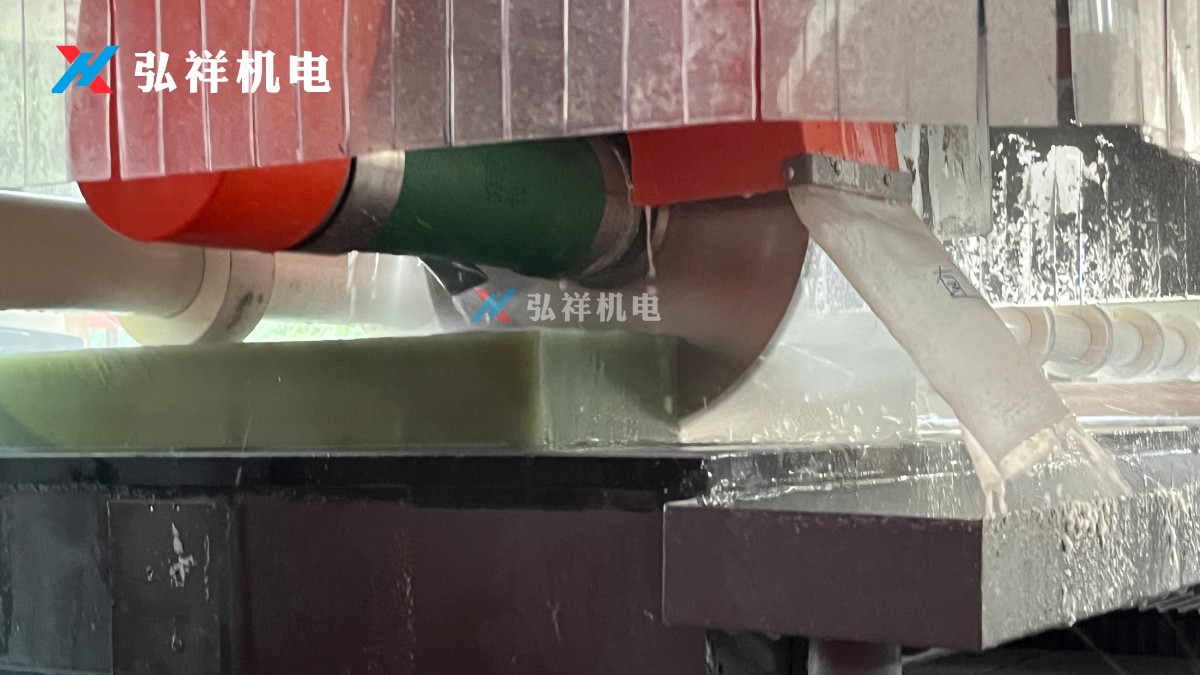
Tool selection matters because insulation materials react differently from metals. Clean cutting, burr control, and reduced tearing often define whether a part is acceptable without extra finishing.
When assessing equipment, check whether tooling changes are simple, repeatable, and documented. Complicated tool setup weakens process stability over time.
Clamping, fixtures, and feeding
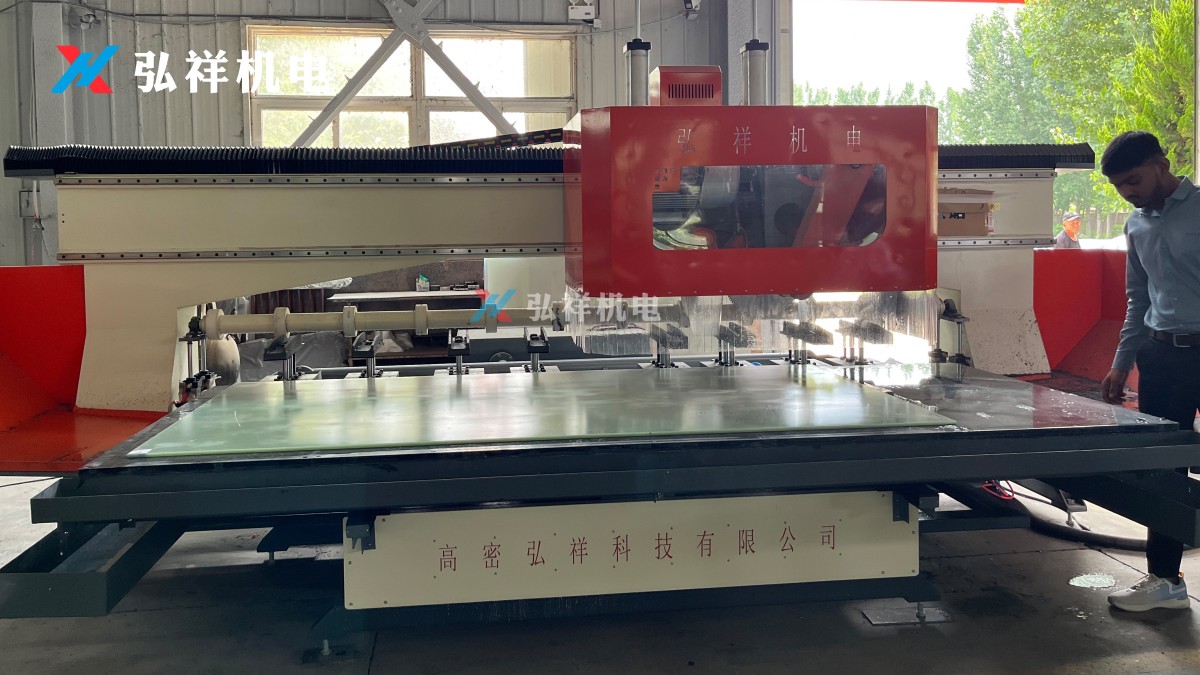
Parts cannot remain accurate if the workpiece shifts. This is especially relevant for sheet insulation materials that may compress, warp, or move during cutting.
Reliable fixtures and feeding systems often separate a machine that performs well in demos from one that performs well on the shop floor.
Looking beyond single-machine performance
Stable precision is easier to maintain when equipment fits the wider manufacturing process. An isolated high-accuracy machine can still create inefficiency if data transfer, handling, or inspection are weak.
This is where integrated manufacturing experience becomes relevant. Companies serving transformer assembly and insulation component production usually understand where tolerance issues actually appear.
Gaomi Hongxiang Electromechanical Technology Co., Ltd. works across transformer assembly and the processing of insulating cardboard, laminated wood, insulating parts, and EVA molding.
That kind of process coverage matters because equipment decisions can then reflect upstream material preparation and downstream assembly needs, not just machine output in isolation.
A practical comparison framework
Where the industry is paying closer attention
The market now expects shorter lead times and more part variation. That changes how transformer insulation parts processing equipment for electrical industry should be evaluated.
Repeatability still matters, but flexibility matters more than before. Production lines increasingly need to handle custom dimensions, smaller batches, and faster job switching without sacrificing accuracy.
Another shift involves digital coordination. Equipment that connects smoothly with process planning, measurement records, and maintenance tracking creates a more reliable operating environment.
There is also greater focus on specialized machinery. Support for custom equipment, including machines linked to artificial intelligence manufacturing workflows, reflects a broader move toward smarter production layouts.
Common selection mistakes
A frequent mistake is choosing by peak speed alone. High speed means little if edge quality worsens or setup inconsistency forces repeated adjustments.
Another issue is relying too heavily on sample parts made under supervised conditions. Trial output should be compared with multi-batch performance and actual factory workflow.
Some evaluations also overlook service depth. Installation, operator training, and after-sales support directly affect how quickly precision can be stabilized after commissioning.
For export-oriented operations or multinational supply chains, service clarity matters even more. Differences in region, operator background, and spare parts logistics can influence equipment value over time.
Signs of a stronger long-term option
- The supplier can explain process logic for different insulation materials.
- Tolerance discussion includes fixtures, tooling, and production rhythm.
- Training and maintenance plans are defined before delivery.
- Customization is available when standard machine architecture is not enough.
How to turn evaluation into a decision
A useful decision process starts with part families, tolerance bands, annual volume, and material categories. This creates a realistic boundary for machine comparison.
Then compare candidate equipment against process stability, not only purchase cost. Stable precision usually lowers waste, shortens adjustment time, and improves output consistency.
It is also worth checking whether the supplier works across R&D, design, production, installation, training, and after-sales service. That broader capability often reduces implementation risk.
For transformer programs serving varied export markets, scalable support becomes a practical advantage. Equipment must remain dependable across changing specifications and operating demands.
The next step is straightforward: map the parts that cause the most tolerance pressure, match them to the required machine functions, and compare suppliers on repeatable process control rather than simple headline claims.
That approach makes transformer insulation parts processing equipment for electrical industry easier to judge on what matters most: stable precision, usable flexibility, and reliable performance over time.
NAVIGATION
MESSAGE
Request A Quote?