0000-00
Before investing in new machine tools, technical evaluators need a practical way to judge stability before the purchase order is signed. In transformer insulation parts processing, equipment that looks precise on paper may still perform poorly under continuous load, vibration, heat, and material variation.
The safest judgment is not based on one specification alone. Stability must be verified through structural rigidity, motion accuracy retention, spindle and drive behavior, repeatability in actual parts, maintenance design, and the supplier’s ability to support long production cycles.
For teams comparing Cost-effective transformer insulation parts processing equipment, the goal is not simply to buy the lowest-priced machine. The real target is to secure reliable throughput, stable dimensional quality, manageable maintenance cost, and low production risk over the machine’s working life.
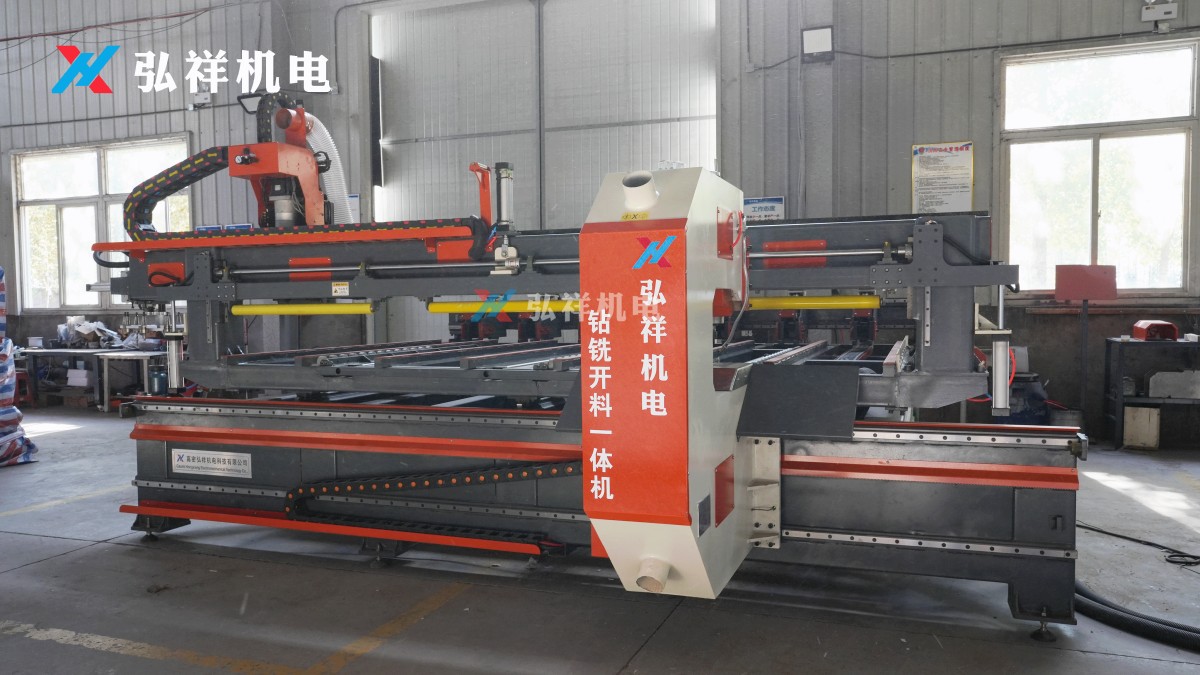
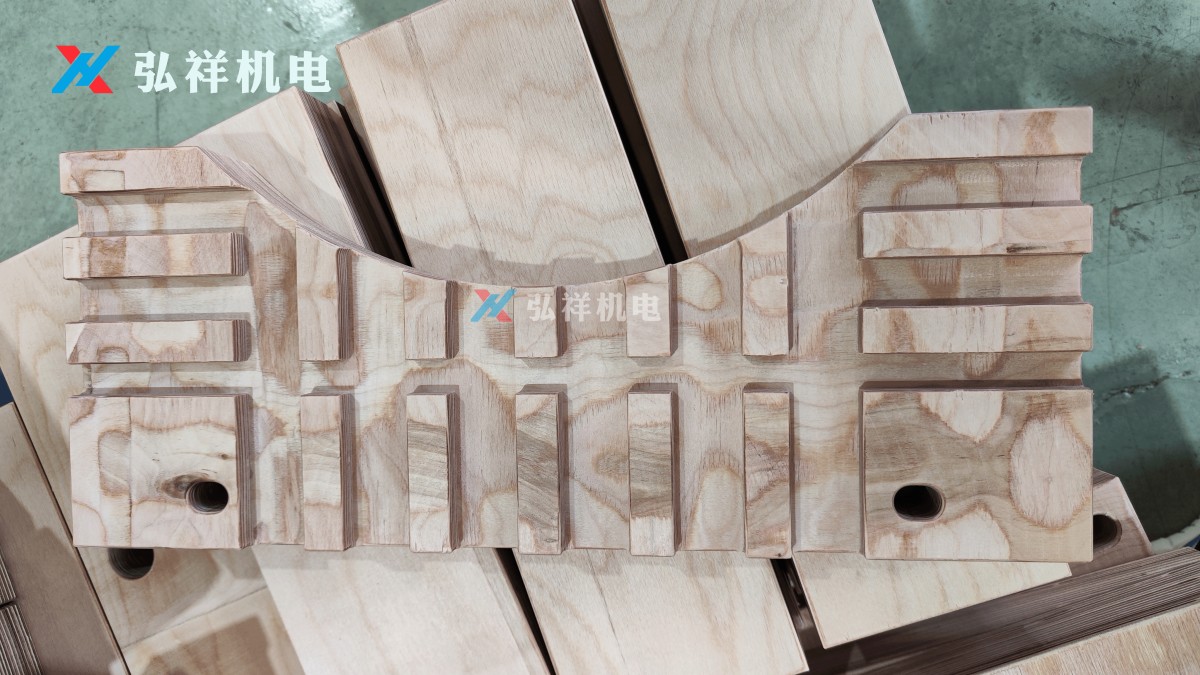
What technical evaluators really need to confirm before buying
When technical evaluators search how to judge equipment stability before buying, they usually want a screening framework. They need to know which indicators predict reliable production, which tests expose hidden weakness, and how to compare suppliers beyond catalog claims.
In the machine tool sector, especially for transformer insulation board, laminated wood, and insulating parts processing, unstable equipment causes more than scrap. It also creates tool wear spikes, setup drift, rework, delivery delays, and uncertainty in downstream assembly quality.
That is why the most useful evaluation focus is practical performance under working conditions. Buyers should give less weight to decorative features or broad marketing language, and more weight to measurable consistency, serviceability, and long-term process reliability.
Start with the machine structure, because stability begins with rigidity
A machine cannot stay stable if its base structure lacks stiffness. Frame design, bed material, rib reinforcement, and assembly quality determine how well the machine resists vibration, thermal shift, and deformation during cutting, pressing, routing, or precision shaping.
Ask whether the machine bed uses stress-relieved castings, welded structures with proper aging treatment, or other proven anti-deformation solutions. Stability is not only about initial hardness. It is about whether the structure preserves geometry after repeated loading over months and years.
Technical evaluators should inspect guideway support spans, column thickness, spindle head connection, and fastening logic. A machine with weak connection points may pass a short demonstration, yet lose precision quickly when handling thicker insulating materials or extended production shifts.
Foundation and installation requirements also matter. If the equipment depends on highly sensitive leveling conditions to keep accuracy, that may increase deployment risk. A robust machine should tolerate reasonable workshop variation without becoming difficult to control.
Check motion system quality, not just nominal positioning accuracy
Many machines advertise high positioning accuracy, but stability depends more on how accurately the axes move repeatedly under actual operating speed, acceleration, and load. Evaluators should request repeatability data, backlash control method, and long-cycle motion consistency records.
Examine the ball screws, linear guides, servo motors, couplings, bearings, and lubrication design. Well-matched motion components reduce vibration, improve path smoothness, and help the machine maintain tolerance while processing transformer insulation parts with different thicknesses and densities.
It is also important to review acceleration tuning and deceleration behavior. Some equipment shows acceptable static accuracy but introduces instability during direction changes, contour transitions, or high-frequency repetitive movement. This weakness often appears in edge quality and dimensional scatter.
If possible, ask for a test that repeats the same program many times and measures part-to-part deviation. For technical evaluators, this result is often more valuable than a single unloaded calibration sheet because it reveals real dynamic control quality.
Evaluate spindle and cutting stability under real material conditions
For machine tools used in insulation cardboard, laminated wood, EVA molding support processes, or insulating component machining, spindle behavior has a direct impact on surface quality, tool life, and dimensional consistency. Stable equipment must keep predictable output during continuous operation.
Review spindle power curve, torque availability at relevant speeds, bearing configuration, cooling method, and vibration control. A spindle that is oversized on paper but unstable in thermal management may gradually lose consistency during long runs or mixed-material jobs.
Ask suppliers to process the actual materials you plan to run, not only easy demonstration materials. Transformer insulation parts may react differently depending on density, moisture content, lamination direction, or hardness variation. Stable equipment should absorb these differences without obvious chatter or burn marks.
Noise can also be an indicator. Unusual spindle sound, axis resonance, or sudden tonal changes during cuts may suggest imbalance, poor tuning, or inadequate rigidity. Skilled evaluators often learn more from listening to the machine than from reading polished brochures.
Judge thermal stability, because good morning accuracy is not enough
One of the most overlooked risks in equipment purchase is thermal drift. A machine may produce acceptable first-piece accuracy, then move gradually out of tolerance as spindle heat, servo heat, ambient temperature, and material temperature begin to influence the structure.
Technical evaluators should ask how long the machine needs to reach thermal equilibrium. They should also ask whether compensation logic exists, how the cooling system is designed, and whether the supplier has test records from long-duration production rather than short trial samples.
Thermal stability matters even more when the finished insulation parts must fit tightly into transformer assemblies. Small dimensional drift across batches can affect stacking, slot fit, pressure distribution, and electrical insulation reliability in final applications.
A useful supplier demonstration includes several hours of continuous production, followed by remeasurement of selected dimensions. If the machine remains stable after warm-up and sustained operation, that is a more credible sign of production readiness.
Ask for consistency data from actual sample parts, not only machine specifications
Specifications describe potential. Sample part consistency shows reality. For buyers looking for Cost-effective transformer insulation parts processing equipment, the strongest proof of stability is repeatable output quality across multiple parts, operators, and time periods.
Request a test plan with clear measurement points, tolerance targets, cycle count, and environmental conditions. A reliable supplier should be willing to produce multiple identical parts and document dimensional variation rather than highlighting only the best single sample.
Inspect edge condition, hole position, slot width, flatness, burr level, and surface uniformity. If different dimensions drift in different directions, this may indicate combined issues in thermal behavior, clamping, servo control, or structural stiffness.
Also review process capability from a manufacturing perspective. A stable machine should support predictable setup logic, repeatable tool offsets, and low dependence on constant operator intervention. High manual correction frequency is often a hidden sign of weak equipment stability.
Do not separate stability from clamping, tooling, and process compatibility
Equipment stability is not determined by the machine body alone. Fixture design, vacuum or mechanical clamping reliability, tool holder quality, and tool path suitability all affect whether the machine can maintain consistent results in insulation part production.
Technical evaluators should verify whether the machine supports the workpiece sizes, thickness ranges, and processing features required by their product mix. A machine may be stable for simple contouring but unstable for thin sheets, narrow grooves, or high-precision drilled patterns.
Ask how the supplier recommends fixture selection for insulating cardboard, laminated wood, and shaped insulating parts. If process support is weak, the machine may appear unstable in use even when the core hardware is acceptable.
This is especially important for companies that need flexible manufacturing rather than one fixed part family. Stability should be tested across representative product types, because some machine weaknesses emerge only when process conditions change.
Review maintenance design to predict long-term stability and downtime risk
From a technical evaluation standpoint, easy maintenance is part of equipment stability. Machines that are difficult to lubricate, inspect, align, or replace wear components often become unstable earlier because preventive care is delayed or inconsistently performed.
Check access to lubrication points, filters, belts, bearings, electrical cabinets, sensors, and drive components. Ask whether alignment checks can be done quickly and whether common service items are standardized. Simpler maintenance design usually supports better long-term consistency.
It is also wise to ask for a preventive maintenance schedule and expected wear intervals. If the supplier cannot explain what parts drift first, what signals indicate degradation, and how often recalibration is required, post-purchase risk increases.
For overseas buyers, spare parts availability and remote service response are critical. A machine that is affordable initially but difficult to support in Southeast Asia, South America, India, Pakistan, or Russia may become expensive in total ownership cost.
Assess supplier engineering strength, not just the machine itself
Stable equipment is usually the result of stable engineering discipline. Buyers should investigate whether the manufacturer has integrated capability in R&D, design, production, installation, training, and after-sales service, because these functions strongly affect final machine performance.
A supplier with real process knowledge in transformer-related insulation materials can often provide better machine matching, better fixture suggestions, and better accuracy retention strategies. This reduces the gap between showroom performance and factory-floor performance.
For example, a company that also understands insulating cardboard, insulating laminated wood, and custom insulating parts processing is more likely to design practical solutions around workpiece behavior, material handling, and production rhythm.
Ask detailed questions during evaluation. A capable supplier should answer clearly about structural design logic, test procedures, failure points, tuning methods, and service workflow. Vague answers usually signal weak engineering depth or outsourced integration risk.
Use a practical pre-purchase stability checklist during factory visits
A structured checklist helps technical evaluators compare machines fairly. Start with machine structure, motion components, spindle system, thermal control, and sample part repeatability. Then move to fixtures, maintenance accessibility, documentation quality, and service support capability.
During the visit, observe machine startup, warm-up behavior, cutting sound, vibration, chip or dust control, finished part consistency, and operator interaction. If a machine requires frequent manual compensation, unexplained parameter changes, or unstable clamping adjustments, treat that as a warning.
Request records wherever possible. Useful documents include geometric accuracy reports, repeatability reports, sample inspection data, maintenance manuals, electrical schematics, and service response commitments. Strong suppliers usually organize this information well because they manage stability systematically.
Finally, score each machine against your actual production needs instead of generic industry standards. The best equipment is the one that delivers reliable accuracy, acceptable throughput, and low ownership risk for your specific transformer insulation parts manufacturing environment.
How to identify truly cost-effective equipment instead of simply low-cost equipment
Cost-effective transformer insulation parts processing equipment should balance purchase price with stable quality output, low scrap risk, controllable maintenance, and useful service life. A lower initial quote becomes expensive if accuracy degrades quickly or downtime interrupts delivery.
Technical evaluators should estimate total cost of ownership through expected uptime, maintenance intervals, tool consumption, operator workload, scrap rate, and spare parts access. Stability has direct financial value because it reduces hidden process losses across the full production cycle.
In many cases, the better investment is not the fastest or most feature-rich machine. It is the machine that repeatedly produces acceptable parts with low variation, simple maintenance, and dependable supplier support. That is where long-term project value is created.
When machine stability is verified carefully before purchase, buyers reduce risk in quality assurance, production planning, and customer delivery. That is especially important in transformer manufacturing, where component consistency influences both assembly efficiency and product reliability.
Conclusion
To judge equipment stability before buying, technical evaluators should look beyond brochures and focus on evidence from structure, motion, spindle behavior, thermal performance, sample consistency, maintenance design, and supplier engineering capability.
For transformer insulation parts production, the most reliable buying decision comes from testing machines under real materials and realistic production conditions. Stability should be proven across time, not assumed from isolated specifications.
If your goal is to select Cost-effective transformer insulation parts processing equipment, the right choice is the one that combines dependable precision, process compatibility, service support, and manageable life-cycle cost. A stable machine is not only a technical asset. It is a business safeguard.
NAVIGATION
MESSAGE
Request A Quote?