0000-00
Unplanned stoppages in transformer insulation production can quickly affect quality, delivery, and maintenance costs. For after-sales maintenance teams, improving uptime starts with smarter service strategies and reliable Laminated wood processing equipment for transformer insulation. This article explores practical ways to reduce downtime in laminated wood processing, from preventive maintenance and fault diagnosis to equipment optimization, helping you keep operations stable, efficient, and ready for long-term performance.
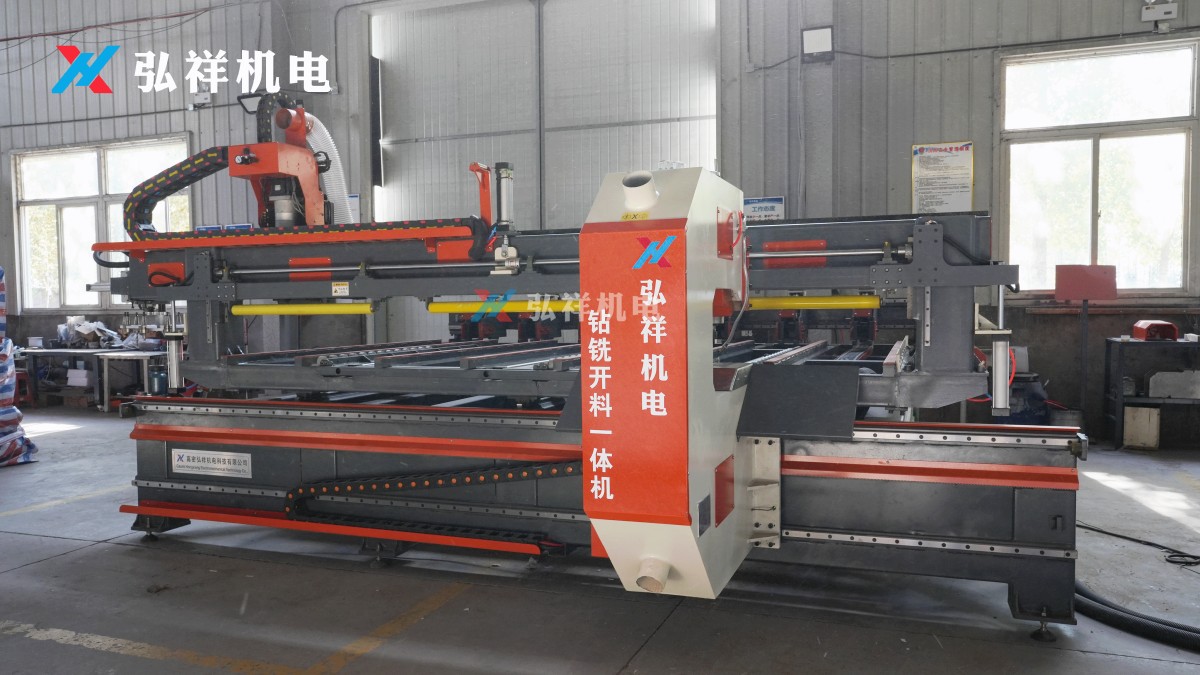
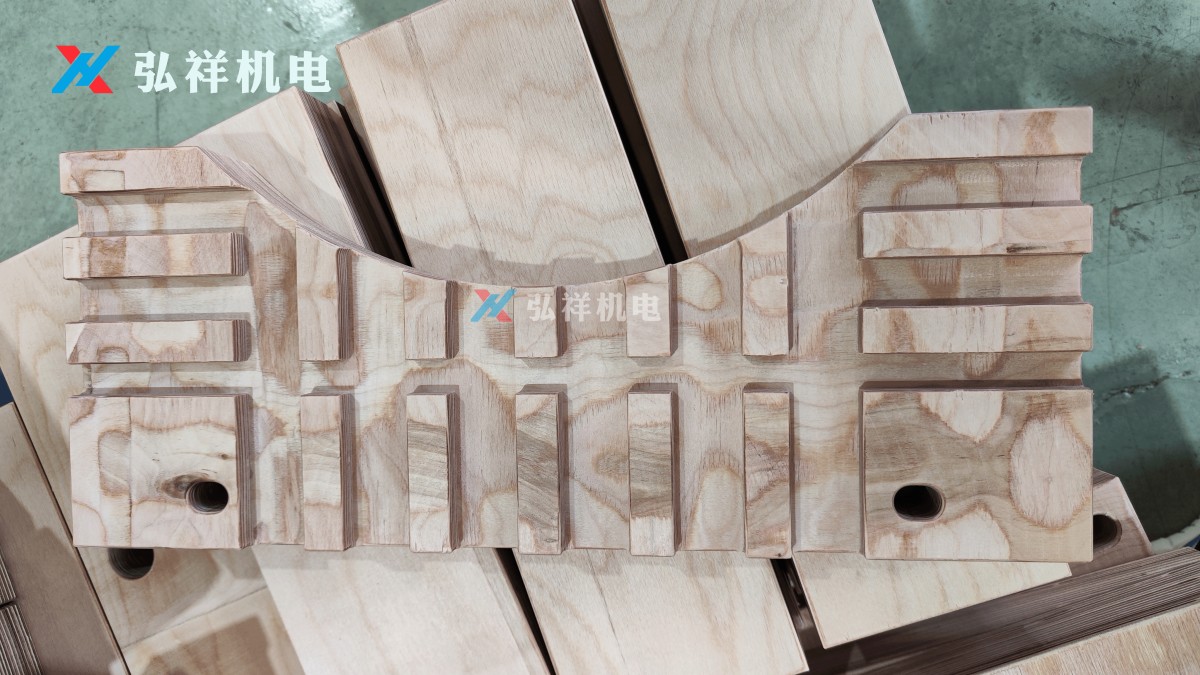
In transformer insulation workshops, laminated wood is not a simple auxiliary material. Its dimensional stability, bonding quality, moisture control, and machining accuracy directly affect downstream assembly and electrical insulation performance. When cutting, planing, drilling, or shaping equipment stops unexpectedly, the impact spreads quickly across production schedules.
For after-sales maintenance personnel, the challenge is not only to repair a fault after it appears. The more valuable task is to shorten mean time to repair, extend stable operating cycles, and reduce repeat failures through planned service, better spare-parts readiness, and practical operator support.
Understand Where Downtime Starts in Laminated Wood Processing
Downtime in Laminated wood processing equipment for transformer insulation usually comes from a combination of mechanical wear, process inconsistency, environmental variation, and delayed maintenance response. In most plants, stoppages are rarely caused by one single issue. They are often the result of 3 to 5 small failures building up over 2 to 6 weeks.
Typical failure points in machine-tool based processing lines
Common trouble areas include feed rollers, spindle assemblies, cutting tools, clamping systems, dust extraction paths, electrical controls, and temperature-sensitive glue-related zones. In laminated wood machining, even a tolerance drift of ±0.3 mm to ±0.5 mm can trigger rework or a line stop if transformer insulation parts must fit tightly.
- Blade wear causing burrs, chip breakout, or overloaded spindle current
- Dust accumulation blocking sensors, rails, and ventilation openings within 7 to 10 days
- Moisture variation in laminated wood affecting cutting resistance and dimensional repeatability
- Loose transmission components leading to vibration, noise, and uneven surface finish
- Inadequate lubrication intervals increasing bearing temperature above normal operating range
Why insulation material processing is especially sensitive
Transformer insulation materials require cleaner machining and more predictable consistency than general woodworking. Laminated wood for insulation components must often maintain stable flatness, edge integrity, and hole positioning. If equipment drift is ignored for even 1 shift, defect accumulation may exceed the cost of the original repair.
The table below shows practical downtime triggers that after-sales maintenance teams should monitor first when servicing Laminated wood processing equipment for transformer insulation.
A clear pattern appears: many stoppages are preventable if warning signs are captured early. For maintenance teams, the first priority is to convert visible symptoms into fixed inspection points, measurable limits, and response times that can be repeated across shifts.
Build a Preventive Maintenance Program That Matches the Equipment Reality
A preventive maintenance plan only works if it reflects actual machine loading, material characteristics, and operating rhythm. In transformer insulation production, a generic monthly checklist is often too broad. Laminated wood processing lines benefit more from layered intervals such as daily, weekly, and every 250 operating hours.
Set maintenance by component criticality
After-sales teams should rank components into at least 3 levels: high-criticality parts that stop the line immediately, medium-criticality parts that degrade quality first, and support parts that affect efficiency over time. This helps allocate labor and spare parts more effectively instead of treating all checks as equal.
A practical 4-layer maintenance schedule
- Per shift: visual inspection, noise check, dust removal, lubrication point confirmation
- Every 7 days: sensor cleaning, belt tension review, fastener inspection, extraction efficiency check
- Every 30 days: alignment verification, spindle runout review, electrical cabinet cleaning
- Every 250 to 500 hours: bearing evaluation, calibration, wear-part replacement, control testing
The following table can be used as a maintenance planning reference for Laminated wood processing equipment for transformer insulation in a machine-tool service environment.
For service teams, the value of this structure is predictability. When maintenance intervals are fixed and recorded, it becomes easier to compare one machine against another, identify early drift, and schedule intervention before an urgent stop disrupts transformer insulation delivery.
Improve Fault Diagnosis Speed and Cut Mean Time to Repair
Even the best maintenance program cannot remove all failures. When a stoppage occurs, the main goal becomes faster diagnosis. In many factories, 30% to 50% of downtime is lost not on the repair itself, but on finding the root cause, waiting for the right spare part, or repeating trial-and-error checks.
Use a structured 5-step troubleshooting path
- Confirm the exact symptom: alarm, dimensional drift, vibration, heat, or feed interruption
- Separate mechanical, electrical, and material-related causes within the first 10 to 15 minutes
- Check the last maintenance record, tool change time, and operator notes
- Test the most failure-prone components first instead of opening all systems at once
- Record the corrective action and the actual root cause for future service reference
Create service-friendly machine documentation
Downtime falls significantly when wiring maps, lubrication points, sensor locations, and wear-part lists are available on site. A maintenance file should include at least 6 basic items: machine layout, electrical diagram, spare-parts list, calibration points, service history, and standard inspection cycle.
For manufacturers serving international markets, this is especially important. Gaomi Hongxiang Electromechanical Technology Co., Ltd. supports customers with R&D, design, production, sales, installation, training, and after-sales service across domestic and overseas regions. In cross-border service conditions, clear documentation helps reduce communication delay and improves first-time repair efficiency.
Keep critical spare parts ready before failures happen
A spare-parts strategy should be based on failure probability and delivery risk. For Laminated wood processing equipment for transformer insulation, not every part needs local stock, but high-frequency wear parts and stop-line components should be available within 24 to 72 hours if possible.
- Cutter sets and tool holders for routine replacement
- Sensors, relays, contactors, and switches for common electrical faults
- Belts, bearings, seals, and guide components for transmission stability
- Consumables for dust collection and lubrication systems
A useful rule is to classify parts into A, B, and C categories. A-parts stop the line instantly and should be stocked on site. B-parts should be available through regional service. C-parts can remain in central inventory if replacement urgency is low.
Optimize Equipment Conditions for Stable Long-Term Uptime
Reducing downtime is not only about fixing machines faster. It also depends on whether the equipment is working under the right conditions. In laminated wood processing, cutting performance and component life can change noticeably with poor dust control, unstable moisture, incorrect feed rate, or unsuitable tooling geometry.
Match machine settings to insulation material characteristics
Insulating laminated wood may behave differently from ordinary panels because of density variation, resin distribution, and application-specific dimensional requirements. A machine that runs smoothly on one material batch may need feed or tool adjustments for the next batch. Small process reviews every 1 to 2 weeks can prevent gradual instability.
Key process variables maintenance teams should verify
- Feed speed consistency during continuous operation
- Spindle temperature trend and vibration level
- Clamping pressure uniformity on varying thicknesses
- Dust extraction effectiveness around cutters and guides
- Dimensional repeatability across at least 5 to 10 consecutive parts
The table below highlights operating factors that often influence both uptime and product quality in machine-tool applications for transformer insulation production.
The main takeaway is that uptime and quality are linked. If maintenance focuses only on breakdown repair, hidden process instability will remain. Stable machine settings, clean operation, and controlled material input reduce both sudden failures and quality-related stoppages.
Strengthen Training, Service Coordination, and Supplier Support
Many downtime events can be shortened when operators, maintenance staff, and equipment suppliers work from the same service logic. In practice, a 2-hour targeted training session for alarm response, cleaning standards, and wear-part judgment can prevent months of repeated minor stoppages.
Train for decision speed, not only machine operation
Operator training should include what to stop immediately, what to observe before calling maintenance, and what information to record. Maintenance training should focus on fast isolation of failures, safe replacement steps, and acceptance checks after restart. This can reduce restart uncertainty and avoid secondary damage.
Minimum training topics for laminated wood lines
- Daily cleaning standard and dust-sensitive areas
- Tool wear recognition in 3 to 4 visual stages
- Lubrication point identification and interval discipline
- Alarm logging with time, symptom, and recent process change
- Restart verification for dimensions, noise, and feed stability
Choose after-sales support that fits production pressure
For buyers and maintenance managers, support capability matters as much as machine configuration. A suitable partner should be able to provide installation guidance, training, remote communication support, service planning, and practical advice on electrical insulating cardboard, insulating laminated wood, insulating parts, and related manufacturing processes.
Gaomi Hongxiang Electromechanical Technology Co., Ltd. operates as an integrated private enterprise covering R&D and design, production, sales, installation, training, and after-sales service. For customers in Southeast Asia, South America, India, Pakistan, Russia, and other markets, this kind of integrated support can help shorten coordination time when specialized equipment or process consultation is needed.
Common Mistakes That Keep Downtime High
Some factories invest in better equipment but still experience frequent stops because service habits do not change. In many cases, the root problem is not a major design defect but a series of repeated maintenance gaps that remain uncorrected for 3 months or longer.
Avoid these 4 frequent service errors
- Replacing parts without checking the original cause of overload, misalignment, or contamination
- Ignoring small dimensional drift until finished parts fail final assembly
- Using non-standard cutters or unmatched spare parts to save short-term cost
- Keeping maintenance records in scattered paper notes that cannot support trend analysis
Why record discipline matters
If the same spindle, sensor, or feed issue appears 2 or 3 times within 60 days, the problem is no longer random. Maintenance teams need a simple log that tracks fault frequency, repair duration, replaced parts, and restart quality. This turns scattered repairs into a useful service database.
For Laminated wood processing equipment for transformer insulation, even a basic record sheet can reveal whether downtime is driven by operator habits, environment, consumable life, or an underlying machine adjustment problem. That visibility supports better decisions on service planning and future equipment upgrades.
Reducing downtime in laminated wood processing requires more than emergency repair. It depends on early detection, fixed maintenance intervals, faster troubleshooting, stable operating conditions, and coordinated after-sales support. For maintenance personnel working with transformer insulation production, the most effective path is to treat uptime as a system made of equipment condition, service execution, spare-parts readiness, and process discipline.
If you are evaluating Laminated wood processing equipment for transformer insulation or want to improve service performance on an existing line, a supplier with integrated design, manufacturing, installation, training, and after-sales capabilities can make implementation much more efficient. Contact us today to discuss your operating issues, get a tailored maintenance approach, or learn more about practical equipment solutions for transformer insulation processing.
NAVIGATION
MESSAGE
Request A Quote?