0000-00
Reducing maintenance stops in Transformer insulation cardboard processing equipment for power transformers starts with smarter upkeep, faster fault detection, and stable machine performance. For after-sales maintenance teams, understanding the root causes of unplanned downtime can improve production continuity, protect processing accuracy, and extend equipment life. This guide explores practical ways to optimize servicing routines and keep transformer cardboard equipment running efficiently.
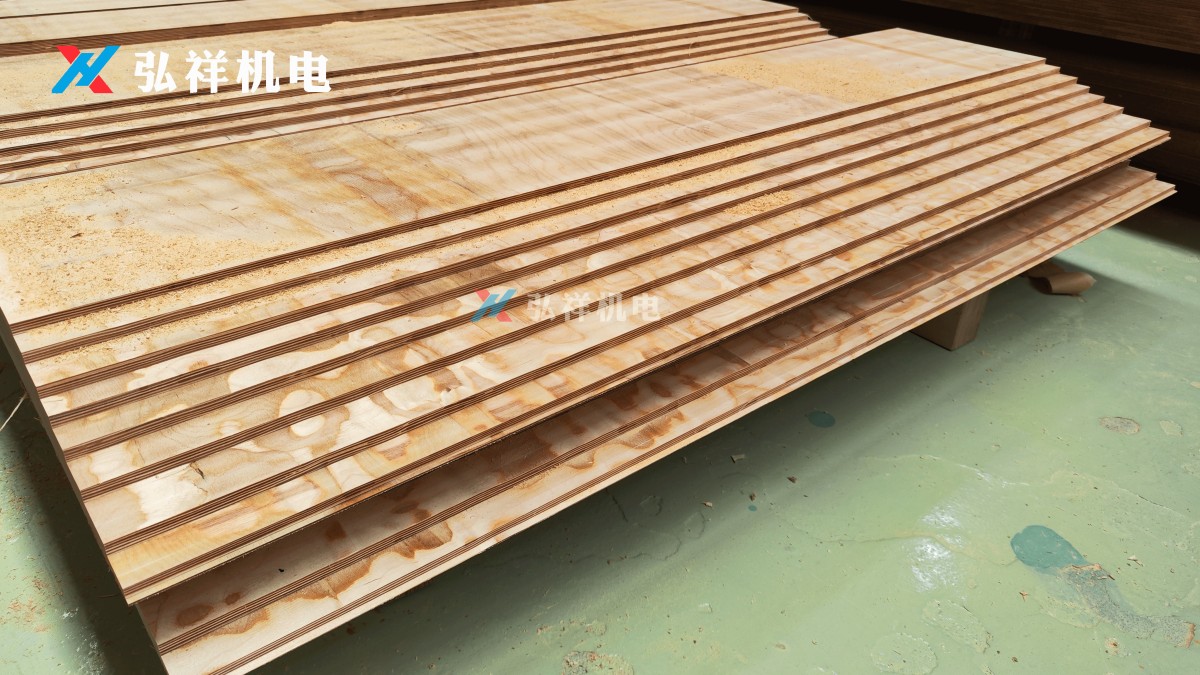
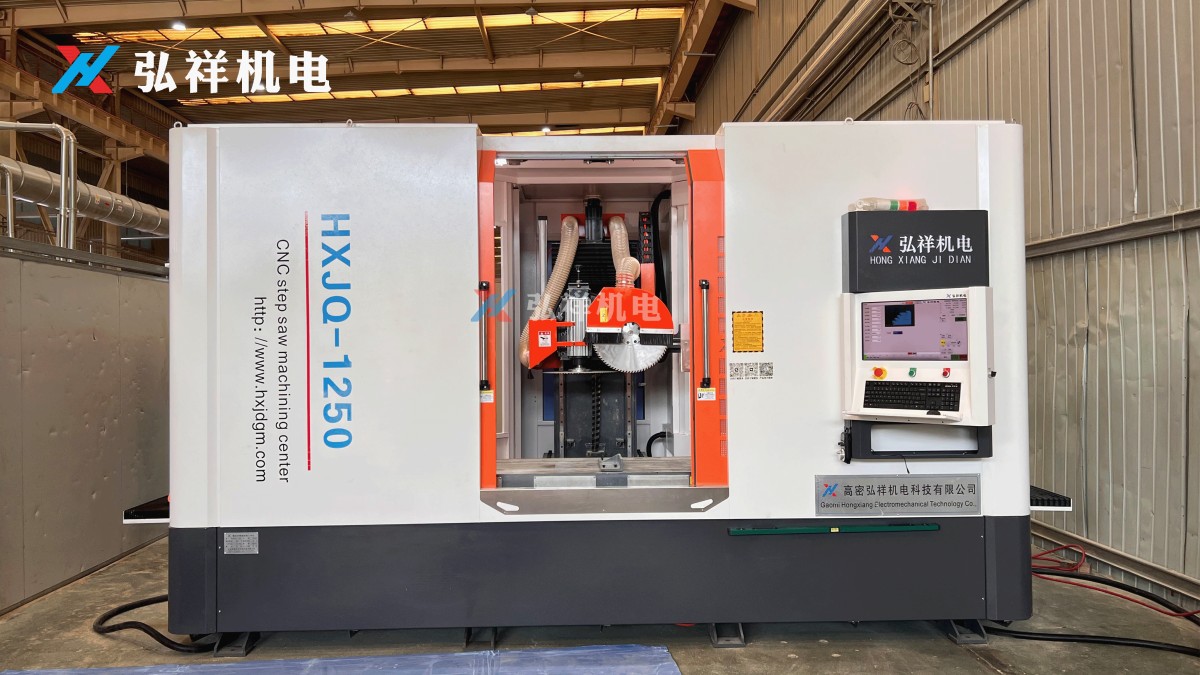
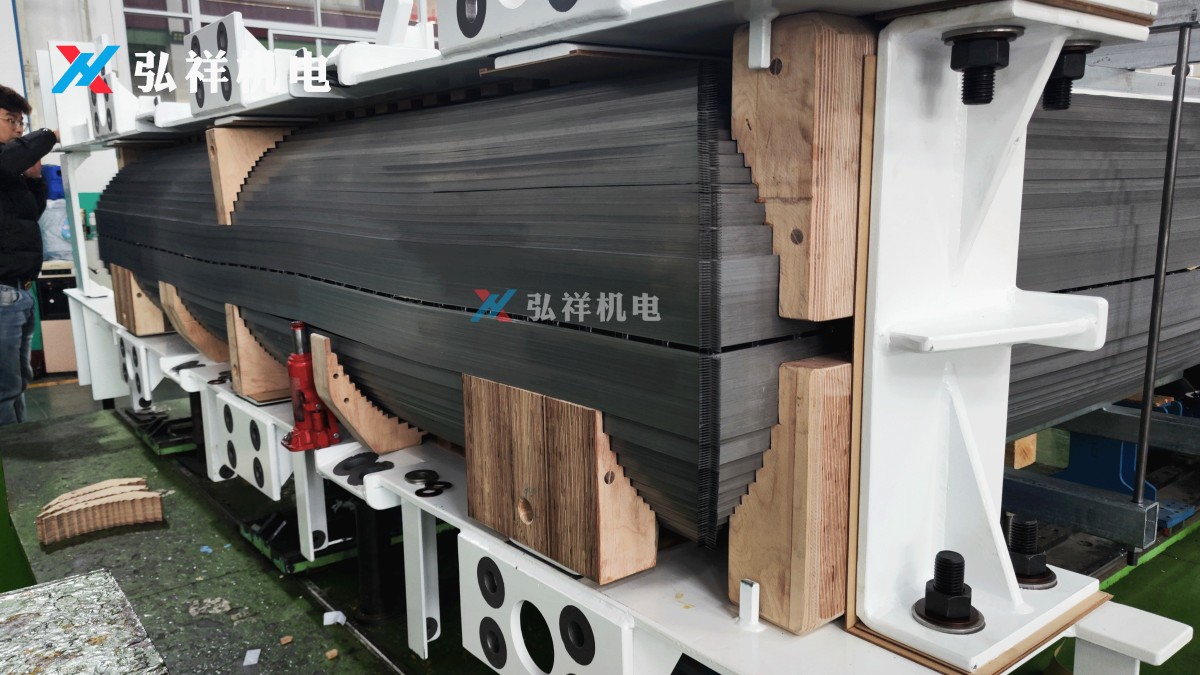
Why a checklist approach works better for after-sales maintenance teams
For after-sales personnel working with Transformer insulation cardboard processing equipment for power transformers, maintenance stops rarely come from one single failure. In most workshops, downtime builds up through small warning signs: rising cutting resistance, unstable feed, dust accumulation near sensors, roller surface wear, temperature drift in electrical cabinets, or delayed replacement of consumable parts. A checklist-based method helps teams identify these signals before they become a 2-hour, 8-hour, or even full-shift interruption.
This is especially important in machine tool equipment used for insulating cardboard, laminated wood, and insulation parts processing, where dimensional consistency and edge quality directly affect downstream transformer assembly. If blade alignment shifts by even a small range such as 0.2 mm to 0.5 mm, the result may not be immediate shutdown, but rework, scrap, and repeated machine adjustment. A maintenance checklist gives service teams a clear sequence: first inspect safety and motion systems, then process quality points, then utility conditions, and finally operator-related variables.
For global users operating in Southeast Asia, South America, India, Pakistan, Russia, and other regions, maintenance conditions can vary because of climate, local power quality, spare part lead times, and operator skill level. A standardized list reduces dependence on individual experience and makes remote support easier. It also supports clearer communication between users and manufacturers such as Gaomi Hongxiang Electromechanical Technology Co., Ltd., which provides assembly, manufacturing, installation, training, and after-sales service for power transformer production equipment.
What should be checked first when downtime risk increases
Before opening a panel or replacing a part, maintenance teams should prioritize the most failure-sensitive points. This short sequence helps reduce misjudgment and saves troubleshooting time, especially when a machine has already stopped or is showing unstable behavior for more than 15 to 30 minutes.
- Confirm whether the problem is mechanical, electrical, pneumatic, hydraulic, or process-related by reviewing alarms, cycle timing, and recent quality changes.
- Check whether the issue appeared suddenly or developed gradually over 3 to 7 production days, because wear-related faults and parameter drift require different actions.
- Review recent interventions such as blade replacement, lubrication changes, sensor cleaning, software parameter edits, or new cardboard material batches.
- Verify whether downtime is linked to one station only or to the full processing line, including feeding, cutting, forming, slotting, pressing, or discharge sections.
Using this approach, after-sales teams can reduce unnecessary part replacement and focus on the actual source of stoppage. In many cases, a 10-minute structured diagnosis prevents hours of repeated trial-and-error adjustments.
Core inspection checklist for reducing maintenance stops
The most effective maintenance strategy for Transformer insulation cardboard processing equipment for power transformers is not simply more maintenance, but better-prioritized maintenance. The following checklist groups inspection items by downtime impact, service frequency, and ease of correction. It is useful for daily patrols, weekly service routines, and planned shutdown windows.
Daily and shift-based inspection points
Shift inspections should focus on issues that can trigger immediate production loss within the next 4 to 12 operating hours. In cardboard processing lines, dust, friction, and inconsistent feed are common early signs of trouble. Service personnel should pay close attention to motion smoothness, abnormal sound, and debris around measuring or guiding components.
- Inspect blade edge condition, pressing surfaces, and cutting residue buildup at the start of every shift.
- Check sensor faces, guide rails, and limit switches for dust or fiber blockage every 8 hours in high-output environments.
- Confirm air pressure stability and verify there is no visible leakage at cylinders, regulators, or fittings.
- Observe feed straightness and roller traction consistency using 3 to 5 test sheets before full-speed production resumes.
- Review alarm history and minor stoppage records, even if the machine has resumed automatically.
Weekly and monthly inspection priorities
Some failures develop slowly and only appear after repeated loads. Weekly checks should target wear trends, while monthly checks should cover alignment, fastening, and utility quality. For many machine tool systems, 20 to 30 minutes of planned weekly inspection can prevent one major stop per month.
The table below can be used as a practical maintenance planning reference for Transformer insulation cardboard processing equipment for power transformers. Actual intervals may vary depending on production volume, cardboard density, humidity conditions, and line speed.
This table shows a simple rule: the highest-risk points are often basic items, not the most expensive components. Routine inspection of blades, sensors, motion parts, and cabinet conditions usually provides better uptime improvement than waiting for a major overhaul cycle.
Another important check is consumable life control. If the plant waits until quality visibly deteriorates, maintenance is already late. Instead, teams should track replacement intervals by running hours, processed sheet quantity, or batch count. Even a simple log updated every shift can reveal patterns and support more predictable service decisions.
How to diagnose stoppages faster without replacing the wrong parts
Fast diagnosis matters because every unnecessary replacement increases cost, extends downtime, and may introduce new setup errors. In Transformer insulation cardboard processing equipment for power transformers, many faults show similar symptoms. For example, irregular feed can come from roller wear, pneumatic pressure fluctuation, guide misalignment, material thickness change, or sensor delay. A structured diagnostic sequence helps separate symptom from cause.
A practical troubleshooting order for service engineers
- Record the exact stop condition: machine state, station location, alarm code, sheet position, speed setting, and whether the stop occurred during startup or continuous production.
- Check the simplest external causes first, including air supply, dust blockage, loose connectors, emergency stop circuit status, and visible mechanical obstruction.
- Run a slow-speed test cycle at 20% to 30% of normal production speed to observe timing mismatch or motion hesitation.
- Compare actual movement, cut line, or feed length with standard settings to identify whether the fault is process drift or control failure.
- Replace parts only after confirming the failed component through repeatable evidence such as unstable signal, overheating, excessive wear, or abnormal backlash.
This method is especially useful when the service team supports multiple types of machine tool equipment, such as insulation cardboard cutting units, laminated wood processing machines, and molded insulation part stations. While machine structures differ, the logic remains the same: confirm the symptom, isolate the subsystem, test at reduced speed, and only then decide on adjustment or replacement.
Common fault patterns and likely causes
The following table helps after-sales teams narrow down root causes more quickly. It is not a substitute for machine-specific manuals, but it is a useful field reference when response time is critical.
The value of this table lies in shortening response time. Instead of treating every stop as a complex breakdown, the team can identify the top 2 or 3 likely causes first. In many service calls, that alone can cut fault isolation time by 30% to 50%.
It is also good practice to store fault photos, alarm screenshots, and replaced-part records by machine serial reference and date. Over a 6-month to 12-month period, these records often show repeated weak points that can be addressed through preventive upgrades, spare stocking plans, or revised training.
Scenario-based checks that are often overlooked
Even well-maintained equipment can stop more often when the operating environment changes. For Transformer insulation cardboard processing equipment for power transformers, maintenance performance is influenced not only by the machine itself, but also by material variation, local climate, utility conditions, and line coordination. These are common blind spots during after-sales service.
Material and process variation
Insulating cardboard from different batches may vary in density, moisture response, stiffness, and surface friction. When this changes, feed settings, pressing force, and cutting resistance may no longer match the current process window. Maintenance teams should not assume the machine is at fault immediately. A useful first check is whether the stoppage began after a new material lot, thickness range, or product specification was introduced.
For example, if sheet thickness shifts from a lower range to a heavier range, blade load and feed traction may rise enough to trigger unstable behavior at original line speed. In these cases, reducing speed by 10% to 15%, confirming pressure balance, and recalibrating feed references can restore stability before deeper mechanical intervention is required.
Environmental and utility conditions
High humidity, seasonal dust, and electrical cabinet heat buildup all increase stop risk. In some regions, summer workshop temperatures can exceed comfortable equipment conditions, while compressed air quality may decline because of moisture carryover. These factors affect sensors, pneumatic components, and electrical reliability. A basic environmental check every week is often enough to catch these issues early.
- Verify cabinet ventilation and clean filters more frequently during hot months or dusty production periods.
- Inspect compressed air dryness and drainage points if cylinders respond slowly or positioning becomes inconsistent.
- Check for fiber dust migration into cable tracks, photoelectric areas, and rotating joints in high-throughput operation.
Human factors and handover quality
Many recurring stops are linked to incomplete handover, missing maintenance records, or inconsistent operator practices. If the machine is adjusted differently by each shift, after-sales teams spend more time solving repeated symptoms instead of improving root performance. A simple handover sheet with 5 to 8 fixed items can significantly improve continuity.
Key handover points should include current product type, recent alarms, parts replaced, lubrication completed, abnormal sound observed, and whether temporary parameter changes were made. This becomes even more important when technical support is provided remotely across countries and time zones.
Execution plan: how to cut maintenance stops over the next 30 to 90 days
If a plant wants measurable improvement, the best approach is to move from reactive service to a staged execution plan. For Transformer insulation cardboard processing equipment for power transformers, a realistic target is to first reduce repeat minor stops, then improve fault response speed, and finally optimize preventive maintenance intervals. This does not require a full system rebuild; it requires discipline, records, and support from the equipment supplier.
30-day stabilization checklist
- Create a fault log that records stop time, machine station, product type, alarm condition, and corrective action for every event.
- Standardize daily cleaning and visual inspection points for blades, rollers, sensors, guide rails, and cabinets.
- Review the top 5 most frequent stoppages and identify whether they are repeatable by station, material, or shift.
- Set minimum spare stock for fast-wear or high-failure items that normally cause more than 1 hour of lost time when unavailable.
60-day improvement checklist
After basic stabilization, the next step is to turn records into action. At this point, service engineers should compare stop frequency before and after routine changes, optimize maintenance intervals, and identify any design or training gap that keeps returning.
- Build a preventive maintenance map by subsystem: cutting, feed, drive, electrical, pneumatic, and discharge.
- Define trigger thresholds, such as alarm repetition within 7 days, quality deviation after one blade cycle, or abnormal temperature rise during one shift.
- Arrange refresher training for local operators and maintenance personnel on adjustment boundaries and basic diagnosis steps.
90-day optimization goals
Within 90 days, the objective should be more than fewer stops. The plant should gain a repeatable service system. That means clearer spare planning, faster troubleshooting, fewer unnecessary replacements, and better coordination with the original equipment supplier on upgrades, parameter confirmation, or machine adaptation for new insulating products.
For companies processing insulation cardboard, laminated wood, or molded insulation parts for transformer manufacturing, this structured improvement path supports both machine reliability and product consistency. It also creates better conditions for future expansion, whether that means capacity increase, new product dimensions, or integration with more intelligent special machines.
Why choose us for support on transformer cardboard processing equipment
Gaomi Hongxiang Electromechanical Technology Co., Ltd. serves global customers with assembly and manufacturing services for power transformers, along with processing and manufacturing solutions for electrical insulating cardboard, insulating laminated wood, and insulation parts. The company also provides EVA molding processing product series and supports the manufacturing of special machines for artificial intelligence. For after-sales maintenance teams, this broader process understanding matters because service quality improves when the supplier understands both the equipment and the material application behind it.
If you are working with Transformer insulation cardboard processing equipment for power transformers and want to reduce maintenance stops, you can contact us to discuss practical topics such as parameter confirmation, spare part planning, product selection, maintenance interval optimization, delivery cycle expectations, custom machine adaptation, sample-related process matching, and quotation communication. These discussions are especially useful when your downtime is linked to material change, repeated station faults, or unclear process settings.
Please reach out with your current machine type, processed material range, major stop symptoms, and target production requirement. With that information, it becomes much easier to evaluate suitable service actions, support scope, and whether a standard or customized solution is more appropriate for your plant.
NAVIGATION
MESSAGE
Request A Quote?