0000-00
Why do insulating cardboard properties affect transformer performance so much?
In transformer production, material quality is never a minor detail. Insulating cardboard properties shape electrical insulation, heat control, and mechanical stability at the same time.
That matters even more in workshops where cutting, forming, stacking, and assembly depend on machine accuracy. If the board reacts poorly during processing, performance problems often begin before the transformer is energized.
A common misunderstanding is to treat insulating cardboard as a simple separator. In practice, it works as a structural and dielectric component inside oil-immersed transformers and related equipment.
When operators review insulating cardboard properties, they usually focus on four questions: can it resist voltage, stay dry, keep shape, and survive long service cycles. Those points directly influence manufacturing consistency.
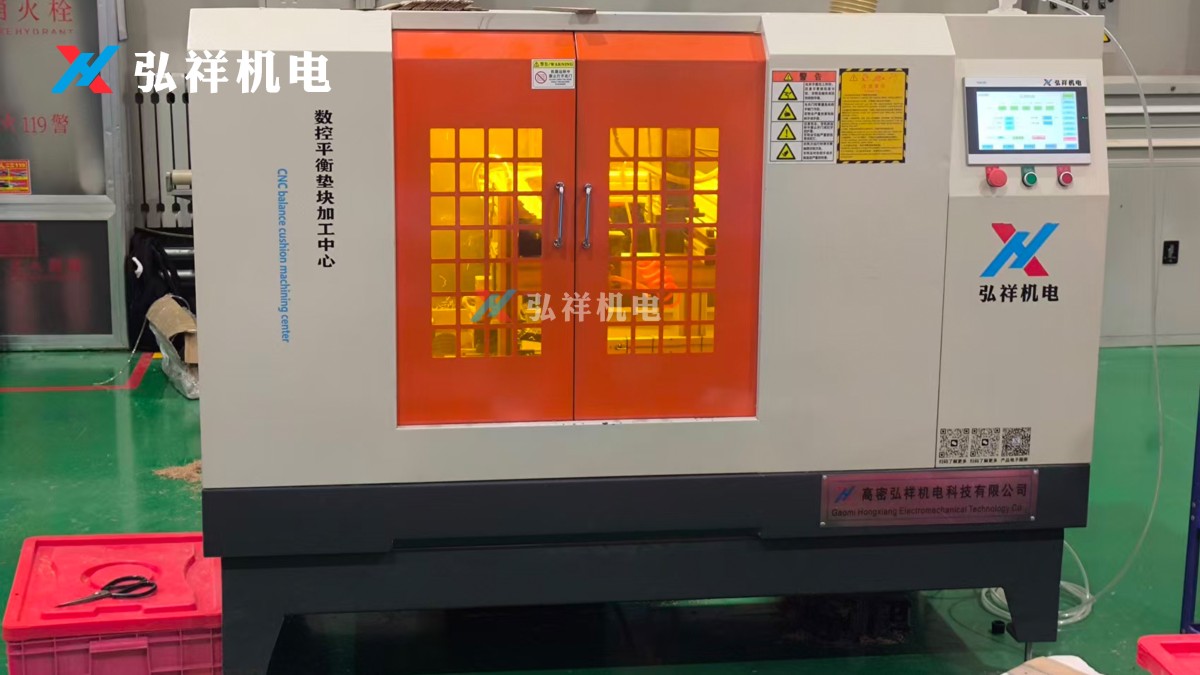
For companies involved in transformer assembly and insulating component processing, such as Gaomi Hongxiang Electromechanical Technology Co., Ltd., these properties also affect machining efficiency, rework rates, and final reliability across different export markets.
Which insulating cardboard properties deserve the closest attention?
Not every parameter carries the same weight in daily use. Some values look impressive on paper, but the most important insulating cardboard properties are the ones that remain stable after cutting, drying, pressing, and assembly.
Dielectric strength is the first checkpoint
Dielectric strength shows how well the material withstands electrical stress without breakdown. In transformer insulation systems, weak dielectric behavior can lead to partial discharge, local overheating, and early failure.
A higher value alone is not enough. The more useful question is whether the value stays consistent after machining and oil impregnation.
Density affects both insulation and processing
Density influences compression resistance, dimensional behavior, and oil absorption. If density varies too much between batches, slotting and pressing machines may produce uneven results.
In real production, stable density often matters more than simply choosing the highest density grade. Uniformity supports repeatable machine settings and cleaner part fit.
Moisture resistance protects long-term reliability
Moisture is one of the most damaging influences on insulating cardboard properties. Once moisture content rises, dielectric strength usually drops, and thermal aging becomes faster.
This is why storage, drying, and packaging conditions deserve nearly as much attention as the raw board itself.
Machining accuracy should not be treated as a secondary issue
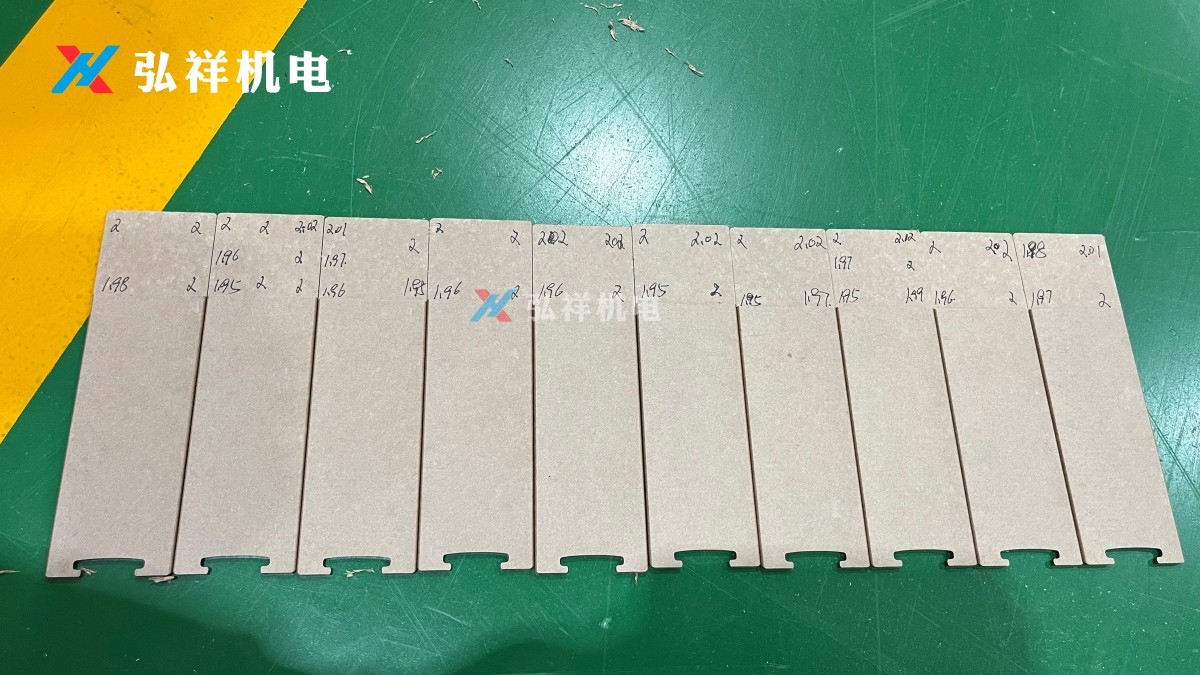
Even strong material can fail in application if tolerances are poor. Burrs, thickness deviation, and inaccurate hole positions change electric field distribution and assembly pressure.
That is where machine capability connects directly with insulating cardboard properties. Material and equipment have to work together, not separately.
How do these properties show up during machining and assembly?
Many search for insulating cardboard properties from a material angle only. A more practical view is to observe what happens on the shop floor.
During slitting and punching, unstable fiber structure may cause edge cracking. During hot pressing, poor density control can produce uneven compression. During final assembly, thickness deviation may disturb insulation spacing.
These are not isolated defects. They often appear as a chain reaction:
- Material absorbs excess moisture during storage.
- Drying time becomes longer and less predictable.
- Machining edges become rougher after processing.
- Assembly fit becomes tighter or looser than expected.
- Electrical reliability drops under load and heat.
In workshops producing transformer parts, laminated wood components, and customized insulating pieces, the more reliable approach is to evaluate processing behavior together with test data. That gives a more complete view of insulating cardboard properties.
What is a practical way to judge insulating cardboard properties before use?
A datasheet is useful, but it rarely tells the whole story. A practical review usually combines lab values, visual checks, and trial processing results.
The table below summarizes what to look at and why it matters in actual transformer work.
If one value looks good but processing results stay unstable, the better decision is to investigate the full set of insulating cardboard properties instead of adjusting machine settings again and again.
Are there common mistakes when selecting insulating cardboard?
Yes, and most are surprisingly ordinary. Problems often begin with assumptions that seem harmless during planning.
Mistake one: choosing by price alone
Lower initial cost can lead to higher drying losses, more machining waste, and more unstable finished parts. The real cost appears later in rework and field risk.
Mistake two: ignoring local climate and storage
Insulating cardboard properties can change noticeably in humid environments. Material that performs well in one region may need tighter storage control in another.
This matters for operations serving multiple markets, especially where shipping and warehouse conditions vary.
Mistake three: separating material choice from equipment capability
Some boards require more precise cutting force, cleaner tooling, or better drying control. If special machines are part of the production line, material behavior should be verified with those machines early.
Mistake four: checking only incoming material, not finished parts
The final part is what enters the transformer. Dimensional stability after processing is just as important as the original sheet data.
How can you compare options without overcomplicating the decision?
The easiest method is to compare insulating cardboard properties against the real operating and processing conditions, not against an ideal lab scenario.
A short review list often works better than a long technical report:
- Check voltage level and thermal load requirements.
- Confirm whether oil immersion is part of the design.
- Match thickness and density to the intended machining route.
- Review storage, drying, and transport conditions.
- Run a small batch trial before full release.
In many cases, the best option is not the most extreme material. It is the one with balanced insulating cardboard properties and dependable processing behavior over repeated cycles.
That is also why integrated service matters. When material processing, transformer part manufacturing, installation support, and after-sales knowledge are connected, it becomes easier to solve performance issues before they become failures.
What should be your next step if performance consistency is the goal?
Start by treating insulating cardboard properties as a working system rather than a single specification. Electrical strength, moisture behavior, density, and machining precision should be reviewed together.
Then map those properties to actual processing steps. If cutting, pressing, drying, or assembly keeps creating variation, the material assessment may need to go deeper.
A practical next move is to build a simple acceptance standard for incoming sheets and finished insulating parts. Include dielectric data, thickness tolerance, moisture condition, and trial machining feedback.
For transformer work, stable performance rarely comes from one improvement alone. It usually comes from the right combination of insulating cardboard properties, suitable equipment, and disciplined processing control.
If a project involves new transformer designs, export requirements, or special machine integration, comparing materials under realistic shop conditions is the most reliable way to reduce risk and improve long-term results.
NAVIGATION
MESSAGE
Request A Quote?