0000-00
Selecting insulating cardboard for generator systems is rarely a minor material decision. It affects dielectric reliability, thermal endurance, dimensional stability, and service life across rotating equipment, control assemblies, and related machine tool environments.
In practice, failures often begin with small mismatches between material properties and operating stress. A board that performs well on paper may still deform, absorb moisture, or lose insulating strength under vibration, heat, and oil exposure.
That is why insulating cardboard for generator applications is evaluated not only by specification sheets, but also by processing behavior, fit with insulation structures, and consistency in production. For companies building or servicing industrial electrical systems, those details matter.
Why this material matters in generator-related equipment
Generator insulation systems operate under combined electrical, thermal, and mechanical stress. Cardboard insulation may serve as slot insulation, spacers, barriers, end support elements, or structural separators inside assemblies.
In machine tool equipment and industrial power systems, operating conditions are rarely gentle. Frequent start-stop cycles, ambient dust, temperature rise, and long service intervals can expose weak insulation choices quickly.
Insulating cardboard for generator use is therefore part of a broader reliability chain. It supports winding integrity, reduces short-circuit risk, and helps maintain stable electrical separation where space is limited.
This is especially relevant in sectors where generators interface with transformer assemblies, automation equipment, and special machines. Material selection has to reflect both electrical design and manufacturing reality.
A practical understanding of insulating cardboard for generator designs
Insulating cardboard is a cellulose-based electrical insulation material engineered for strength, dielectric performance, and processability. It is commonly used where rigid support and electrical isolation are required together.
For generator applications, the material is not selected by thickness alone. Density, compression response, edge quality after cutting, and compatibility with varnish or oil can influence long-term behavior.
Some applications require flat barriers with precise punching. Others need shaped parts that must hold geometry after assembly pressure. In both cases, insulating cardboard for generator structures must remain predictable through production and operation.
The material often works alongside insulating laminated wood, formed insulation parts, and other dielectric components. That makes interface performance just as important as the board’s standalone specification.
Properties that deserve close attention
Dielectric strength and insulation stability
Electrical breakdown resistance is a baseline requirement, but stability over time matters more. The material should retain insulating performance after thermal aging, pressure loading, and routine environmental exposure.
Surface cleanliness and internal uniformity are also important. Variations in fiber structure can create weak points, especially in compact generator insulation systems with limited tolerance for discharge or tracking.
Density and mechanical integrity
Higher density can improve compression strength and dimensional stability, but excessive stiffness may complicate forming or assembly. The right balance depends on whether the part is structural, separating, or cushioning.
For insulating cardboard for generator installations, compression recovery and resistance to cracking at cut edges often deserve more attention than nominal thickness.
Heat resistance and aging behavior
Generators experience internal hot spots, particularly near windings and core-adjacent structures. If the board loses strength or becomes brittle with heat, the insulation system gradually becomes less reliable.
Thermal class alignment should be checked against actual operating temperature, not just ideal design conditions. Margin matters where maintenance cycles are long or load variation is high.
Moisture response and chemical compatibility
Cellulose-based insulation is sensitive to moisture management. Absorption can affect dielectric properties, dimensional accuracy, and aging speed, especially during storage, assembly, or field operation.
Where oil immersion, resin treatment, or varnish impregnation is part of the process, compatibility must be confirmed early. An otherwise suitable insulating cardboard for generator use may underperform if process media alter its structure.
Machining and forming performance
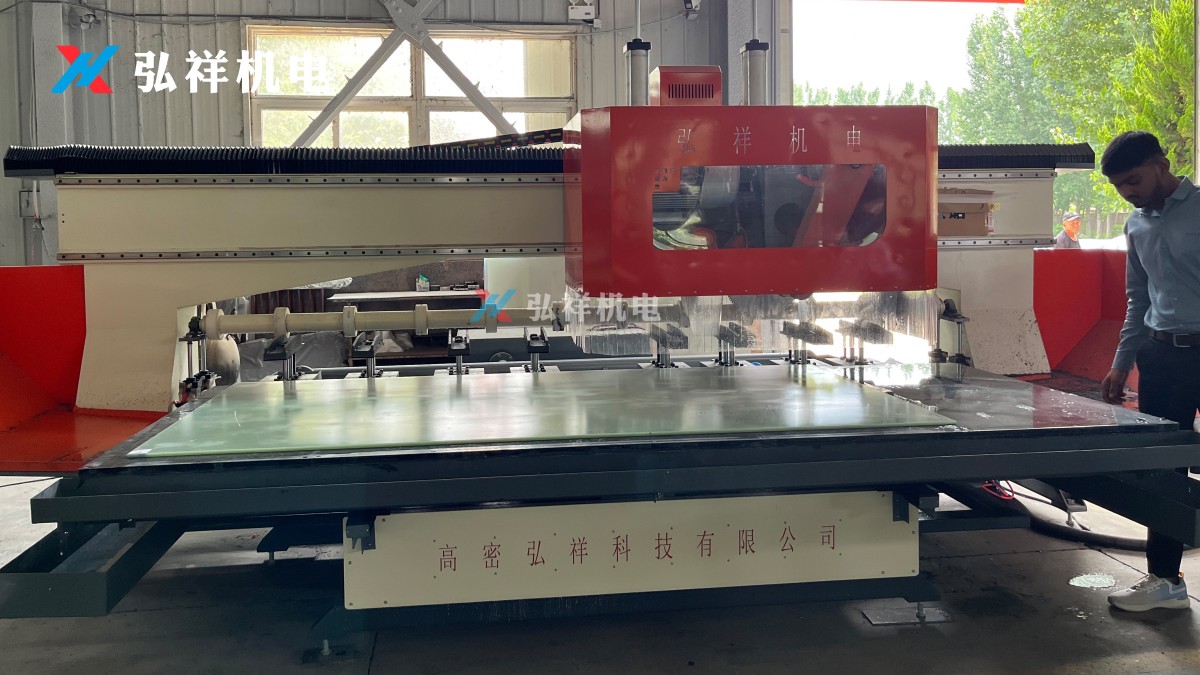
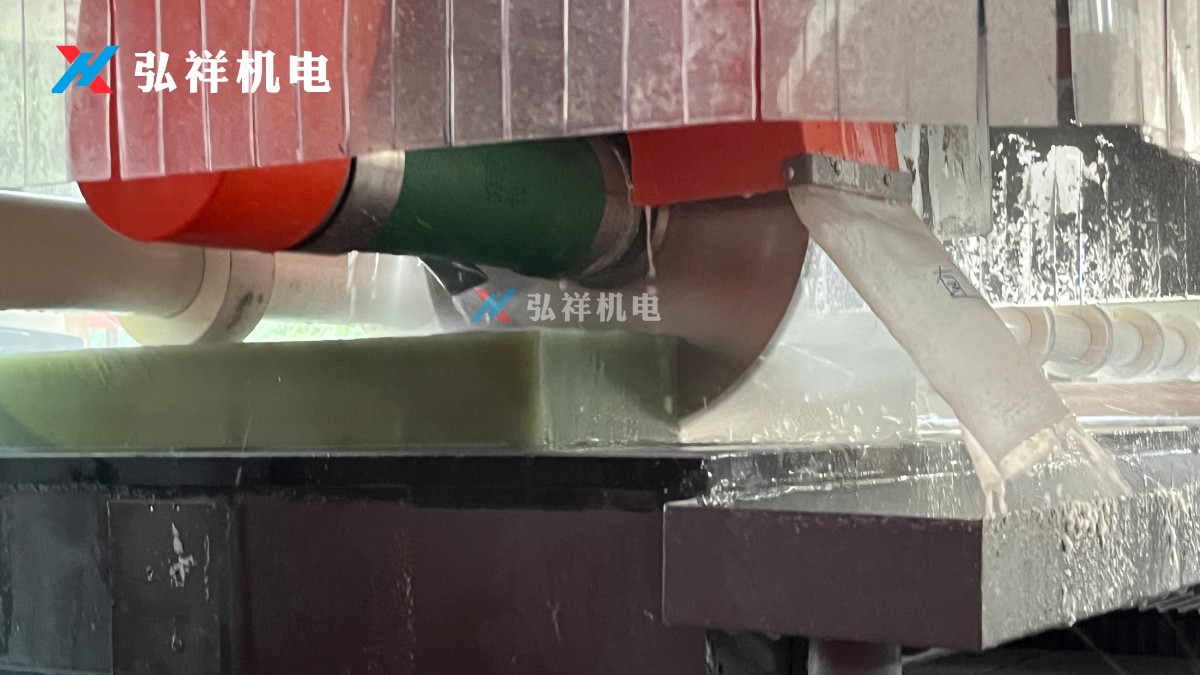
In production, insulation quality is affected by cutting, punching, slotting, and shaping. Clean machining reduces burrs, delamination, and installation variation.
This matters in machine tool-related manufacturing because part consistency supports repeatable assembly. Stable machining behavior can lower scrap, shorten fitting time, and reduce hidden defects inside closed equipment.
Where selection becomes more demanding
Not every generator uses insulation materials in the same way. Compact designs, export equipment, and integrated industrial systems place different demands on cardboard insulation.
These differences explain why insulating cardboard for generator programs should be reviewed in the context of the whole assembly, not as a stand-alone purchase item.
How manufacturing capability affects material suitability
Material quality is only one side of the decision. The supplier’s ability to process, inspect, and convert insulation materials into usable parts often determines actual field performance.
Gaomi Hongxiang Electromechanical Technology Co., Ltd. works across transformer assembly, electrical insulating cardboard, insulating laminated wood, insulating parts, and EVA molding processing. That broader manufacturing background is relevant here.
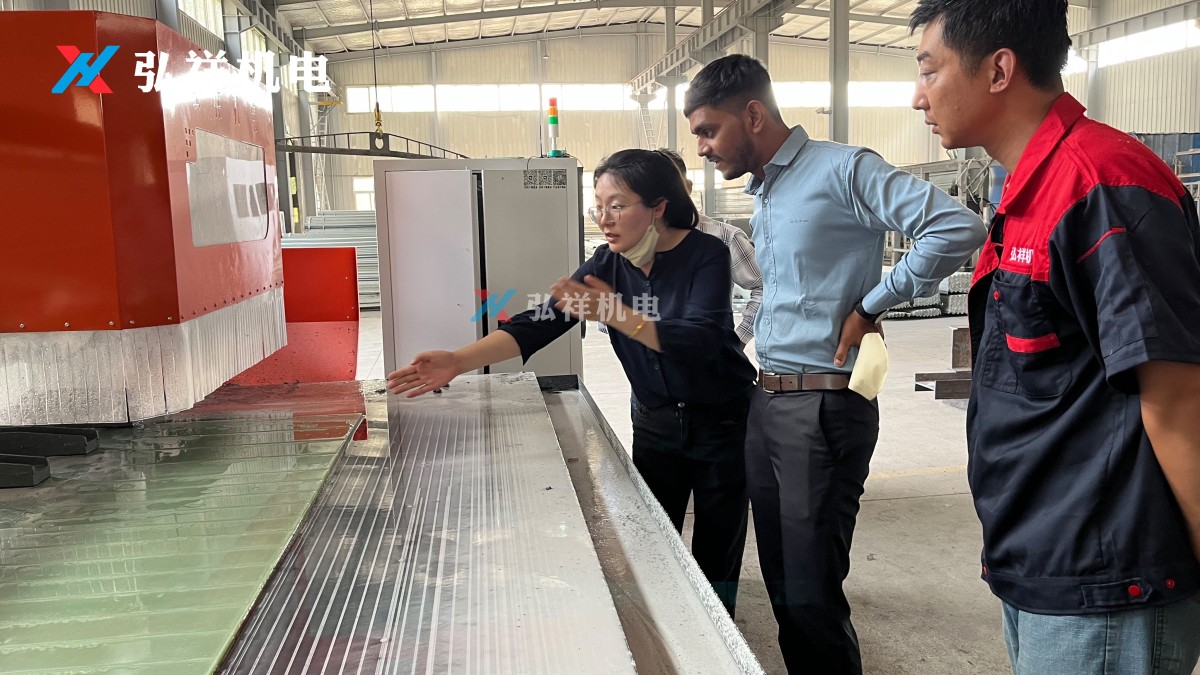
When a supplier understands both insulation materials and electromechanical assembly, it becomes easier to evaluate edge quality, forming limits, dimensional repeatability, and fit within complex equipment. Those are practical concerns, not marketing details.
The company’s integration of R&D, production, installation, training, and after-sales support also points to a useful selection principle. Material choice should be checked against downstream handling, not only upstream certification.
For projects serving multiple export markets, process stability matters even more. Environmental variation across Southeast Asia, South America, India, Pakistan, and Russia can expose weaknesses in packaging, moisture control, or dimensional consistency.
A workable selection framework
A useful evaluation process begins with the application, not the catalog. Start by identifying where the insulating cardboard for generator design sits, what load it carries, and what it must resist over time.
- Define the electrical role: barrier, separator, spacer, or structural support.
- Check operating temperature, overload range, and expected service interval.
- Review moisture exposure during storage, assembly, shipment, and operation.
- Confirm machining needs such as punching, slotting, bending, or laminated assembly.
- Verify compatibility with oils, varnishes, adhesives, and adjacent insulation materials.
- Compare sample consistency, not just nominal property values.
Sample testing should reflect actual use conditions wherever possible. Compression tests, thermal aging checks, and dielectric verification after processing usually reveal more than a basic datasheet review.
Common mistakes in evaluation
One common mistake is choosing material only by price and thickness. That approach overlooks density variation, processing loss, and lifecycle cost caused by premature insulation failure.
Another mistake is separating material review from manufacturing review. Insulating cardboard for generator parts may pass laboratory checks, yet still perform poorly if cutting quality, storage control, or assembly pressure are inconsistent.
It is also easy to underestimate logistics exposure. Packaging, humidity control, and storage discipline become part of material performance when products move across regions and climates.
What to review before moving forward
A sound next step is to build a short comparison matrix for each insulating cardboard for generator option under consideration. Include electrical properties, thermal behavior, machining response, dimensional tolerance, and process compatibility.
Then compare those findings against the actual generator structure, surrounding insulation system, and expected service environment. The best choice is usually the one that remains stable across design, production, shipment, and operation.
Where the application is more complex, it is worth reviewing formed parts, laminated wood supports, and related insulation components together. That broader view reduces the risk of solving one material issue while creating another inside the assembly.
In other words, insulating cardboard for generator performance should be judged as part of a working system. The more clearly the operating stresses and processing demands are defined, the easier it becomes to choose a material that will hold up in service.
NAVIGATION
MESSAGE
Request A Quote?