0000-00
Integrating insulating parts processing equipment into existing transformer production lines demands careful planning—especially when deploying transformer insulation cardboard processing equipment for power transformers, automated transformer electrical layer-pressed wood processing equipment, or laminated wood processing equipment. As a leading transformer electrical layer-pressed wood processing equipment manufacturer in China, Gaomi Hongxiang Electromechanical Technology ensures high precision, cost-effective, and AI-ready solutions compatible with diverse production environments. This guide delivers actionable integration tips to help technical evaluators, procurement teams, and project managers streamline adoption—without compromising safety, quality, or line efficiency.
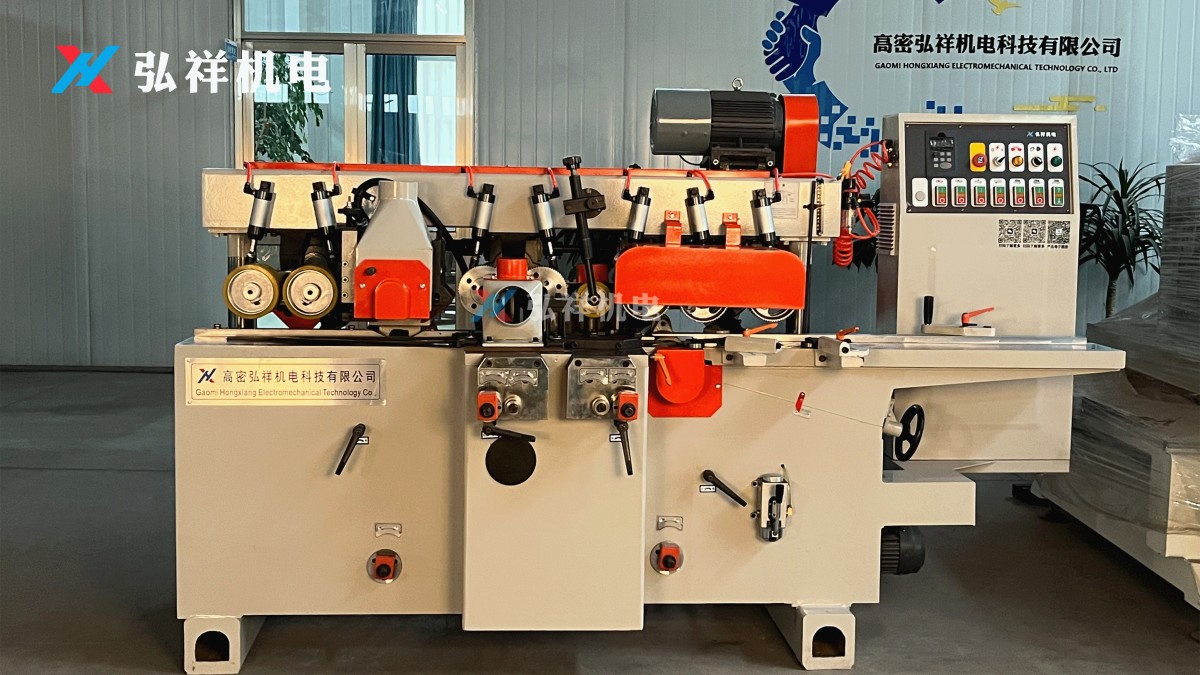
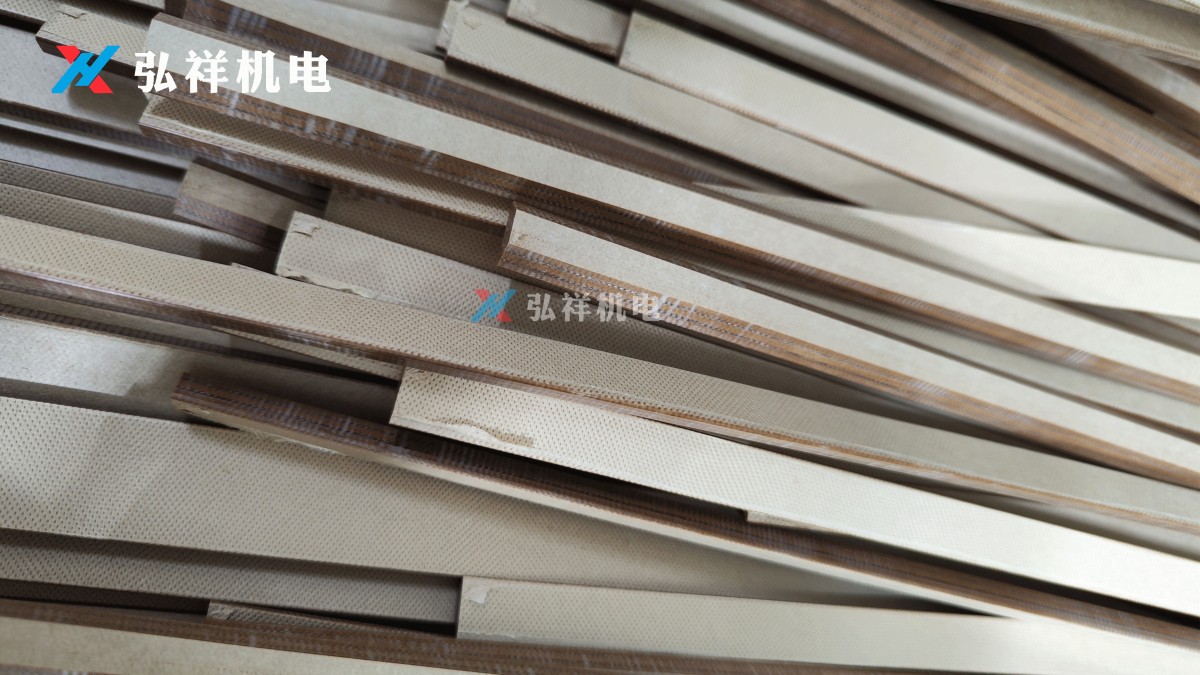
Why Compatibility Matters in Transformer Insulation Manufacturing
Transformer insulation systems must withstand extreme thermal, electrical, and mechanical stresses over decades of operation. Inconsistent dimensional accuracy, material warping, or misaligned stacking during insulating parts processing can trigger partial discharge, accelerated aging, or catastrophic failure. That’s why integrating transformer insulation cardboard processing equipment or transformer electrical layer-pressed wood processing equipment isn’t just about bolt-on installation—it’s about signal synchronization, mechanical harmonization, and data interoperability across legacy PLCs, MES layers, and new AI-driven control modules.
For technical evaluators and project managers, compatibility gaps often emerge in three critical zones: physical footprint (e.g., conveyor height mismatch), communication protocols (Modbus RTU vs. EtherCAT), and process logic handoff (e.g., how the laminated wood processing equipment signals “ready for pressing” to downstream lamination stations). Ignoring these early risks costly retrofits, unplanned downtime, and non-conformance to IEC 60273 or IEEE C57.12.00 standards.
Key Integration Checkpoints: A Technical Procurement Guide
Before placing an order for transformer insulation cardboard processing equipment or automated transformer electrical layer-pressed wood processing equipment, cross-functional stakeholders should jointly validate the following checkpoints:
- Mechanical Interface Audit: Confirm mounting flange dimensions, base plate tolerance (±0.1 mm), and weight distribution against your existing floor grid and crane capacity.
- Electrical & Control Alignment: Verify voltage compatibility (380 V ±10%, 50/60 Hz), grounding topology, and whether the equipment supports OPC UA or MQTT for IIoT integration.
- Material Flow Synchronization: Ensure feed-in/out conveyor speeds match upstream winding machines and downstream vacuum impregnation units—within ±3 rpm tolerance.
- Safety & Compliance Handshake: Validate interlock signaling (e.g., light curtain stop signals) meets ISO 13857 and local occupational safety regulations.
Performance Comparison: High-Precision vs. Cost-Effective Laminated Wood Processing Equipment
Choosing between high precision transformer insulation cardboard processing equipment and cost-effective transformer electrical layer-pressed wood processing equipment requires balancing ROI, yield rate, and long-term maintenance burden. Below is a side-by-side comparison based on real-world deployment data from 12 transformer OEMs across India, Brazil, and Vietnam:
Real-World Integration: Case Study from a Tier-1 Indian Transformer OEM
A major Indian manufacturer producing 220 kV class power transformers faced recurring delamination defects in layer-pressed wood spacers. Their legacy laminated wood processing equipment lacked real-time moisture feedback and CNC-controlled pressure ramping. Gaomi Hongxiang deployed a customized automated transformer electrical layer-pressed wood processing equipment system featuring integrated IR moisture sensors, closed-loop hydraulic pressure control, and Modbus TCP bridging to their Siemens S7-1500 PLC network.
Within 8 weeks, scrap rate dropped from 6.2% to 0.9%, and average cycle time improved by 17%. Crucially, no line stoppage occurred during commissioning—the new equipment was staged offline, calibrated using sample batches, then hot-swapped during scheduled weekend maintenance. Post-deployment, our team delivered on-site operator training and remote predictive maintenance via cloud-based vibration analytics—addressing needs of users, safety managers, and after-sales personnel simultaneously.
Why Choose Gaomi Hongxiang Electromechanical Technology?
As a full-spectrum transformer electrical layer-pressed wood processing equipment manufacturer in China, we don’t just sell machines—we deliver production continuity. Our R&D engineers co-develop integration roadmaps with your automation team. Our factory-built test benches replicate your exact line speed, voltage profile, and material stack-up before shipment. And our global service network—spanning Jakarta, São Paulo, Lahore, and Moscow—ensures spare parts dispatch within 72 hours and certified technician deployment within 5 business days.
Whether you need transformer insulation cardboard processing equipment with AI-enabled defect classification, or cost-effective laminated wood processing equipment validated for tropical humidity conditions, we engineer for your reality—not a catalog spec. Contact our integration specialists today for a free line compatibility assessment and customized ROI simulation.
NAVIGATION
MESSAGE
Request A Quote?