0000-00
For after-sales maintenance teams, keeping Laminated wood processing equipment for transformer insulation running smoothly is essential to reducing downtime and service costs. But is this equipment easy to maintain in daily operation? With the right machine design, clear maintenance points, and reliable technical support, routine servicing can become more efficient, predictable, and less labor-intensive.
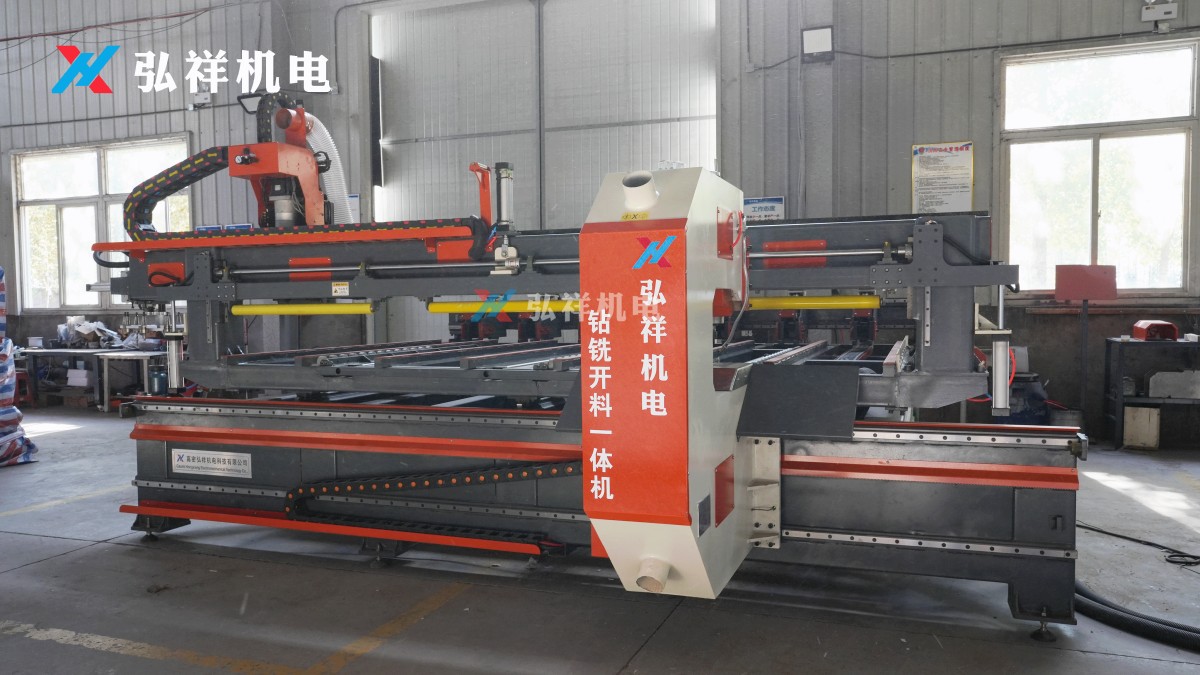
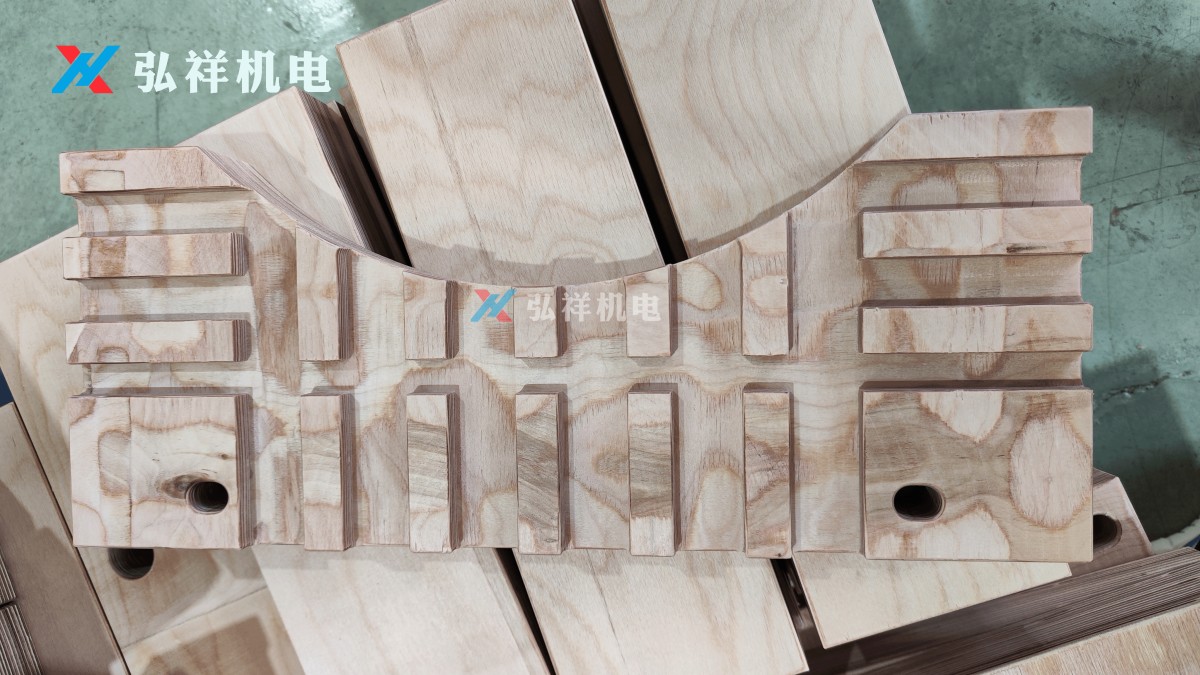
What determines whether laminated wood processing equipment is easy to maintain?
For maintenance personnel, ease of service is not a vague promise. It depends on the structure, component accessibility, control logic, spare part standardization, and the supplier’s response capability. In the field of machine tools, these factors directly affect mean time to repair and daily workload.
Laminated wood processing equipment for transformer insulation usually handles cutting, milling, drilling, shaping, slotting, and finishing of insulating laminated wood and related insulating parts. Because these materials are used in transformer manufacturing, dimensional stability, clean processing, and consistent repeatability matter as much as machine uptime.
Core maintenance-friendly design features
- Open and logical machine layout, so technicians can reach motors, guide rails, belts, lubrication points, sensors, and dust collection connections without long disassembly steps.
- Modular electrical control design, which shortens troubleshooting time when a drive, relay, terminal, or PLC-related signal fault occurs.
- Standardized consumables and spare parts, making replacement easier across different projects and reducing inventory pressure for after-sales teams.
- Clear maintenance labels, service manuals, and training support, helping teams build repeatable inspection routines instead of depending only on individual experience.
If these points are well addressed, Laminated wood processing equipment for transformer insulation is generally manageable to maintain. If not, even a machine with acceptable production capability can become expensive to service over time.
Why do after-sales teams often find some machines harder to service?
The biggest maintenance challenge is rarely a single major failure. More often, the problem comes from frequent small interruptions: dust accumulation, unstable feeding, cutter wear, loose transmission parts, sensor contamination, or missed lubrication. These issues consume labor because they repeat.
In transformer insulation processing, laminated wood dust and fine chips can affect moving parts, electrical cabinets, and extraction pipelines. If the machine is not designed with proper sealing, chip evacuation, and service access, routine care becomes slow and reactive.
Typical pain points in the field
- Maintenance points are hidden behind guards or crowded assemblies, so basic checks take too long.
- Electrical fault information is too limited, forcing technicians to inspect one component at a time.
- Non-standard spare parts increase lead time and keep machines idle while parts are being sourced.
- Lack of structured training causes teams to mix preventive maintenance with emergency repair, which raises service cost.
This is why machine selection should not focus only on purchase price or production speed. For after-sales maintenance teams, maintainability is a life-cycle issue.
Which machine areas should be checked first in Laminated wood processing equipment for transformer insulation?
A practical service strategy starts with the components most exposed to wear, dust, load fluctuation, and operator handling. The table below helps maintenance teams prioritize routine checks on Laminated wood processing equipment for transformer insulation.
This breakdown shows that maintainability is closely linked to design transparency. When service points are clearly arranged, maintenance becomes a scheduled task instead of an emergency response.
Is maintenance easier on specialized equipment than on general-purpose machine tools?
In many cases, yes. A machine designed specifically for transformer insulation materials usually has process paths, chip handling, fixture logic, and component selection adapted to laminated wood characteristics. That reduces abnormal wear and process-related faults.
General-purpose equipment can still process laminated wood, but after-sales teams may face more frequent adjustments in tooling, dust extraction, clamping, or software parameters. That means higher service complexity over time.
Comparison of maintenance burden
The following comparison helps explain why specialized Laminated wood processing equipment for transformer insulation often provides better long-term service efficiency.
For service teams working under delivery pressure, a specialized solution can reduce repeat visits, simplify operator guidance, and improve spare-part predictability.
What should maintenance teams ask before equipment purchase?
After-sales staff should be involved before procurement is finalized. Their input often reveals whether a machine will be easy to support during the next five to ten years of operation.
Pre-purchase checklist for maintainability
- Are lubrication points centralized or scattered across the frame?
- Can key wear components be replaced without removing major assemblies?
- Does the control system provide useful alarm history and signal diagnosis?
- Are electrical drawings, maintenance manuals, and spare-part lists supplied in a practical format?
- What is the recommended preventive maintenance cycle for laminated wood dust conditions?
- Can the supplier support training, remote troubleshooting, and parts coordination for export markets?
For companies serving transformer manufacturers in multiple regions, support capability matters as much as machine structure. A good machine with weak documentation can still become difficult to maintain in the field.
How can a supplier reduce service pressure after installation?
Maintenance ease improves significantly when the supplier does more than ship equipment. Gaomi Hongxiang Electromechanical Technology Co., Ltd. combines R&D, design, production, sales, installation, training, and after-sales service. For maintenance teams, this integrated approach is practical because technical feedback can move faster between machine design and field service.
The company serves global customers in transformer-related manufacturing and insulation material processing, including electrical insulating cardboard, insulating laminated wood, insulating parts, and EVA molding processing. This background supports better understanding of actual production conditions rather than generic machine-tool assumptions.
Service process elements that matter
When evaluating a supplier for Laminated wood processing equipment for transformer insulation, maintenance teams should compare not only hardware but also the service workflow below.
For export-oriented operations, this kind of workflow is especially valuable. It helps maintenance teams cope with time-zone differences, logistics planning, and mixed operator skill levels.
What maintenance practices most effectively reduce downtime?
The best results usually come from simple routines executed consistently. Even reliable Laminated wood processing equipment for transformer insulation will lose stability if basic checks are skipped during busy production periods.
Recommended routine by service interval
- Daily: clean chips and dust, inspect tooling, listen for abnormal spindle or transmission noise, confirm suction performance, and check visible air or cable connections.
- Weekly: inspect guides and screws, verify lubrication delivery, tighten accessible fasteners, review alarm history, and examine clamps or fixtures for wear.
- Monthly: check alignment consistency, examine electrical cabinet cleanliness, inspect belts or couplings, test safety interlocks, and compare actual cycle stability against baseline records.
- Quarterly or semiannually: conduct deeper preventive inspection, replace scheduled consumables, verify motion accuracy, and review spare-part stock levels.
This approach turns maintenance from a reactive burden into a controlled process. It also makes fault trends easier to identify before they become shutdown events.
FAQ: common questions from maintenance and procurement teams
Is laminated wood processing equipment harder to maintain than metalworking equipment?
Not necessarily. The maintenance pattern is different. Metalworking equipment often deals with coolant, chips, and cutting load, while laminated wood equipment faces dust control, tool wear behavior, and material-specific clamping issues. A well-designed dedicated machine can be straightforward to maintain.
What spare parts should be prepared first?
Priority usually goes to consumable or fast-response items such as cutters, belts, seals, sensors, filters, switches, and common electrical components. The exact list should match the machine configuration, production intensity, and shipping lead time for your region.
What is the most common maintenance mistake?
Treating dust cleaning as secondary work. In transformer insulation processing, dust is not just a housekeeping issue. It can influence motion systems, electrical reliability, suction efficiency, and part quality. Poor cleaning discipline often causes repeated minor faults.
Should after-sales teams join the equipment selection stage?
Yes. They understand service cycles, failure patterns, tooling replacement time, and site constraints. Their involvement helps buyers avoid machines that look suitable on paper but create heavy service costs later.
Why choose us for laminated wood processing support?
For companies evaluating Laminated wood processing equipment for transformer insulation, maintainability should be reviewed together with process fit, delivery expectations, and after-sales support. Gaomi Hongxiang Electromechanical Technology Co., Ltd. offers experience in transformer-related manufacturing, insulating laminated wood processing, insulating parts production, equipment design, installation, training, and service coordination.
If you are comparing machine configurations or planning service readiness, you can discuss practical topics such as parameter confirmation, equipment selection, maintenance point layout, spare-part planning, delivery cycle, customized solutions, sample-based process evaluation, export support, and quotation details. This makes it easier for your maintenance team to prepare before installation instead of solving avoidable problems later.
NAVIGATION
MESSAGE
Request A Quote?