0000-00
For quality control and safety managers, ensuring reliable operation of transformer insulation parts equipment starts with disciplined inspection. From material integrity and machining precision to electrical safety and process stability, every checkpoint affects product performance and workplace risk. This guide outlines the key safety checks for Cost-effective transformer insulation parts processing equipment, helping manufacturers improve compliance, reduce defects, and maintain efficient production in demanding industrial environments.
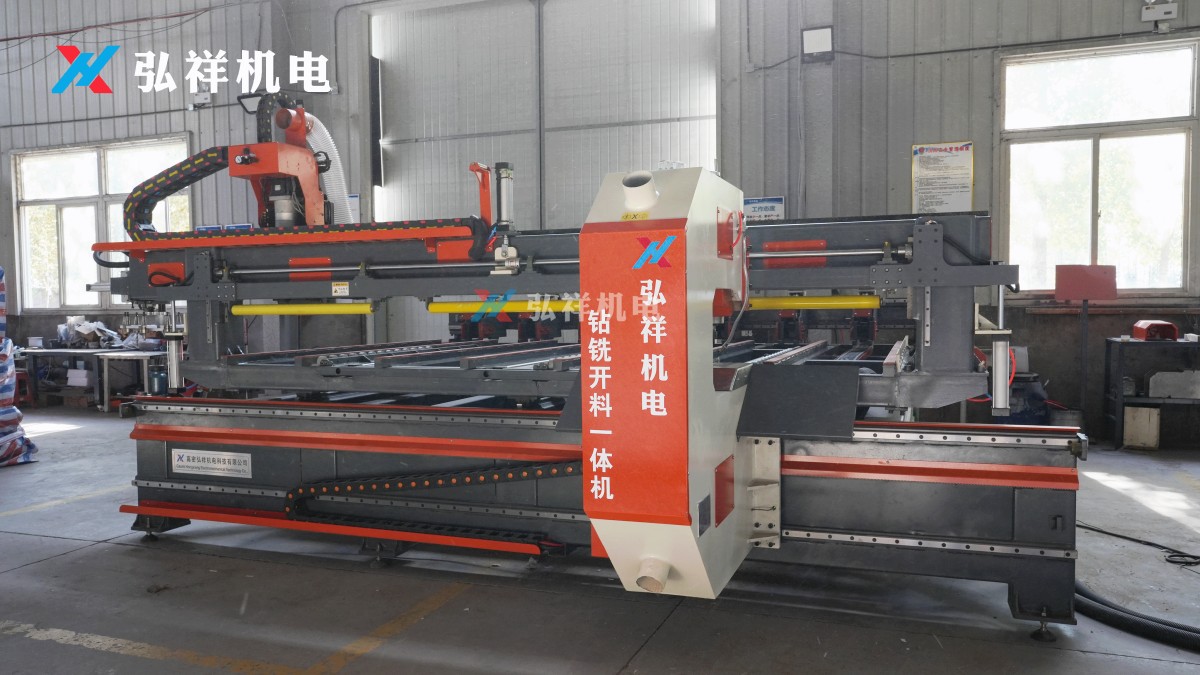
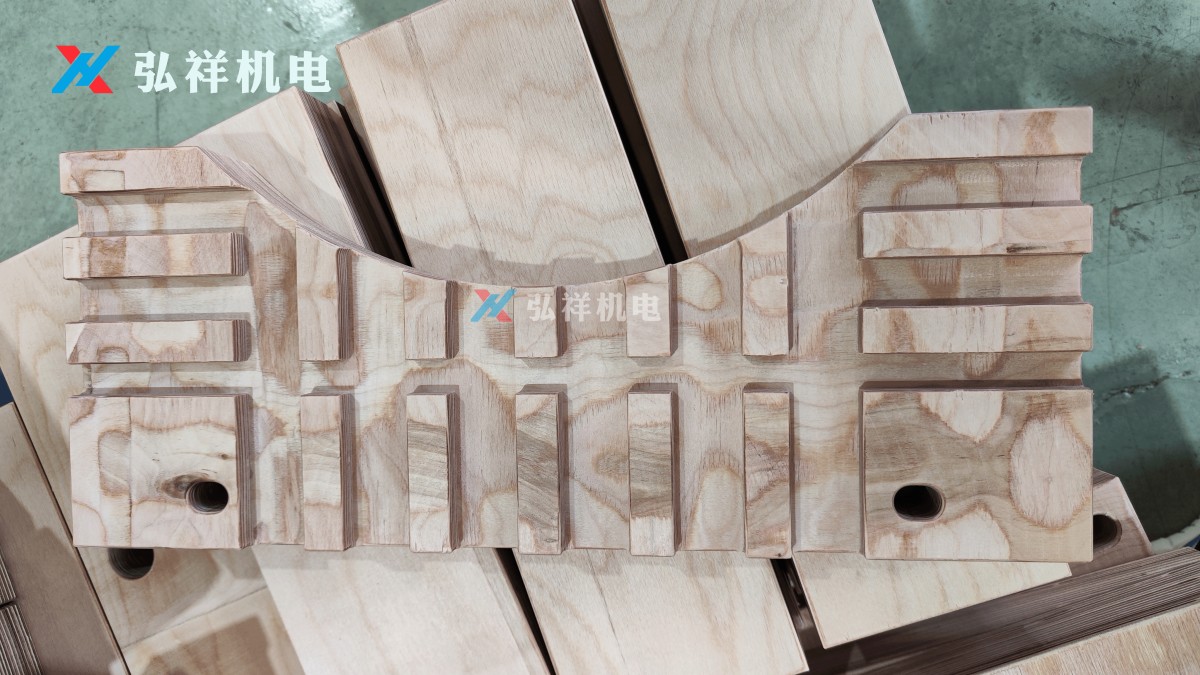
What safety checks matter most before startup?
Before power-on, inspection should begin with the machine frame, guards, emergency stops, wiring, and grounding continuity.
For Cost-effective transformer insulation parts processing equipment, startup safety is never limited to visible cleanliness.
Operators should confirm that cutter heads, presses, feeders, guide rails, and clamping units are firmly fixed.
Loose fasteners can create vibration, dimensional drift, and sudden tool failure during cardboard or laminated wood processing.
Pre-start checklist
- Check emergency stop response and reset function.
- Verify protective covers and interlocks are intact.
- Inspect cables for wear, overheating marks, or loose terminals.
- Confirm pneumatic or hydraulic pressure stays within rated range.
- Ensure dust extraction channels are open and effective.
- Review lubrication points and oil level indicators.
A dry run without material is useful for detecting abnormal sound, drag, vibration, or unstable axis movement.
This step is especially important for machine tool equipment used in high-volume insulation parts machining.
How can material-related checks improve equipment safety?
Transformer insulation parts are sensitive to moisture, density variation, delamination, and surface contamination.
If poor material enters the line, even Cost-effective transformer insulation parts processing equipment will face avoidable risk.
Warped insulating cardboard can jam feeders, while cracked laminated wood may splinter under cutting loads.
EVA molding materials also require stable thickness and clean surfaces for consistent forming behavior.
Key incoming material inspections
- Moisture content within process specification.
- No visible delamination, cracks, or fiber separation.
- Uniform thickness and acceptable flatness.
- Clean surfaces free from oil, dust, and metal particles.
- Correct batch labeling and traceability records.
Material checks reduce scrap, but they also protect spindles, blades, molds, and feeding systems.
Stable material quality is a direct safety factor, not only a product quality requirement.
Which machining accuracy checks are linked to safe operation?
Safety and precision are closely connected in transformer insulation parts manufacturing.
When alignment drifts, machine loads rise, tool wear accelerates, and rejection rates increase.
Cost-effective transformer insulation parts processing equipment should be checked for repeatability, tool runout, and fixture stability.
Critical dimensional checkpoints
- Positioning accuracy of feeding and cutting axes.
- Tool concentricity and spindle runout.
- Fixture clamping force consistency.
- Parallelism and squareness of guide surfaces.
- Cut edge quality, burr level, and compression marks.
Poor clamping can cause part movement, especially during slotting, punching, trimming, or edge shaping.
That movement may break tools or eject fragments into nearby working areas.
Regular calibration should be scheduled after maintenance, relocation, tooling change, or unusual vibration events.
What electrical and control system risks are often missed?
Electrical safety checks often focus on power supply, yet control reliability deserves equal attention.
In Cost-effective transformer insulation parts processing equipment, control faults can trigger unsafe sequence actions.
Examples include delayed stop commands, failed sensor feedback, and accidental restart after power recovery.
Control safety verification points
- Test limit switches and proximity sensors.
- Verify overload protection and circuit breaker status.
- Inspect terminal cabinet cleanliness and temperature rise.
- Check grounding resistance and bonding integrity.
- Confirm restart logic after emergency shutdown.
Dust from insulation machining can accumulate inside electrical cabinets and cooling passages.
That buildup raises fire risk and may shorten the life of drives, relays, and contactors.
Routine thermal scanning can identify abnormal heating before visible failure appears.
How should process stability be checked during production?
A machine can pass startup checks and still become unsafe after several production hours.
Process monitoring is essential for Cost-effective transformer insulation parts processing equipment used in continuous operation.
Watch for gradual changes in cycle time, noise, cutting force, rejection pattern, and dust extraction efficiency.
Signs of declining process safety
- Unexpected increase in burrs or burn marks.
- Frequent feeder misalignment or part jamming.
- Tool temperature rising faster than normal.
- Vacuum or dust collection performance dropping.
- Servo alarms appearing intermittently.
These warning signs should trigger a controlled stop and targeted inspection, not temporary adjustment alone.
Documenting trend data helps identify recurring faults and supports preventive maintenance planning.
How do you compare safe equipment choices without overspending?
The lowest purchase price rarely delivers the lowest operating risk or best long-term value.
When reviewing Cost-effective transformer insulation parts processing equipment, compare design maturity, maintainability, and protection features.
Machine tool equipment for insulation processing should combine efficiency with stable safety performance.
Comparison table for practical evaluation
A reliable supplier should also support installation, training, and after-sales troubleshooting.
Gaomi Hongxiang Electromechanical Technology Co., Ltd. provides transformer assembly and manufacturing support with insulation material processing expertise.
Its capabilities cover electrical insulating cardboard, insulating laminated wood, insulation parts, EVA molding, and special machine manufacturing.
What common mistakes weaken inspection results?
Many inspection failures come from incomplete records, rushed checks, or overreliance on visual judgment.
Cost-effective transformer insulation parts processing equipment still requires disciplined verification with measurable standards.
Mistakes to avoid
- Skipping dry-run testing after tooling replacement.
- Ignoring small vibration or odor changes.
- Using worn fixtures to save short-term cost.
- Mixing material batches without traceability.
- Cleaning dust only around visible surfaces.
A structured checklist, periodic audits, and maintenance logs make safety checks more consistent.
Quick FAQ reference table
Safe operation of Cost-effective transformer insulation parts processing equipment depends on more than one inspection point.
It requires coordinated checks across machine condition, materials, precision, electrical systems, and process trends.
A practical next step is to convert these checkpoints into a daily, weekly, and monthly inspection routine.
That approach supports safer machine tool equipment operation, steadier transformer part quality, and lower lifecycle cost.
NAVIGATION
MESSAGE
Request A Quote?