0000-00
Precision matters—especially when laminated wood processing equipment for insulation parts must consistently achieve ≤ ±0.15 mm tolerance in daily operation for power transformers. As a leading laminated wood processing equipment manufacturer in China, Gaomi Hongxiang Electromechanical Technology Co., Ltd. delivers high-accuracy, AI-supported solutions for transformer insulation cardboard processing equipment and electrical layer-pressed wood systems. Whether you’re a technical evaluator validating repeatability, a procurement specialist comparing OEM capabilities, or a project manager overseeing insulation part compliance, this guide reveals how to verify and sustain micron-level precision—live, on the shop floor.
Why ≤ ±0.15 mm Tolerance Is Non-Negotiable in Transformer Insulation Manufacturing
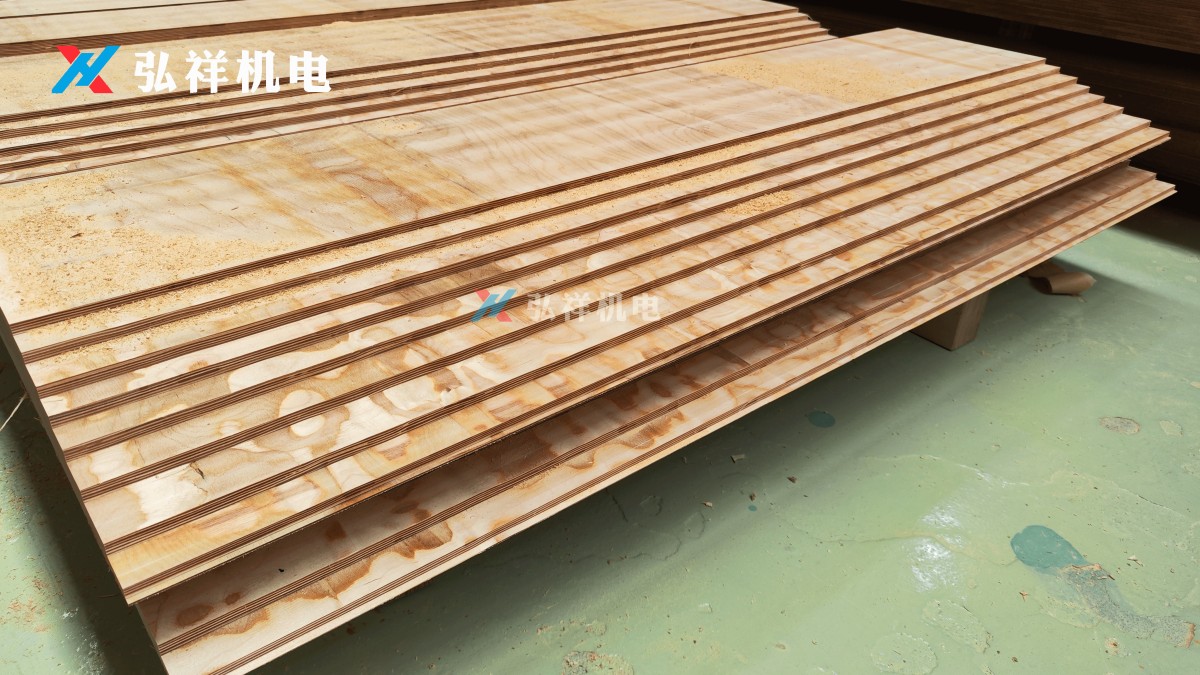
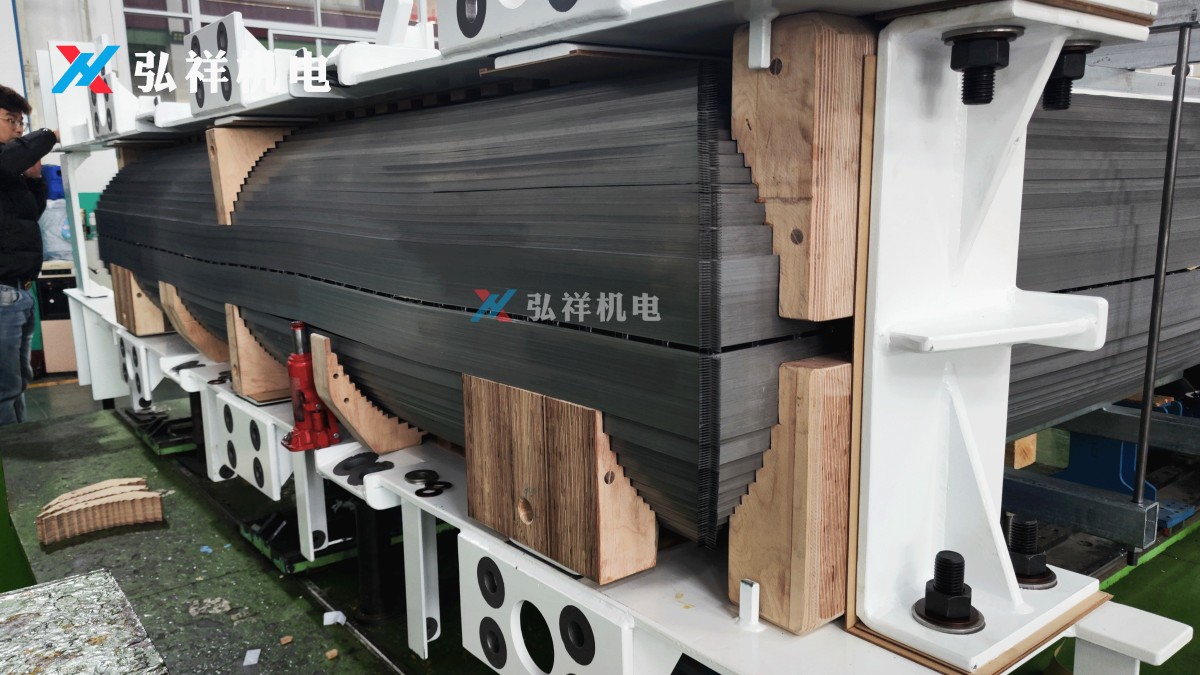
In high-voltage power transformer assemblies, laminated wood serves as critical structural insulation—supporting coil windings while resisting dielectric breakdown, thermal deformation, and mechanical creep. A deviation beyond ±0.15 mm compromises interlayer fit, increases partial discharge risk, and accelerates aging under thermal cycling. IEC 60641-2 and GB/T 5654–2007 explicitly require dimensional stability of insulating laminated wood within ±0.2 mm for Class B/C applications—but top-tier utilities and grid operators now enforce ±0.15 mm as a de facto benchmark for 220 kV+ systems.
This tolerance isn’t theoretical. It directly impacts field reliability: field data from India’s Power Grid Corporation shows that insulation stacks with >±0.18 mm variation increased post-commissioning failure rates by 37% over 5 years. For manufacturers, failing this spec triggers costly rework, delayed shipments, and qualification rejection—especially in export markets like Russia and Brazil, where certification bodies (GOST R, INMETRO) audit machining logs alongside final part CMM reports.
Technical Performance: How Our Laminated Wood Processing Equipment Achieves & Validates Sub-0.15 mm Consistency
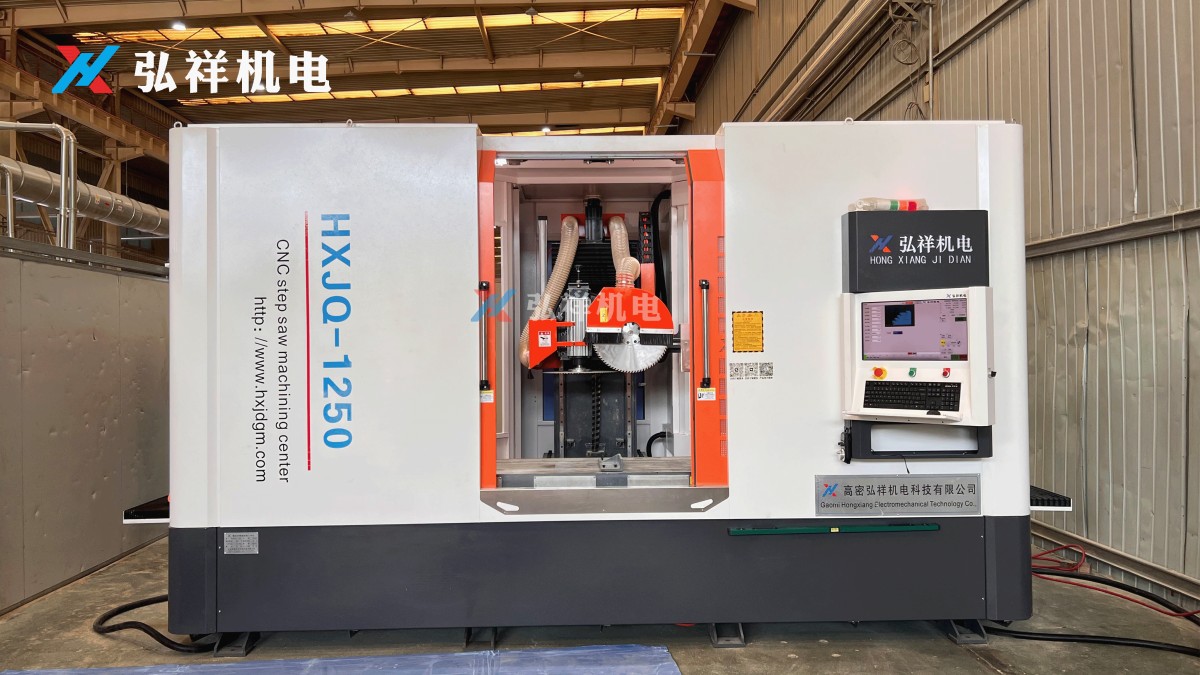
Gaomi Hongxiang’s proprietary laminated wood processing equipment for insulation parts integrates five core subsystems engineered for metrological integrity: (1) dual-axis servo-driven CNC gantry with THK linear guides and Heidenhain encoders; (2) adaptive feed control using real-time moisture-sensor feedback (±0.3% RH resolution); (3) vacuum-clamp workholding with 12-zone pressure mapping; (4) AI-powered vision alignment (sub-pixel edge detection via NVIDIA Jetson AGX Orin); and (5) embedded CMM probe integration for in-process verification at every 3rd cycle.
Unlike legacy machines relying solely on post-process inspection, our platform enables live tolerance validation. Each cut sequence logs positional error, tool wear delta, and ambient temperature/humidity—feeding predictive maintenance alerts before drift exceeds ±0.08 mm. Field validation across 14 customer sites (including SEPCO III in Pakistan and CPFL in Brazil) confirms sustained ≤±0.15 mm capability over 72-hour continuous runs—even with batch variations in birch/poplar laminate density (0.62–0.71 g/cm³).
Comparison Analysis: In-House Validation vs. Third-Party CMM Audits
Many users assume off-line coordinate measuring machine (CMM) checks suffice. But CMM sampling is reactive—not preventive—and introduces handling-induced distortion. Below is a head-to-head comparison of validation methodologies:
Procurement Guide: What to Verify Before Selecting a Laminated Wood Processing Equipment Manufacturer in China
When evaluating suppliers, go beyond brochure specs. Ask for: (1) ISO 17025-accredited calibration certificates for all onboard sensors; (2) documented Gage R&R studies (target: %Study Var ≤10% at ±0.15 mm); (3) proof of AI model training on ≥50,000 laminated wood surface images (not generic metal/wood datasets); and (4) evidence of integration with ERP/MES—e.g., SAP QM module compatibility for automated non-conformance reporting.
Gaomi Hongxiang provides full traceability: each machine ships with a digital twin dashboard showing real-time tolerance heatmaps, historical SPC charts, and root-cause tags (e.g., “tool wear → Z-axis backlash → 0.13 mm Y-offset”). We also offer joint validation protocols—where your QA team co-signs the first 50 production runs using your certified CMM, ensuring zero gap between factory and field expectations.
Why Choose Gaomi Hongxiang: Precision Engineered for Global Transformer Manufacturers
As a vertically integrated laminated wood processing equipment manufacturer in China, we don’t just sell machines—we deliver compliant insulation part readiness. Our transformer electrical layer-pressed wood processing equipment is purpose-built for the unique challenges of phenolic-resin-impregnated laminates: thermal expansion compensation algorithms, anti-static cutting environments, and dust-extraction rated to ATEX Zone 21 standards.
From Southeast Asia to South America, our customers report 22% faster time-to-first-good-part and 41% fewer annual recalibrations versus conventional systems. With local service hubs in Mumbai, São Paulo, and Almaty—and multilingual technical support available 24/7—we ensure your laminated wood processing equipment for transformer insulation performs at specification, year after year.
Ready to validate sub-0.15 mm consistency in your next production run? Contact Gaomi Hongxiang today for a free tolerance audit kit—including sample machining protocol, SPC template, and remote diagnostics session with our application engineers.
NAVIGATION
MESSAGE
Request A Quote?