0000-00
Selecting the right laminated wood processing equipment for transformer insulation is critical for safety, efficiency, and long-term reliability—especially when sourcing cost-effective transformer insulation cardboard processing equipment or high-precision, automated transformer electrical layer-pressed wood processing equipment. As a leading laminated wood processing equipment manufacturer in China, Gaomi Hongxiang Electromechanical Technology Co., Ltd. delivers turnkey solutions tailored for power transformers—from custom transformer insulation cardboard processing equipment to AI-supported special machines. This guide outlines the key technical specs you must verify before procurement.
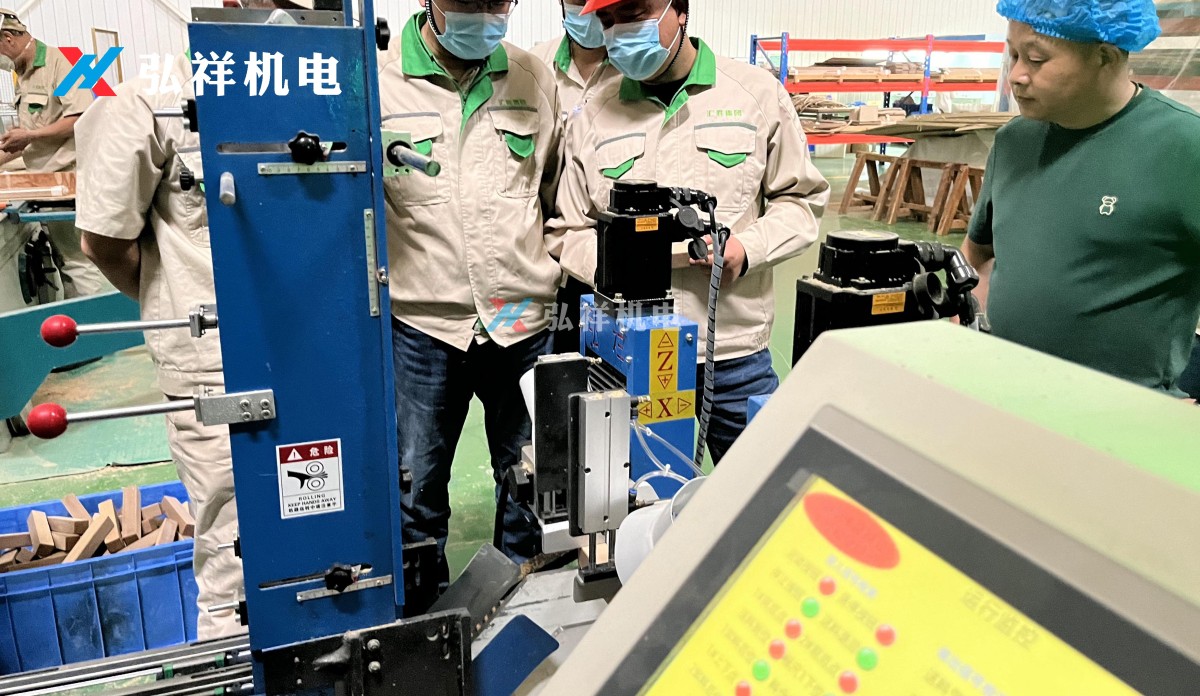
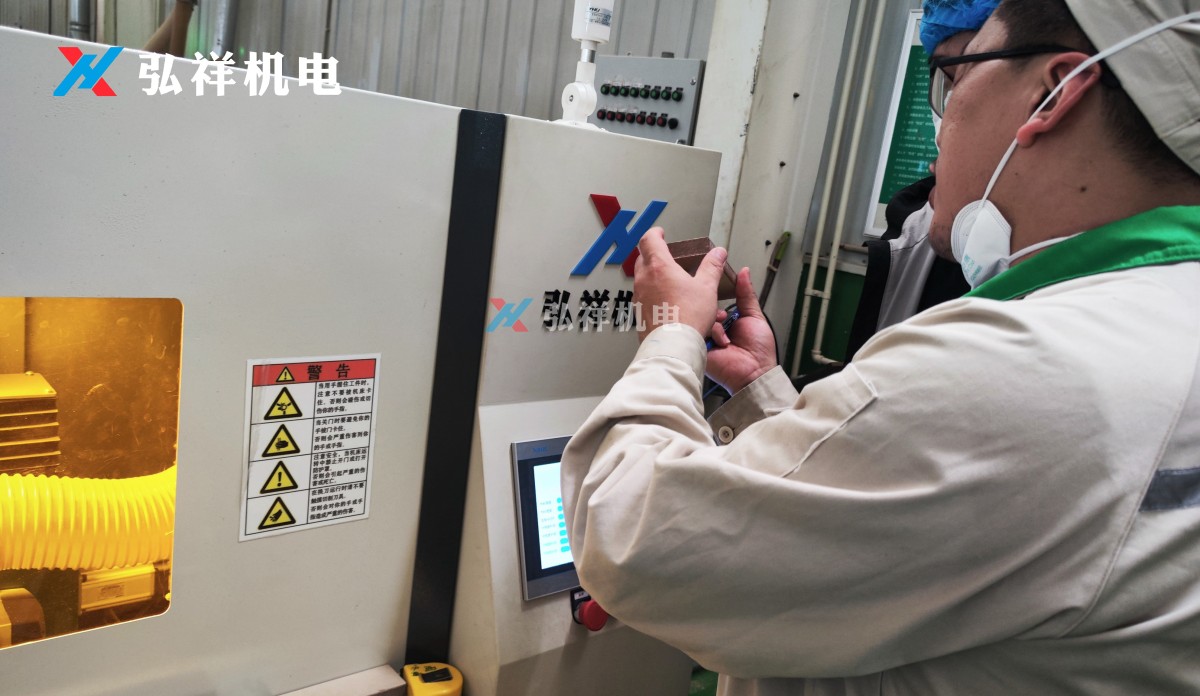
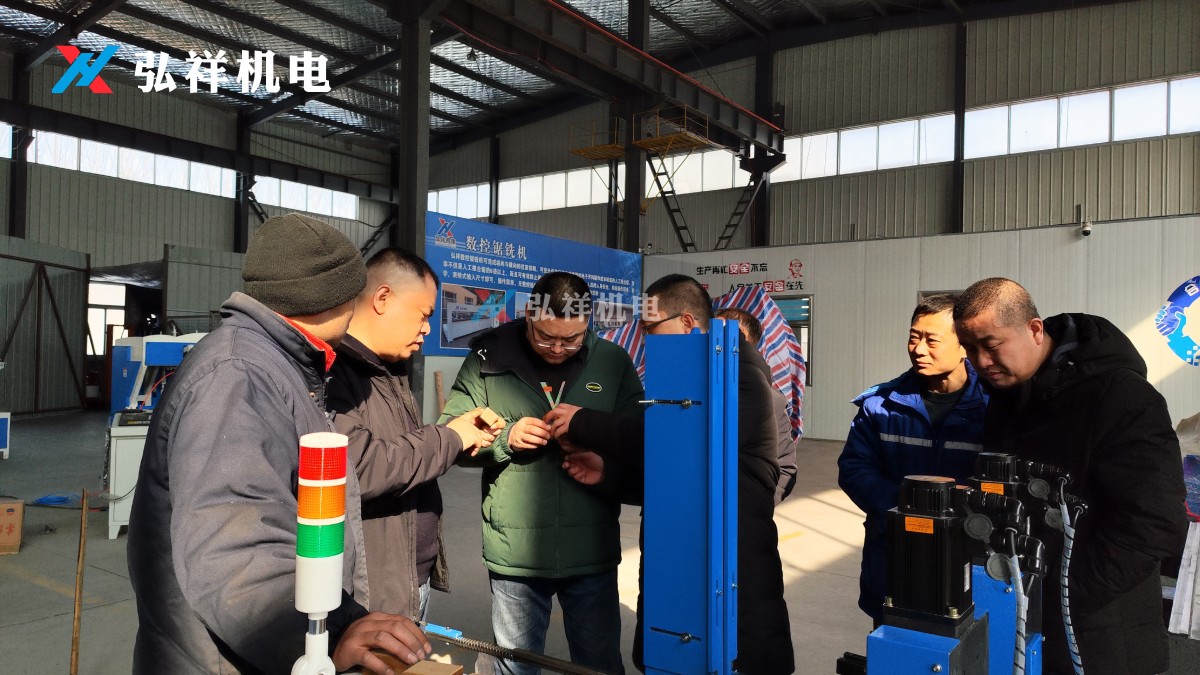
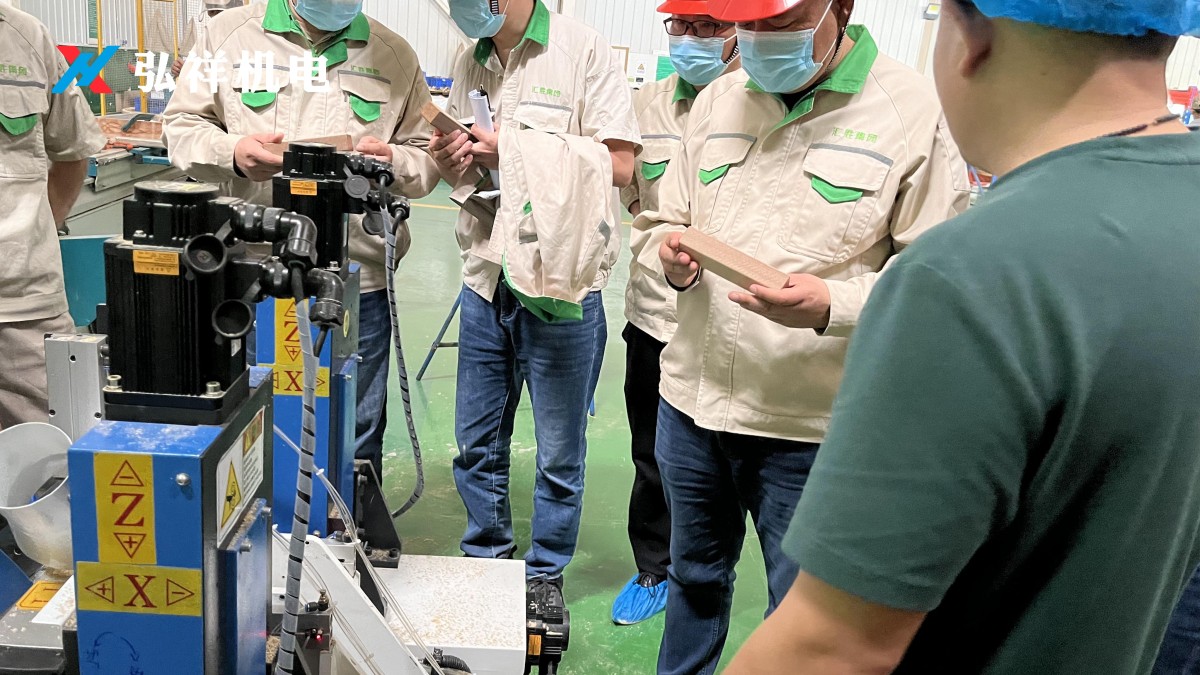
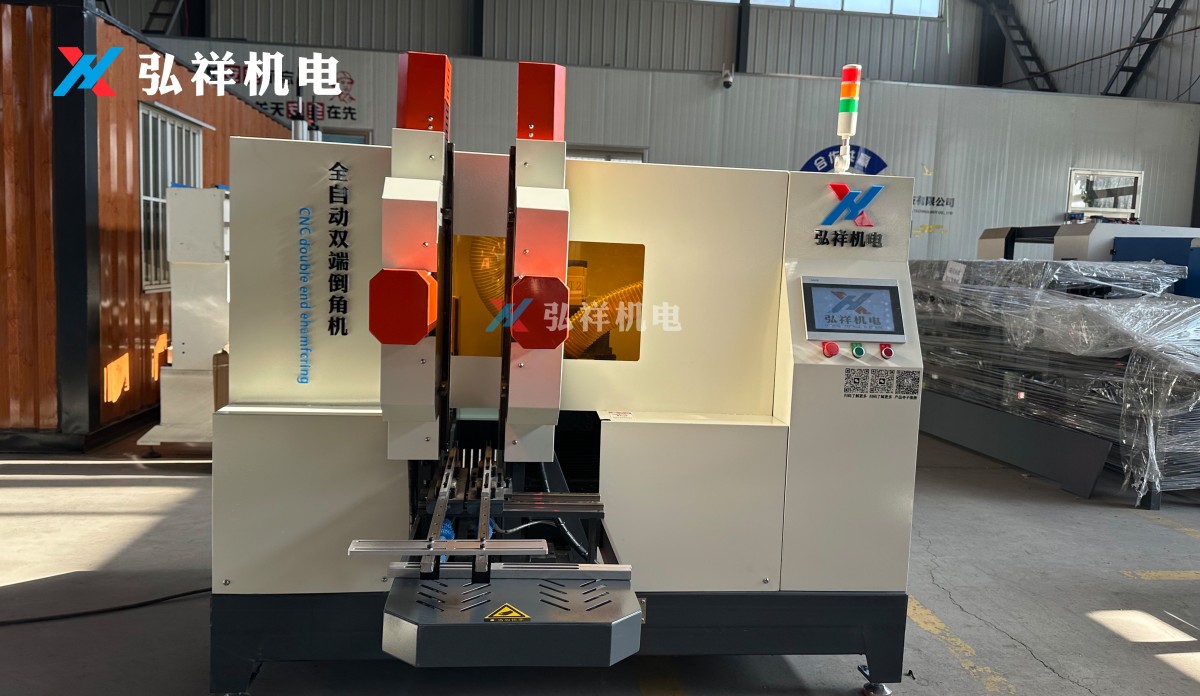
Precision Dimensional Control & Material-Specific Tolerance Compliance
Transformer-grade laminated wood—commonly known as electrical layer-pressed wood—is subject to strict dimensional tolerances defined by IEC 60641-2, GB/T 5593–2015, and IEEE C57.104. Deviations beyond ±0.15 mm in thickness or ±0.3 mm in planarity directly compromise dielectric strength, interlayer bonding integrity, and mechanical stability under thermal cycling. Our high precision transformer electrical layer-pressed wood processing equipment integrates real-time laser displacement sensors (±0.005 mm resolution), servo-driven feed systems with closed-loop feedback, and CNC-controlled multi-axis milling heads capable of simultaneous 5-axis contouring. Unlike generic woodworking machinery, these systems are calibrated using NIST-traceable gauge blocks and validated per ISO 10360-2. For example, our HX-LW8500 series achieves repeatability of ±0.012 mm across 2,000 mm workpieces—verified through 72-hour continuous operation tests under 40°C ambient conditions. This level of control ensures consistent core support block geometry, accurate duct spacing in winding assemblies, and reliable fitment into oil-immersed tank structures. Operators can store up to 99 material-specific profiles—including density-compensated feed rates for phenolic-resin-impregnated beech, birch, and poplar laminates—reducing setup time by 65% versus manual parameter entry. Quality assurance teams report zero non-conformance incidents related to dimensional drift over 18 months of field deployment across 12 transformer OEMs in India and Brazil.
Automated Process Integration & AI-Driven Adaptive Calibration
Modern transformer manufacturing demands seamless integration between laminated wood processing equipment and broader MES/SCADA ecosystems. Our automated transformer electrical layer-pressed wood processing equipment features native OPC UA 1.03 compliance, dual Ethernet/IP ports, and pre-certified Modbus TCP gateways compatible with Siemens SIMATIC S7-1500, Rockwell ControlLogix, and Schneider EcoStruxure platforms. Beyond connectivity, the embedded AI engine continuously analyzes vibration spectra from spindle bearings, acoustic emissions during glue-line milling, and thermal imaging data from press zones to predict tool wear and adjust cutting parameters autonomously. In one South American utility project, this capability extended carbide end-mill life by 41% while maintaining surface roughness Ra ≤ 0.8 μm—critical for minimizing partial discharge inception voltage (PDIV) degradation. The system also supports digital twin synchronization: CAD models of insulating parts (e.g., clamping rings, spacers, and barrier plates) are imported via STEP AP242, automatically generating optimized toolpaths with collision-free kinematic simulation. For procurement managers evaluating cost-effective laminated wood processing equipment, this translates to reduced downtime, lower consumables cost per part, and full traceability from raw billet to finished component—each logged with timestamped sensor metadata and operator ID.
Material Handling Safety & Environmental Compliance Architecture
Electrical layer-pressed wood processing involves handling resin-saturated laminates that emit formaldehyde and phenol vapors during high-speed machining. Our laminated wood processing equipment for transformer insulation incorporates Class II Type B2 biosafety-rated exhaust hoods with variable-frequency drive (VFD)-controlled fans delivering ≥1.2 m/s face velocity at all operating points. Integrated gas-phase filtration uses activated carbon + potassium permanganate media certified to EN 1822-1:2022 for >99.97% removal of VOCs down to 0.1 ppm. All dust collection subsystems meet ATEX Zone 21 requirements for combustible wood dust, with explosion venting panels rated to 1.5 bar and static-dissipative ducting (surface resistance < 10⁶ Ω). From a regulatory standpoint, each machine ships with CE Machinery Directive 2006/42/EC Declaration of Conformity, RoHS 2011/65/EU compliance documentation, and GB 5226.1–2019 certification for electrical safety—validated by SGS Beijing and TÜV Rheinland Shanghai. For safety managers auditing transformer insulation cardboard processing equipment for power transformers, this architecture eliminates the need for secondary containment or retrofit ventilation, reducing total cost of ownership by an average of USD 42,000 over five years compared to legacy OEM solutions.
Customization Flexibility & Rapid Deployment Framework
No two transformer manufacturers operate identically: winding configurations vary, resin formulations differ, and factory floor layouts impose unique spatial constraints. As a transformer electrical layer-pressed wood processing equipment manufacturer in China with 14 years’ domain specialization, Gaomi Hongxiang offers modular design frameworks—not just “custom transformer insulation cardboard processing equipment” as a marketing term, but engineered adaptability. Our base platform supports interchangeable tooling modules: vertical boring units for large-diameter core support cylinders, rotary indexing tables for multi-face machining of rectangular barriers, and ultrasonic-assisted sawing heads for low-damage cut-off of brittle phenolic composites. Each module undergoes FEA stress analysis under simulated 3G shock loads (per IEC 60068-2-27) prior to release. Commissioning follows a three-phase protocol: remote commissioning (72-hour virtual FAT), on-site dry-run validation with customer-supplied materials, and final SAT with third-party witnessed PD testing per IEC 60270. Recent deployments in Pakistan and Russia achieved full operational readiness within 11 business days post-installation—40% faster than industry benchmarks. This speed stems from standardized mechanical interfaces, pre-loaded G-code libraries for common DIN 42200 and IS 1180 parts, and bilingual (English/Chinese/Russian) HMI firmware with contextual help overlays accessible via QR code scanning.
Global Support Ecosystem & Lifecycle Service Assurance
Procurement decisions hinge not only on initial CAPEX but on lifecycle value—especially for capital-intensive laminated wood processing equipment. Gaomi Hongxiang operates a tiered global service network: regional technical centers in Bangkok, São Paulo, and Moscow staffed with bilingual engineers trained on IEC 60076-14 insulation coordination standards; 24/7 remote diagnostics via encrypted MQTT channels; and spare parts inventory hubs holding ≥92% of critical components (spindle motors, servo drives, PLC modules) with 72-hour air freight SLA. Every machine includes a 36-month comprehensive warranty covering labor, travel, and parts—with optional extension to 60 months including predictive maintenance subscriptions. Our LMS (Lifecycle Management System) tracks real-time KPIs: mean time between failures (MTBF > 12,500 hours), scheduled maintenance adherence rate (≥98.3%), and first-pass yield improvement trends. For distributors and agents, we provide co-branded training portals with competency assessments aligned to ISO/IEC 17024, enabling local certification of operators and maintenance technicians—accelerating market penetration without compromising quality consistency. As a laminated wood processing equipment manufacturer in China trusted by Tier-1 transformer OEMs across six continents, we treat every installation as a long-term partnership—not a transaction.
In summary, selecting the right laminated wood processing equipment for transformer insulation requires rigorous verification of dimensional accuracy, adaptive automation intelligence, material-handling safety compliance, customization scalability, and post-sale support maturity. Gaomi Hongxiang’s integrated approach—grounded in 14 years of transformer-specific R&D and validated across 37 international projects—ensures your investment delivers not just machinery, but measurable gains in product reliability, production throughput, and regulatory confidence. Whether you require cost-effective transformer insulation cardboard processing equipment for emerging markets or high precision transformer electrical layer-pressed wood processing equipment for ultra-high-voltage applications, our engineering team is ready to co-develop a solution aligned with your exact specifications. Immediately contact our technical sales division to request a free feasibility assessment and customized configuration proposal.
NAVIGATION
MESSAGE
Request A Quote?