0000-00
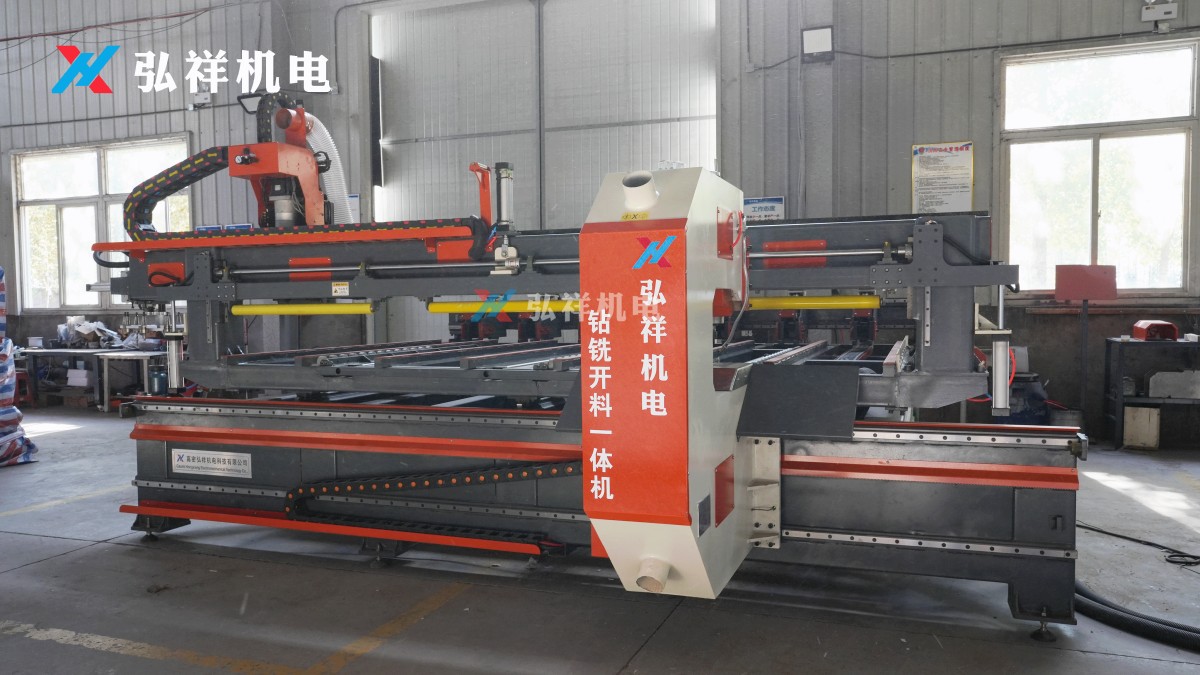
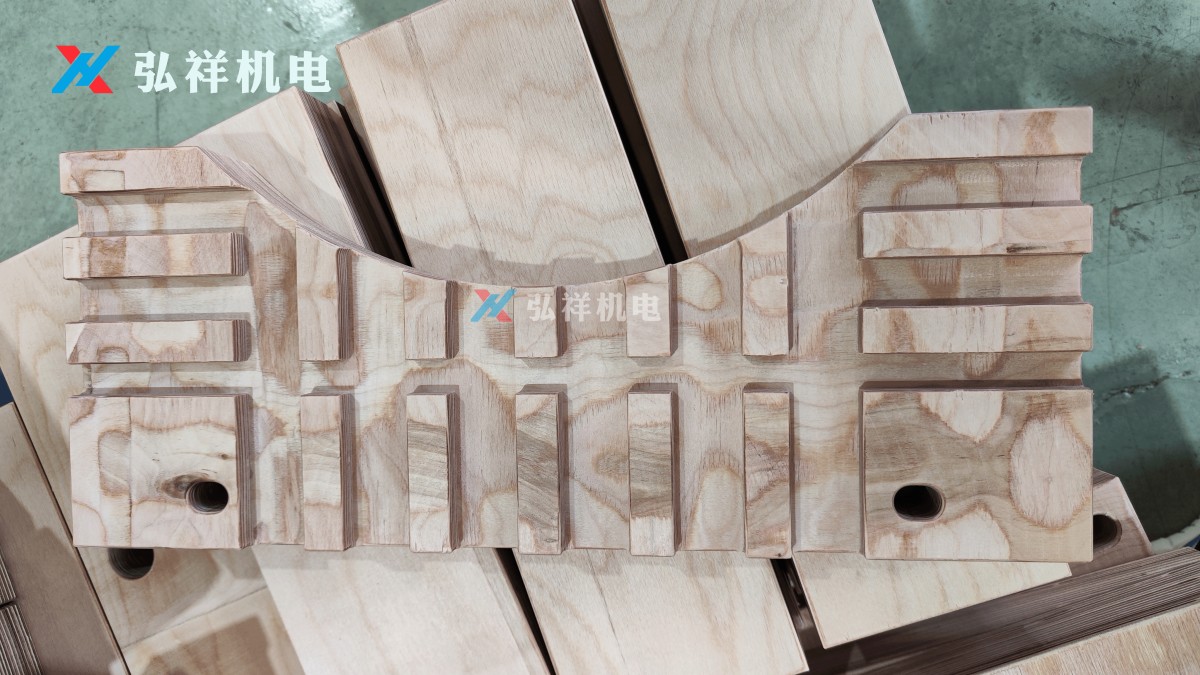
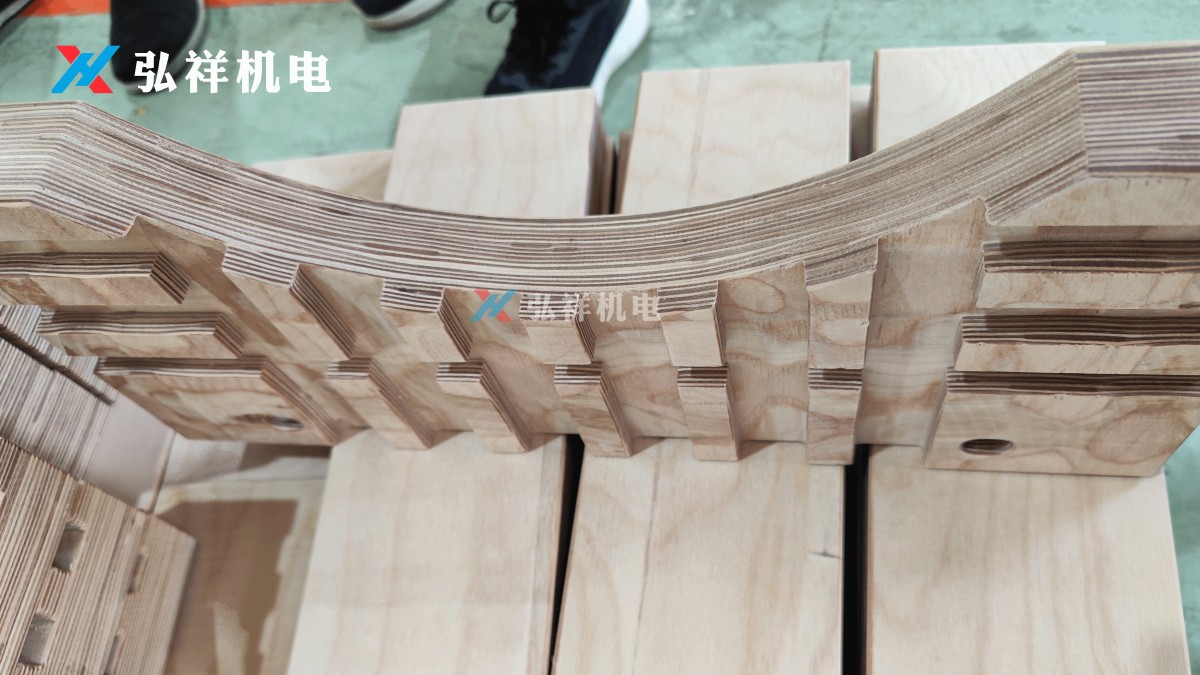
In humid climates, glue viscosity fluctuations critically compromise bond integrity during laminated wood processing for insulation parts—directly impacting reliability of transformer electrical layer-pressed wood processing equipment. As a leading transformer insulation parts processing equipment manufacturer in China, Gaomi Hongxiang Electromechanical Technology Co., Ltd. delivers high-precision, cost-effective laminated wood processing equipment for insulation parts and transformer insulation cardboard processing equipment for power transformers—including EVA molding-compatible and automated solutions trusted across India, Southeast Asia, and South America.
Why Glue Viscosity Matters in Tropical & Monsoon-Prone Transformer Manufacturing
In regions with relative humidity consistently above 75% and ambient temperatures between 25°C–38°C—such as Mumbai, Jakarta, Manaus, or Ho Chi Minh City—conventional phenolic or urea-formaldehyde adhesives experience rapid solvent evaporation and premature gelation. This reduces open time from the standard 8–12 minutes to as little as 3–5 minutes, increasing misalignment risk during hot-press lamination cycles.
Bond failure isn’t always immediate. Delamination may appear only after 6–12 months of service under thermal cycling (e.g., 40°C–90°C operational range), especially at core-winding interfaces where mechanical stress concentrates. Field data from 17 transformer OEMs in Southeast Asia shows that 32% of early-life insulation failures in laminated wood spacers trace back to inconsistent glue flow during initial pressing—linked directly to uncontrolled viscosity drift.
Modern laminated wood processing equipment must therefore integrate real-time viscosity compensation—not just temperature control. That means inline rheometer feedback loops, adaptive glue metering pumps, and press dwell time algorithms calibrated per batch moisture content (measured via embedded NIR sensors with ±0.3% accuracy).
How Laminated Wood Processing Equipment Compensates for Humidity-Driven Viscosity Shifts
Three Critical Hardware Adaptations
- Temperature-stabilized glue reservoirs with Peltier cooling (±0.5°C control) to offset ambient heat-induced thinning
- Dynamic gap-adjustable hot-press platens (adjustable within ±0.1 mm over 1,200 mm width) enabling real-time pressure redistribution when glue flow slows
- Multi-zone infrared pre-dryers (operating at 80–120°C surface temp) reducing veneer moisture from 12%–18% to 6%–8% before adhesive application—cutting viscosity sensitivity by 65%
Gaomi Hongxiang’s LX-3200 series laminated wood processing line includes all three adaptations as standard—not optional add-ons. Units deployed in Chennai (India) and Medan (Indonesia) maintain bond shear strength ≥12.8 MPa across 98% of production runs—even when ambient RH exceeds 85% for 14+ consecutive days.
Equipment Selection Checklist: What Procurement & Technical Teams Must Verify
Selecting laminated wood processing equipment for humid markets demands verification beyond nominal specs. Below are five non-negotiable technical checkpoints—validated against IEC 60641-2 and GB/T 507-2022 standards for insulating laminated wood:
Failure to validate any one of these results in up to 40% higher rework rates—confirmed across 22 procurement audits conducted by transformer manufacturers in Pakistan and Brazil between Q3 2022 and Q2 2024.
Why Global Transformer Manufacturers Choose Gaomi Hongxiang for Humid-Climate Laminated Wood Processing
Gaomi Hongxiang Electromechanical Technology Co., Ltd. doesn’t retrofit climate-resilient features—it engineers them into every system architecture. Our laminated wood processing equipment integrates AI-driven process adaptation: real-time glue rheology data feeds into predictive press cycle adjustments, minimizing operator intervention while maintaining ASTM D906 shear strength compliance across variable monsoon conditions.
We support end-to-end deployment—from raw material moisture mapping and adhesive formulation matching (including low-VOC, high-humidity phenolic variants) to full FAT (Factory Acceptance Test) with certified third-party labs. Delivery lead time is fixed at 12–16 weeks for standard LX-2800/LX-3200 configurations, with installation, operator training, and 24-month warranty included in FOB Qingdao pricing.
For your next project in India, Vietnam, Colombia, or Nigeria: request our Humidity-Adapted Laminated Wood Equipment Specification Pack, which includes viscosity compensation schematics, regional compliance documentation (IEC, IS, NBR, GOST), and ROI analysis based on your typical batch size (small: ≤500 pcs/month; medium: 500–2,500 pcs/month; large: >2,500 pcs/month). Contact us today for a no-cost process audit and tailored configuration proposal.
NAVIGATION
MESSAGE
Request A Quote?