0000-00
For after-sales maintenance teams, keeping Automated transformer electrical layer-pressed wood processing equipment reliable now requires more than routine lubrication and reactive repairs.
As automation deepens across machine tool equipment, maintenance priorities are shifting toward precision preservation, data-based inspection, and faster recovery from minor faults.
In automated layer-pressed wood lines, these priorities directly affect dimensional accuracy, insulation material quality, throughput stability, and lifecycle cost.
For companies serving transformer production, stable Automated transformer electrical layer-pressed wood processing equipment also supports delivery reliability and consistent downstream assembly performance.
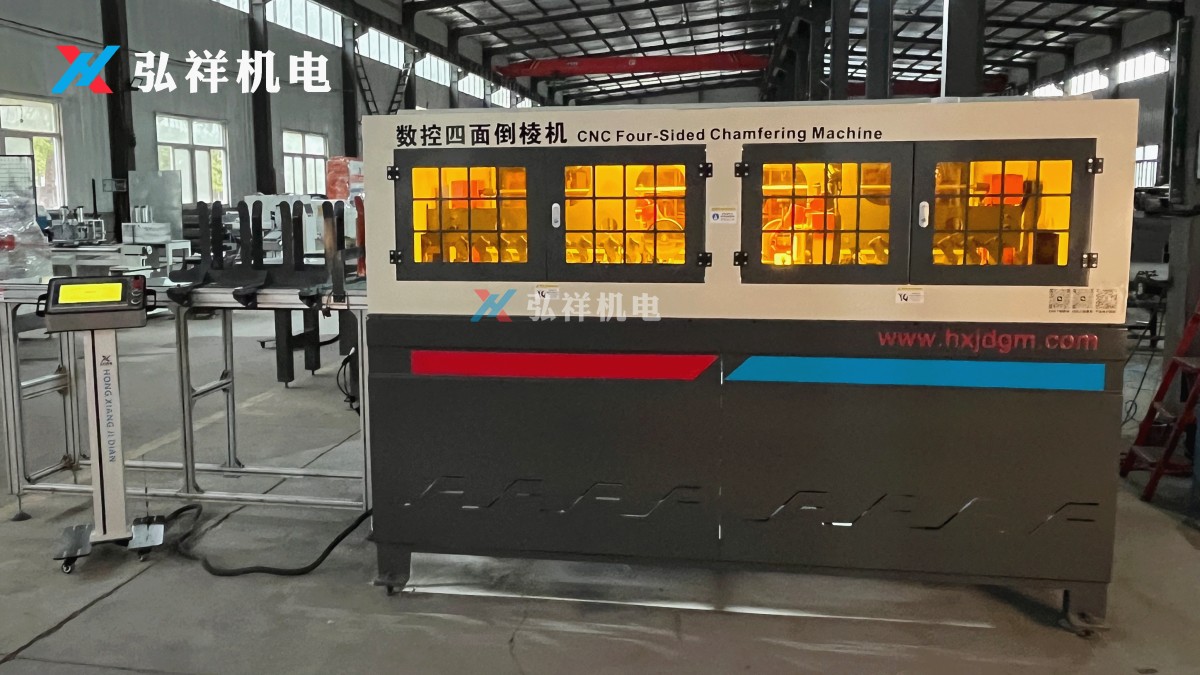
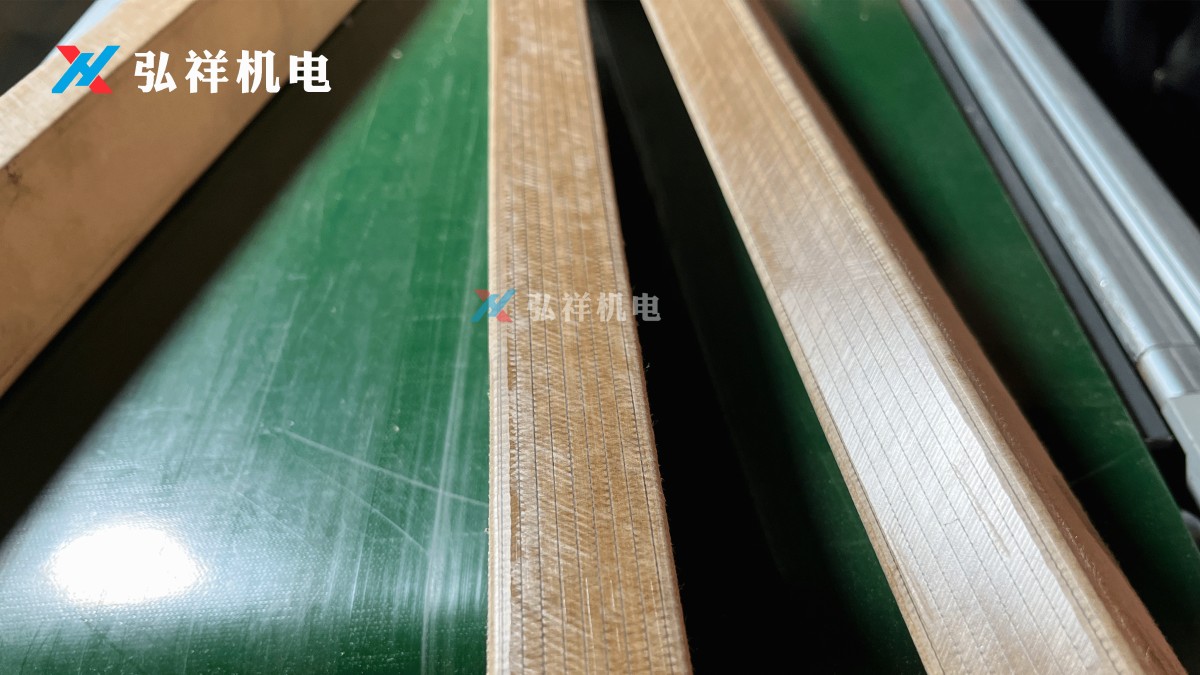
Maintenance priorities are changing with smarter, faster production lines
Traditional service routines often focused on visible wear, emergency shutdowns, and fixed-interval part replacement.
Today, Automated transformer electrical layer-pressed wood processing equipment runs with tighter tolerances, higher output expectations, and more linked electrical controls.
That shift means a small sensor drift, dust buildup, or feed deviation can create quality loss before a clear machine alarm appears.
Maintenance is therefore moving from isolated component checks to whole-line condition control.
This is especially important in insulating laminated wood and electrical insulating board processing, where material response and mechanical repeatability must stay balanced.
Several industry signals show why service strategy must become more preventive
Global users increasingly expect automated machine tool equipment to deliver stable output across long production cycles.
At the same time, export-oriented operations face varied climates, operator habits, material sources, and maintenance maturity.
These differences raise the risk of hidden failure modes in Automated transformer electrical layer-pressed wood processing equipment.
Another clear signal is the rise of integrated production lines.
When feeding, pressing, cutting, positioning, and discharge stations are linked, one unstable module can reduce the efficiency of the entire system.
As a result, maintenance teams now need clearer priorities, faster diagnostics, and stronger coordination between mechanical and electrical service work.
The main drivers behind these maintenance trends are easy to identify
The most important maintenance points now sit at the line’s critical accuracy nodes
Feed and positioning systems deserve first attention
In Automated transformer electrical layer-pressed wood processing equipment, unstable feeding often causes chain reactions.
Minor belt slip or guide wear can distort positioning, increase press variation, and affect later cutting quality.
Daily checks should include belt tension, guide rail cleanliness, encoder feedback consistency, and abnormal vibration during transfer.
Pressing force stability has direct quality impact
Layer-pressed wood processing depends on uniform force application across repeated cycles.
Service teams should verify cylinder response, hydraulic or pneumatic leakage, pressure fluctuation, and platen parallelism.
If pressure drifts slowly, the machine may still run, but product consistency can decline long before a stoppage occurs.
Cutting units must be monitored for both wear and thermal behavior
Blade condition affects edge cleanliness, dimensional control, and material stress.
In Automated transformer electrical layer-pressed wood processing equipment, dull tools also increase motor load and dust generation.
Watch spindle temperature, current rise, tool balance, and cutting sound changes.
Dust extraction is no longer a secondary issue
Fine wood dust can contaminate sensors, reduce cooling efficiency, and shorten electrical component life.
Blocked extraction paths also increase housekeeping effort and can affect actuator movement around enclosed stations.
A good service plan checks suction performance, filter loading, duct leakage, and dust accumulation near cabinets.
Electrical control reliability is becoming as important as mechanical durability
Modern machine tool equipment combines drives, PLC logic, touch interfaces, safety devices, and feedback loops.
For Automated transformer electrical layer-pressed wood processing equipment, intermittent electrical faults are often harder to detect than visible mechanical damage.
Priority checks should include terminal tightness, cabinet temperature, grounding integrity, cable protection, and alarm history review.
- Compare real sensor signals with displayed values.
- Inspect connectors exposed to vibration or dust.
- Back up control parameters before major service work.
- Test safety circuits after replacement or rewiring.
These steps reduce hidden instability and support faster fault isolation.
The impact extends across quality, uptime, cost, and export service performance
Better maintenance priorities do more than avoid shutdowns.
They improve product repeatability in insulating laminated wood and related transformer insulating parts.
They also reduce scrap caused by pressure deviation, feed misalignment, or cutting inaccuracy.
For globally deployed Automated transformer electrical layer-pressed wood processing equipment, maintenance quality influences remote support efficiency as well.
When inspection records are standardized, troubleshooting becomes faster across Southeast Asia, South America, India, Pakistan, Russia, and other operating regions.
This matters for companies such as Gaomi Hongxiang Electromechanical Technology Co., Ltd., whose service capability supports long-term customer confidence in machine tool equipment.
The best response is a layered maintenance focus rather than a single checklist
A practical approach is to divide service work into frequency-based priorities.
Several key judgments can help teams decide what deserves immediate attention
- If defects appear randomly, inspect sensors and positioning before replacing major mechanical parts.
- If output slows gradually, check cutting resistance, dust extraction, and drive load trends.
- If pressure-related quality issues increase, review leakage, force calibration, and platen parallelism.
- If alarms repeat after reset, investigate wiring, thermal stress, and signal interference.
- If spare consumption rises, confirm root causes instead of repeating the same replacement cycle.
These judgments support more efficient maintenance planning for Automated transformer electrical layer-pressed wood processing equipment.
The next step is to build service routines around measurable machine condition
The strongest maintenance programs combine routine inspection, trend recording, and targeted training.
For Automated transformer electrical layer-pressed wood processing equipment, useful records include pressure stability, feed accuracy, spindle temperature, alarm frequency, and dust system performance.
When these values are tracked consistently, service teams can act before failures disrupt transformer insulation material production.
A practical starting point is to review the line’s three most failure-sensitive stations, define standard check items, and connect each item to a clear action threshold.
That approach improves uptime, protects precision, and helps Automated transformer electrical layer-pressed wood processing equipment deliver stable long-term value.
NAVIGATION
MESSAGE
Request A Quote?