0000-00
For technical evaluators seeking reliable performance data, cost-effective transformer insulation cardboard processing equipment must deliver measurable accuracy, stability, and productivity without inflating investment risk.
This article examines the key benchmarks that matter most in real-world operations, helping you compare equipment capabilities, identify long-term value, and make informed decisions for efficient insulation cardboard processing in transformer manufacturing.
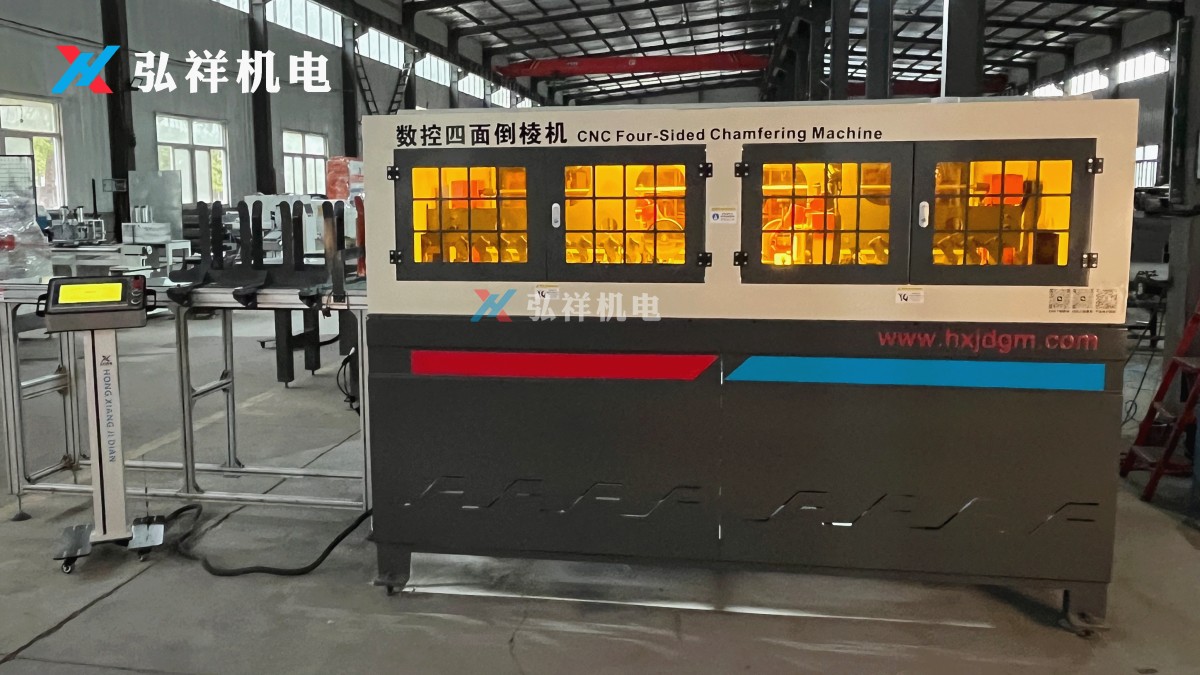
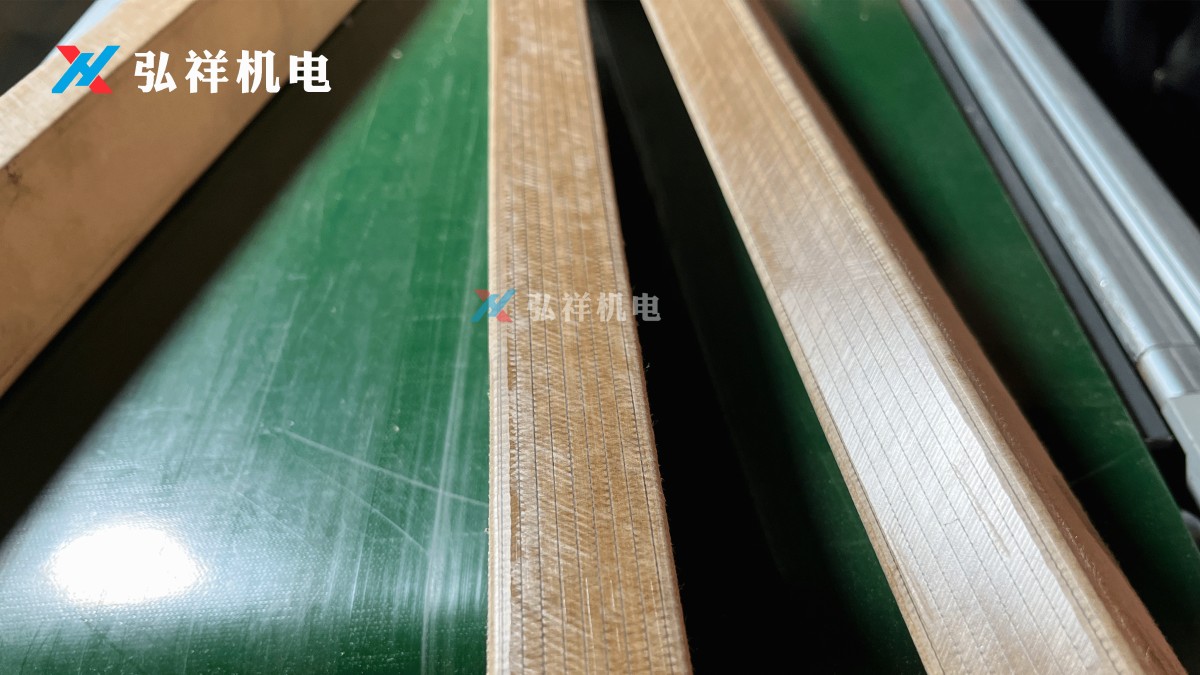
What Technical Evaluators Are Really Trying to Confirm
When evaluators search for performance benchmarks, they are usually not looking for generic machine specifications. They want evidence that equipment can consistently process transformer insulation cardboard within required tolerances, production volumes, and operating cost limits.
In practice, the core question is straightforward: can this machine deliver stable quality and acceptable throughput at a reasonable total cost over time? That is the real standard behind most purchasing or technical approval decisions.
For cost-sensitive projects, the challenge is even sharper. Low acquisition cost alone does not define value. The better benchmark is cost-effectiveness across precision, material yield, uptime, labor demand, maintenance frequency, and adaptability to different insulating board requirements.
The Most Important Performance Benchmarks for Cardboard Processing Equipment
For transformer insulation cardboard applications, performance evaluation should focus on measurable output quality and process consistency. The most useful benchmarks are dimensional accuracy, repeatability, edge quality, forming stability, throughput rate, and machine reliability under continuous production conditions.
Dimensional accuracy matters because insulating components often need to fit tightly into transformer assemblies. Even small deviations can affect assembly efficiency, dielectric spacing, or downstream rework rates. Evaluators should request tolerance data under actual load, not only no-load test conditions.
Repeatability is equally important. A machine that produces one acceptable sample but drifts during a shift creates hidden cost. Stable repeatability across multiple cycles, operators, and material batches is a better indicator of production suitability than peak laboratory performance.
Edge quality should not be underestimated. Clean cuts, controlled compression, and minimal fiber tearing directly affect the usability of electrical insulating cardboard. Poor edge finish may require secondary trimming or increase the risk of component rejection during inspection.
For equipment involving forming, pressing, slotting, or shaping, evaluators should also review deformation consistency. Cardboard with uneven stress distribution can warp, crack, or lose dimensional stability during subsequent handling or transformer assembly.
Throughput must be assessed realistically. Nameplate speed is often less informative than net productive output per hour, including loading, positioning, tool change, cleaning, and inspection intervals. This is where many machines show a gap between advertised and actual performance.
Reliability completes the benchmark set. Stable operation over long shifts is often more valuable than a slightly higher theoretical speed. Frequent stoppages, recalibration, or component wear quickly erode the value of otherwise affordable equipment.
How to Judge Precision Beyond the Datasheet
Technical evaluators should treat datasheets as a starting point, not a final decision basis. Precision claims are only meaningful when paired with test methods, material type, board thickness range, environmental conditions, and the number of repeated samples used in verification.
Ask whether the stated tolerance applies to cutting length, hole position, groove depth, angle control, or full-part dimensional consistency. Some suppliers present the best result from one feature while buyers actually need a stable tolerance across the complete processed component.
It is also useful to verify performance across different insulation cardboard grades. Transformer manufacturers often process materials with varying density, thickness, and stiffness. A machine that performs well on one sample type may not maintain equal control across the full production mix.
Whenever possible, request sample trials using your own drawings and actual insulating board. This is one of the most practical ways to assess true capability. It reveals setup difficulty, cycle stability, operator dependence, and the likelihood of meeting acceptance standards in production.
For cost-effective transformer insulation cardboard processing equipment, practical precision means predictable output with limited adjustment. A machine that requires constant operator correction may still meet nominal accuracy, but it will do so with higher labor cost and greater quality risk.
Productivity Benchmarks That Reflect Real Factory Conditions
Productivity should be measured as effective output, not theoretical motion speed. In insulation cardboard processing, total productivity depends on part complexity, material handling method, nesting efficiency, scrap removal, changeover time, and the degree of process integration.
A useful benchmark is finished acceptable parts per hour across a normal production shift. This metric is more meaningful than linear cutting speed or spindle movement alone because it captures real bottlenecks that affect manufacturing economics.
Changeover speed is particularly important for transformer component production, where batches may vary by model or customer specification. Equipment that supports quick program switching, simple fixture adjustment, and repeatable setup can significantly improve daily productive time.
Another key factor is labor efficiency. If one operator can manage loading, monitoring, and unloading without excessive manual correction, the machine delivers stronger cost-effectiveness. If productivity depends on constant skilled intervention, the apparent equipment savings may disappear.
Evaluators should also review material flow around the machine. Even a capable processor can underperform if loading tables, stacking systems, dust collection, or waste handling are poorly designed. Real productivity is determined by the full operating cell, not the machine body alone.
Stability, Uptime, and Maintenance: The Hidden Drivers of Value
In many evaluations, uptime has more financial impact than maximum speed. A moderately fast but stable machine often outperforms a faster model that requires frequent stoppages for recalibration, blade replacement, alignment correction, or control troubleshooting.
Ask for maintenance intervals on wearing parts, expected service life of critical assemblies, and the average time needed for routine service tasks. These details directly influence operating continuity and spare-parts planning.
Control system stability is another key benchmark. For automated or semi-automated equipment, program reliability, parameter retention, alarm clarity, and recovery after interruptions all affect usable output. A machine that is difficult to restart or diagnose increases operational risk.
Dust management should also be included in the assessment. Processing electrical insulating cardboard can generate fibers and dust that affect component wear, cleanliness, and operator environment. Effective extraction and machine protection improve both reliability and maintenance outcomes.
For technical evaluators comparing suppliers, service responsiveness should be considered part of the uptime benchmark. Fast remote support, available training, and access to replacement parts can matter as much as the machine design itself, especially in export markets.
Material Yield and Quality Loss Are Critical Cost Benchmarks
Affordable equipment is not truly cost-effective if it wastes expensive material. In transformer insulation manufacturing, cardboard utilization rate has a direct influence on production cost, especially when processing thick or specialized insulating board.
Evaluators should review nesting efficiency, kerf control, reject rate, and the frequency of damage caused during feeding or forming. Material loss can come from inaccurate positioning, unstable pressure, poor tool condition, or operator-dependent setup errors.
A small improvement in yield can offset a higher machine price over time. That is why technical teams should compare estimated annual scrap cost between equipment options instead of focusing only on initial capital expenditure.
Quality loss should be measured beyond visible defects. Edge fiber pull-out, surface marking, compression inconsistency, and dimensional drift may not always create immediate rejection, but they can reduce downstream assembly efficiency or long-term component reliability.
For buyers seeking cost-effective transformer insulation cardboard processing equipment, the best option often combines acceptable purchase cost with strong material control. This balance creates measurable savings without compromising product standards.
How to Compare Cost-Effective Equipment Without Oversimplifying Price
Technical evaluators should avoid comparing machines only by list price and major specifications. A better method is to compare cost per qualified part, expected annual output, maintenance burden, energy use, labor demand, and process flexibility.
Total cost of ownership can be estimated using a simple framework: capital cost, installation cost, tooling cost, operating labor, consumables, maintenance parts, downtime risk, and scrap impact. This approach gives a more realistic picture of long-term value.
Flexibility deserves special attention in transformer manufacturing. If equipment can process insulating cardboard, laminated wood, and related insulation parts with manageable adjustment effort, it may support a broader production strategy and reduce future equipment duplication.
Expansion potential also matters. Machines designed with modular controls, adaptable tooling, or integration options can support future process upgrades. This is especially relevant for manufacturers serving changing model requirements or exploring special-machine applications.
In short, the most cost-effective machine is rarely the cheapest unit. It is the one that maintains stable quality, reaches target throughput, minimizes hidden loss, and remains supportable over its working life.
Supplier Evaluation Criteria That Strengthen Technical Confidence
Equipment assessment should include the supplier’s engineering capability, manufacturing consistency, installation support, and after-sales structure. This is particularly important for specialized insulation cardboard applications, where process understanding affects machine performance.
A supplier with integrated R&D, design, production, installation, training, and service can often respond more effectively to custom requirements. For technical evaluators, this reduces the risk of mismatch between equipment configuration and actual production needs.
It is helpful to ask whether the supplier has experience in transformer-related insulation processing, including electrical insulating cardboard, laminated wood, and custom insulating parts. Domain experience often leads to better fixture design, parameter control, and troubleshooting support.
Export experience can also be relevant. Suppliers serving Southeast Asia, South America, India, Pakistan, Russia, and other markets are more likely to understand diverse installation conditions, spare-parts logistics, and remote support expectations.
When performance claims are close between competing suppliers, project execution capability often becomes the deciding factor. Reliable commissioning, operator training, and responsive after-sales support can significantly improve the equipment’s real-world performance outcome.
A Practical Benchmark Checklist for Technical Evaluators
Before final approval, evaluators should confirm a concise set of performance points. First, verify dimensional accuracy and repeatability using actual transformer insulation cardboard samples and representative part drawings.
Second, measure effective throughput in parts per hour, including setup, loading, unloading, and routine inspection. Third, review reject rate, edge quality, and material utilization under normal production conditions.
Fourth, confirm maintenance intervals, tool life, spare-parts availability, and average recovery time after common faults. Fifth, evaluate control usability, operator training needs, and the degree of dependence on highly skilled manual adjustment.
Finally, compare total cost of ownership rather than purchase price alone. This checklist helps separate truly cost-effective transformer insulation cardboard processing equipment from machines that only appear economical at the quotation stage.
Conclusion
For technical evaluators, the right benchmark is not the highest speed or the lowest price in isolation. It is the ability of the equipment to deliver repeatable precision, stable throughput, acceptable yield, and manageable maintenance over time.
When assessing cardboard processing equipment for transformer insulation applications, focus on measurable production results, not just brochure claims. Sample testing, realistic productivity analysis, and lifecycle cost comparison will lead to stronger decisions.
Cost-effective transformer insulation cardboard processing equipment creates value when it supports quality assurance, reduces waste, limits downtime, and fits actual manufacturing needs. That is the performance standard that matters most in a competitive production environment.
NAVIGATION
MESSAGE
Request A Quote?