0000-00
Before commissioning Automated transformer electrical layer-pressed wood processing equipment, operators need a clear setup checklist to ensure safe startup, stable accuracy, and efficient production. From power supply and tooling inspection to control system calibration and material positioning, every step affects product quality and machine reliability. This guide helps users quickly understand the essential preparation points for smoother operation and reduced downtime.
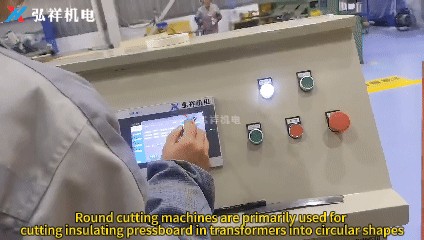
What should operators understand first about Automated transformer electrical layer-pressed wood processing equipment?
Automated transformer electrical layer-pressed wood processing equipment is designed for the precision machining, forming, cutting, slotting, pressing, and processing of insulating laminated wood and related electrical insulation components used in transformer production. For operators, the machine is not just a standard woodworking unit. It is process equipment that directly affects insulation structure accuracy, assembly consistency, and production efficiency in transformer manufacturing.
That is why setup matters so much. If the machine starts with poor alignment, unstable voltage, incorrect tooling, or unverified program parameters, the result is often dimensional deviation, surface damage, material waste, or unplanned downtime. In a transformer workshop, even small errors in electrical layer-pressed wood parts can create fit-up problems later in assembly. A good setup checklist reduces these risks before production begins.
For users and operators, the setup goal is simple: confirm that the equipment, material, tooling, control system, and safety conditions all match the job order. When that happens, Automated transformer electrical layer-pressed wood processing equipment can deliver stable feeding, repeatable positioning, cleaner machining edges, and better overall batch consistency.
What is the most practical pre-start checklist before powering on the machine?
A useful checklist should be easy to follow and detailed enough to prevent missed steps. Before powering on Automated transformer electrical layer-pressed wood processing equipment, operators should verify the machine environment, utility connections, mechanical condition, and process readiness. Skipping any one of these areas can affect startup quality.
1. Power and utility inspection
Confirm that the incoming power supply matches the machine requirement, including voltage stability, phase correctness, and grounding reliability. If the equipment uses compressed air, vacuum suction, hydraulic systems, or dust extraction, verify operating pressure, hose integrity, filter status, and leakage conditions. Unstable air or power often causes clamping failure, alarm events, or inconsistent movement.
2. Machine body and motion system check
Inspect guide rails, transmission parts, spindle area, protective covers, lubrication points, and limit switches. Remove dust, chips, and leftover material from the work zone. Check whether emergency stop buttons, safety doors, and sensors function normally. A clean and mechanically sound machine is essential for precision work on laminated insulating materials.
3. Tooling and fixture confirmation
Make sure cutting tools, pressing tools, drills, milling heads, or forming components are installed correctly and tightened to specification. Inspect tool wear and edge condition. Fixtures, clamps, stops, and locating pins must match the drawing and part size. For Automated transformer electrical layer-pressed wood processing equipment, poor fixture setup is one of the most common reasons for dimensional drift.
4. Program and parameter verification
Load the correct production program and compare it with the current order, drawing revision, and material thickness. Confirm zero point, axis direction, feed rate, spindle speed, pressing pressure, processing depth, and repetition count. If there is a batch switch or product code selection, double-check before running. Wrong parameters may not trigger an immediate alarm, but they can still produce unusable parts.
5. Material readiness check
Inspect electrical layer-pressed wood sheets or blocks for moisture variation, warping, delamination, contamination, and size mismatch. Verify material orientation and grain direction if required by the process. Good materials cannot compensate for poor setup, but poor materials can ruin a perfect setup. Operators should treat both equally seriously.
Which setup points most directly affect accuracy and product quality?
Not every setup item has the same influence on final part quality. In actual production, a few factors usually create the biggest differences. Operators should focus on positioning accuracy, tool condition, machine calibration, and material stability first.
The first key factor is reference alignment. If the work origin, fixture reference, and program coordinates do not match, every part in the batch can be offset. The second is tool sharpness and runout control. Dull or incorrectly mounted tools can cause chipped edges, burn marks, fuzzy surfaces, and inaccurate dimensions. The third is axis repeatability. Even high-quality Automated transformer electrical layer-pressed wood processing equipment needs regular calibration checks to maintain dependable motion accuracy.
The fourth factor is material holding. Layer-pressed wood must remain stable during machining or pressing. If clamping is weak or uneven, vibration and movement can appear during cutting. The fifth factor is environmental control. Excessive dust, temperature swings, and humidity shifts can affect both the machine and insulating material behavior, especially in precision transformer component production.
How should operators calibrate and test Automated transformer electrical layer-pressed wood processing equipment before batch production?
Calibration and trial running should never be treated as optional. Before full production, operators should carry out a dry run, a low-speed verification run, and a first-piece inspection. This sequence confirms both machine movement and actual product output.
Start with axis homing and zero return, then verify sensor feedback and travel limits. If the machine includes pressing or forming stations, check pressure values and movement synchronization. Run the program without material first to confirm path logic, clearance, and cycle sequence. This helps identify interference risks before any tool touches the workpiece.
Next, perform a slow-speed test with sample material. Listen for abnormal vibration, scraping, tool chatter, or inconsistent feed behavior. Measure the first finished part carefully against the drawing. Pay close attention to slot width, thickness control, hole position, angle, and edge condition. If needed, adjust compensation values, fixture pressure, or feed parameters before releasing the machine for normal production.
With Automated transformer electrical layer-pressed wood processing equipment, first-piece approval is especially important because insulating components often need high consistency for downstream transformer assembly. A stable first-piece process reduces cumulative quality issues later.
What common setup mistakes cause downtime or scrap?
Many startup issues are not caused by machine defects but by setup shortcuts. One common mistake is assuming yesterday’s settings still apply today. Material thickness, drawing revision, tool condition, or order quantity may have changed. Reusing old offsets without verification can create an entire batch of nonconforming parts.
Another common error is focusing only on the control screen while ignoring the physical machine state. Operators may load the correct program but fail to notice loose fixtures, worn cutters, blocked dust extraction, or insufficient lubrication. In laminated wood processing, dust buildup can affect both movement and cut quality faster than many users expect.
A third mistake is poor sample confirmation. Some users check only one dimension on the first part, while hidden problems remain in depth, squareness, or edge finish. A fourth mistake is incomplete communication between shifts. If the previous operator changed a fixture, tool length, or pressure setting and did not record it, the next startup becomes risky.
Finally, some operators underestimate safety checks. Automated transformer electrical layer-pressed wood processing equipment may include moving axes, clamping systems, rotating tools, and electrical controls working together. Ignoring emergency stop validation or safety interlock status can turn a quality issue into a safety incident.
How can users judge whether the equipment is ready for stable daily production?
Production readiness is more than successful startup. Operators should look for repeatable behavior over several cycles. If the machine starts normally, runs without alarm, produces qualified first pieces, and maintains stable dimensions across multiple samples, that is a strong sign of readiness. If adjustments continue after every few parts, setup is not complete yet.
Users should also track practical indicators such as cycle time consistency, reject rate during the first hour, vibration level, dust extraction efficiency, and temperature rise in critical components. These signs often reveal hidden issues before a failure occurs. In workshops processing transformer insulating laminated wood, stable daily output depends on both equipment condition and disciplined operating habits.
It is also wise to standardize the setup record. A simple startup sheet listing program name, tool number, fixture type, material specification, zero point method, and first-piece results can greatly improve traceability. When different operators use the same Automated transformer electrical layer-pressed wood processing equipment, this record helps maintain consistency and shortens troubleshooting time.
What should operators ask before installation, training, or process optimization?
If a company is preparing to install, upgrade, or optimize Automated transformer electrical layer-pressed wood processing equipment, operators and production managers should clarify a few practical questions early. First, what material range, thickness range, and part types will be processed most often? Second, which dimensions are most critical for transformer assembly, and what tolerance level must the machine hold in continuous operation?
Third, what supporting conditions are required on site, including power quality, air supply, dust collection, and floor stability? Fourth, what training will operators receive for setup, calibration, daily maintenance, and alarm handling? Fifth, what spare parts and consumables should be stocked to avoid long downtime? Sixth, how will first-piece approval and process verification be documented?
For companies working with an experienced manufacturer such as Gaomi Hongxiang Electromechanical Technology Co., Ltd., these questions help connect machine capability with real transformer production needs. Since the company serves global customers in transformer assembly and the processing of electrical insulating cardboard, insulating laminated wood, and insulating parts, a clear discussion about application, tooling, material behavior, and after-sales support can significantly improve implementation results.
Final question: what should be confirmed first if you want a smoother startup and better long-term results?
The best starting point is not speed but clarity. Confirm the job requirement, machine condition, tooling status, material specification, safety readiness, and first-piece inspection method before production begins. That approach gives operators a reliable routine and gives managers better control over quality and downtime.
In daily use, Automated transformer electrical layer-pressed wood processing equipment performs best when setup is standardized rather than improvised. A disciplined checklist supports safer startup, more accurate machining, and longer machine life. It also helps reduce scrap in transformer insulation component manufacturing, where precision and consistency matter at every stage.
If you need to confirm a specific solution, technical parameters, training scope, installation plan, processing capacity, quotation, or cooperation model, it is best to first discuss your material type, part drawings, required tolerances, target output, workshop conditions, and operator experience level. Those points will make it much easier to match the right setup process and equipment configuration to your production goals.
NAVIGATION
MESSAGE
Request A Quote?