0000-00
Why does correct setup matter for Automated transformer electrical layer-pressed wood processing equipment?
For operators seeking stable output and easier daily production, Automated transformer electrical layer-pressed wood processing equipment plays a vital role in improving accuracy, efficiency, and consistency.
With the right setup, users can reduce material waste, shorten adjustment time, and ensure safer operation.
This guide shares practical setup tips to help maximize equipment performance in transformer insulation board and laminated wood processing.
In transformer production, layer-pressed wood parts must meet strict dimensional and surface requirements.
Even a small setup error can affect slot depth, edge quality, hole position, or bonding performance during assembly.
That is why Automated transformer electrical layer-pressed wood processing equipment should never be started with rough calibration.
A stable installation also protects tools, reduces vibration, and improves repeatability across insulation cardboard and laminated wood batches.
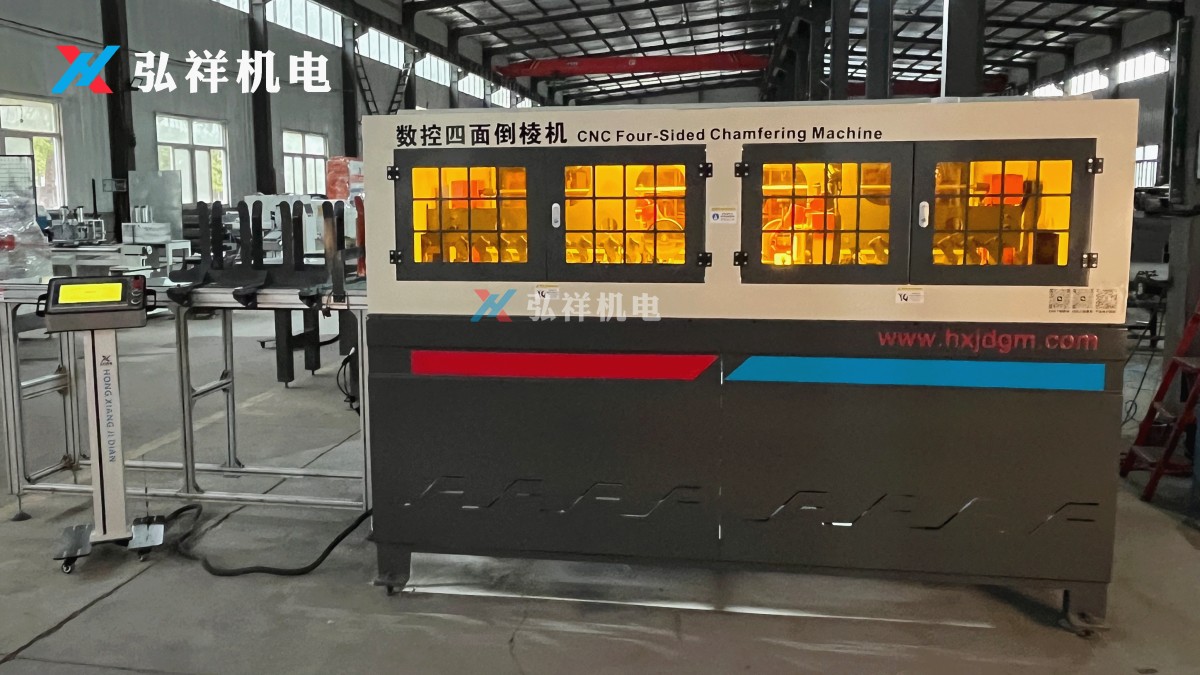
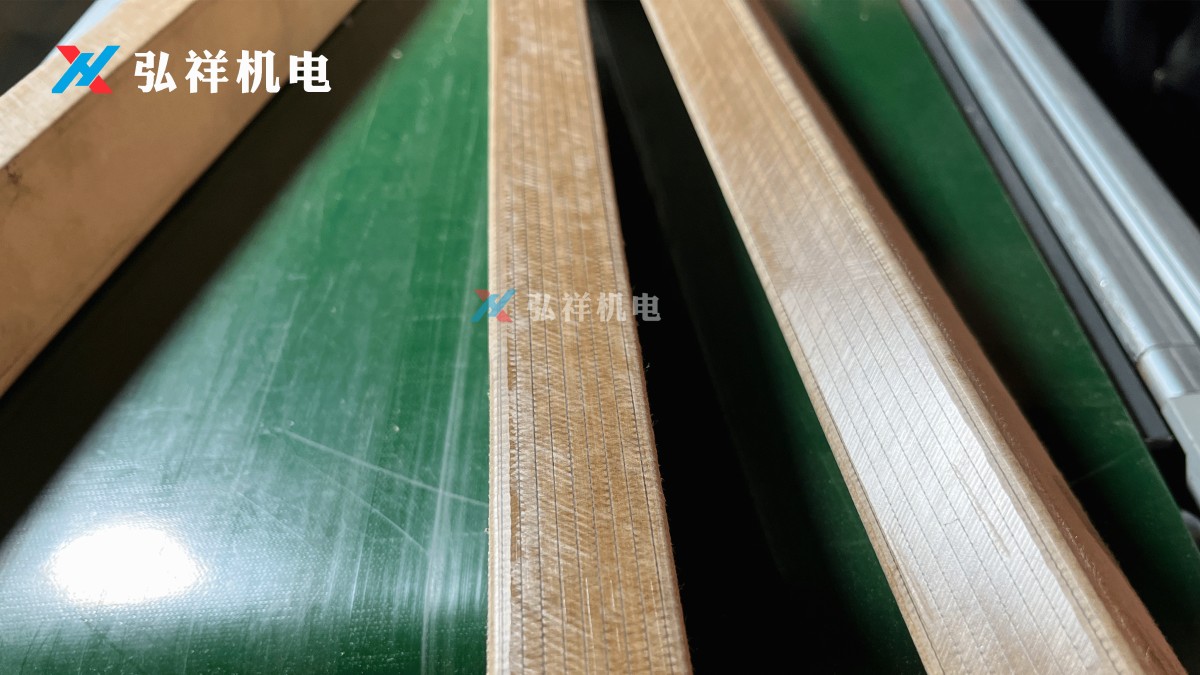
What should be checked before the first startup?
Before power-on, inspect the machine base, electrical system, air supply, lubrication points, and tool mounting condition.
Automated transformer electrical layer-pressed wood processing equipment performs best when the foundation is level and rigid.
Use a precision level to confirm the frame is balanced in both longitudinal and transverse directions.
If the base twists, cutting paths may shift and pressure distribution may become uneven.
Next, verify the power supply matches rated voltage, frequency, and grounding requirements.
Insulation material processing creates fine dust, so cable protection and sealed control cabinets are important.
Check emergency stop buttons, limit switches, and interlock functions one by one.
Compressed air pressure should remain stable if the equipment includes pneumatic clamping or automatic feeding modules.
Low air pressure can cause part movement, while excessive pressure may deform softer insulation materials.
- Confirm anchor bolts are tightened after leveling.
- Inspect spindle rotation direction before full-speed operation.
- Verify lubrication oil and grease points follow the manual.
- Check dust collection pipelines for leakage or blockage.
- Run idle movement to test axes, clamps, and sensors.
How do material properties affect setup parameters?
Laminated wood, insulating cardboard, and molded insulating parts do not respond the same way during cutting and pressing.
Therefore, Automated transformer electrical layer-pressed wood processing equipment must be adjusted according to density, thickness, moisture, and layer structure.
For dense laminated wood, choose a stronger clamping force and suitable spindle speed to avoid burning edges.
For insulating cardboard, softer support and lighter pressure often help prevent crushing marks.
Moisture variation is another key factor.
If material moisture changes significantly, dimensions may drift after machining, especially on long strips or slotted parts.
Store workpieces in a controlled environment before production and avoid mixing old and new batches without testing.
Tool selection must also match material characteristics.
A wrong cutter angle can increase burrs, tear fibers, and overload the Automated transformer electrical layer-pressed wood processing equipment.
How can feeding, clamping, and tool paths be optimized?
Stable feeding and clamping are central to the performance of Automated transformer electrical layer-pressed wood processing equipment.
Uneven feeding introduces alignment errors before cutting even begins.
Start by setting reference edges and checking that all locating surfaces are clean and flat.
Dust or chips trapped under the workpiece can affect finished thickness and slot position.
Clamping force should hold the part firmly without damaging its structure.
For thin pieces, distribute pressure over a wider area.
For thicker laminated wood, verify that clamps resist vibration during heavier cutting.
Tool paths should be tested with a dry run first.
This step helps prevent collisions and reveals inefficient movement that wastes cycle time.
When possible, arrange operations from roughing to finishing.
That sequence lowers tool load and improves surface stability.
- Align the first piece with a verified master sample.
- Set clamp pressure according to material thickness.
- Run a slow-speed path check above the material surface.
- Machine one trial part and record deviation points.
- Adjust feed, depth, and finishing allowance before batch production.
What common setup mistakes reduce quality or safety?
A frequent mistake is copying old parameters without considering new material batches or updated part drawings.
Automated transformer electrical layer-pressed wood processing equipment needs parameter review whenever thickness, hardness, or feature depth changes.
Another mistake is ignoring tool wear.
A dull tool increases heat, roughness, and spindle load, while operators may incorrectly blame the machine.
Poor dust extraction is also serious.
Accumulated dust affects sensors, reduces visibility, and can raise fire risk in dry processing conditions.
Skipping sample inspection during setup is equally costly.
First-piece inspection should cover dimensions, edge condition, slot geometry, and surface integrity.
Do not rely only on control screen values.
Real parts reveal actual machine-material interaction.
- Mistake: excessive clamp pressure. Result: crushed edges.
- Mistake: high feed with worn tool. Result: tear-out and overheating.
- Mistake: unverified zero point. Result: hole or slot offset.
- Mistake: weak suction. Result: dust buildup and unstable cutting.
How should maintenance and training be planned after setup?
Good setup is only the starting point.
To keep Automated transformer electrical layer-pressed wood processing equipment reliable, daily maintenance and practical training should follow a clear routine.
Clean guide rails, suction channels, clamps, and working tables after every shift.
Inspect cutters regularly and replace them before quality starts falling sharply.
Calibration records are valuable.
Track tool life, dimensional drift, alarm history, and parameter changes for each material type.
This makes future setup faster and more repeatable.
Training should include both operation and judgment.
Personnel should know how to identify abnormal sound, tool heat, chip shape, and surface defects early.
For companies expanding transformer insulation production, a supplier with service capability matters.
Gaomi Hongxiang Electromechanical Technology Co., Ltd. integrates R&D, design, production, installation, training, and after-sales support.
Its experience in transformer assembly, insulating materials, and special machine manufacturing supports more efficient implementation.
Quick FAQ table for setup decisions
Final takeaway
Reliable results from Automated transformer electrical layer-pressed wood processing equipment depend on careful preparation, material-based adjustment, and routine verification.
When setup is handled correctly, the machine delivers better precision, lower waste, and smoother transformer insulation part production.
Review current setup steps, compare them with the points above, and build a standard process for every material and part family.
If a production line needs tailored machine support, technical guidance, or integrated transformer manufacturing solutions, taking the next step with an experienced equipment partner can improve long-term performance.
NAVIGATION
MESSAGE
Request A Quote?