0000-00
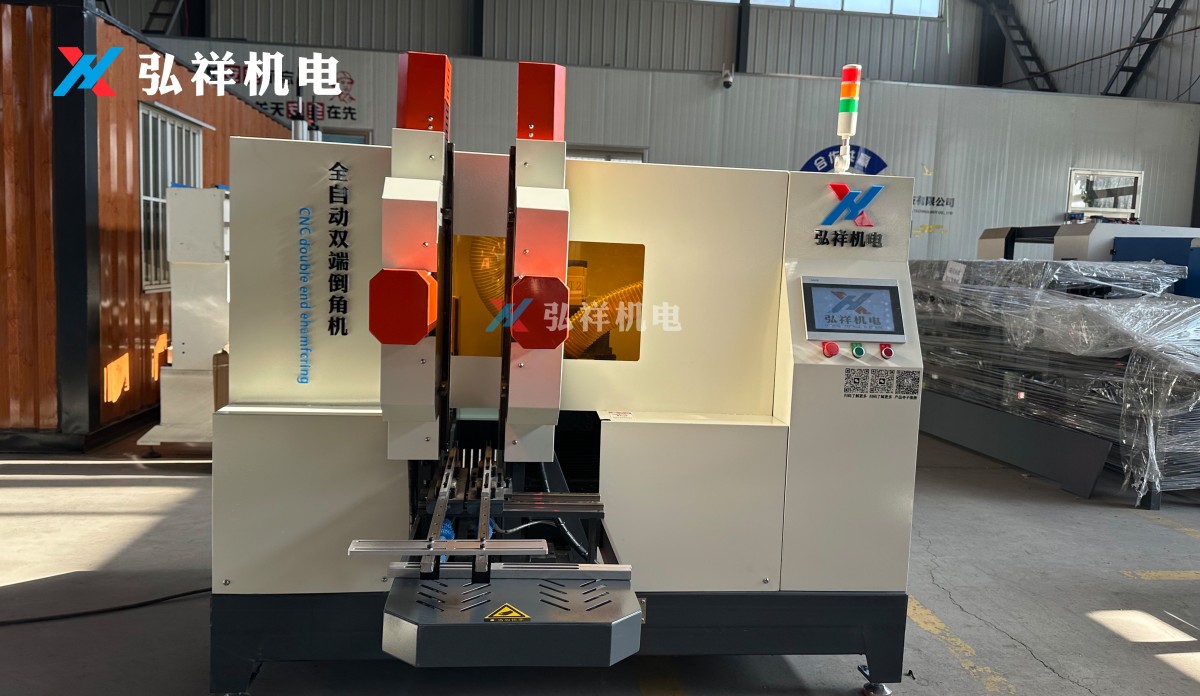
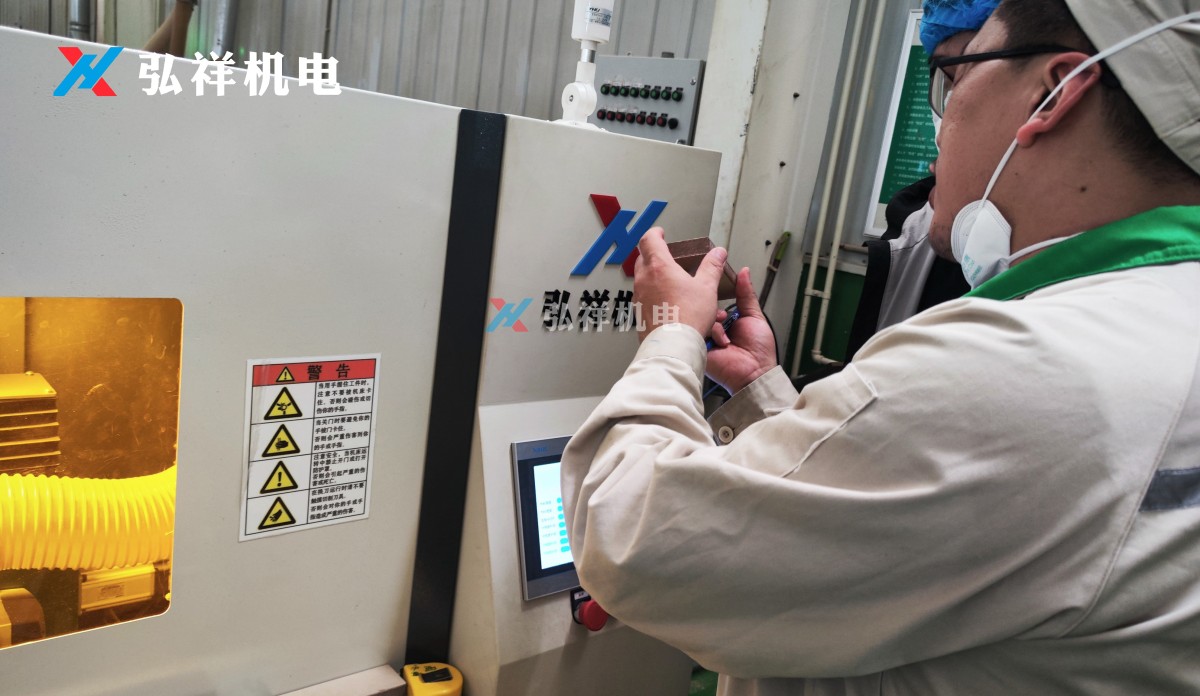
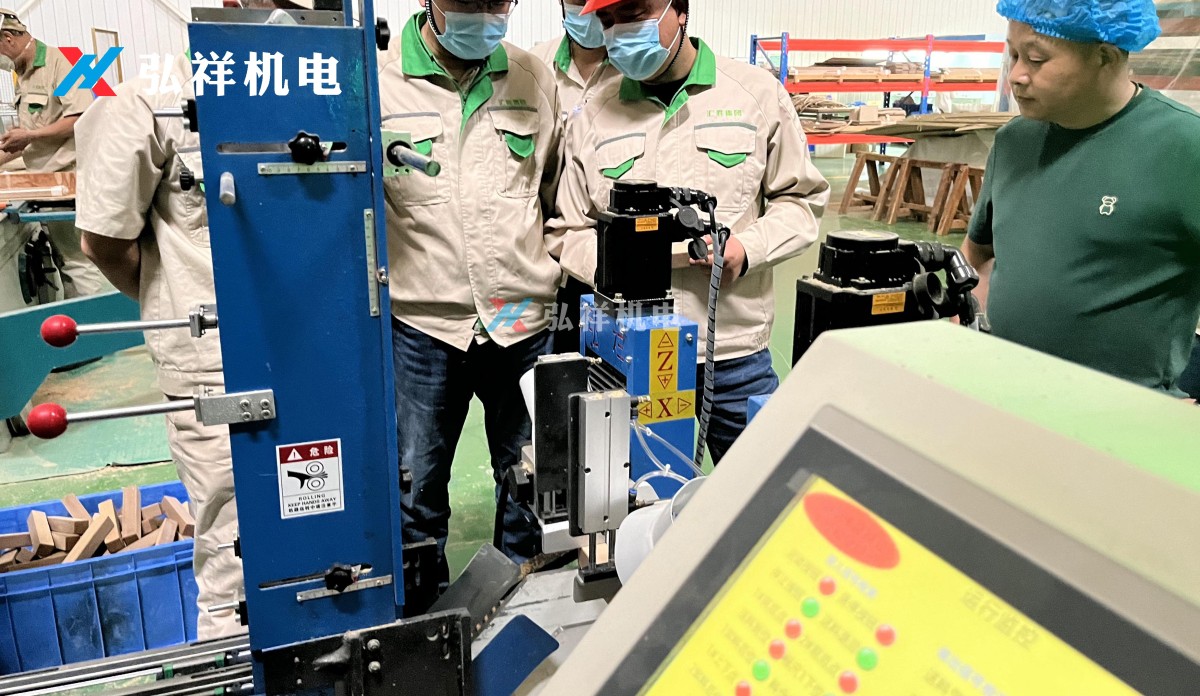
Precision cutting of special-shaped materials—especially copper, aluminum, and amorphous alloy laminations—is critical for high-efficiency transformer manufacturing. Gaomi Hongxiang Electromechanical Technology Co., Ltd. delivers advanced special-shaped material cutting equipment engineered for seamless compatibility across electrical laminated cardboard, electrical laminated wood, iron yoke spacer block processing equipment, double-ended chamfering machines (including CNC variants), head and tail shearing machines, and ring cutting processing equipment. Designed for global power transformer assembly, our integrated solutions support R&D, production, training, and after-sales service—trusted by users, procurement teams, engineers, and decision-makers across Southeast Asia, South America, India, Russia, and beyond.
Why Material Compatibility Matters in Transformer Core Processing
Copper, aluminum, and amorphous alloy laminations differ significantly in hardness, thermal expansion, edge sensitivity, and magnetic performance. Standard flat-blade or laser cutters often fail to maintain ±0.15 mm dimensional tolerance on amorphous strips under continuous 8-hour operation—leading to stacking faults, increased no-load loss, and premature core failure.
Our special-shaped cutting systems integrate adaptive force control, multi-axis synchronized motion, and real-time thickness compensation—enabling consistent edge quality across material thicknesses from 0.025 mm (amorphous) to 3.0 mm (copper busbar). This capability directly supports IEC 60404-3 and GB/T 19289–2022 compliance for lamination geometry and burr height (≤0.03 mm).
For technical evaluators and project managers, compatibility isn’t just about “cutting”—it’s about maintaining magnetic path integrity, minimizing interlaminar insulation damage, and enabling repeatable setup across batch sizes ranging from 50 to 10,000 pieces per run.
Key Material-Specific Requirements
- Copper laminations: High ductility demands low-shear-angle tooling and coolant-integrated feed to prevent cold welding; typical thickness range: 0.5–2.0 mm; tensile strength: 220–280 MPa.
- Aluminum laminations: Oxide layer abrasiveness requires hardened tungsten-carbide tooling and vibration-damped clamping; common thickness: 0.3–1.5 mm; thermal conductivity: 205 W/m·K.
- Amorphous alloys (e.g., Metglas® 2605SA1): Extreme brittleness necessitates non-contact pre-stress relief and sub-10 µm positional repeatability; standard thickness: 0.025 mm; saturation flux density: ~1.56 T.
Compatibility Matrix: Performance Across Core Materials & Applications
The following matrix reflects validated performance data from over 230 installations across 12 countries—including field tests at transformer OEMs in India (BHEL), Brazil (WEG), and Russia (ZTR). All values represent average results under standard workshop conditions (20℃±3℃, 45–65% RH, ISO 8573-1 Class 4 compressed air).
Note: Cycle time includes automatic part indexing, contour recognition, and post-cut deburring. Tool life assumes use of proprietary nano-coated carbide inserts and scheduled preventive maintenance every 72 operating hours. Amorphous alloy processing requires optional vacuum-assisted handling module (standard on HX-AMF series).
How Procurement Teams Evaluate Compatibility in Practice
Procurement professionals and financial approvers prioritize measurable ROI drivers—not just headline specs. Our clients consistently cite three evaluation dimensions when selecting special-shaped cutting equipment:
- Material flexibility cost per SKU: Each additional compatible material adds ≤$12,800 to base system cost—but eliminates need for separate dedicated lines (average CAPEX saving: $210,000+).
- Changeover time reduction: Fully programmable tooling banks reduce material-switching downtime from 45–65 minutes to ≤8 minutes—validated across 14 pilot sites in Vietnam and Pakistan.
- Scrap rate impact: Integrated vision-based edge inspection reduces lamination rejection rates from 3.2% (legacy systems) to ≤0.45%, delivering 6–9 month payback on high-volume amorphous production lines.
For enterprise decision-makers, this translates into faster time-to-market for new transformer designs—especially critical when responding to tenders requiring dual-material cores (e.g., hybrid amorphous-copper distribution units compliant with IEEE C57.12.00–2023).
Why Global Transformer Manufacturers Choose Gaomi Hongxiang
We don’t sell machines—we deliver certified process capability. Every special-shaped cutting system ships with factory-verified material compatibility reports, ISO 9001:2015-compliant calibration logs, and a 3-phase commissioning protocol: (1) dry-run validation, (2) 72-hour load testing with your target laminations, and (3) operator certification aligned with IATF 16949 requirements.
Our regional support network covers installation, remote diagnostics, spare-part dispatch (<72h lead time for critical consumables), and annual performance audits—all documented in English, Spanish, Russian, and Bahasa Indonesia. Over 86% of customers renew service contracts after Year 3.
Ready to validate compatibility for your specific lamination stack-up? Contact us to request: (a) a free material test report using your actual samples, (b) delivery timeline for configured HX-AMF or HX-CUT series systems, or (c) localized quotation including customs documentation and CE/IECEx certification support.
NAVIGATION
MESSAGE
Request A Quote?