0000-00
Selected from "Insulating Materials"
At 10:00 on December 16, the Dejing 106 submarine cable laying vessel came to a stop approximately 700 meters from Weizhou Island's cable landing point. Construction crews began deploying the submarine cable into the sea. At the landing site, directional drilling rigs on shore simultaneously pulled the cable ashore. Once the cable landing was fully completed, a burial plow was deployed to lay the cable along the designated route toward the northern sea.
This is the construction site of the submarine cable laying for the 220 kV Weizhou Island Cross-Sea Interconnection Project of China Southern Power Grid, the first cross-sea interconnection project in the Beibu Gulf of Guangxi.
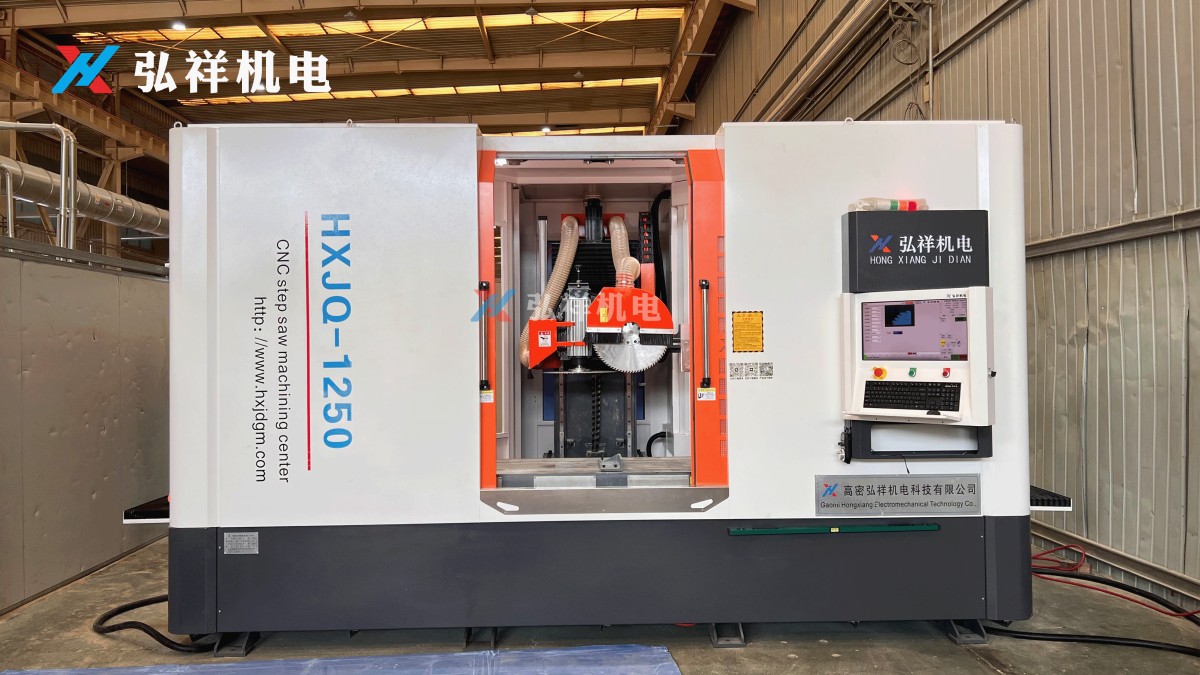
CNC Step Saw
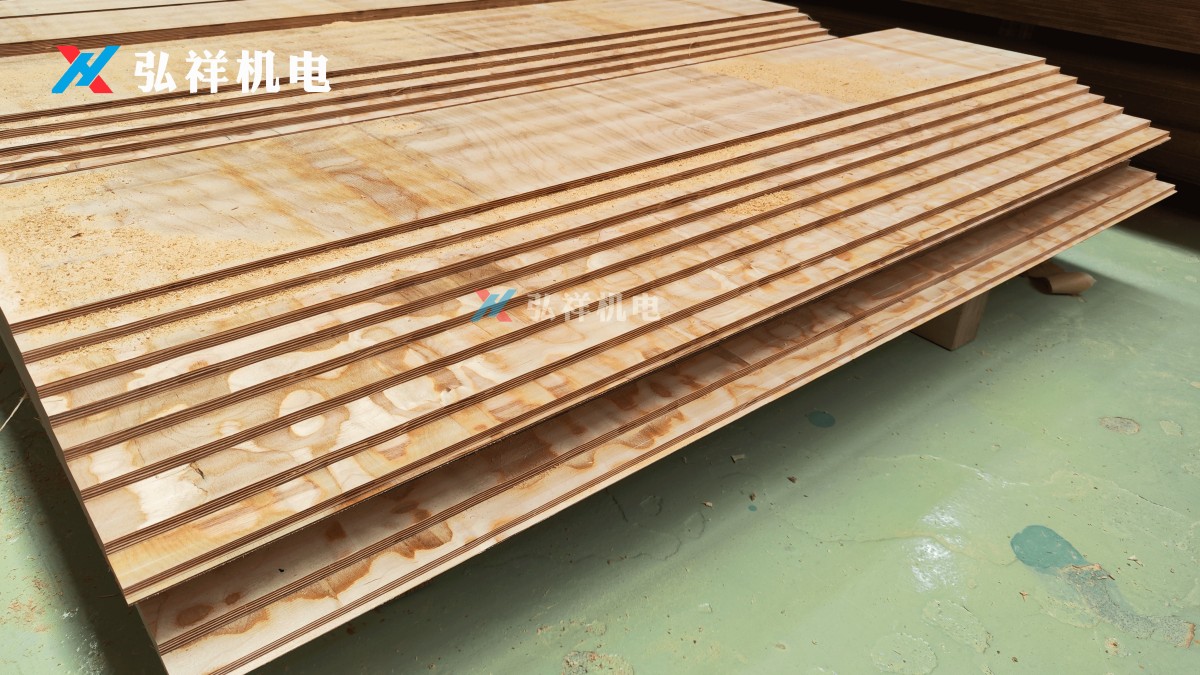
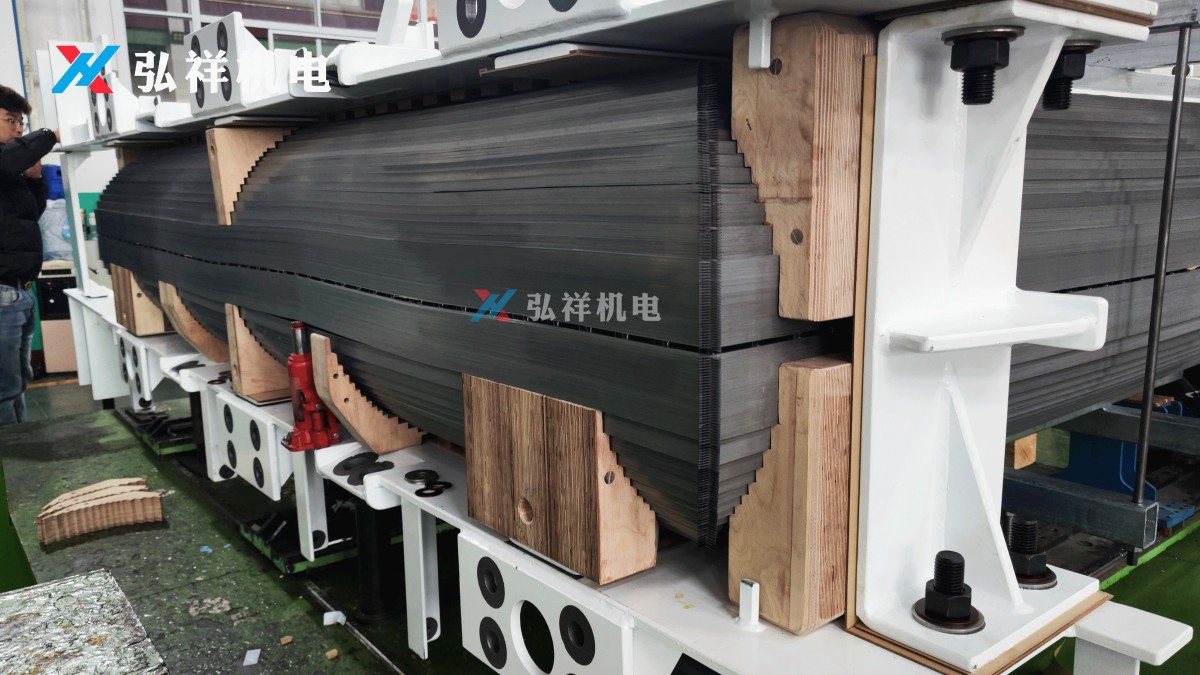
This machine is designed for manufacturingstep blocks used in transformer cores. Itfeatures a unique, domestically developedoperating system that requires no programming, ensuring exceptional ease of use.
The Weizhou Island Cross-Sea Power Grid Interconnection Project, a major energy initiative in the autonomous region, is funded by China Southern Power Grid Guangxi Company with a total investment of approximately 858 million yuan. Spanning from Beihai's 220 kV Dunhai Substation to Weizhou's 220 kV Substation, the project's most complex and critical component involves laying a 44.8-kilometer submarine cable.
Submarine cables demand materials that are not only resistant to seawater corrosion but also capable of withstanding extreme conditions like oceanic pressure and currents. Historically, China's high-voltage submarine cable production relied heavily on imported cross-linked polyethylene (XLPE) insulation. This cross-sea interconnection project has made a historic breakthrough by using domestically developed XLPE insulation for the first time, successfully manufacturing a 220 kV three-core submarine cable with factory-fitted connectors. As the nation's first 220 kV submarine cable using indigenous insulation materials, this achievement has resolved a critical technological bottleneck in China's cable industry.
The project's cable laying involves multiple protection measures, presenting significant technical challenges and stringent construction standards. Given the Beibu Gulf's dense pipeline network and complex sea conditions, the subsea 'Jiaolong' (a Chinese submarine) employs various technological innovations.
The cable-laying vessel is equipped with fully automated construction systems, including a full-rotation automatic control system and a submarine cable burial depth detection system. These systems enable real-time monitoring of the vessel's navigation direction and speed, the laying status and position of underwater plows, as well as the tension of the submarine cable, thereby preventing cable damage during the laying process. "In other words, we not only have' hands 'to work underwater but also' eyes' to monitor the route, ensuring that the entire submarine construction process is observable, measurable, and controllable," explained Chen Qian, project manager of the construction consortium at Guangxi Power Transmission and Transformation Company of China Southern Power Grid.
On the other hand, the project is rich in green initiatives. The submarine cable route passes through the National Aquatic Germplasm Resource Reserve for the Northern Bay's Second Long-spined Grouper and Long-haired Shrimp, as well as the coral reefs around Weizhou Island, demanding higher standards for eco-friendly construction and technological innovation. The construction team implemented a comprehensive protection plan featuring "horizontal directional drilling for pipe penetration, submarine cable burial, cast iron casing, and concrete interlocking piles," reducing dredging volume by approximately 60,000 cubic meters and minimizing the project's impact on marine ecosystems.
According to the construction schedule, the submarine cable laying will take 15 days. In mid-January 2026, the Weizhou Island Cross-Sea Power Grid Interconnection Project will commence acceptance and commissioning. Upon operation, this project will mark the end of Weizhou Island's history of isolated power grid operation.
Gao Mi Hong Xiang Electromechanical Technology Co., Ltd. is a private enterprise specializing in global customer services. The company provides three core product lines: power transformer assembly manufacturing, electrical insulation paperboard, insulation laminated wood, and insulation component processing, along with EVA molding services. It also supports AI-powered specialized machine manufacturing. As a comprehensive provider, it integrates R&D design, production, sales, installation, training, and after-sales services. Its products are widely sold domestically and exported to Southeast Asia, South America, India, Pakistan, Russia, and other regions.

NAVIGATION
MESSAGE
Request A Quote?