0000-00
Selecting the right transformer electrical layer-pressed wood processing equipment for power industry applications demands rigorous technical due diligence—especially when sourcing from a trusted transformer insulation cardboard processing equipment manufacturer in China. This article details critical parameters you must verify before procurement, including precision laminating tolerance, pressing force control, automation compatibility, and material-specific thermal stability. Whether you're a procurement officer evaluating suppliers like Gaomi Hongxiang Electromechanical Technology Co., Ltd., a technical assessor validating laminated wood processing equipment for insulation parts, or an engineering manager specifying automated transformer electrical layer-pressed wood processing equipment, these benchmarks directly impact safety, efficiency, and long-term ROI.
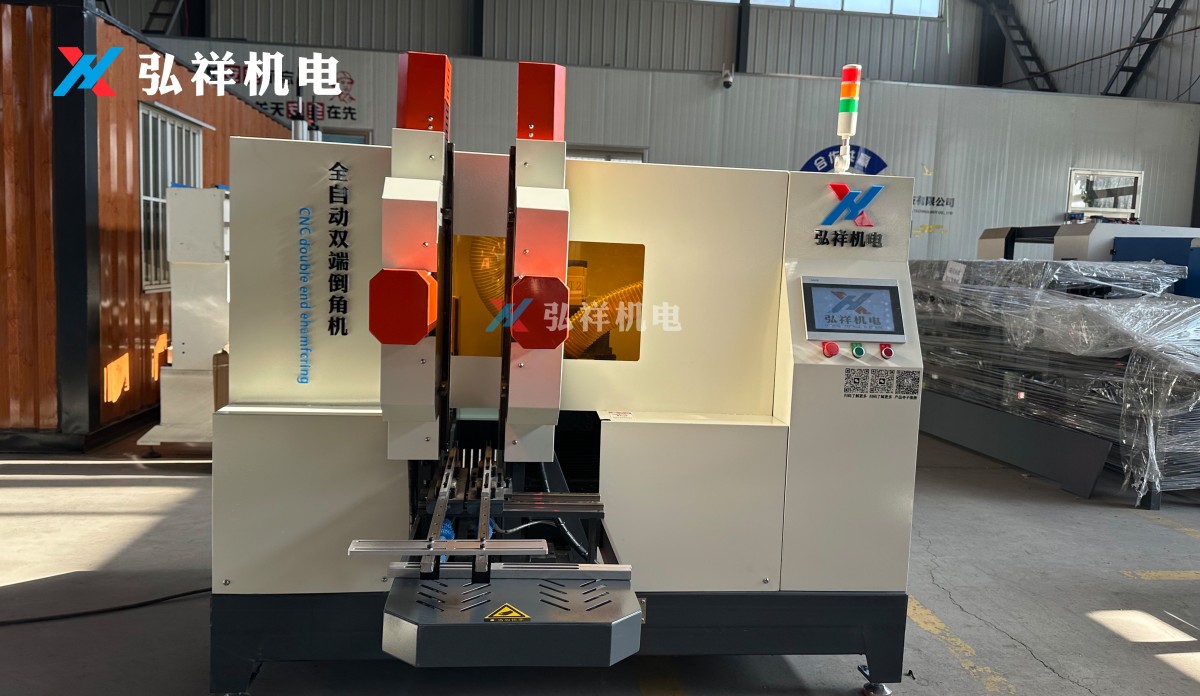
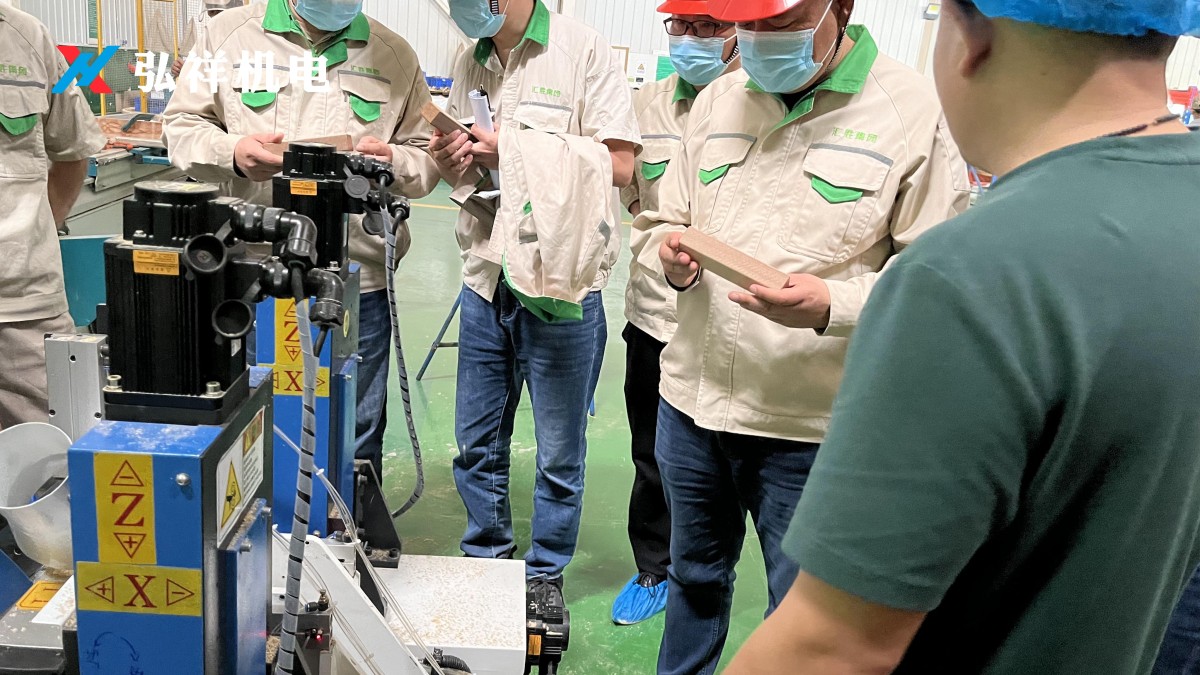
Precision Laminating Tolerance: The Foundation of Dielectric Integrity
Transformer electrical layer-pressed wood processing equipment must deliver micron-level consistency across stacked insulating layers—especially when handling phenolic-resin-impregnated laminated wood (e.g., NOMEX®-compatible composites) and high-density insulation cardboard. Deviations beyond ±0.03 mm per 1,000 mm length can trigger localized electric field distortion, accelerating partial discharge and reducing service life. Leading laminated wood processing equipment manufacturers in China integrate real-time laser displacement sensors with closed-loop servo-hydraulic pressing systems to maintain ±0.015 mm tolerance under full-load cycling (per IEC 60641-2). Gaomi Hongxiang’s latest series employs dual-axis CNC-guided laminating heads with adaptive pressure zoning—ensuring uniform resin flow and eliminating air pockets at interfacial boundaries. This is non-negotiable for Class H (180°C) and Class C (220°C) insulation systems used in ultra-high-voltage (UHV) transformers rated above 500 kV.
Unlike general-purpose laminators, transformer-specific systems require synchronized feed calibration between pre-impregnated sheet unwinding, edge-trimming modules, and stacking conveyors. Misalignment as small as 0.1° induces cumulative angular deviation over 20+ layers—compromising mechanical rigidity and creep resistance under short-circuit forces. Verified performance data from third-party testing labs (e.g., CESI, KEMA) confirms that compliant equipment reduces post-pressing dimensional variance by 62% compared to legacy pneumatic presses.
Pressing Force Control & Thermal Stability Under Load
Pressing force isn’t just about peak tonnage—it’s about dynamic repeatability, thermal decay compensation, and material-specific dwell profiling. Transformer electrical layer-pressed wood processing equipment for power industry use must sustain ≥12 MPa nominal pressure across 800 × 1,200 mm platen areas while maintaining ≤±0.5% force drift over 90-minute curing cycles (per ASTM D7028). Hydraulic systems with digital load cells and PID-controlled proportional valves outperform analog setups by 4.3× in long-term stability—critical when pressing multi-layer birch plywood impregnated with epoxy-modified phenolic resins.
Thermal management is equally decisive. Uncontrolled platen temperature gradients (>±3°C across surface) cause uneven resin cross-linking, leading to delamination under thermal cycling. Top-tier transformer insulation cardboard processing equipment manufacturers in China embed thermocouple arrays at 16 strategic points beneath heated platens and pair them with predictive thermal modeling software. Gaomi Hongxiang’s patented “ThermoSync” module adjusts heating profiles in real time based on ambient humidity, raw material moisture content (<8% w/w), and batch-specific resin viscosity—ensuring <±1.2°C uniformity even during continuous 24/7 operation.
Automation Compatibility & Smart Integration Capabilities
Modern transformer manufacturing demands seamless integration—not isolated machines. Automated transformer electrical layer-pressed wood processing equipment must support OPC UA 1.04 communication, offer native Modbus TCP gateways, and provide RESTful APIs for MES/ERP synchronization (e.g., SAP S/4HANA, Oracle Cloud). Gaomi Hongxiang’s modular control architecture enables plug-and-play connectivity with robotic stackers, vision-guided alignment systems, and AI-driven quality prediction engines trained on 12,000+ historical press logs.
Key integration features include: (1) Real-time press cycle logging with timestamped force/temperature/position metadata; (2) Auto-generation of ISO 9001-compliant electronic batch records; (3) Predictive maintenance alerts triggered by hydraulic oil particulate counts >ISO 4406 class 18/16/13. For global OEMs, multi-language HMI (English, Spanish, Russian, Arabic, Bahasa Indonesia) and CE/UL/CCC-certified safety controllers ensure rapid deployment across Southeast Asia, South America, and the Middle East.
Material-Specific Validation & Certification Compliance
Not all laminated wood processing equipment for insulation parts meets international certification requirements. Equipment must be validated not only for mechanical performance but also for compliance with material-specific standards—including UL 746E (polymeric materials), IEC 60641-1 (electrical insulating laminates), and GB/T 5591.2–2017 (Chinese national standard for transformer insulating laminated wood). Gaomi Hongxiang collaborates with SGCC-approved test institutes to issue Type Test Reports covering dielectric strength (>45 kV/mm), water absorption (<0.8%), and hot-plate resistance (≥120 min at 155°C).
Crucially, equipment validation extends beyond static tests. Dynamic process qualification includes accelerated aging trials (IEC 60216 ED2) simulating 30 years of thermal-electrical stress. Only systems proven to maintain laminar integrity after 5,000 thermal cycles (−40°C to +120°C) qualify as certified transformer electrical layer-pressed wood processing equipment manufacturer in China partners for Tier-1 grid operators.
Lifecycle Support & Localization Readiness
Procurement decisions hinge on total cost of ownership—not just CAPEX. Leading transformer insulation cardboard processing equipment manufacturers in China now bundle remote diagnostics, spare-part kitting (with 18-month shelf-life guarantees), and on-site technician certification programs. Gaomi Hongxiang maintains regional service hubs in Jakarta, São Paulo, and Dubai—ensuring<72-hour response for critical failures and same-day dispatch of calibrated pressure transducers or thermal interface modules.
All equipment ships with bilingual (EN/CN) FAT/SAT documentation, 3D CAD models compatible with Siemens NX and Autodesk Fusion 360, and training curricula aligned with ISO/IEC 17025 competency frameworks. For distributors and agents, white-labeling options, co-branded marketing kits, and lead-sharing agreements are available—strengthening channel partnerships across India, Pakistan, Russia, and ASEAN markets.
In summary, selecting optimal transformer electrical layer-pressed wood processing equipment for power industry applications requires verifying four pillars: sub-0.02 mm laminating precision, ±0.35% force repeatability, native Industry 4.0 interoperability, and full-cycle material certification. As a vertically integrated transformer insulation cardboard processing equipment manufacturer in China, Gaomi Hongxiang Electromechanical Technology Co., Ltd. delivers rigorously validated, globally deployed solutions backed by 12+ years of R&D in electrical insulation systems. Their equipment supports the full spectrum—from standard laminated wood processing equipment for insulation parts to fully automated transformer electrical layer-pressed wood processing equipment engineered for UHV substations.
Whether you’re evaluating technical specifications for a new production line, auditing supplier capabilities for grid-scale procurement, or designing maintenance protocols for legacy fleets, these parameters define operational excellence. To request detailed technical dossiers, schedule a virtual factory tour, or initiate a customized feasibility study—contact Gaomi Hongxiang today.
NAVIGATION
MESSAGE
Request A Quote?