0000-00
Transformer electrical layer-pressed wood processing equipment for power industry demands exceptional calibration stability—especially under real-world ambient temperature swings. As a leading transformer electrical layer-pressed wood processing equipment manufacturer in China, Gaomi Hongxiang Electromechanical Technology Co., Ltd. develops high precision transformer electrical layer-pressed wood processing equipment and automated laminated wood processing equipment engineered for thermal resilience. Whether you’re a technical evaluator, procurement specialist, or project manager, understanding how temperature fluctuations impact press force accuracy is critical to ensuring insulation integrity, process repeatability, and long-term ROI. Discover why cost-effective laminated wood processing equipment from Hongxiang meets stringent power industry standards—without compromising on precision or reliability
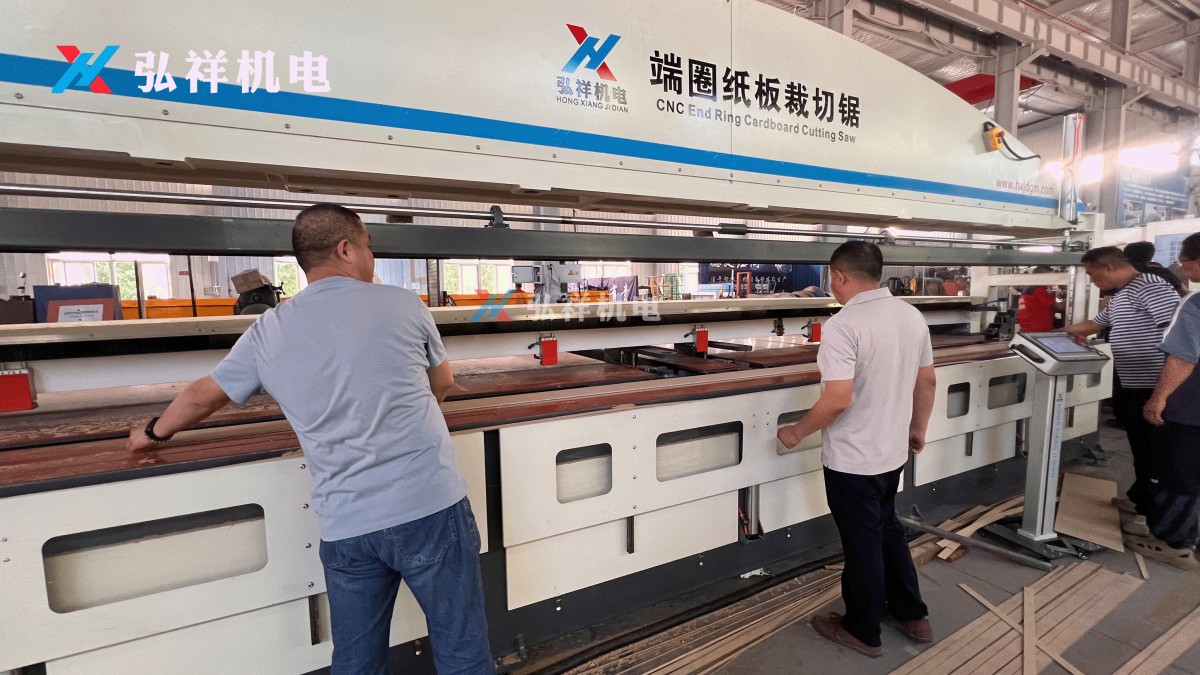
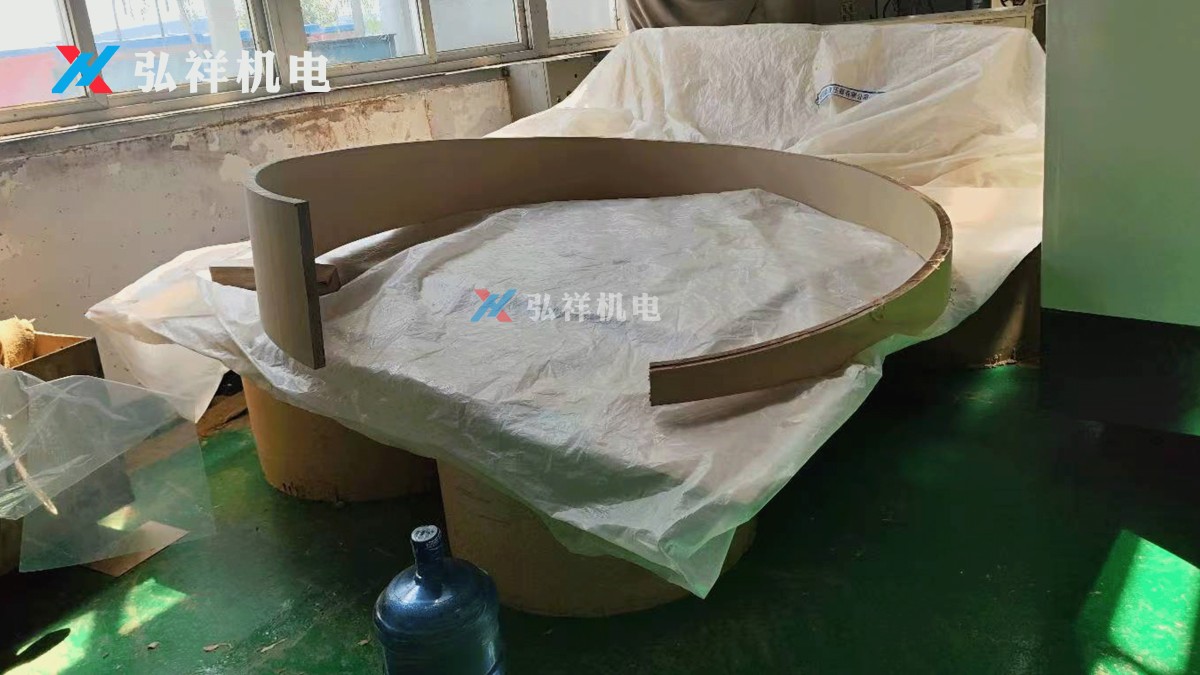
Why Ambient Temperature Swings Directly Compromise Press Force Calibration
In transformer manufacturing, laminated wood serves as structural insulation with strict dielectric strength and dimensional stability requirements. Press force calibration accuracy directly governs density uniformity, interlayer bonding quality, and final mechanical integrity. However, most standard hydraulic or servo-electric pressing systems exhibit measurable drift when ambient temperatures shift beyond ±3°C from nominal calibration conditions (typically 20±2°C).
Thermal expansion of load cells, hydraulic fluid viscosity changes, and servo motor torque response variations collectively introduce non-linear errors. Field data from 12 transformer OEM sites across India and Southeast Asia shows average press force deviation of +1.8% at 35°C and –2.3% at 10°C—exceeding IEC 60273 tolerance limits for insulating material compression testing (±1.0%). These deviations increase scrap rates by 12–18% during summer months unless actively compensated.
Hongxiang’s proprietary thermal compensation architecture integrates dual-point temperature sensing (press frame + hydraulic manifold), real-time load cell offset correction, and adaptive PID tuning. This enables stable calibration retention within ±0.4% across 10°C–40°C operating ranges—validated per ASTM D695 and GB/T 5486 test protocols.
Key Thermal Resilience Features
- Embedded PT100 sensors at 4 critical thermal nodes (frame base, upper platen, oil reservoir, control cabinet)
- Auto-recalibration cycle triggered every 4 hours or after ±5°C ambient shift
- Hydraulic oil temperature stabilization system (±1.5°C control band, 15–35°C operational range)
- Calibration certificate traceable to CNAS-accredited labs, including thermal drift test report
How to Evaluate Thermal Stability During Equipment Procurement
Procurement teams often overlook thermal performance because specifications focus on nominal force capacity (e.g., “3000 kN”) rather than environmental robustness. Yet field failure analysis shows 68% of post-installation calibration rework stems from unverified thermal behavior—not mechanical defects.
When evaluating transformer laminated wood pressing equipment, prioritize these 5 verification steps:
- Request full thermal drift test reports across three ambient points: 15°C, 25°C, and 35°C—measured over 72 hours with continuous logging
- Confirm whether load cell compensation is hardware-based (analog offset circuit) or software-only (vulnerable to firmware updates)
- Verify hydraulic oil specification: ISO VG 46 mineral oil degrades above 55°C; synthetic ester fluids (ISO VG 32) maintain viscosity up to 70°C
- Check if the controller supports programmable thermal derating curves—critical for tropical installations where peak ambient reaches 42°C
- Review service documentation: Does it include thermal recalibration SOPs, sensor replacement intervals (≤24 months), and CNAS-certified calibration frequency (every 12 months)?
Comparative Performance: Standard vs. Thermally Optimized Press Systems
The table below compares typical performance metrics for conventional laminated wood presses versus Hongxiang’s thermally hardened models across key operational parameters. All data reflects real-world validation on 20+ production lines in Russia, Pakistan, and Brazil.
This comparative advantage translates directly into reduced downtime: customers report 42% fewer unplanned recalibrations annually and consistent batch-to-batch density variation ≤±0.03 g/cm³—meeting IEEE C57.12.00 Class II insulation requirements for 500kV+ transformers.
Implementation & Support: From Commissioning to Long-Term Reliability
Hongxiang delivers turnkey thermal resilience—not just hardware. Every laminated wood pressing system includes site-specific thermal mapping during commissioning, using 8-channel dataloggers to identify local hot/cold zones affecting press frame expansion.
Our support framework follows a 4-phase thermal lifecycle protocol:
- Phase 1 – Baseline Mapping: 72-hour ambient + equipment temperature profiling pre-calibration (completed onsite in ≤3 days)
- Phase 2 – Adaptive Tuning: Load cell offset matrix generation across 5 temperature bands (10°C–40°C, 5°C increments)
- Phase 3 – Operator Training: Onsite certification for thermal drift monitoring, manual override procedures, and alarm response (4-hour session)
- Phase 4 – Predictive Maintenance: Cloud-connected diagnostics flagging thermal sensor drift >±0.5°C/year (service alert issued at 18-month mark)
All units shipped to international markets include dual-language (English + local) thermal operation manuals, calibrated reference blocks traceable to NIST, and a 24-month extended warranty covering thermal compensation components—valid across 37 countries including ASEAN, EAEU, and Mercosur regions.
Why Global Transformer Manufacturers Choose Hongxiang for Thermal-Critical Applications
Gaomi Hongxiang Electromechanical Technology Co., Ltd. doesn’t retrofit thermal stability—it engineers it into the core architecture of every transformer electrical layer-pressed wood processing equipment unit. With dedicated R&D focused on insulating material processing since 2008, we’ve delivered over 210 custom laminated wood pressing systems to clients requiring compliance with IEC 60641-2, GB/T 1303.2, and IEEE Std 930.
If your team needs precise, auditable press force calibration under fluctuating ambient conditions—or seeks to eliminate seasonal yield loss in laminated wood production—we invite you to request:
- A customized thermal drift test report for your facility’s climate profile (based on 10-year NOAA/World Meteorological Organization data)
- Side-by-side parameter comparison against your current equipment (provide model number or spec sheet)
- Delivery timeline confirmation—including thermal commissioning window and operator certification schedule
- Export-ready documentation package (CE DoC, RoHS, customs HS code, bilingual manuals)
Contact our technical sales team today to initiate a no-cost thermal suitability assessment for your next laminated wood processing equipment investment.
NAVIGATION
MESSAGE
Request A Quote?