0000-00
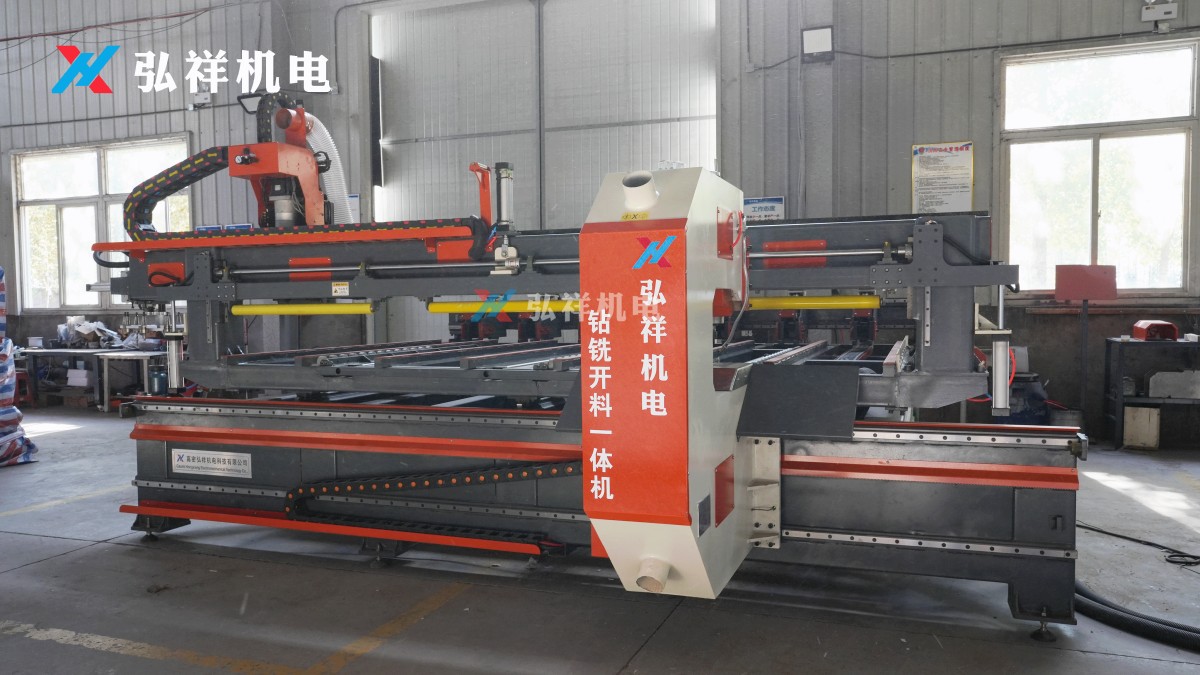
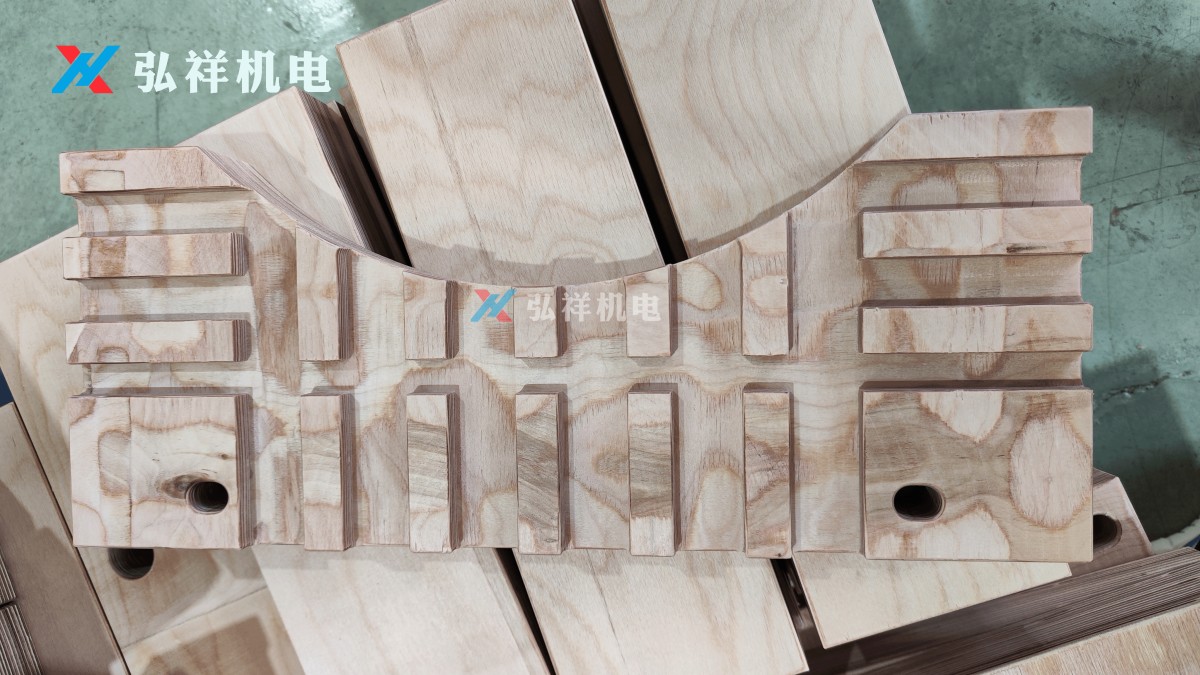
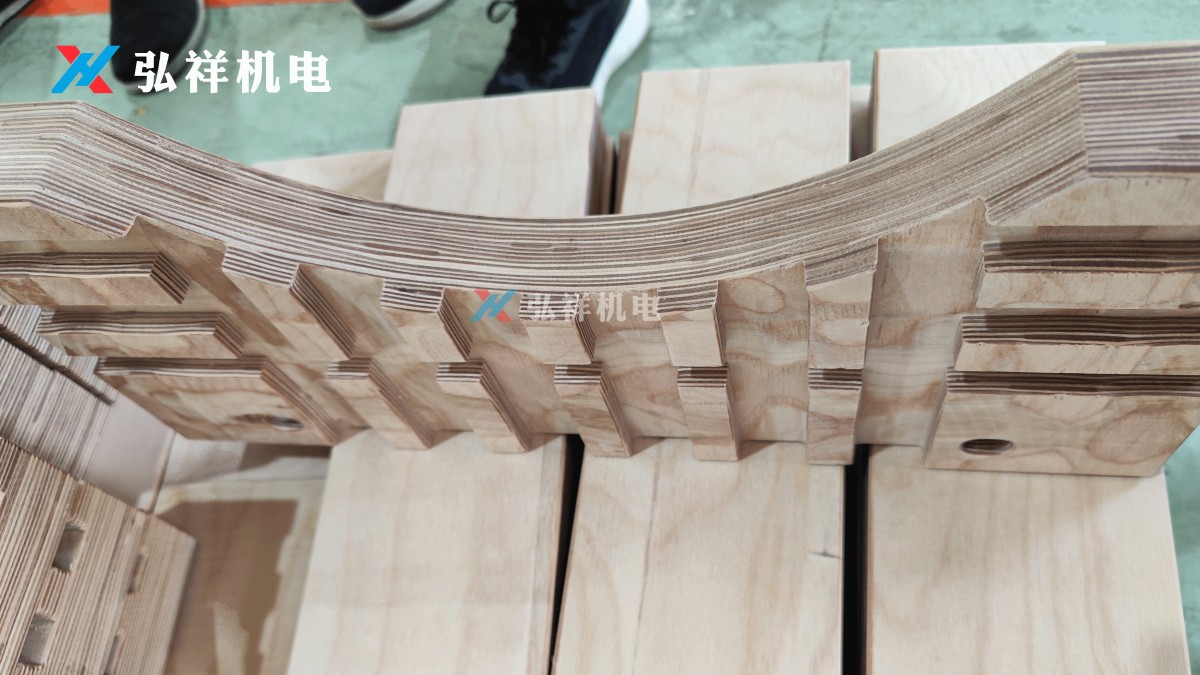
In the power industry, high-precision transformer electrical layer-pressed wood processing equipment for power industry isn’t just about pressing—it’s about intelligent, end-to-end moisture control across the entire workflow. Unlike conventional transformer insulation parts processing equipment for electrical insulation, Gaomi Hongxiang’s cost-effective transformer electrical layer-pressed wood processing equipment integrates real-time humidity monitoring, adaptive drying, and AI-supported lamination—ensuring dimensional stability and dielectric integrity. As a leading transformer electrical layer-pressed wood processing equipment manufacturer in China, we serve global clients from India to South America with automated, ISO-compliant solutions—from laminated wood processing equipment for insulation parts to transformer insulation cardboard processing equipment for EVA molding.
Why moisture control spans the full process—not just the drying station
Moisture content in insulating laminated wood directly impacts dielectric strength, mechanical rigidity, and long-term aging resistance. Industry standards such as IEC 60641-2 and GB/T 5591.2 specify ≤3.5% moisture by weight for Class E–F insulation systems—but achieving this consistently requires coordinated control across material handling, pre-drying, hot-pressing, and post-lamination conditioning.
Conventional setups treat drying as a standalone stage: wood veneers enter at ~8–12% MC, pass through a tunnel dryer (typically 60–90 min at 85–105°C), then move to pressing. Yet unmonitored ambient shifts during transfer, uneven veneer stacking, or thermal lag in press platens can reintroduce 0.8–1.4% moisture variation—enough to cause delamination under thermal cycling or reduce partial discharge inception voltage by up to 22%.
Gaomi Hongxiang’s integrated approach embeds moisture sensors at three critical nodes: upstream of pre-dryer (infeed), mid-process at press entry, and post-cooling before stacking. Each reading feeds into an adaptive PLC algorithm that adjusts drying time (±5–15 min), press temperature ramp rate (±3°C/min), and dwell pressure profile (±0.2 MPa) in real time—reducing batch moisture deviation to ±0.3% across 100+ mm thick laminates.
Core moisture-sensitive process stages
- Material storage & acclimatization (target: 20–25°C, 45–55% RH for ≥48 h before processing)
- Pre-drying zone (conveyor speed: 0.3–0.8 m/min; exit MC target: 5.0–6.2%)
- Hot-press lamination (130–160°C, 1.2–2.0 MPa, dwell time: 3–8 min depending on thickness)
- Controlled cooling & stabilization (≤0.5°C/min gradient; final MC verification before packaging)
How transformer electrical layer-pressed wood processing equipment differs from generic laminators
Standard industrial laminators prioritize throughput and surface bonding—not dielectric homogeneity. Transformer-grade laminated wood demands uniform resin penetration, zero micro-voids at interlayers, and strict fiber alignment tolerance (±0.5°). These requirements drive specialized mechanical, thermal, and sensing architecture.
Gaomi Hongxiang’s equipment features dual-zone hydraulic pressing (upper/lower platens independently controlled), vacuum-assisted resin infusion (−0.092 MPa minimum), and IR-based surface temperature mapping across 128 points per platen. This enables precise thermal profiling—critical when processing phenolic-impregnated beech or birch veneers with varying density gradients (0.62–0.78 g/cm³).
The table highlights how functional specialization translates into measurable reliability gains: units deployed in Pakistan and Brazil report<1.2% rework rate for 35 kV–500 kV transformer core support blocks—versus industry-average 4.7% for non-integrated systems.
Procurement checklist: 5 non-negotiable evaluation criteria
When evaluating transformer electrical layer-pressed wood processing equipment, procurement teams must go beyond price and footprint. Technical, compliance, and lifecycle factors determine true TCO over a 10–15 year service life.
- Real-time moisture traceability: Does the system log and export MC readings per batch (with timestamp, operator ID, and sensor calibration status)? Required for ISO 9001:2015 Clause 8.5.2.
- Press platen flatness tolerance: Must be ≤±0.05 mm/m across full working area (measured at 25°C ambient); verified via laser interferometry report.
- Resin compatibility validation: Vendor must provide test reports for ≥3 common resins (e.g., phenolic, epoxy-modified phenolic, melamine-formaldehyde) at specified viscosity ranges (150–800 cP @ 25°C).
- After-sales response SLA: On-site technical support ≤72 h for critical faults; remote diagnostics available 24/7 with secure VPN access.
- Documentation completeness: Full CE/UKCA declaration, electrical safety certification (IEC 60204-1), and EMC testing report included with delivery.
Global deployment readiness: From India to South America
Gaomi Hongxiang designs for regional operational realities—not just factory-floor specs. Our transformer electrical layer-pressed wood processing equipment includes configurable voltage input (380 V / 400 V / 415 V / 440 V, 50/60 Hz), corrosion-resistant stainless steel framing (ISO 12944 C4 rating), and multilingual HMI (English, Spanish, Hindi, Russian, Portuguese).
For customers in high-humidity regions like Southeast Asia, optional dehumidified air purge kits maintain ≤40% RH inside press chambers during standby—preventing condensation-induced resin bloom. In Russia and Canada, extended low-temp operation packages enable stable control down to −25°C ambient.
All systems undergo 96-hour continuous load testing pre-shipment, with full FAT documentation (including pressure decay tests, thermal uniformity maps, and moisture repeatability charts). Average lead time: 12–16 weeks from PO confirmation—including customs documentation for export to 23 countries.
Why choose Gaomi Hongxiang for your next transformer insulation manufacturing upgrade
You’re not buying machinery—you’re investing in repeatable insulation performance, audit-ready compliance, and scalable production capacity. Gaomi Hongxiang delivers certified turnkey capability: from laminated wood processing equipment for insulation parts to EVA molding lines and AI-integrated quality gateways.
We invite you to request: (1) a detailed parameter sheet matching your target laminate thickness (20–120 mm), resin type, and output volume (small-batch R&D to 200+ tons/month); (2) FAT video walkthrough of an identical configuration shipped to India in Q2 2024; (3) cross-reference list of certified third-party labs validating our moisture control claims (SGS, TÜV Rheinland, BV).
Contact us today for a no-obligation technical consultation—including ROI analysis based on your current rework rate, energy costs, and labor utilization metrics.
NAVIGATION
MESSAGE
Request A Quote?