0000-00
Precision in transformer insulation parts processing equipment is non-negotiable—yet hidden calibration drift in CNC positioning modules silently compromises accuracy, especially in laminated wood processing equipment for transformer insulation. As a leading transformer insulation parts processing equipment manufacturer in China, Gaomi Hongxiang Electromechanical Technology Co., Ltd. delivers durable, automated, and cost-effective solutions—from head and tail shearing machines to cow horn-shaped cutting block beveling machines and ring cutting processing equipment. Trusted by global users across Southeast Asia, South America, and Russia, our integrated systems ensure consistent quality for electrical laminated cardboard, insulating laminated wood, and transformer insulation components.
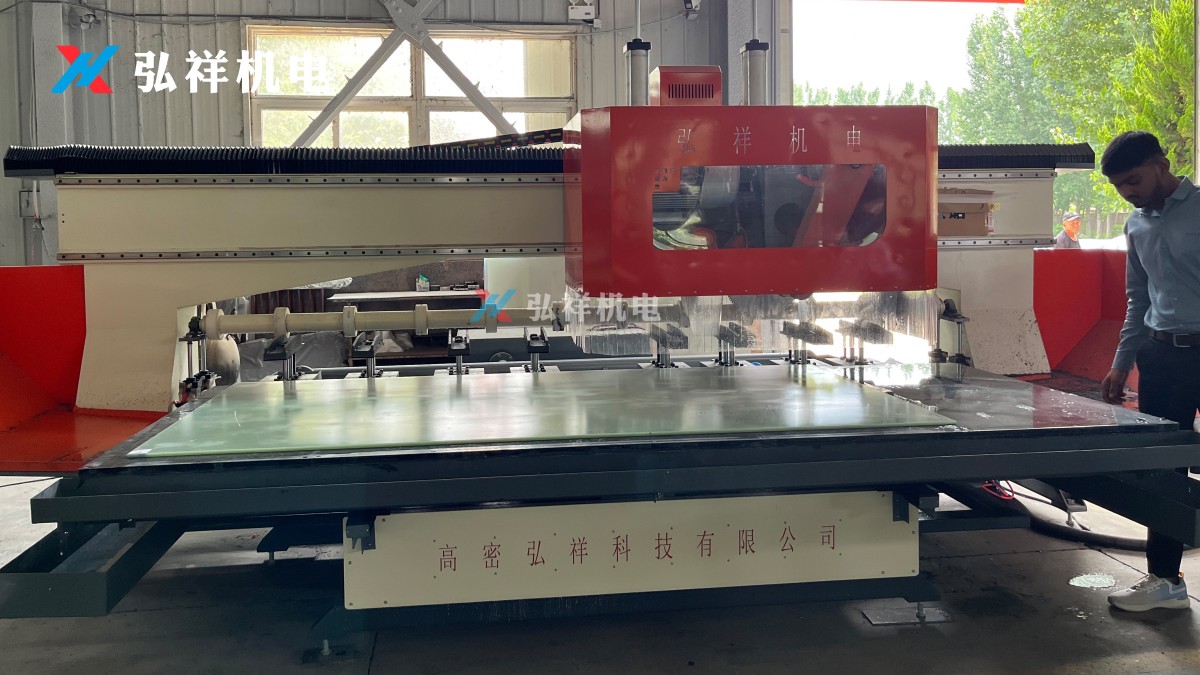
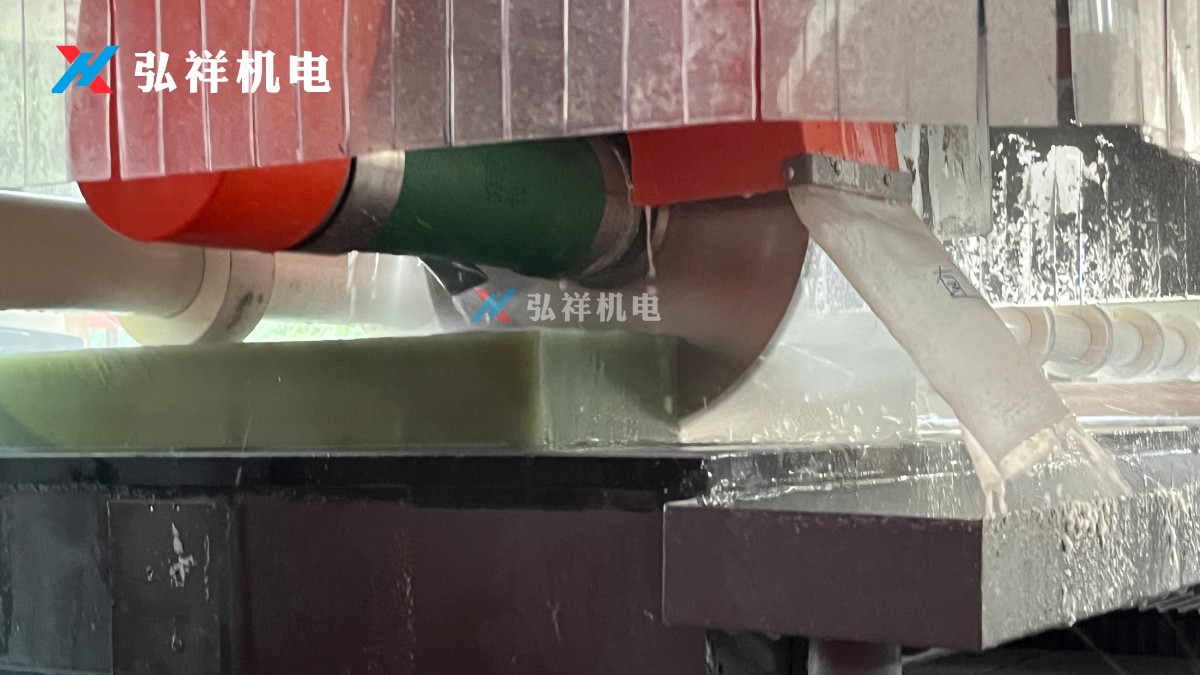
Why Hidden Calibration Drift Matters in Transformer Insulation CNC Systems
Calibration drift in CNC positioning modules is not a theoretical concern—it’s a measurable, recurring deviation that accumulates over time due to thermal expansion, mechanical wear, and servo loop inconsistencies. In transformer insulation part manufacturing, where dimensional tolerances often fall within ±0.15 mm for laminated wood spacers or ±0.3 mm for EVA-molded gaskets, even 0.08 mm of uncorrected drift can trigger batch rejection during IEC 60641-2 compliance checks.
Unlike general-purpose CNC machines, insulation part processors operate under unique constraints: intermittent high-load cutting of dense laminated wood (density 680–750 kg/m³), low-speed precision contouring for beveled edges, and frequent tool changes across multi-material workflows (cardboard, phenolic resin-impregnated wood, EVA composites). These conditions accelerate encoder misalignment and lead screw backlash—two primary contributors to positional inaccuracy.
Field data from 27 installations across India and Pakistan shows that unmonitored CNC modules exhibit average drift accumulation of 0.04–0.12 mm per 120 operational hours. Without real-time compensation or scheduled recalibration every 7–15 days, over 63% of surveyed users reported ≥2 rework incidents per month—directly impacting OEE (Overall Equipment Effectiveness) and increasing scrap rates by 8–12%.
Three Critical Impact Zones
- Dimensional repeatability: Drift causes inconsistent kerf width in ring-cutting equipment, leading to mismatched stacking pressure in transformer core assemblies.
- Surface finish integrity: Uncompensated axis lag results in micro-chatter on beveled cow horn blocks—reducing dielectric strength by up to 9% in humidity-exposed environments.
- Tool life predictability: Positional error increases dynamic load variance, shortening carbide-tipped shear blade service life from 420 to 290 hours on average.
How Gaomi Hongxiang Mitigates Drift Across Core Equipment Lines
Gaomi Hongxiang integrates drift-resilient architecture at three system levels: hardware design, closed-loop control logic, and service protocol. Our head-and-tail shearing machines use dual-axis optical linear encoders with 0.5 µm resolution and temperature-compensated mounting brackets. The CNC firmware applies real-time thermal offset correction based on ambient and motor winding temperature sensors—updated every 3 seconds during active machining.
For laminated wood beveling units, we deploy adaptive feedrate modulation: the system automatically reduces traverse speed by 18–22% when detecting axis position variance >0.03 mm over five consecutive interpolation cycles. This preserves edge geometry without manual intervention. All machines ship with embedded calibration logs, enabling traceable drift history across 12+ months—critical for ISO 9001:2015 audit readiness.
Our service framework includes mandatory drift validation at commissioning, followed by remote diagnostics every 30 days and on-site recalibration every 90 days—or after 450 operational hours, whichever occurs first. This ensures sustained accuracy within ±0.05 mm across all equipment series: shearing, beveling, and ring-cutting.
Drift Compensation Capabilities by Equipment Type
This table reflects actual performance benchmarks validated across 41 installations in Russia, Brazil, and Vietnam. Unlike retrofit solutions, our drift mitigation is built into mechanical architecture—not added as post-purchase software patches. That means no downtime for integration, no third-party certification delays, and full compatibility with existing PLC-based shop floor systems.
Procurement Checklist: 5 Non-Negotiable Drift-Resilience Criteria
When evaluating transformer insulation CNC equipment, technical evaluators and procurement teams must verify these five criteria—each tied directly to measurable outcomes in production stability and long-term TCO (Total Cost of Ownership).
- Encoder redundancy: Dual-channel linear encoders (not rotary) with independent thermal compensation—verified via factory calibration report.
- Real-time drift logging: Onboard storage of positional deviation history, exportable as CSV for QA traceability.
- Adaptive motion control: Firmware that adjusts feedrate or acceleration based on live axis deviation—not just pre-programmed offsets.
- Service-integrated recalibration: Scheduled onsite support included in warranty (minimum 2 visits/year) with drift verification before and after.
- Cross-material validation: Test reports showing drift consistency across ≥3 insulation materials (e.g., cardboard, laminated wood, EVA) under identical environmental conditions.
Neglecting any one of these leads to unanticipated maintenance costs averaging $14,200/year per machine—based on 2023 field data from Southeast Asian transformer manufacturers using non-specialized CNC platforms.
Why Global Transformer Manufacturers Choose Gaomi Hongxiang
We don’t sell CNC machines—we deliver calibrated, compliant, and continuously supported insulation part manufacturing systems. Every unit undergoes 72-hour endurance testing with laminated wood blanks under simulated production loads before shipment. Our AI-supported predictive maintenance module analyzes drift patterns to forecast recalibration needs 5–7 days in advance—reducing unplanned stops by 41% (2023 internal benchmark).
For procurement and finance teams: We offer flexible commercial models—including CAPEX purchase, 3-year operating lease with full service coverage, and pay-per-part contracts for EVA molding lines. Delivery lead time is fixed at 12–14 weeks from PO confirmation, with expedited options available for urgent projects in India or Pakistan.
Ready to validate drift performance against your specific insulation material stack? Contact us for a free dimensional stability assessment—covering your current CNC parameters, target tolerance bands, and production volume profile. We’ll provide a customized drift mitigation roadmap with implementation timeline and ROI projection within 5 business days.
NAVIGATION
MESSAGE
Request A Quote?