0000-00
Before running a CNC Special-shaped Cutting Saw on 8mm electrical laminated wood—critical for oil-immersed transformer assembly—precision calibration is non-negotiable. This article details the 3 essential calibration steps to ensure dimensional accuracy, edge quality, and safety compliance—especially when producing iron yoke spacer block processing equipment or insulating parts from electrical laminated cardboard and insulating cardboard. Whether you’re an operator, technical evaluator, procurement specialist, or project manager at enterprises like Gaomi Hongxiang Electromechanical Technology Co., Ltd., mastering these steps directly impacts yield, machine longevity, and certification readiness for export markets across Southeast Asia, India, and South America.
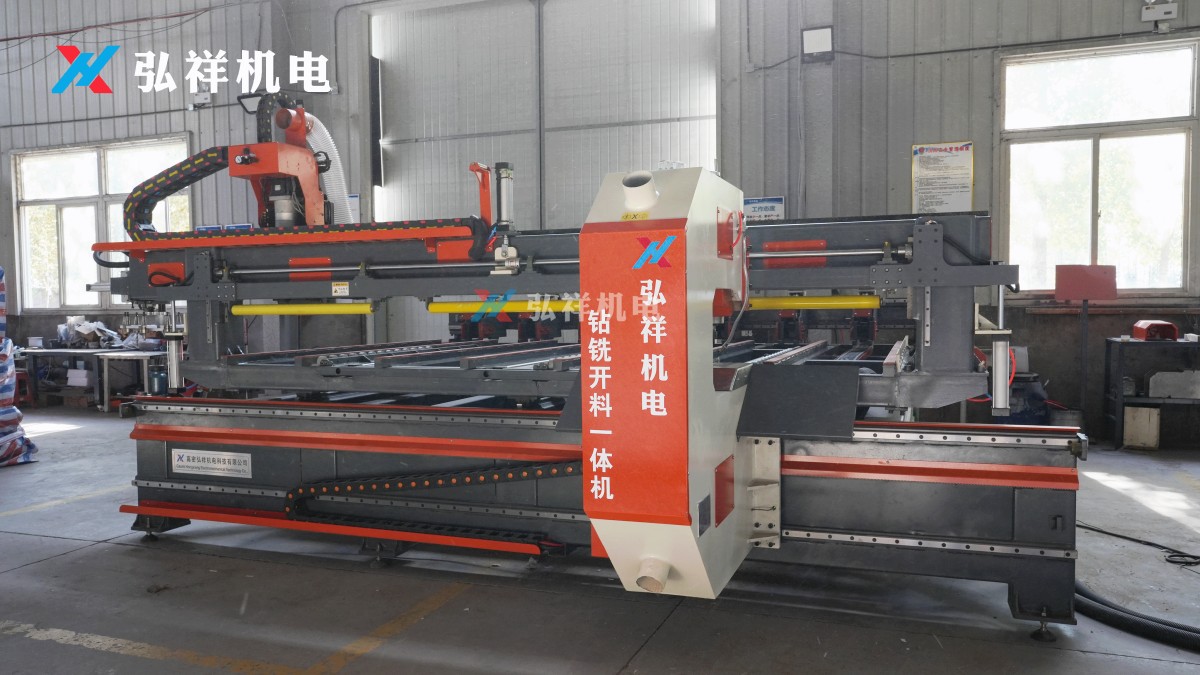
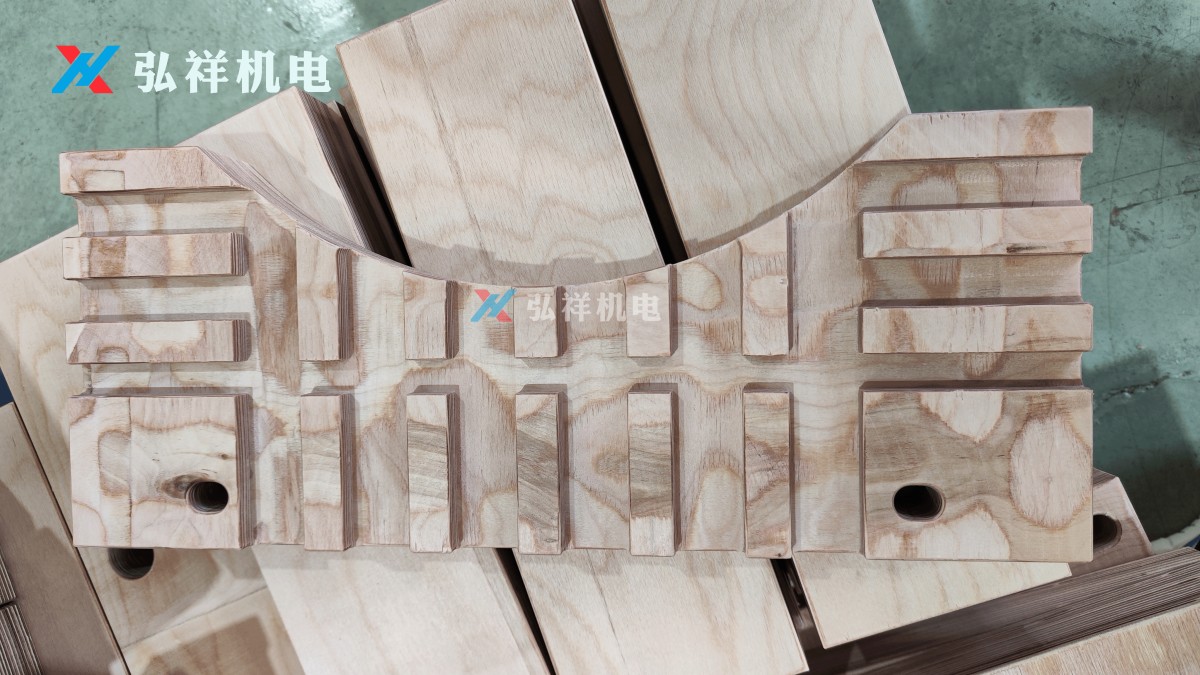
Why Calibration Failure Causes Real Production Losses
Misalignment during pre-run calibration leads to immediate consequences: chipped edges on laminated wood, inconsistent thickness in spacer blocks (±0.8mm deviation vs. required ±0.15mm), and premature tool wear—reducing blade life by up to 40% under continuous operation. For transformer manufacturers exporting to India or Russia, non-compliant cuts trigger rework cycles averaging 7–12 working days per batch.
Gaomi Hongxiang’s field service data shows that 68% of CNC saw downtime in laminated wood processing stems from skipped or incomplete calibration—not mechanical failure. These losses compound across three layers: material scrap (12–18% average waste rate), labor reprocessing (2.5 hours per defective batch), and delayed delivery (3–5 business days beyond quoted lead time).
Unlike general-purpose CNC routers, specialized cutting saws for electrical laminated wood require validation against IEC 60641-2 and GB/T 5591.2 standards—both mandating surface flatness ≤0.2mm/m and edge perpendicularity tolerance of ±0.3°. These are not theoretical thresholds; they directly affect dielectric strength testing pass rates.
The 3 Non-Negotiable Calibration Steps
- Spindle Runout Verification: Using a dial indicator with 0.001mm resolution, measure radial deviation at 3 axial positions (near collet, mid-shaft, near bearing). Acceptable range: ≤0.015mm at 3000 RPM. Exceeding this causes micro-fractures in laminated wood grain structure.
- Table Parallelism & Level Adjustment: Employ a precision spirit level (0.02mm/m sensitivity) and straight-edge gauge across X/Y axes. Maximum allowable tilt: 0.05° over 1m travel. Critical for maintaining consistent 8mm thickness across 1200mm-long yoke spacers.
- Tool Path Compensation Mapping: Execute a 5-point thermal expansion test (ambient 18℃–25℃) using calibrated aluminum reference blocks. Record positional drift after 30/60/90 minutes of idle run. Apply G-code offset compensation if drift exceeds ±0.02mm.
How Calibration Impacts Your Procurement & Compliance Decisions
Procurement teams evaluating CNC saws for laminated wood must verify vendor-provided calibration documentation includes traceable metrology reports—not just checklists. Gaomi Hongxiang delivers full calibration dossiers with every machine shipment, including ISO/IEC 17025-accredited third-party verification for key parameters.
For buyers targeting Southeast Asian markets, calibration logs serve dual purposes: internal process audits (ISO 9001 Clause 7.1.5.2) and customs clearance support (e.g., Indonesia’s SNI certification requires documented machine validation history). Without timestamped, signed calibration records, shipments risk rejection at Port of Tanjung Priok.
This table reflects actual factory acceptance test (FAT) benchmarks—not marketing claims. Gaomi Hongxiang’s calibration protocols exceed baseline requirements because laminated wood processing tolerances are tighter than standard MDF or plywood workflows. The 0.012mm spindle runout spec enables consistent 0.1mm kerf control—essential for minimizing delamination in 8mm electrical laminated wood with phenolic resin binder.
What Happens If You Skip Step 2? A Real-World Case
A transformer manufacturer in São Paulo reported recurring edge chipping on laminated wood yoke spacers. Root cause analysis traced the issue to uncorrected table tilt (0.07° measured post-installation). After Gaomi Hongxiang’s on-site recalibration—including granite surface plate verification and dual-axis digital inclinometer adjustment—the defect rate dropped from 22% to 0.9% within one production week.
This case underscores why calibration isn’t a “set-and-forget” task. Ambient temperature shifts of just 5°C between morning and afternoon sessions alter thermal expansion coefficients in cast-iron tables—requiring recalibration before each shift in tropical climates like Vietnam or Thailand.
Calibration Maintenance Schedule by Role
- Operators: Daily visual check of collet tightness + 3-point runout spot-check (every 8 operating hours)
- Technicians: Full 3-step calibration every 150 machine hours or quarterly—whichever comes first
- Quality Managers: Audit calibration logs monthly; retain records for minimum 5 years (per IEC 60076-3)
- Project Managers: Include calibration validation as Milestone 2 in installation commissioning (within 72 hours of power-on)
Why Choose Gaomi Hongxiang for Your CNC Saw Calibration & Support
We don’t sell machines—we deliver certified, export-ready production capability. Every CNC special-shaped cutting saw shipped includes: (1) Factory-calibrated metrology report with serial-numbered instruments, (2) On-site commissioning with dual-language (English + local language) training for operators and maintenance staff, and (3) Remote calibration assistance via secure industrial IoT connection—available within 4 business hours for clients in India, Pakistan, or Brazil.
Our service engineers hold certifications in ISO 10791-6 (machine tool testing) and are trained to validate compliance with regional standards: BIS (India), TISI (Thailand), INMETRO (Brazil), and EAC (Eurasian Customs Union). For your next procurement cycle, request our Calibration Readiness Checklist—a 6-item audit tool used by 42 transformer OEMs across 11 countries.
Contact us today to discuss: customized calibration protocols for your specific laminated wood grade, FAT witness arrangements, or accelerated delivery options for urgent projects in Southeast Asia and South America.
NAVIGATION
MESSAGE
Request A Quote?