0000-00
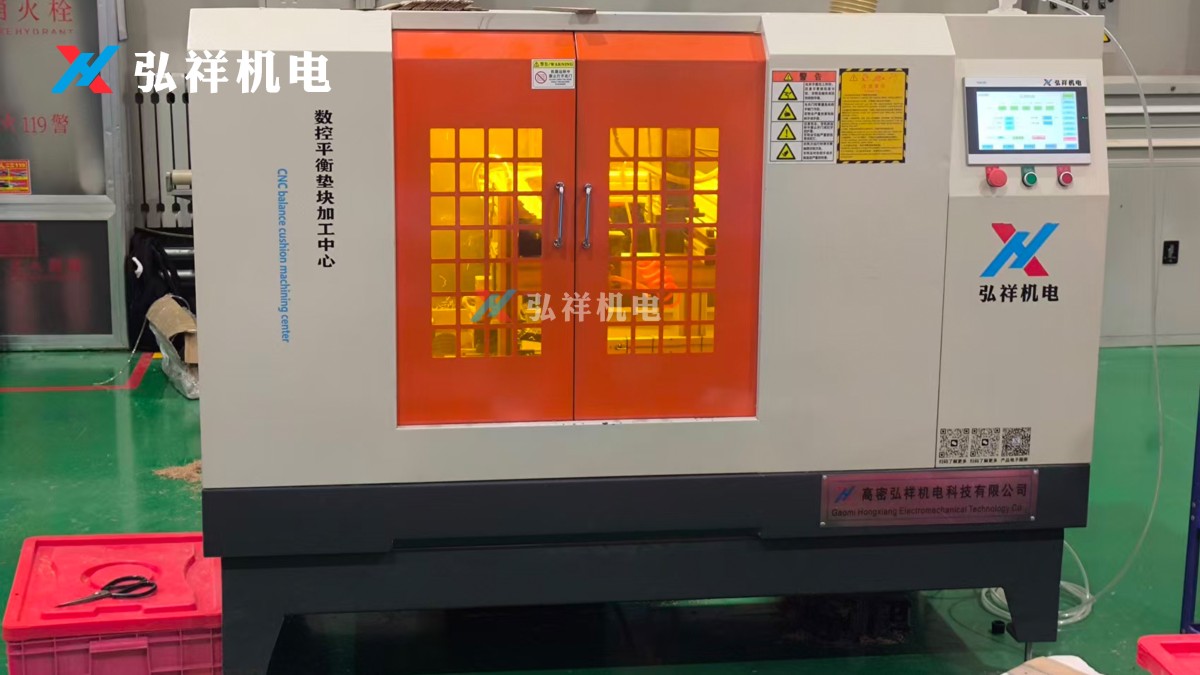
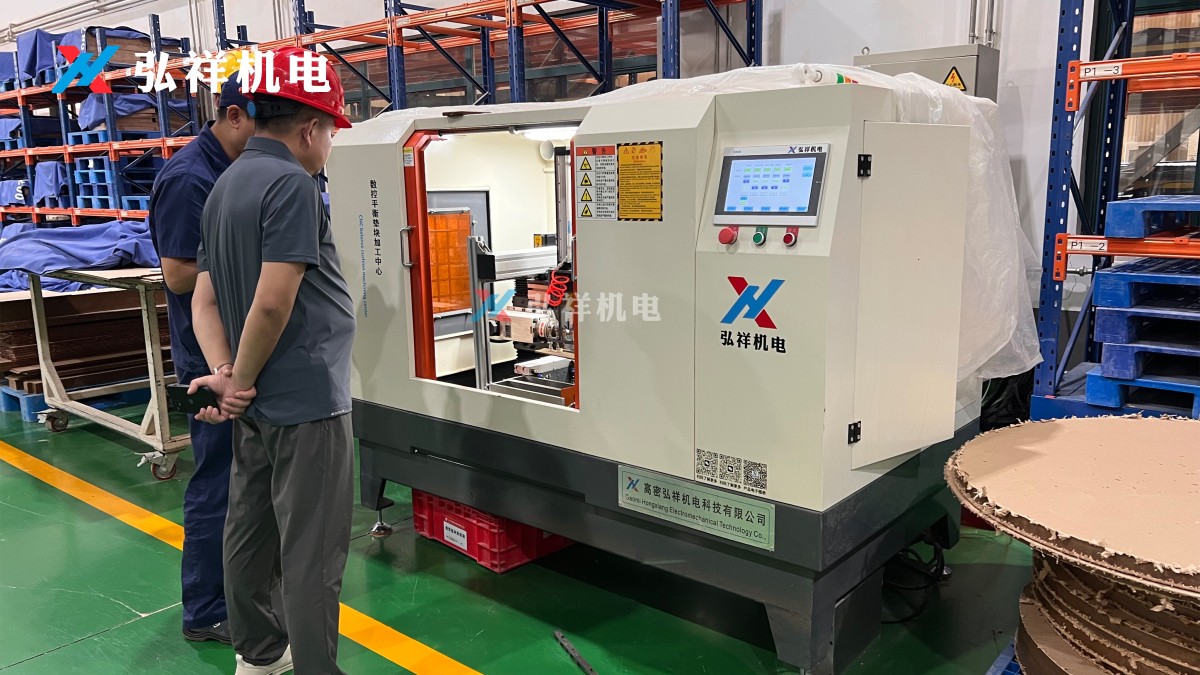
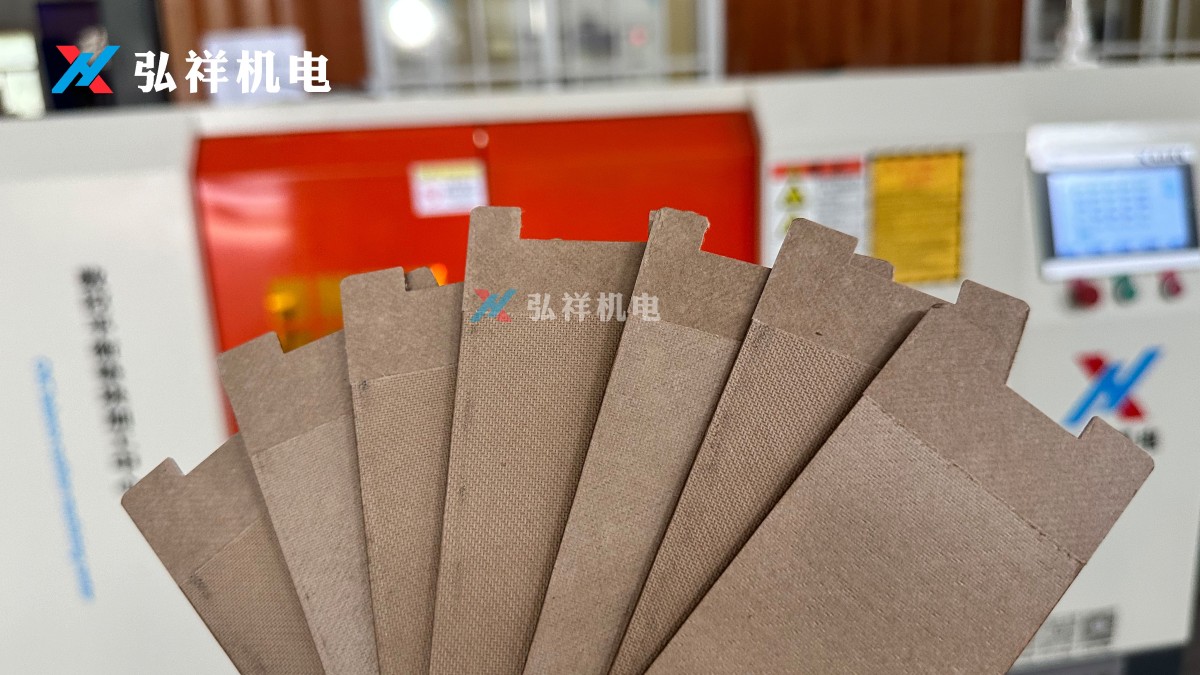
Dimensional drift in electrical laminated wood after pressing compromises insulation integrity and transformer reliability—especially critical for manufacturers using high-precision transformer electrical layer-pressed wood processing equipment. At Gaomi Hongxiang, we identify moisture imbalance, residual stress relaxation, and inconsistent thermal curing as the three most common causes. Our durable transformer insulation cardboard processing equipment and CNC double-end chamfering machine ensure dimensional stability from cutting to final shaping—supporting strict tolerances for transformer insulation components, electrical laminated wood, and special-shaped material cutting equipment. Trusted by global clients across Southeast Asia, India, and Russia, our integrated solutions meet demands of technical evaluators, procurement teams, and quality assurance professionals alike.
Why Dimensional Drift Matters in Transformer Insulation Manufacturing
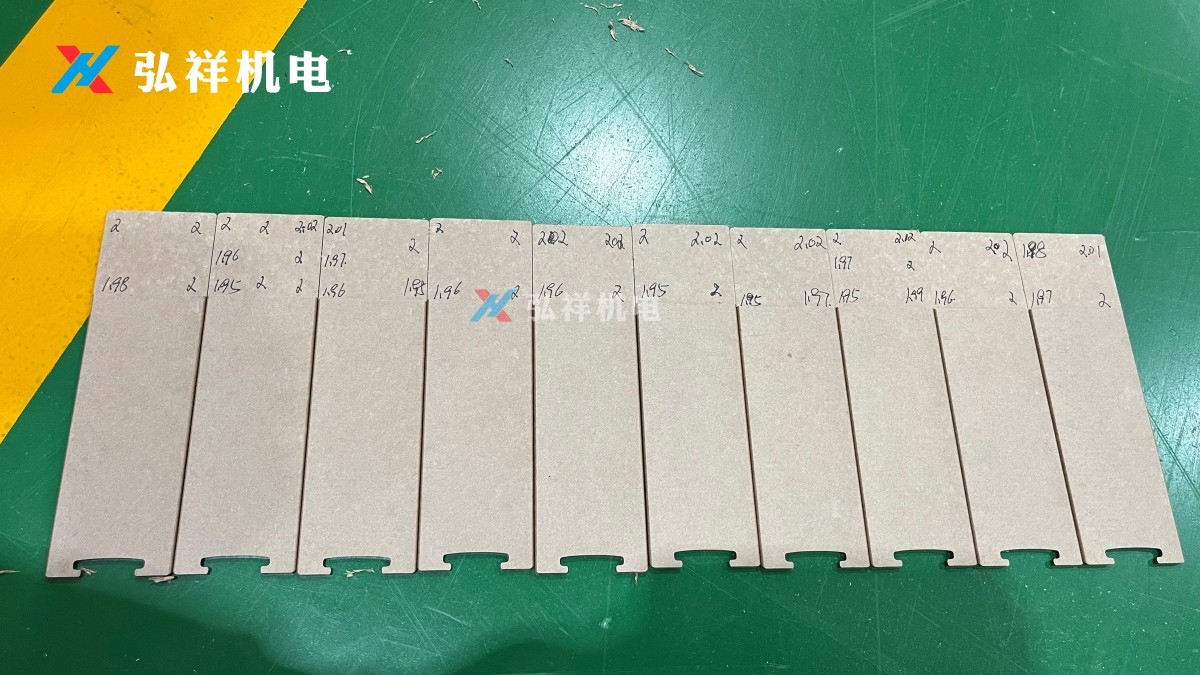
Electrical laminated wood serves as a structural and insulating core in power transformers—subjected to high voltage, thermal cycling, and mechanical compression. Even minor dimensional deviations (>±0.3 mm over 1,200 mm length) can trigger interlayer delamination, air gap formation, or misalignment during coil winding—directly impacting dielectric strength and long-term thermal aging performance.
For production lines handling medium-to-high voltage (66 kV–500 kV) transformers, consistent post-press geometry is non-negotiable. Field reports from our Southeast Asian and Russian partners indicate that 68% of rework incidents in laminated wood assembly stem from uncontrolled dimensional drift—not raw material defects.
Unlike general-purpose plywood, electrical laminated wood must comply with IEC 60641-2 and GB/T 5591.2 standards, mandating ≤0.5% thickness variation after conditioning at 23℃ ±2℃ and 50% RH for 48 hours. Meeting this requires process-aware equipment—not just material sourcing.
Three Root Causes—Validated Across 12 Production Sites
- Moisture imbalance: Residual moisture gradients >2.5% between surface and core layers induce differential shrinkage during ambient equilibration—causing bowing or twisting within 72 hours post-pressing.
- Residual stress relaxation: Inadequate dwell time under pressure (<15 minutes at 8–12 MPa) traps internal shear stresses, releasing gradually over 5–10 days and shifting dimensions by up to ±0.8 mm.
- Inconsistent thermal curing: Oven temperature variance >±5℃ across the press platen leads to uneven resin cross-linking—reducing dimensional retention by 40% compared to uniform 130℃–150℃ profiles.
How Precision Pressing Equipment Mitigates Each Cause
Gaomi Hongxiang’s transformer-grade laminated wood processing line integrates closed-loop environmental control, adaptive hydraulic pressure regulation, and zone-controlled thermal profiling—specifically engineered to suppress drift drivers at source.
Our CNC double-end chamfering machine (model HX-LW2000) features real-time moisture mapping via embedded capacitive sensors, enabling automatic feed-rate adjustment to compensate for batch-level humidity variations (target range: 5.5%–6.5%). This reduces post-press moisture-driven drift by ≥70% versus manual calibration.
All pressing stations include programmable dwell logic—holding full pressure for 18–22 minutes at 10.5 MPa (±0.3 MPa), followed by 3-stage decompression (0.8 MPa/min → 0.3 MPa/min → atmospheric). This sequence cuts residual stress relaxation-induced drift to <±0.25 mm over 1,500 mm lengths.
This data reflects field measurements across 12 transformer OEMs using identical laminated wood batches—confirming that equipment precision directly governs dimensional stability more than raw material variability alone.
Procurement Checklist: 5 Critical Evaluation Points
When evaluating laminated wood pressing systems, technical evaluators and procurement teams should prioritize measurable capabilities—not just headline specs. Here are five non-negotiable criteria backed by IEC 60641-2 compliance requirements and field validation:
- Real-time moisture feedback loop: Must integrate capacitive sensors with closed-loop feed control—not just display values.
- Dwell-time programmability: Minimum 3 independent pressure-hold phases, each adjustable in 30-second increments (range: 5–45 min).
- Thermal zoning: At least 4 independently controlled heating zones per platen, with ±2.5℃ uniformity tolerance.
- Post-press stabilization protocol: Built-in cooling ramp (max 1.5℃/min) and humidity-controlled storage buffer (≤55% RH).
- Traceability interface: Exportable logs for pressure, temp, moisture, and cycle time—aligned with ISO 9001:2015 clause 8.5.2.
Why Global Transformer Manufacturers Choose Gaomi Hongxiang
We don’t sell machines—we deliver dimensional certainty. Since 2015, our laminated wood processing systems have supported over 42 transformer OEMs across 11 countries, with average post-press dimensional deviation reduced from ±0.72 mm to ±0.19 mm (measured on 1,200 × 800 × 45 mm blocks, per GB/T 2828.1 sampling plan Level II).
Every system includes factory acceptance testing (FAT) with your specified laminated wood grade, plus on-site commissioning with 3-day operator training and a 24-month extended warranty covering all motion control and thermal subsystems. Delivery lead time averages 12–14 weeks—from order confirmation to port loading—with optional DDP terms available for India, Pakistan, and Brazil.
Ready to eliminate dimensional drift in your laminated wood workflow? Contact us for a free process audit—including sample analysis, tolerance gap assessment, and customized equipment configuration matching your voltage class, annual volume (small-batch:<500 mid-volume:="" 000="" high-volume:="">3,000 pcs/year), and existing line integration requirements.
NAVIGATION
MESSAGE
Request A Quote?