0000-00
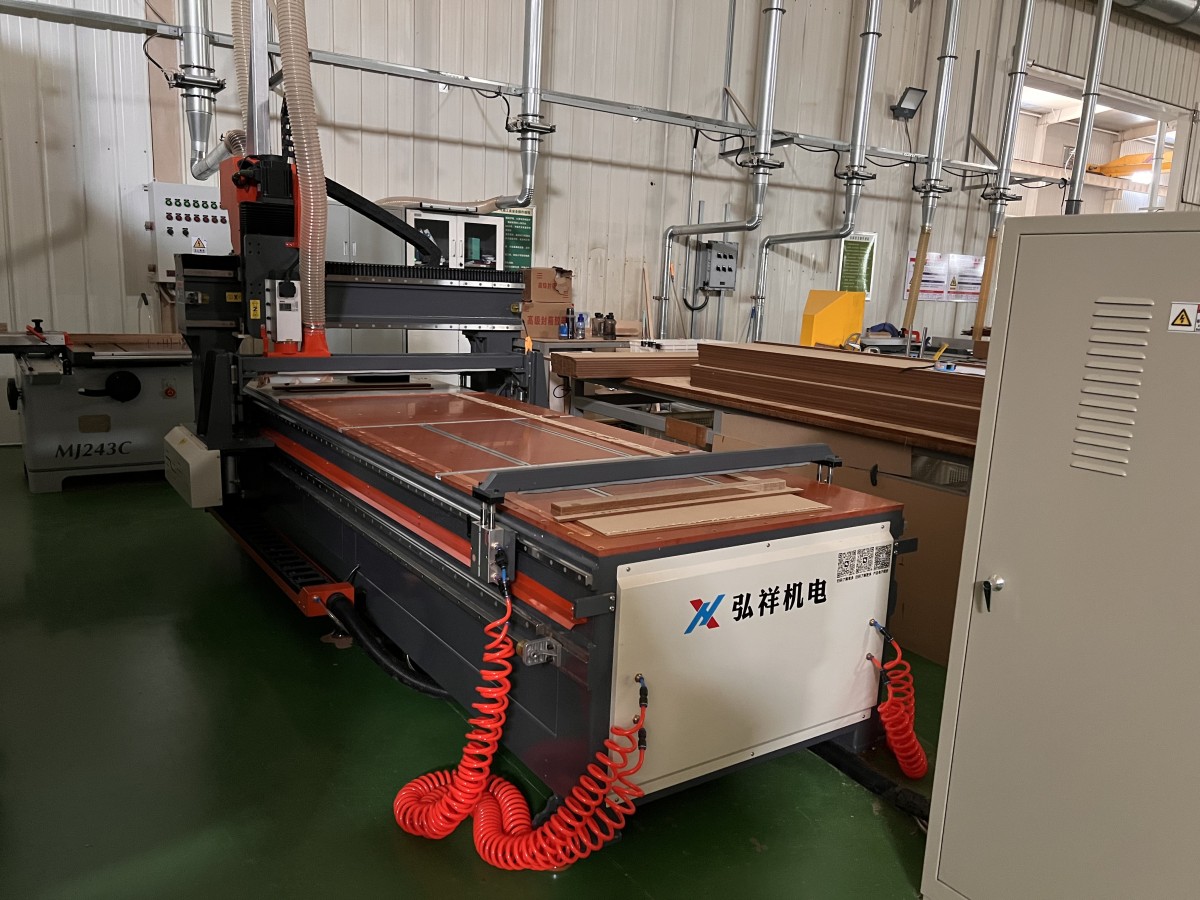
For technical evaluators, choosing reliable Insulating parts processing equipment for electrical insulation means looking beyond basic output to precision, material compatibility, process stability, and long-term service support.
In transformer and insulation component production, equipment quality affects dimensional consistency, machining efficiency, and downstream assembly performance.
A structured review helps reduce selection risk.
It also makes it easier to compare Insulating parts processing equipment for electrical insulation across materials, process requirements, and service capabilities.
Why a structured evaluation matters
Reliable machine tool equipment must perform consistently under real production conditions, not only during demonstrations.
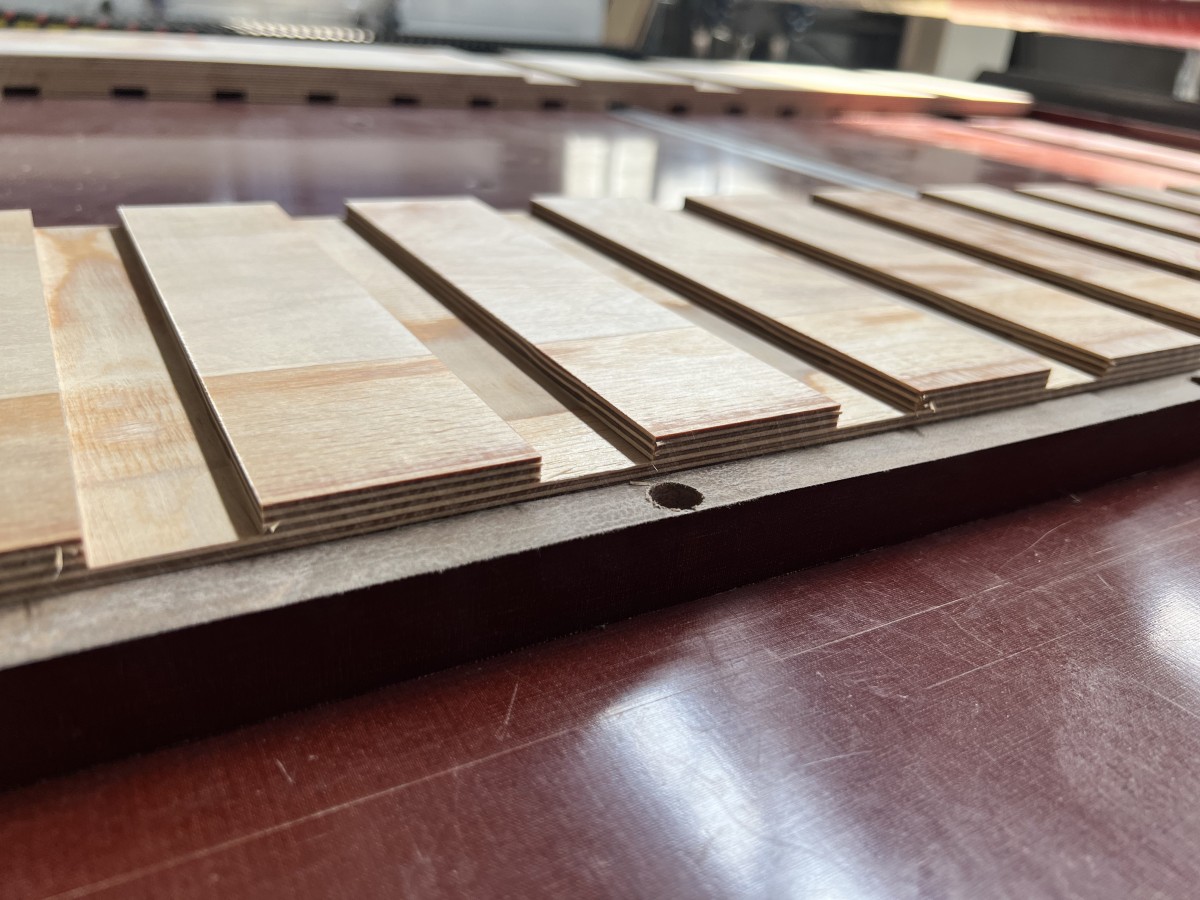
Electrical insulation parts often involve insulating cardboard, laminated wood, EVA, and other engineered materials with different cutting, forming, and handling demands.
Without a clear review method, buyers may overlook spindle stability, fixture design, dust control, or post-installation training.
That can lead to unstable tolerances, surface defects, low utilization, and avoidable downtime.
A checklist-based approach keeps attention on measurable performance, process fit, and service reliability.
Core points that define reliable equipment
- Verify machining accuracy under continuous operation, not single-sample testing, including repeatability, edge quality, hole position tolerance, and stability across multiple batches.
- Confirm compatibility with insulating cardboard, laminated wood, EVA, and custom insulation materials, including cutting force, heat sensitivity, thickness range, and tool adaptability.
- Check machine structure rigidity, guide system quality, spindle or drive performance, and vibration control to ensure stable processing of insulating parts.
- Review fixture and positioning design carefully, because reliable Insulating parts processing equipment for electrical insulation depends on repeatable clamping and accurate reference alignment.
- Assess dust extraction and debris management, since insulation material machining can create particles that affect precision, component life, workplace cleanliness, and safety.
- Evaluate CNC control logic, programming convenience, and recipe storage, especially when product sizes change often or many transformer insulation parts are processed.
- Ask for proof of cycle stability, including shift-based output data, scrap rates, maintenance intervals, and consistency after long hours of production.
- Inspect the supplier’s engineering ability for customized machine tools, because special insulation components often need dedicated stations or non-standard mechanisms.
- Check installation, commissioning, operator training, and after-sales response speed, which directly influence ramp-up efficiency and long-term equipment reliability.
- Review export experience and application cases, especially if support is needed across different countries, standards, production habits, and service expectations.
Key technical indicators to compare
When comparing Insulating parts processing equipment for electrical insulation, technical details often reveal real reliability better than marketing language.
Focus on parameters that affect process consistency and machine life.
Application-specific considerations
Insulating cardboard processing
This material requires clean edges, controlled feeding, and reliable dimensional accuracy.
Watch for tearing, burrs, deformation, and unstable slot depth during continuous operation.
Insulating laminated wood machining
Laminated wood places higher demands on rigidity, spindle torque, and tool path stability.
Reliable Insulating parts processing equipment for electrical insulation should maintain smooth surfaces and consistent dimensions without excessive vibration.
EVA molding and formed parts
EVA applications need process control that prevents compression distortion and uneven shaping.
Evaluate temperature influence, mold precision, cycle balance, and part release consistency.
Transformer assembly support production
When equipment supports transformer assembly lines, stable part matching becomes critical.
Machine tools should support repeatable batches, quick specification switching, and traceable process settings.
Commonly overlooked issues
Tool wear behavior: Initial samples may look good, but unstable wear quickly changes edge quality and dimensional accuracy in insulation parts manufacturing.
Changeover time: Equipment with good speed but poor setup logic may lose efficiency when many product specifications are processed each week.
Service depth: Spare parts access, remote diagnosis, and application support are as important as machine hardware quality.
Dust-related maintenance: Inadequate collection systems can shorten bearing life, reduce sensor stability, and increase unplanned stoppages.
Customization limits: Standard equipment may not handle non-standard insulating geometries, deep slots, or special fixture requirements.
Practical steps before final selection
- Prepare actual part drawings, material samples, and tolerance targets before technical discussions.
- Request batch testing instead of single-part testing for Insulating parts processing equipment for electrical insulation.
- Compare output, scrap, changeover time, and maintenance needs using the same sample conditions.
- Confirm whether the supplier supports installation, training, and after-sales service in target regions.
- Ask how the equipment can be adapted if future insulation part designs become more complex.
Supplier capability also defines reliability
A reliable machine is usually backed by a capable engineering team.
Gaomi Hongxiang Electromechanical Technology Co., Ltd. provides assembly and manufacturing services for power transformers and processes electrical insulating cardboard, insulating laminated wood, and insulating parts.
Its EVA molding processing covers three major product series.
The company also supports special machine manufacturing for artificial intelligence applications.
As an enterprise integrating R&D, design, production, sales, installation, training, and after-sales service, it reflects the full-cycle support many projects require.
Export experience across Southeast Asia, South America, India, Pakistan, Russia, and other regions can also be a practical indicator of delivery and service adaptability.
FAQ
What is the first sign of reliable Insulating parts processing equipment for electrical insulation?
Stable repeatability across long production runs is usually the clearest sign, especially when different insulation materials are processed.
Why is material compatibility so important?
Different insulation materials respond differently to cutting force, heat, compression, and dust generation, so one setup may not suit all parts.
Should service support influence machine selection?
Yes. Reliable Insulating parts processing equipment for electrical insulation depends on training, commissioning, spare parts, and timely technical response.
Final takeaways
Reliable Insulating parts processing equipment for electrical insulation is defined by more than machine speed.
It requires precision, structural stability, material adaptability, clean processing, and dependable lifecycle support.
The most effective next step is to evaluate real samples, compare long-run consistency, and verify whether the supplier can support present and future process needs.
That approach leads to better equipment decisions and more stable insulation component manufacturing results.
NAVIGATION
MESSAGE
Request A Quote?