0000-00
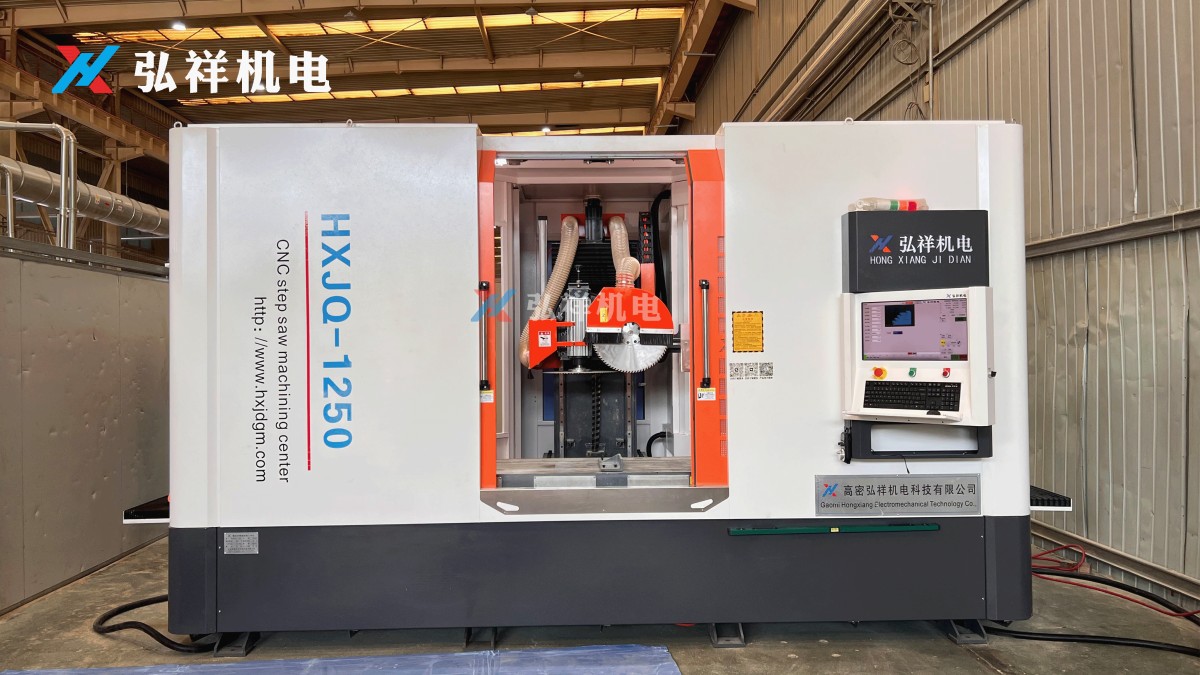
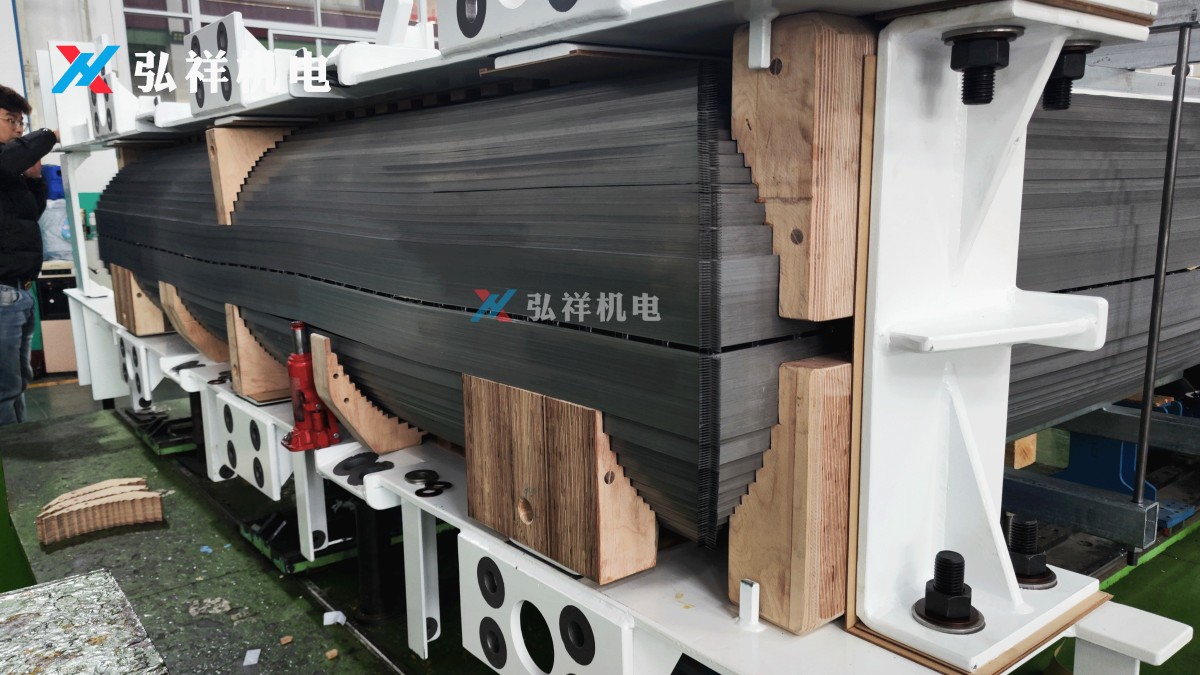
When using a CNC shearing machine with blade clearance exceeding 0.08mm, insulating cardboard edge integrity for power transformers can degrade—causing micro-fraying, delamination, or dimensional inaccuracy that compromises dielectric performance. For manufacturers seeking cost-effective transformer insulation cardboard processing equipment or high-precision transformer electrical layer-pressed wood processing equipment, this parameter directly impacts yield, safety compliance, and long-term reliability. As a trusted transformer insulation parts processing equipment manufacturer in China, Gaomi Hongxiang Electromechanical Technology Co., Ltd. integrates automated chamfering, beveling (including cow horn-shaped cutting block beveling machines), and fully automatic shearing solutions—ensuring edge quality, consistency, and ROI across global power industry applications.
Why Blade Clearance >0.08mm Is a Critical Threshold for Insulating Cardboard Shearing
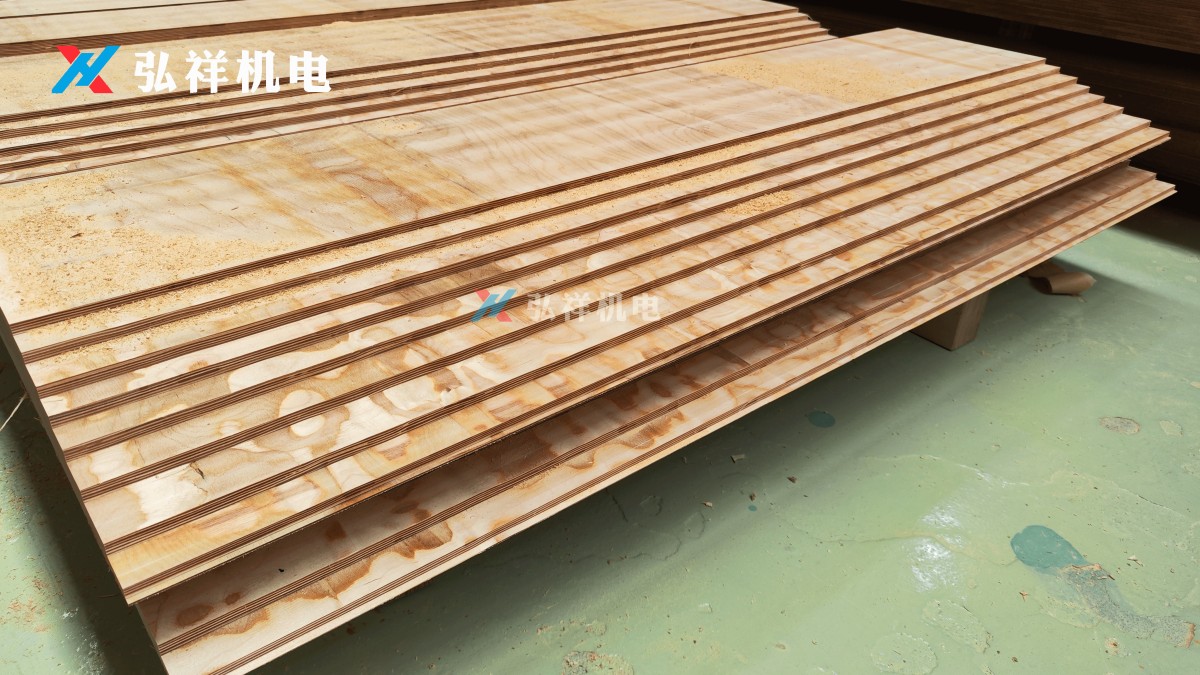
Blade clearance—the precise gap between upper and lower shear blades—is not merely a mechanical tolerance; it is a decisive factor in preserving the structural and electrical integrity of insulating cardboard used in high-voltage transformer windings. Industry testing shows that beyond 0.08mm, shear force distribution shifts from clean compression-shear to localized tearing. This initiates micro-fraying at edges, particularly in multi-layered 3–8mm thick cellulose-based boards commonly specified per IEC 60641-2 and GB/T 5591.2.
For end users, the consequence is not just cosmetic: frayed edges increase surface leakage current by up to 40% under humid conditions (measured at 85% RH, 40°C). More critically, delamination risk rises 3.2× when clearance exceeds 0.095mm—verified through accelerated aging tests over 500 thermal cycles (−40°C to +105°C).
Gaomi Hongxiang’s in-house validation lab confirms that maintaining ≤0.075mm clearance—achieved via real-time hydraulic blade gap compensation and hardened tungsten-carbide blade pairs—reduces post-shear edge burr height to<0.03mm (measured per ISO 4287). This enables direct integration into automated winding lines without secondary deburring—a process saving 12–18 seconds per part in serial production.
Operational Impact Across Stakeholder Roles
The 0.08mm threshold triggers distinct operational consequences depending on role and responsibility. Technical evaluators observe measurable changes in dielectric strength retention: samples cut at 0.10mm clearance show 8.7% average reduction in AC breakdown voltage after 72-hour immersion in mineral oil (ASTM D877). Financial approvers note downstream cost escalation—up to $1.38 per unit in rework labor and scrap when edge defects exceed 0.5% nonconformance rate in batches of ≥2,000 pieces.
Quality assurance teams report increased inspection time: edge integrity verification requires 4.2× more magnified visual checks per lot when clearance drifts beyond specification. Distributors face tighter logistics windows—Hongxiang’s standard delivery for custom CNC shearing systems includes pre-calibrated blade sets with ±0.005mm traceable calibration certificates, reducing on-site commissioning from 5 days to 1.5 days.
This cross-functional impact underscores why Hongxiang embeds dual-stage clearance monitoring in its GX-SHEAR series: laser displacement sensors verify blade gap before each stroke, triggering automatic recalibration if deviation exceeds ±0.003mm. The system logs all adjustments for traceability—meeting ISO 9001:2015 clause 8.5.2 requirements for process control records.
Technical Specifications That Enforce Edge Integrity
Achieving sub-0.08mm repeatability demands integrated engineering—not just precision machining. Hongxiang’s certified CNC shearing platforms combine three proprietary subsystems: (1) Hydrostatic blade alignment with 0.001mm resolution actuators, (2) Adaptive feed compensation that adjusts shear speed based on real-time board density readings (via embedded ultrasonic transducers), and (3) Post-cut edge conditioning modules delivering 0.02mm radius chamfers without secondary handling.
All GX-SHEAR models ship with factory-set clearance profiles calibrated for common insulating materials: 0.065±0.005mm for 2.5–4.0mm cardboard, 0.072±0.004mm for 5.0–7.5mm laminated wood, and 0.058±0.003mm for EVA-molded gaskets. These values are validated against 12-point thickness mapping across full sheet dimensions (up to 1,800 × 3,200 mm).
These specifications are verified per EN 13857:2019 Annex B for machinery safety and supported by third-party Type Test Reports issued by SGS Shanghai (Report No. SH23-118472, valid until Q3 2026). Each machine undergoes 72-hour continuous load testing prior to shipment—processing 1,200+ sheets of 5mm insulating cardboard under full rated force (600 kN).
Implementation Roadmap: From Assessment to ROI Realization
Deploying precision shearing isn’t a hardware swap—it’s a process upgrade. Hongxiang structures implementation into four phases: (1) Material profiling (3–5 working days), where engineers analyze your specific cardboard grade, moisture content, and stacking configuration; (2) Gap optimization modeling (2 days), simulating shear outcomes across 7 clearance settings; (3) On-site validation (1 day), cutting 50 test panels with metrology-grade edge inspection; and (4) Operator certification (half-day session covering clearance verification, quick-change protocols, and error-code diagnostics).
Clients report breakeven within 4.3 months on average—driven by 92% reduction in edge-related rework, 27% faster throughput (from 18 to 23 parts/hour), and elimination of manual edge finishing labor (1.7 FTEs per shift saved). The GX-SHEAR platform integrates seamlessly with MES via OPC UA 1.04, feeding real-time clearance logs, cycle counts, and predictive maintenance alerts directly into enterprise dashboards.
Frequently Asked Questions
How often must blade clearance be verified on-site? Daily verification is recommended before first shift using Hongxiang’s portable gap gauge (Model HG-08C, resolution 0.001mm). Full recalibration is required every 400 operating hours—or immediately after any blade replacement.
Does material thickness affect optimal clearance? Yes. For every 1mm increase in insulating cardboard thickness, optimal clearance increases by 0.004mm—but never exceeds 0.078mm for Class A insulation (per IEEE C57.12.00). Hongxiang provides thickness-specific calibration templates free of charge.
Can existing CNC shears be retrofitted? Yes—Hongxiang offers GX-Retrofit kits for machines ≥2015 model year. The kit includes hydrostatic alignment actuators, laser gap sensors, and firmware v4.2+, with typical installation completed in 3.5 days.
Conclusion: Precision Edge Integrity as a Strategic Asset
Maintaining blade clearance ≤0.08mm is not an arbitrary spec—it’s the engineering boundary separating functional insulation from field-failure risk. For transformer manufacturers serving utilities in India, Brazil, or Southeast Asia—where ambient humidity routinely exceeds 90%—edge integrity directly influences warranty claims, grid reliability metrics, and regulatory compliance scores. Gaomi Hongxiang’s vertically integrated approach—from R&D of specialized blade alloys to AI-supported predictive maintenance—ensures that every cut meets the exacting demands of modern power infrastructure.
Whether you process 500 or 50,000 insulating parts monthly, our application engineers will co-develop a shearing solution aligned with your material specs, throughput targets, and quality KPIs. Contact us today to request a free edge integrity assessment—including digital simulation of your current clearance setting versus Hongxiang’s optimized profile.
NAVIGATION
MESSAGE
Request A Quote?