0000-00
Accuracy in laminated wood processing equipment for insulation parts depends on several linked factors rather than one single machine parameter. For operators, the most important point is this: even a well-built machine will produce unstable results if tooling, material condition, setup, clamping, and daily maintenance are not controlled together. In insulation part production, small dimensional errors, burrs, edge damage, or inconsistent slot depth can directly affect assembly quality and electrical performance.
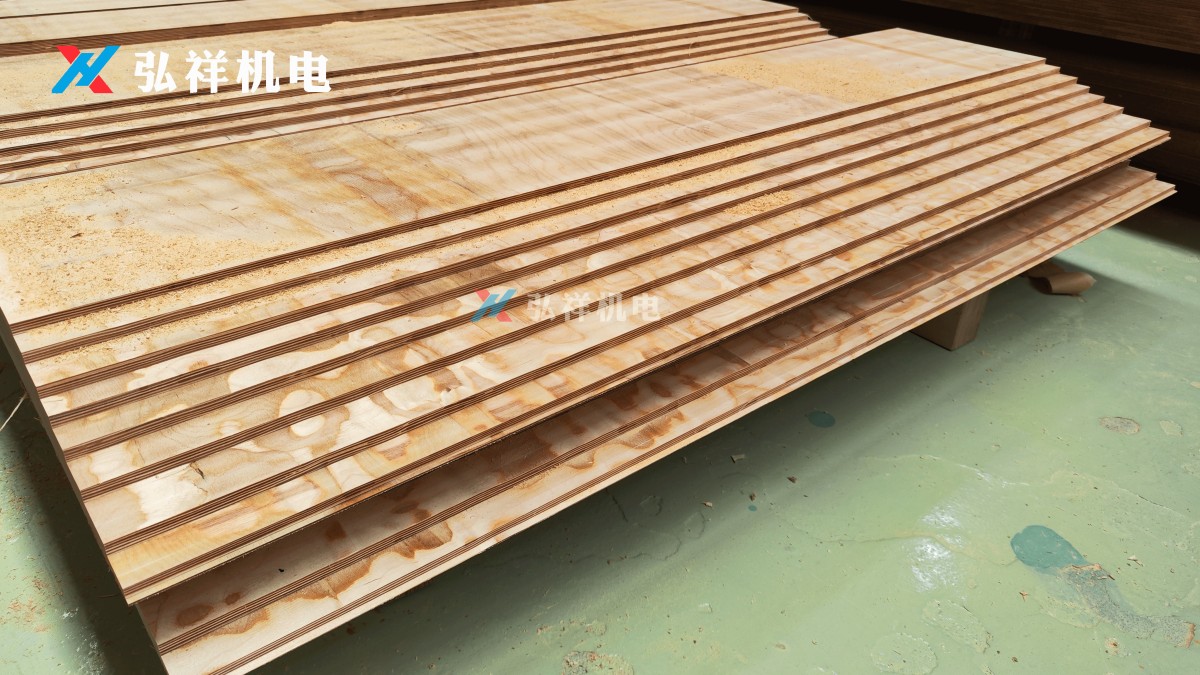
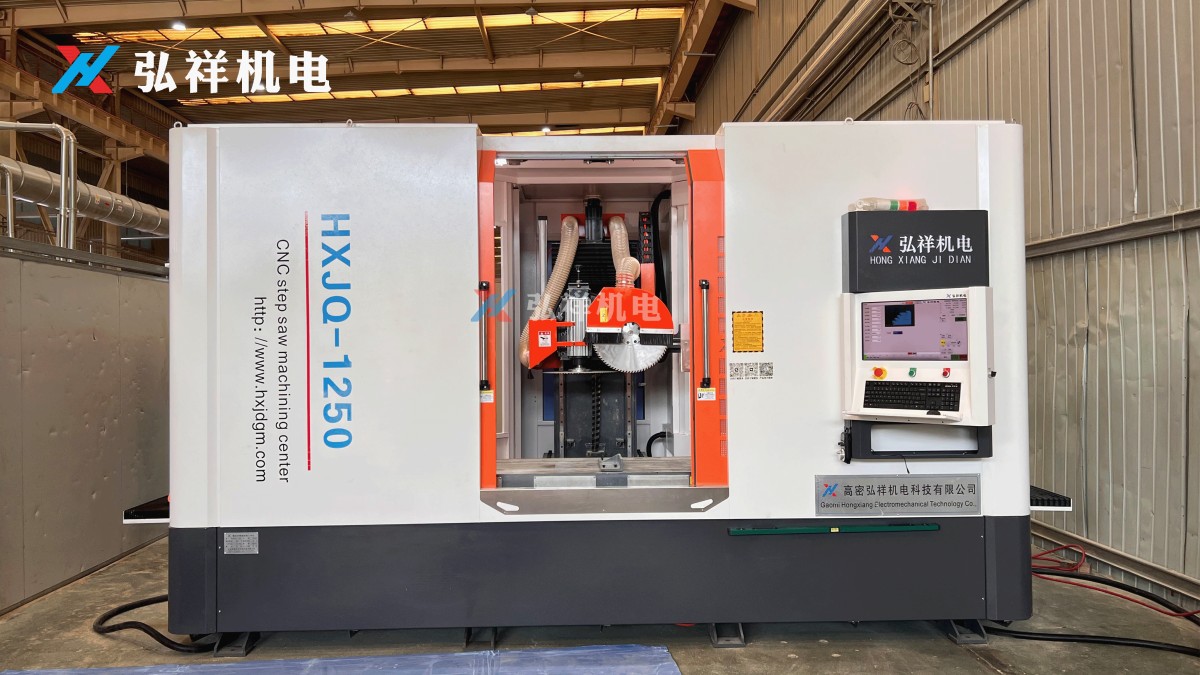
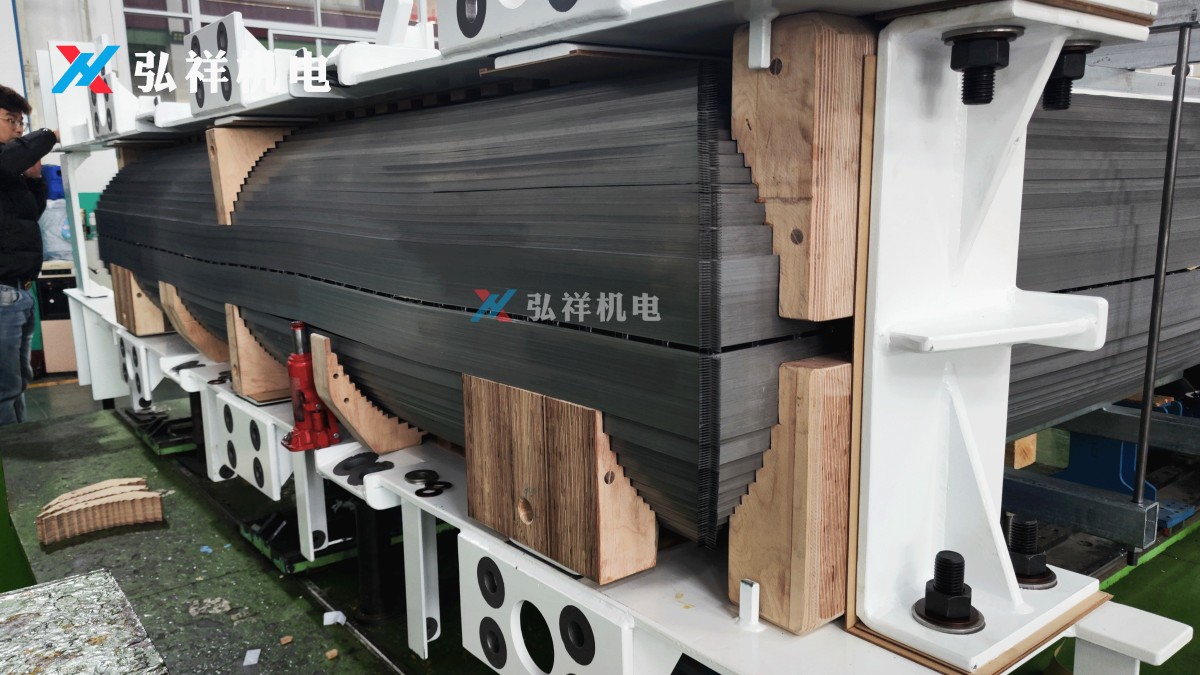
When users search for what affects accuracy in Laminated wood processing equipment for insulation parts, they usually want practical answers. They are not only asking about machine specifications. More often, they want to know why the same equipment can produce different results across shifts, why scrap increases on some batches, or how to keep tolerances stable when processing insulating laminated wood with different densities and moisture conditions.
This article focuses on the real concerns of operators and production users: what causes accuracy problems, how to identify the source quickly, and what actions improve consistency in daily work. Instead of discussing only theory, we will look at machine rigidity, spindle behavior, cutting tools, fixtures, materials, environment, programming, operator habits, and maintenance control. The goal is to help you produce insulation parts more reliably, with less waste and fewer quality disputes.
Why accuracy matters so much in insulation part production
In ordinary woodworking, a small dimensional deviation may be acceptable. In transformer insulation part manufacturing, that is rarely the case. Laminated wood parts often need to match drawings precisely because they work together with insulating cardboard, structural supports, slots, holes, grooves, and assembly interfaces. If dimensions drift, later assembly becomes difficult, and cumulative error can create serious fit-up problems.
Accuracy also affects surface quality. Rough edges, chipping, uneven groove depth, and poor hole position can reduce product consistency and increase manual rework. For operators, this means longer cycle time and more uncertainty. For the factory, it means higher material consumption, lower throughput, and more pressure on inspection teams. In many cases, the cost of poor accuracy is not only scrap, but also hidden time losses throughout the process.
Another reason accuracy matters is process repeatability. Customers expect insulation parts from different production lots to behave the same during assembly and service. If one batch is within tolerance and the next is not, the issue may come from setup drift, material variation, or tool wear. Understanding these causes helps operators move from reactive troubleshooting to preventive control.
Machine rigidity and structural stability are the foundation
The first major factor affecting accuracy is machine rigidity. If the frame, guide rails, spindle support, worktable, or moving axes lack stiffness, vibration increases during cutting. That vibration may appear as edge tear-out, dimensional variation, inconsistent depth, or poor surface finish. In laminated wood processing, this is especially important because the material has layered structure and can react differently to cutting force than solid wood.
Operators sometimes focus only on feed speed or spindle speed when accuracy declines, but structural looseness often causes the deeper problem. Backlash in transmission components, wear in guide systems, weak fastening points, or unstable bed leveling can all shift the tool path under load. Even if the machine appears normal at idle, actual cutting force may reveal hidden instability.
To improve this, users should check whether the machine remains stable under different cutting loads and workpiece sizes. A rigid machine should maintain repeatability over long production runs, not just during trial cutting. Daily inspection of bolts, linear guides, bearings, couplings, and table flatness helps identify early movement before quality defects become obvious. For buyers and users alike, machine design quality is one of the most decisive contributors to long-term accuracy.
Spindle performance and tool runout directly influence part precision
Even when the machine frame is stable, poor spindle condition can still reduce accuracy. Spindle runout, bearing wear, heat expansion, and speed fluctuation all affect the real position of the cutting edge. In high-precision insulation part processing, a small runout can widen slots, enlarge holes, increase burrs, and create uneven surfaces. These defects often become more visible when making narrow grooves or machining detailed profiles.
Tool clamping quality is closely related to spindle performance. If collets are worn, dirty, or not tightened consistently, the cutting tool may sit off-center. This creates both dimensional inaccuracy and premature tool wear. Operators should clean the tool holder area carefully and inspect collets regularly. Reusing damaged holders to save cost usually leads to higher scrap and more unstable production.
Thermal behavior is another overlooked issue. During long shifts, spindle temperature rises, and thermal expansion may subtly change cutting conditions. If operators notice that the first few parts are accurate but later parts begin to drift, spindle heat and bearing condition should be checked. Stable spindle quality is essential for any Laminated wood processing equipment for insulation parts that aims to deliver repeatable precision.
Tool selection and tool wear often explain sudden accuracy problems
One of the most common reasons for inconsistent machining results is the cutting tool itself. Laminated wood used for insulation parts is not processed exactly like ordinary timber. Its density, layered structure, bonding characteristics, and hardness distribution can place special demands on cutter geometry. If the tool angle, diameter, sharpness, or coating is unsuitable, the result may be tearing, burning, oversize dimensions, or unstable cutting resistance.
Tool wear creates progressive inaccuracy. As the cutting edge dulls, cutting force rises. This can push the workpiece, increase spindle load, and lead to dimensional deviation. The operator may first see surface roughness or darkened edges, but by that stage the tolerance may already be drifting. Waiting until the tool is obviously damaged is usually too late if the parts have tight requirements.
The best practice is to define tool life based on actual production data rather than guesswork. Record the number of parts, material batch, cutting parameters, and inspection results. If one tool consistently begins to lose accuracy after a certain output, replace it earlier as a preventive rule. Standardized tool management improves both quality and scheduling because it reduces random variation between shifts and operators.
Material condition has a bigger impact than many operators expect
Not all laminated wood behaves the same, even when it appears similar. Moisture content, storage conditions, internal density variation, bonding quality, and board flatness can all influence machining accuracy. A machine may be correctly adjusted, yet results still vary because the material itself expands, contracts, or responds unevenly to cutting force. For insulation parts, this is a major concern because dimensional stability matters after machining as well as during machining.
If laminated wood has absorbed moisture from the environment, it may not remain flat during processing. Once clamped, released, or partially cut, stress redistribution can cause slight movement. This can affect hole position, groove width, edge straightness, and overall dimensions. Operators sometimes mistake this for machine error, but the root cause is actually material instability before machining begins.
To control this factor, material should be stored under stable conditions and checked before entering production. Warped sheets, mixed batches, or boards with visible inconsistency should not be fed into precision jobs without screening. If a workshop often receives complaints about accuracy that cannot be traced to the machine, reviewing material handling and incoming inspection usually reveals part of the problem.
Clamping and fixture design determine whether the machine can hold tolerance
Many accuracy issues do not come from cutting, but from how the workpiece is fixed. If the fixture does not support the laminated wood properly, vibration, local deformation, or slight sliding can occur during machining. Thin or irregular insulation parts are especially sensitive to clamping pressure. Too little pressure allows movement; too much pressure may deform the part and create dimensional error after release.
Good fixture design should match the shape, thickness, and process path of the insulation part. Support points need to be distributed so the workpiece stays stable throughout the full machining cycle, including slotting, drilling, edge trimming, or profile cutting. If support is only strong at the beginning but weak near the final contour, the last operations may show poor accuracy even when earlier dimensions were acceptable.
Operators should also pay attention to fixture cleanliness. Dust, chips, and adhesive residue under the workpiece can change its seating height and affect depth control. This may sound minor, but in repeated production it becomes a significant source of inconsistency. For precision laminated wood processing, fixture discipline is not optional; it is a core part of process control.
Programming, calibration, and parameter settings affect real output quality
A precision machine cannot compensate for poor programming. Incorrect tool compensation, unverified zero points, unsuitable cutting paths, and unrealistic feed-speed combinations can all reduce accuracy. In some cases, operators blame the equipment when the real issue is an overly aggressive program that causes tool deflection or vibration at corners, narrow slots, or deeper pockets.
Calibration is equally important. Axis positioning error, origin drift, and sensor inaccuracy can accumulate into visible dimensional problems. Regular calibration should include axis repeatability checks, table reference verification, spindle perpendicularity, and measuring system validation. If these checks are skipped, the machine may continue running while slowly moving out of tolerance.
Parameter settings should match the material and tool. Feed speed that is too high can tear the material or push the tool off line. Feed speed that is too low may increase heat and damage surface quality. Spindle speed, depth of cut, and step-over should be set based on actual cutting behavior rather than copied blindly from another material or machine. Stable accuracy comes from balanced process parameters, not maximum speed alone.
Operator habits play a decisive role in day-to-day consistency
For the target audience of users and operators, this section is often the most relevant. The same equipment can perform very differently depending on operator discipline. Inconsistent loading direction, skipped warm-up, rough tool changes, poor cleaning, and unverified first-piece inspection are all common causes of avoidable variation. Precision is not only built into the machine; it is maintained through routine actions.
One important habit is first-piece confirmation. Before batch production begins, operators should verify key dimensions, edge condition, hole position, and groove depth. If the first part is only checked visually, a setup error may continue through the full lot. Another important habit is recording abnormal behavior, such as unusual spindle noise, increased cutting resistance, or repeated burr formation. These signs often appear before major accuracy loss.
Training also matters. Operators should understand not just how to run the machine, but why each setting affects quality. When people know the relationship between tool wear, clamping pressure, material moisture, and parameter selection, they make better adjustments and fewer risky shortcuts. In practice, strong operator awareness is one of the most cost-effective ways to improve performance of Laminated wood processing equipment for insulation parts.
Maintenance and environment are long-term accuracy controls
Accuracy problems often emerge slowly, which is why preventive maintenance is so important. Dust accumulation, insufficient lubrication, loose connectors, worn bearings, and neglected guide rails gradually reduce machine precision. In insulation part workshops, fine dust can enter moving systems and affect both mechanical and electrical components. Without a maintenance plan, even a high-quality machine will lose repeatability over time.
The workshop environment also matters more than many teams realize. Large temperature swings can influence machine expansion and material stability. High humidity can change laminated wood condition before machining. Poor dust extraction can contaminate fixtures, sensors, and spindle interfaces. If the process requires tight tolerances, environmental control should be treated as part of quality assurance, not as a separate facility issue.
A practical maintenance system should include daily cleaning, weekly inspection, periodic alignment checks, spindle condition monitoring, and documented replacement intervals for wear components. When maintenance is linked to inspection results, it becomes easier to identify recurring root causes and avoid repeated defects. Accuracy is easier to protect through routine care than to recover after major drift has already occurred.
How operators can troubleshoot accuracy issues step by step
When accuracy drops, the most effective approach is structured diagnosis. Start by checking whether the problem affects all dimensions or only certain features. If only hole size or groove width changes, the issue may be tool wear or spindle runout. If all dimensions shift in the same direction, zero point error or calibration drift is more likely. If only some workpieces in a batch fail, material variation or clamping inconsistency should be investigated.
Next, compare recent changes. Has a new tool batch been installed? Has material from a different supplier or lot entered production? Was maintenance delayed? Did a different operator adjust the parameters? Accuracy problems rarely appear without some process change, even if that change seems small. Looking at what changed often shortens troubleshooting time dramatically.
Finally, verify with data rather than assumptions. Measure multiple parts, record machine status, inspect tool condition, and test with controlled parameter adjustments. If troubleshooting is based only on experience without measurement, teams may replace the wrong component or overcorrect settings. A disciplined process helps operators solve problems faster and builds a more reliable production standard over time.
What users should focus on when choosing or evaluating equipment
If you are using existing equipment or planning upgrades, do not evaluate only by speed or basic specification sheets. For insulation part production, ask whether the machine can maintain repeatability over long runs, whether the spindle and tool system support stable fine machining, and whether the fixture solution fits your part types. A machine that is fast in demonstration but unstable in real production may increase total cost instead of reducing it.
It is also worth evaluating service capability. Because accuracy depends on design, installation, training, and after-sales support, users benefit more from suppliers that understand the full process rather than only machine assembly. A supplier with experience in transformer insulation part manufacturing can often help optimize tooling, process flow, and operator training, not just sell the equipment itself.
In other words, the best Laminated wood processing equipment for insulation parts is not simply the one with the highest advertised precision. It is the one that matches your materials, part structure, production volume, operator skill level, and maintenance ability. Real-world accuracy is a system outcome, and equipment should be chosen with that full system in mind.
Conclusion
Machining accuracy in laminated wood equipment for insulation parts is influenced by a chain of factors: machine rigidity, spindle condition, tool quality, material stability, fixture design, programming, operator habits, maintenance, and workshop environment. If any one of these is neglected, product consistency can suffer. For operators, the key lesson is that accuracy should be managed as a process, not treated as a single machine setting.
The most effective way to improve results is to control the basics consistently: use stable materials, keep tools sharp, verify clamping, confirm first-piece quality, maintain the machine, and track recurring defects with data. These actions reduce waste, improve repeatability, and help meet the strict requirements of insulation part manufacturing.
When users understand what truly affects performance, they can make better decisions in daily operation and in equipment evaluation. That is the practical value behind understanding accuracy in Laminated wood processing equipment for insulation parts: fewer surprises on the shop floor and more reliable production results over the long term.
NAVIGATION
MESSAGE
Request A Quote?