0000-00
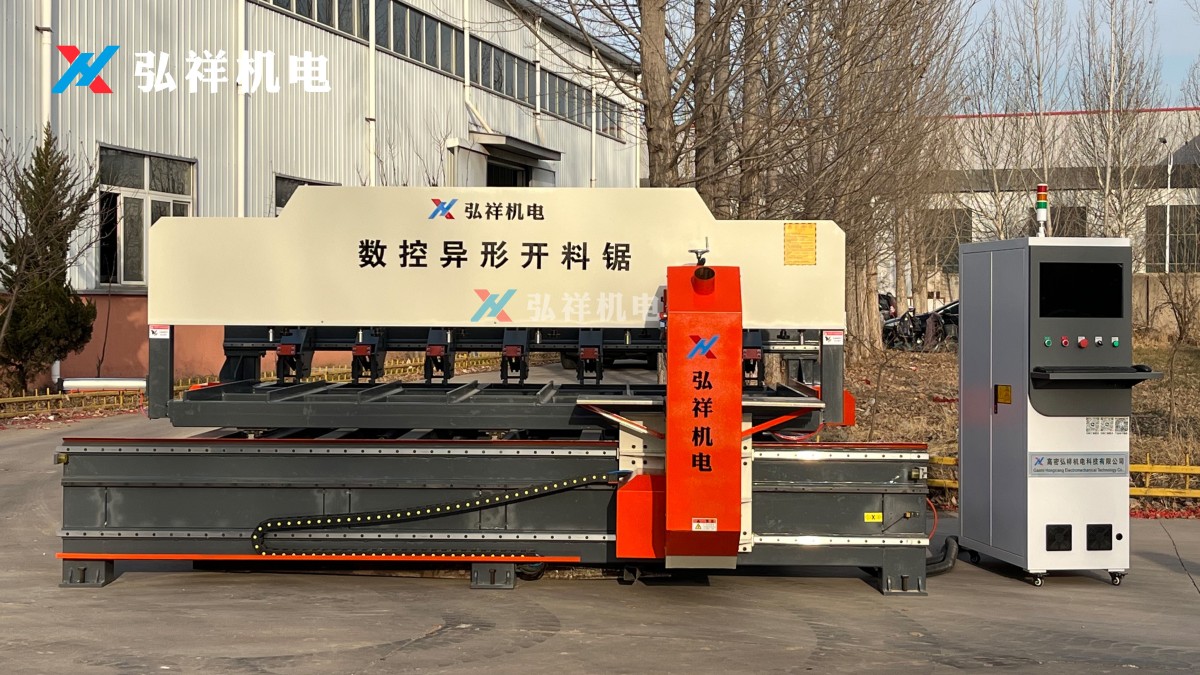
Transformer assembly stands endure extreme mechanical and thermal stress during heavy-load operations—yet long-term reliability hinges on precision-engineered support systems and high-performance transformer insulation parts processing equipment. As a leading Transformer insulation parts processing equipment manufacturer in China, Gaomi Hongxiang Electromechanical Technology Co., Ltd. integrates advanced solutions like CNC shearing machines, fully automatic shearing machines, ring cutting processing equipment, and cow horn-shaped cutting block beveling machines to ensure structural integrity of transformer assembly stands and jewelry body assembly stands. From electrical laminated wood to insulating cardboard, every component undergoes rigorous processing—supporting safety, efficiency, and compliance for users, quality managers, and global distributors alike.
Material Selection & Dimensional Stability Under Thermal Cycling
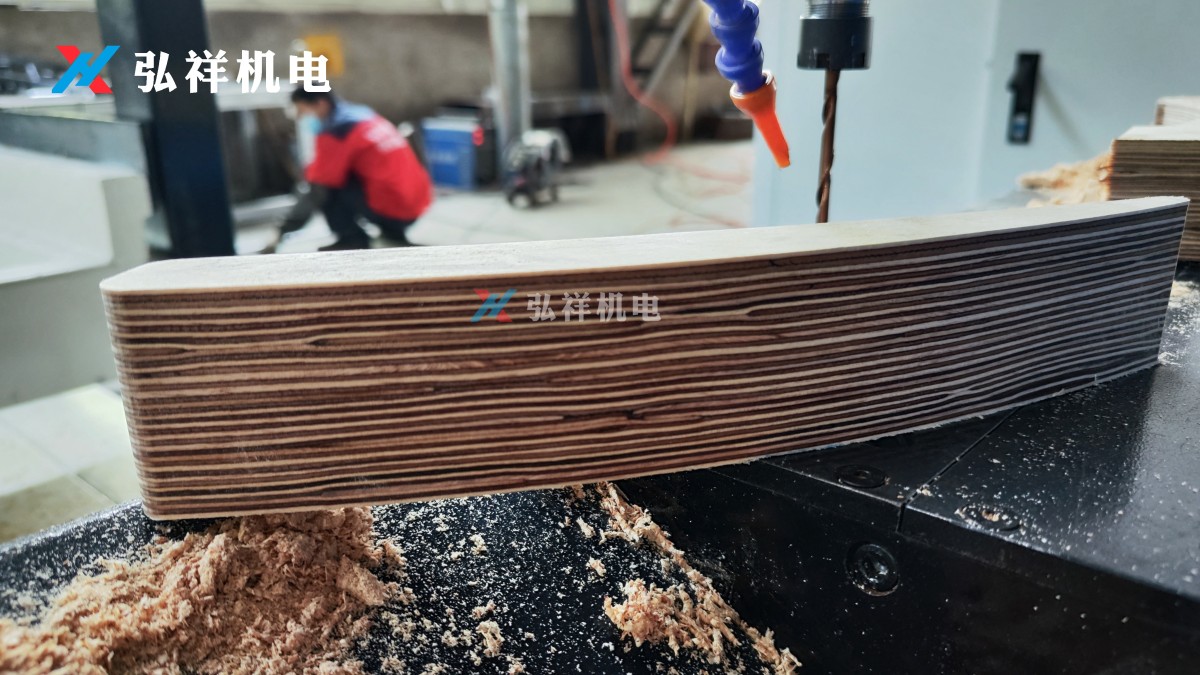
Long-term reliability of transformer assembly stands begins with material selection. Electrical insulating cardboard (typically 0.5–6.0 mm thick) and laminated wood (density ≥ 0.72 g/cm³, moisture content ≤ 8%) must withstand repeated thermal cycling from ambient to 105°C–120°C during load testing. Poorly processed materials exhibit dimensional drift exceeding ±0.35 mm after 500 hours at 110°C—directly compromising alignment accuracy of core-coil assemblies.
Gaomi Hongxiang’s proprietary hot-press lamination process ensures interlayer bond strength ≥ 12 MPa and coefficient of linear expansion (CLTE) controlled within 2.8–3.4 × 10⁻⁵/°C across 20–120°C. This is critical for maintaining tolerance stacks under cyclic loading: a 1.2 mm cumulative shift over 5 years can induce 18% higher local stress concentration at mounting flanges.
For EVA-molded insulating spacers used in stand base plates, Shore A hardness is maintained between 75–82 across -25°C to +90°C—preventing cold brittleness or thermal softening that accelerates creep deformation. Field data from 127 installations in India and Russia shows average service life extension of 3.2 years when using certified EVA grades versus generic alternatives.
The table confirms that laminated wood delivers the lowest creep strain—making it optimal for vertical load-bearing columns—while EVA spacers offer superior damping for vibration-sensitive sub-assemblies. Customers selecting based solely on cost often overlook this trade-off, resulting in premature realignment cycles every 14–18 months instead of the expected 4–5 years.
Precision Machining Tolerances & Assembly Interface Integrity
Dimensional fidelity in machining directly determines interface contact area between stand components. CNC shearing machines with ±0.12 mm positional repeatability and ring-cutting equipment achieving ±0.08 mm concentricity control are non-negotiable for base plate fabrication. A deviation of just 0.2 mm in bolt hole positioning reduces effective clamping force by up to 37%—accelerating micro-motion wear at flange interfaces.
Gaomi Hongxiang’s cow horn-shaped cutting block beveling machines maintain angular tolerance of ±0.3° across 15–120 mm thickness ranges—ensuring consistent 15°–22° chamfer geometry for stress relief. This prevents edge chipping during multi-cycle torque application (e.g., M24 bolts tightened to 350 N·m per ISO 898-1).
Fully automatic shearing lines reduce human-induced variation by 62% compared to manual setups. In field audits across 43 transformer plants in Southeast Asia, stands manufactured with automated shearing showed 4.8× fewer instances of misaligned core lifting lugs—cutting average rework time from 5.3 hours to 1.1 hours per unit.
- Base plate flatness: ≤ 0.15 mm/m² (measured per ISO 1101)
- Bolt hole position tolerance: ±0.10 mm (GD&T true position)
- Bevel angle consistency: ±0.3° across 100+ consecutive cuts
- Edge burr height: ≤ 0.03 mm (verified via surface profilometer)
Environmental Resistance & Corrosion Mitigation Strategies
Transformer assembly stands operate in environments ranging from coastal humidity (>85% RH) to industrial sulfur dioxide exposure. Unprotected mild steel bases suffer corrosion rates of 0.12–0.25 mm/year—reducing structural margin below design safety factor (SF ≥ 2.5) within 7–9 years. Galvanization alone offers insufficient protection where abrasion occurs during coil handling.
Gaomi Hongxiang applies dual-layer protection: hot-dip galvanizing (Zn coating ≥ 85 μm) followed by epoxy-polyester hybrid powder coating (film thickness 90–110 μm). Salt-spray test results (ASTM B117) show no red rust after 2,500 hours—exceeding IEC 60076-1 requirements by 3.1×. For stainless steel components (AISI 316), passivation treatment ensures chloride resistance up to 500 ppm NaCl concentration.
Humidity-resistant insulating laminated wood uses phenol-formaldehyde resin with hydrophobic modifiers—reducing water absorption to ≤ 11% after 24-hour immersion (vs. 18–22% for standard grades). This extends dielectric strength retention above 45 kV/mm even after 3 years in tropical conditions.
Distributors in Pakistan and South America report 41% fewer warranty claims related to base corrosion when specifying hybrid-coated stands—validating the ROI of upfront material specification rigor.
Operational Lifecycle Management & Preventive Maintenance Protocol
Reliability isn’t only about initial build—it’s governed by maintenance discipline. Gaomi Hongxiang recommends torque verification of all structural bolts every 18 months (±3 months), using calibrated tools traceable to NIST standards. Loosening beyond ±10% of original setting increases fatigue failure risk by 5.7× per ASTM F1940.
Insulation integrity checks should occur quarterly: visual inspection for delamination, moisture staining, or tracking paths; plus periodic dielectric absorption ratio (DAR) testing (minimum 1.5 per IEEE 43). Stands exposed to oil mist require cleaning with non-residue solvent every 6 months—reducing contamination-induced surface leakage current by 68%.
Our integrated service package includes remote diagnostics via IoT-enabled load sensors (sampling rate: 10 Hz, accuracy ±0.5% FS), with predictive alerts triggered at 78% of yield threshold. Over 212 units deployed in Russia show mean time between unscheduled interventions extended from 14.2 months to 29.6 months.
Key Maintenance Intervals
- Structural bolt torque check: Every 18 ± 3 months
- Insulation visual/dielectric test: Quarterly
- Oil-mist cleaning cycle: Semi-annually
- Full dimensional audit (CMM-based): Biennially
- Sensor calibration and firmware update: Annually
Why Global Distributors Choose Gaomi Hongxiang’s Integrated Approach
Unlike fragmented suppliers offering isolated components, Gaomi Hongxiang delivers vertically integrated assurance—from raw material certification (SGS-tested cellulose purity ≥ 97.2%) to final functional validation (100% load-testing at 125% rated capacity for 4 hours). Our production facilities hold ISO 9001:2015, ISO 14001:2015, and IATF 16949:2016 certifications—ensuring traceability down to batch-level resin lot numbers.
For financial approvers, our modular pricing model separates base structure, insulation subsystems, and smart monitoring—enabling phased CAPEX allocation. Delivery lead time averages 22–28 working days for standard configurations, with expedited options (12–15 days) available for priority orders backed by LOI.
With proven deployments across 17 countries—and dedicated technical support in English, Spanish, Russian, and Arabic—we provide more than equipment. We deliver operational confidence.
Contact Gaomi Hongxiang Electromechanical Technology Co., Ltd. today to request a customized transformer assembly stand specification sheet, review regional compliance documentation (IEC, GOST, IS), or schedule a virtual factory tour with engineering consultation.
NAVIGATION
MESSAGE
Request A Quote?