0000-00
Reliable performance in laminated wood machining is no longer judged by speed alone. In transformer insulation production, precision, stability, repeatability, and clean finishing now define true equipment value.
As quality expectations rise across power equipment markets, Laminated wood processing equipment for transformer insulation has become a strategic part of workshop capability, not just a supporting machine.
When laminated wood components must meet dimensional accuracy, insulation integrity, and assembly consistency, reliable processing performance directly affects product life, waste control, and delivery confidence.
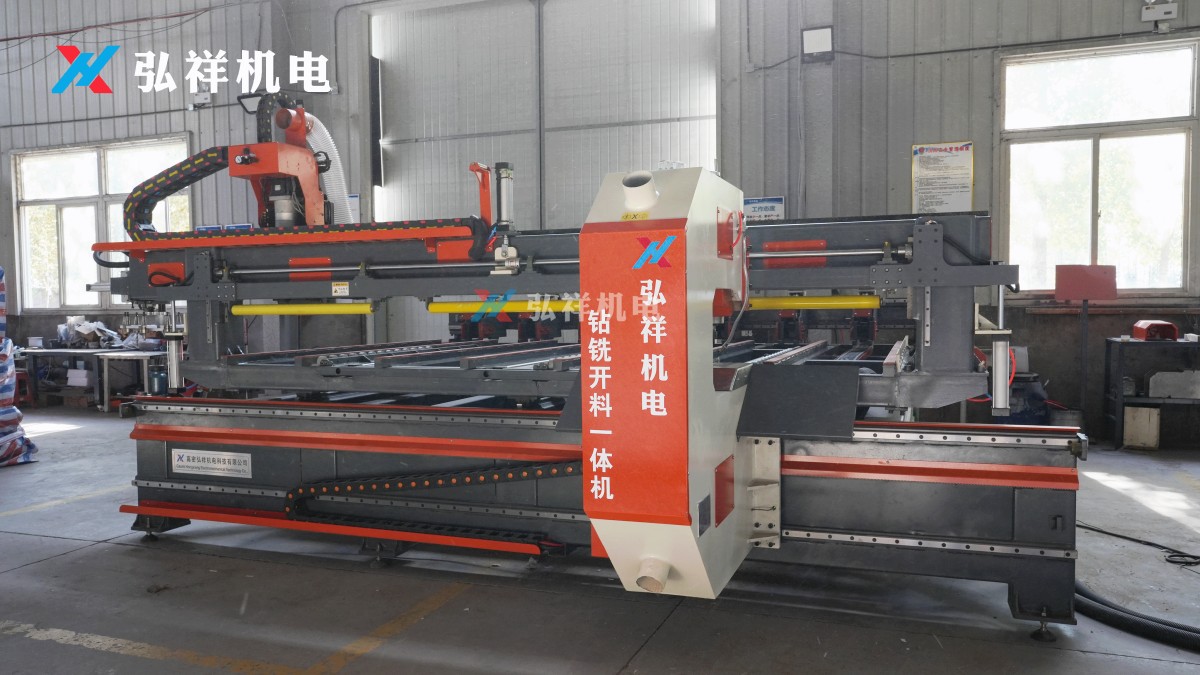
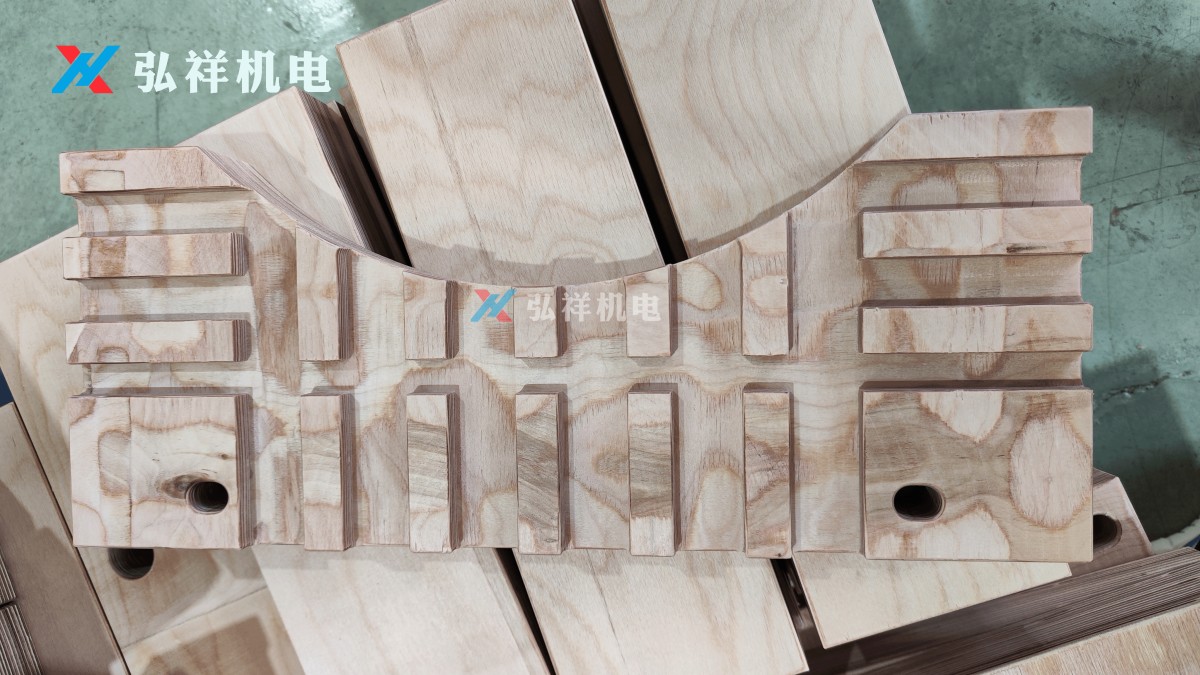
Rising expectations are changing how reliable performance is defined
The transformer industry is seeing tighter tolerances, more customized insulation structures, and stronger pressure for stable batch output. These changes are reshaping machine tool selection standards.
In the past, many workshops accepted manual adjustment and broad dimensional ranges. Today, that approach often leads to uneven grooves, burrs, material loss, and difficult downstream assembly.
Reliable Laminated wood processing equipment for transformer insulation is now expected to support continuous production while maintaining uniform edge quality, accurate positioning, and predictable cycle times.
This shift reflects a broader market trend. Buyers increasingly compare machine stability, tooling compatibility, dust control, and service support, not only initial purchase cost.
The strongest trend signals come from quality consistency and process integration
A dependable laminated wood machining line must fit into a complete insulation component workflow. Performance is judged by how well one process supports the next.
What the market is watching most closely
- Cutting accuracy across repeated batches
- Surface cleanliness after machining
- Machine rigidity under long operating hours
- Tool wear stability with laminated insulation materials
- Ease of setup for varied component geometries
- Dust extraction and working environment control
- Integration with drilling, slotting, shaping, and assembly steps
These signals show that reliable Laminated wood processing equipment for transformer insulation must deliver more than motion. It must create a stable process window for every insulation part.
The key drivers behind dependable laminated wood processing performance
Several technical and operational factors are pushing the industry toward higher reliability standards. Each one affects final component quality and long-term production efficiency.
For this reason, Laminated wood processing equipment for transformer insulation is increasingly evaluated as part of a complete quality system rather than as a stand-alone machine.
Reliable equipment performance starts with five practical machine capabilities
Dependable results usually come from a combination of structural strength, control precision, and process compatibility. The following capabilities deserve close attention.
1. Stable cutting and shaping accuracy
Accurate dimensions are fundamental for transformer insulation assemblies. A reliable machine should hold repeatable size control across multiple pieces and over long operating periods.
2. Strong machine rigidity
Rigid frames reduce vibration, chatter, and edge damage. This is especially important when processing dense laminated wood parts with slots, bevels, or precise fitting surfaces.
3. Reliable clamping and positioning
Material movement during machining can destroy consistency. Good clamping supports accuracy, protects the workpiece surface, and improves repeatability between batches.
4. Clean finishing and dust management
Transformer insulation components benefit from smooth edges and low contamination. Effective extraction systems help maintain cleaner surfaces and a safer production environment.
5. Easy parameter adjustment for varied parts
Component diversity is increasing. Laminated wood processing equipment for transformer insulation should support fast changeovers without sacrificing dimensional consistency or operator control.
The impact reaches every important step of insulation component manufacturing
Reliable machining performance does not only improve one workstation. It influences material usage, assembly efficiency, product qualification, and overall line stability.
- Upstream planning becomes easier when machine output is predictable.
- Mid-process inspection workload can drop with better dimensional consistency.
- Assembly fit improves when grooves, holes, and edges stay within tolerance.
- Final product reliability improves when insulation parts remain structurally sound.
- Material losses decrease when scrap and rework are reduced.
In this context, Laminated wood processing equipment for transformer insulation becomes a driver of cost control and quality assurance at the same time.
Companies active in electrical insulation processing are also paying more attention to integrated services. Installation, training, maintenance response, and process guidance increasingly affect actual equipment performance.
What deserves the closest attention when evaluating future-ready solutions
Market conditions suggest that reliable performance should be assessed through long-term usability, not just trial output. Several checkpoints help reveal true equipment value.
- Check repeat accuracy after extended running, not only during one sample test.
- Review edge quality on different laminated wood thicknesses and shapes.
- Confirm tooling replacement convenience and spare parts support.
- Assess how quickly settings can be adjusted for custom insulation parts.
- Verify after-sales training, installation support, and process optimization guidance.
- Look for compatibility with broader transformer insulation manufacturing needs.
A supplier with integrated R&D, production, installation, and service capabilities can often support better process continuity and faster problem resolution.
That matters in specialized sectors where Laminated wood processing equipment for transformer insulation must work alongside insulating cardboard processing, insulation part production, and custom machine development.
A practical decision path can reduce risk and improve long-term output
Equipment decisions become clearer when performance requirements are matched with process realities. A simple evaluation structure can support better outcomes.
For businesses serving domestic and international transformer markets, dependable machine tool performance supports both product credibility and competitive delivery capability.
The next step is to evaluate reliability as a full production outcome
The definition of reliable performance is becoming clearer. It means accurate machining, steady operation, clean finishing, flexible changeover, and service support that protects long-term production results.
Laminated wood processing equipment for transformer insulation should therefore be assessed by its contribution to total manufacturing quality, not only by nameplate specifications or short-term output claims.
If the goal is stronger insulation component consistency, lower waste, and more stable transformer part production, reviewing current machining challenges against future process needs is the most practical place to begin.
NAVIGATION
MESSAGE
Request A Quote?