0000-00
Selecting the right setup for oil-immersed transformer parts starts with reliable Transformer electrical layer-pressed wood processing equipment and Transformer insulation cardboard processing equipment. From CNC stepped saw solutions to drilling, slotting and cutting machine for material processing, the ideal line should balance high precision, durability, automation, and cost-effectiveness to support efficient production, stable insulation performance, and quality demands in the power industry.
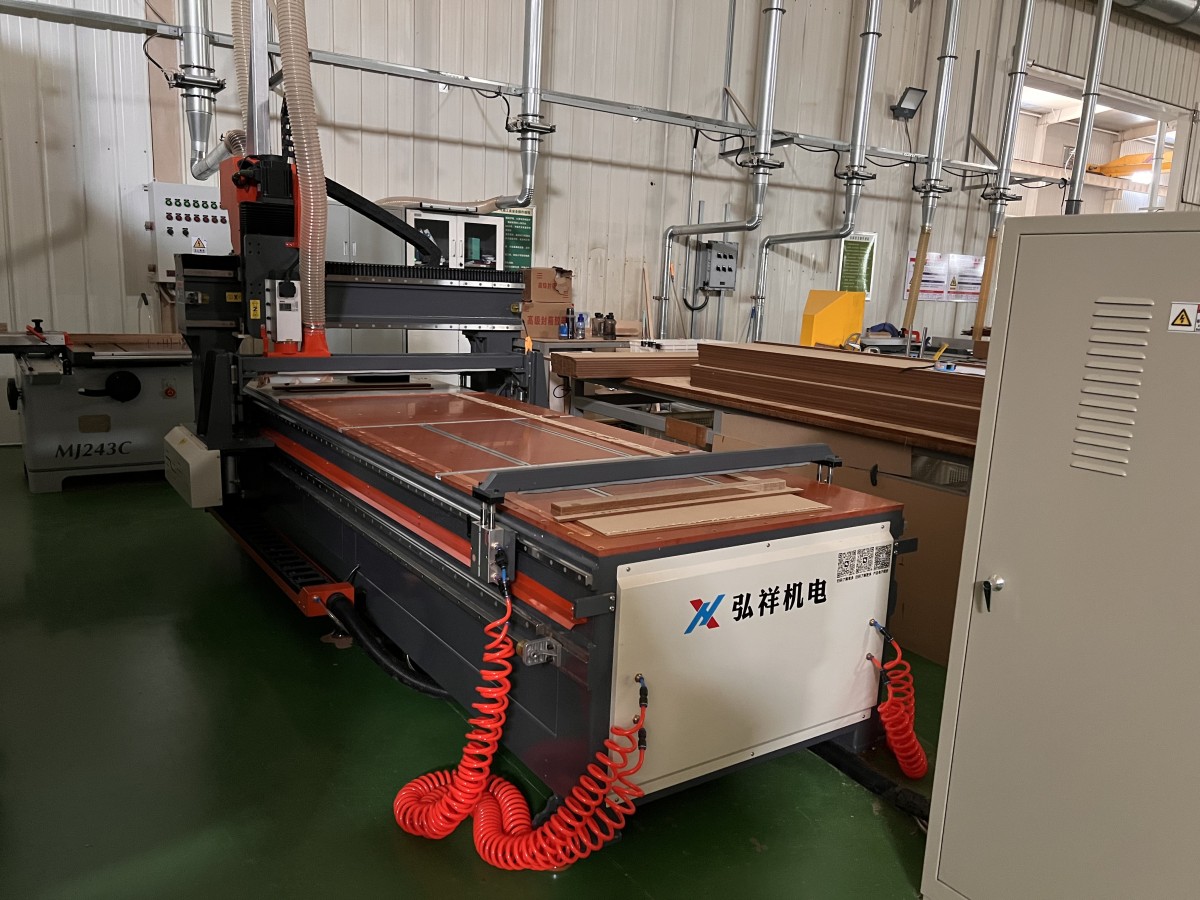
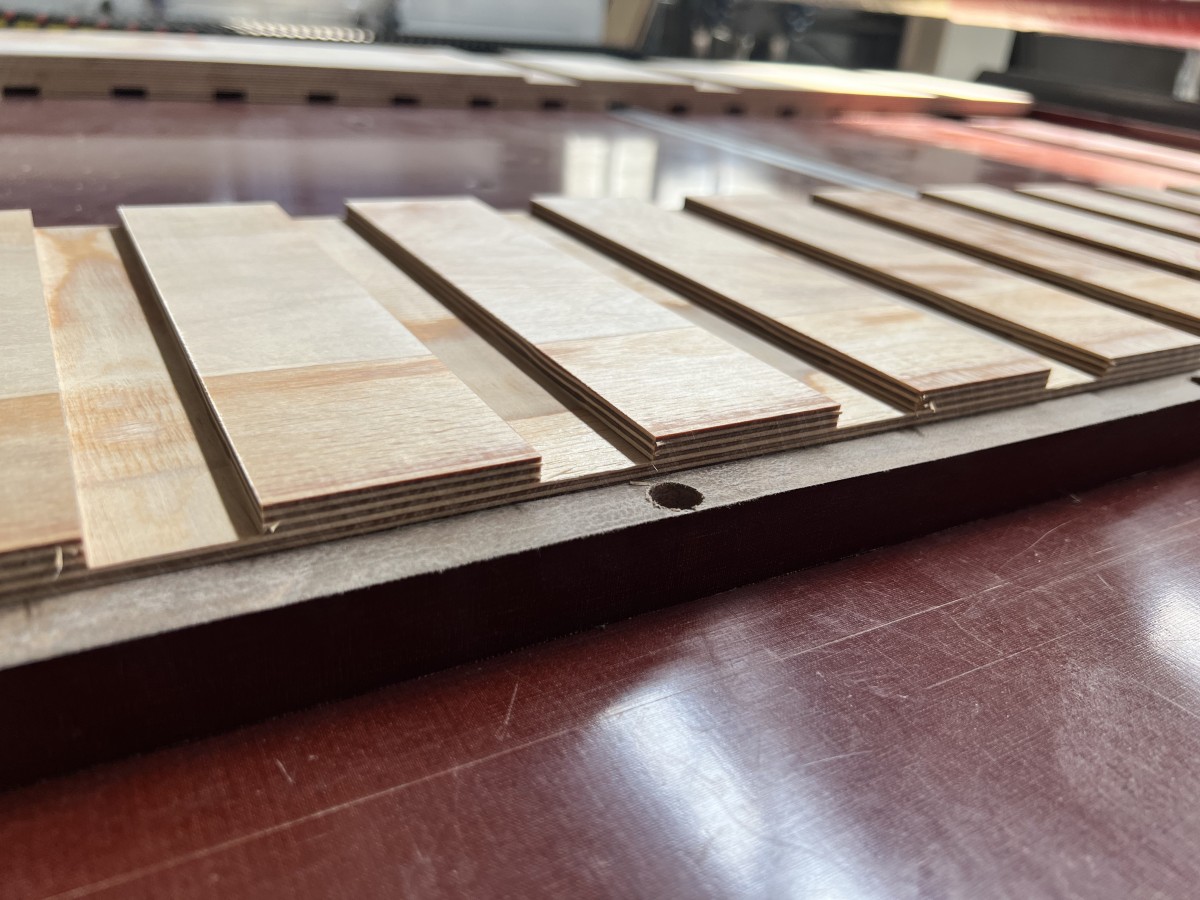
For buyers, operators, quality teams, and project managers, the decision is rarely about one standalone machine. It is about building a processing setup that fits transformer part geometry, insulation material characteristics, target output, labor capability, and downstream assembly requirements. In oil-immersed transformer manufacturing, even a dimensional deviation of ±0.2 mm to ±0.5 mm on selected insulation parts can affect fit-up, assembly consistency, and rework rate.
Gaomi Hongxiang Electromechanical Technology Co., Ltd. serves global customers with assembly and manufacturing services for power transformers, along with processing solutions for electrical insulating cardboard, insulating laminated wood, insulating parts, and EVA molding. For companies evaluating machine tools and processing lines, the key question is practical: what setup delivers stable output, manageable maintenance, and a cost structure that still makes sense after 12, 24, and 36 months of operation?
Understand the material and part requirements before choosing the machine layout
Oil-immersed transformer parts are not processed like common wood panels or ordinary sheet stock. Electrical layer-pressed wood, insulation cardboard, laminated insulation components, and related formed parts each respond differently to cutting force, spindle speed, tool wear, and humidity. A suitable setup begins with the material map: thickness range, density variation, target dimensional tolerance, surface finish requirement, and daily batch size.
For example, insulation cardboard processing often focuses on clean edge quality, low burr generation, and repeatable slot geometry. Layer-pressed wood processing places more emphasis on structural stability, precise sawing angles, and drilling consistency. If a plant handles thicknesses from 2 mm to 40 mm across multiple part types, a single manual machine rarely covers all tasks efficiently. In most cases, a combined setup of sawing, drilling, slotting, and trimming is more practical.
Key part categories that influence equipment selection
The processing setup should reflect the actual part mix in production. A workshop making mainly strips, spacers, rings, pads, and step-shaped blocks needs different machine priorities than a plant producing large quantities of slotted boards, drilled insulation plates, and precision fitted assembly parts. When the SKU count exceeds 30 to 50 regular part types, CNC flexibility becomes much more valuable than simple single-function equipment.
- Insulation cardboard parts: prioritize cutting smoothness, low deformation, and reliable slot repeatability.
- Electrical layer-pressed wood parts: prioritize rigidity, saw path accuracy, and hole position stability.
- Composite insulation parts: prioritize process compatibility and reduced handling damage between steps.
- High-mix, low-volume orders: prioritize fast changeover within 10 to 20 minutes and simple program management.
Many factories underestimate the impact of moisture and storage condition on machining stability. If insulating board moisture is poorly controlled, cutting quality can vary noticeably from batch to batch. In practice, maintaining material storage at a relatively stable temperature and avoiding large humidity fluctuation can reduce edge defects and improve dimensional repeatability during 1-shift and 2-shift production cycles.
Typical process matching logic
A practical approach is to define processing by sequence rather than by machine name alone. First comes raw material sizing, then feature creation such as drilling or slotting, followed by trimming, inspection, and part sorting. This sequence-based thinking helps engineering teams avoid buying machines that look advanced but do not connect well into a usable flow.
The table below summarizes how common transformer insulation materials align with machine functions and control priorities.
The main takeaway is that material-driven planning reduces both over-investment and under-capacity. A machine layout should be selected around real part families, not only around maximum advertised capability. That is especially important for transformer factories where quality variation can cost more in rework and delayed assembly than in the original machine purchase.
What a balanced processing setup usually includes
A well-matched line for oil-immersed transformer parts usually combines 3 to 5 process stations, depending on throughput and part complexity. Small and medium operations may start with a CNC stepped saw, a drilling and slotting machine, and a finishing or inspection station. Higher-output facilities often add dedicated feeding, dust collection, part labeling, and in-process measurement points to improve consistency over long production runs.
The objective is not maximum automation at any cost. The objective is a practical balance between labor use, uptime, precision, and future order flexibility. If daily output is under 200 to 300 parts, a semi-automatic setup may be sufficient. If the plant handles repeat orders, multiple thickness groups, and two production shifts, CNC-based coordination becomes more attractive because it reduces adjustment time and lowers operator dependence.
Core machine units in a transformer insulation parts workshop
For most machine tool buyers in this field, the processing setup can be divided into four levels: primary cutting, feature machining, finishing, and quality support. This structure works well for both newly built workshops and existing transformer plants planning a capacity upgrade.
- Primary cutting: used for raw sheet or block sizing, often through CNC stepped saw solutions for repeatable dimensions.
- Feature machining: includes drilling, slotting and cutting machine functions that create holes, grooves, and specific assembly profiles.
- Finishing and correction: includes edge trimming, surface cleanup, and part sorting to reduce assembly-side defects.
- Support systems: dust extraction, tool management, workholding, and inspection fixtures that affect daily reliability.
In real production, support systems are often the difference between a line that performs well for 3 weeks and one that stays stable for 3 years. Fine dust, fiber debris, and tool contamination can quickly reduce cut quality. A proper extraction system, regular tool replacement cycle, and accessible maintenance points help maintain stable operation and lower unplanned stoppage time.
The table below shows a common equipment combination strategy by production scale.
This comparison shows that the right setup depends on output mode more than on machine size alone. Procurement teams should compare machine configuration against part flow, not just nameplate power or headline speed figures. For many transformer manufacturers, the best value comes from a modular setup that can be expanded in stages over 6 to 18 months.
Selection standards: precision, durability, automation, and operating cost
When evaluating Transformer electrical layer-pressed wood processing equipment and Transformer insulation cardboard processing equipment, four standards usually matter most: process accuracy, long-term machine rigidity, level of automation, and total operating cost. Looking at only purchase price often creates hidden losses later through tool waste, inconsistent quality, excessive manual intervention, or long downtime during maintenance.
Accuracy should be reviewed in relation to actual transformer part tolerances. For many insulation and laminated components, repeatability in the range of ±0.2 mm to ±0.5 mm is more meaningful than an unrealistic laboratory figure. Buyers should also examine whether accuracy remains stable after continuous production, especially after 4 to 8 hours of running when heat, vibration, and debris accumulation start affecting machine behavior.
What technical teams should inspect during evaluation
Technical evaluators and quality managers should ask for more than brochures. They should review cutting samples, measure slot and hole consistency, and observe changeover procedures. A machine that saves only 2 minutes per setup can create a meaningful gain across 15 to 20 order changes per week. The same logic applies to maintenance points: easier tool access can reduce service time and improve operator compliance.
- Check dimensional repeatability on at least 3 to 5 sample parts from one batch.
- Review spindle, saw, and feed system behavior after continuous operation.
- Assess tool change time, cleaning convenience, and dust removal efficiency.
- Verify whether programming and operator interface support real shop-floor use.
- Confirm availability of installation, training, after-sales support, and spare parts supply.
Durability matters because transformer part workshops often run repetitive jobs with abrasive dust and frequent material changes. Machine bed stability, feed mechanism reliability, and clamping consistency should be examined over the expected life cycle, not just at acceptance. A lower-priced machine may seem attractive initially, but if it requires frequent alignment correction every few weeks, overall cost will rise through downtime and scrap.
A practical procurement checklist
The following checklist helps procurement, engineering, and finance teams align around measurable criteria instead of abstract preferences.
The strongest purchasing decisions combine technical suitability with predictable operating cost. For finance approvers and business evaluators, it is often smarter to compare output stability, labor need, expected maintenance frequency, and scrap control over 1 to 3 years rather than focusing only on the initial quotation.
Implementation, quality control, and service support after machine purchase
Even the right machine can underperform without a disciplined implementation plan. For oil-immersed transformer parts, startup should include material trial validation, process parameter confirmation, operator training, maintenance instruction, and inspection standard alignment. Many problems blamed on equipment are actually caused by weak process handoff during the first 2 to 6 weeks after installation.
A sound implementation plan usually begins with sample part testing using real production materials, not substitute boards. That allows engineering and quality teams to confirm edge condition, slot depth, hole accuracy, and batch consistency. Once trial parts pass internal checks, the workshop can lock the process window for feed rate, cutting parameters, tool type, and clamping method for each major part category.
A practical 5-step launch process
- Site preparation: confirm power supply, dust extraction, operator access, and material flow before delivery.
- Installation and calibration: verify mechanical alignment, feed stability, and safety functions.
- Sample validation: test 3 to 10 representative parts from real transformer orders.
- Training: separate basic operation training from maintenance and programming training.
- Stabilization review: monitor output, defect rate, and tool wear during the first production month.
Quality teams should define at least three acceptance layers: dimensional accuracy, visual edge quality, and process repeatability. This prevents conflicts between production speed and product quality. In many shops, the first month should include higher-frequency inspection, such as first-piece confirmation for each setup change and periodic sampling every 20 to 50 parts, depending on criticality.
After-sales support is another decision factor that matters for project managers and distributors. A supplier that can provide installation, training, spare parts coordination, and troubleshooting response within a practical time window helps reduce production risk. For overseas projects, buyers should also ask about remote support capability, documentation quality, and the recommended spare parts list for the first 6 to 12 months.
Common risks that delay return on investment
- Buying too much automation for a workshop with unstable product standards and limited programming skill.
- Ignoring dust control, which reduces machine life and affects cut quality.
- Using one tool strategy for all materials and thicknesses, causing premature wear and inconsistent results.
- Skipping operator retraining after process updates or new part introductions.
- Failing to define spare parts and maintenance responsibilities during procurement.
For companies seeking long-term reliability, the best setup is not only a machine package but a process package. That includes training, documentation, maintenance rhythm, and quality checkpoints. Companies such as Gaomi Hongxiang Electromechanical Technology Co., Ltd., with integrated capabilities across R&D, design, production, sales, installation, training, and after-sales service, are better positioned to support this full-cycle approach for transformer-related manufacturing projects.
FAQ for buyers, engineers, and plant managers
How do I know if I need a CNC stepped saw instead of a simpler cutting solution?
If your plant processes multiple part dimensions, angle cuts, or step-shaped components on a recurring basis, a CNC stepped saw is usually the better choice. It becomes especially valuable when SKU count is above 30, changeovers are frequent, or repeatability matters more than pure manual flexibility. It also helps when labor skill varies between shifts and the factory wants more process standardization.
What setup suits a medium-sized transformer parts workshop?
A common medium-scale solution includes one CNC cutting unit, one drilling and slotting machine, one inspection station, and reliable dust extraction. This arrangement often fits workshops that need balanced capacity without building a fully automated line. It supports stable production, manageable training, and gradual expansion when order volume increases.
Which indicators should procurement and finance teams focus on first?
They should focus on four measurable areas: repeatability, changeover time, maintenance frequency, and support capability. A machine with slightly higher initial cost can still be the better investment if it lowers scrap, reduces manual adjustment, and maintains stable output over 12 to 36 months. A practical review should include spare parts planning and training scope, not only equipment price.
How long does implementation usually take?
For a standard setup, installation and basic commissioning may take several days, while stable production often requires 2 to 4 weeks including sample validation, operator training, and process tuning. The exact timeline depends on part complexity, workshop readiness, and whether the project includes only machines or also process development and acceptance standards.
Choosing the right processing setup for oil-immersed transformer parts means matching machine capability with material behavior, part complexity, production volume, and quality expectations. Reliable Transformer electrical layer-pressed wood processing equipment and Transformer insulation cardboard processing equipment should support precision, stable operation, practical automation, and manageable lifecycle cost rather than headline specifications alone.
For manufacturers, distributors, and project teams evaluating machine tool solutions in the transformer sector, a well-planned setup can improve part consistency, reduce rework, and create a stronger foundation for long-term production efficiency. If you are assessing CNC stepped saw solutions, drilling, slotting and cutting machine options, or a more complete transformer parts processing line, contact us to discuss your material range, output target, and application needs. Get a tailored solution and learn more about the right equipment path for your project.
NAVIGATION
MESSAGE
Request A Quote?