0000-00
A drilling, slotting and cutting machine should deliver three things first: consistent precision, stable operation, and production efficiency that holds up under real factory conditions. In transformer insulation cardboard and layer-pressed wood processing, that means more than simply making holes, slots, and cuts. The machine must maintain dimensional accuracy across batches, reduce material waste, support safe and repeatable operation, and fit the production needs of oil-immersed transformer and main transformer component manufacturing. For companies evaluating automated transformer electrical layer-pressed wood processing equipment, the right machine is not the cheapest one on paper, but the one that produces reliable parts, lowers rework, and supports long-term manufacturing performance.
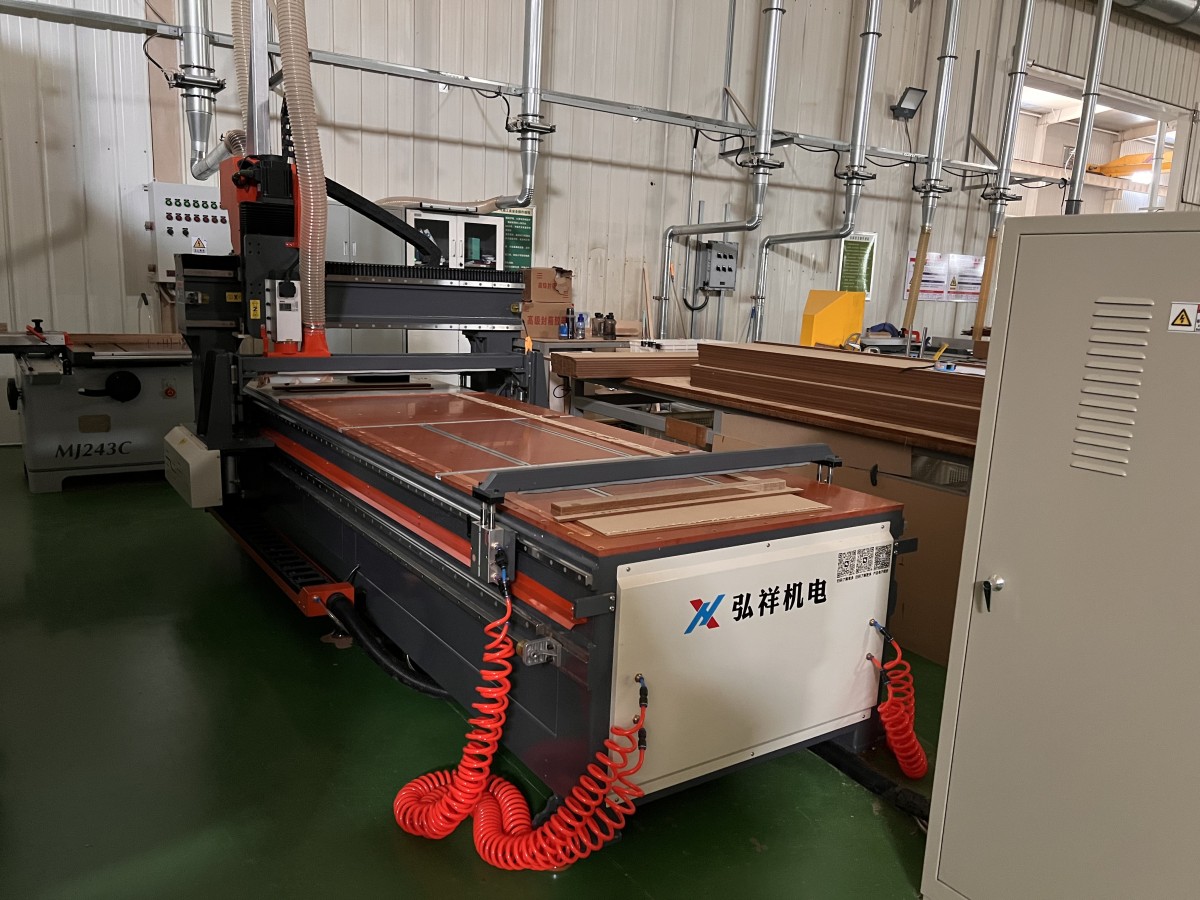
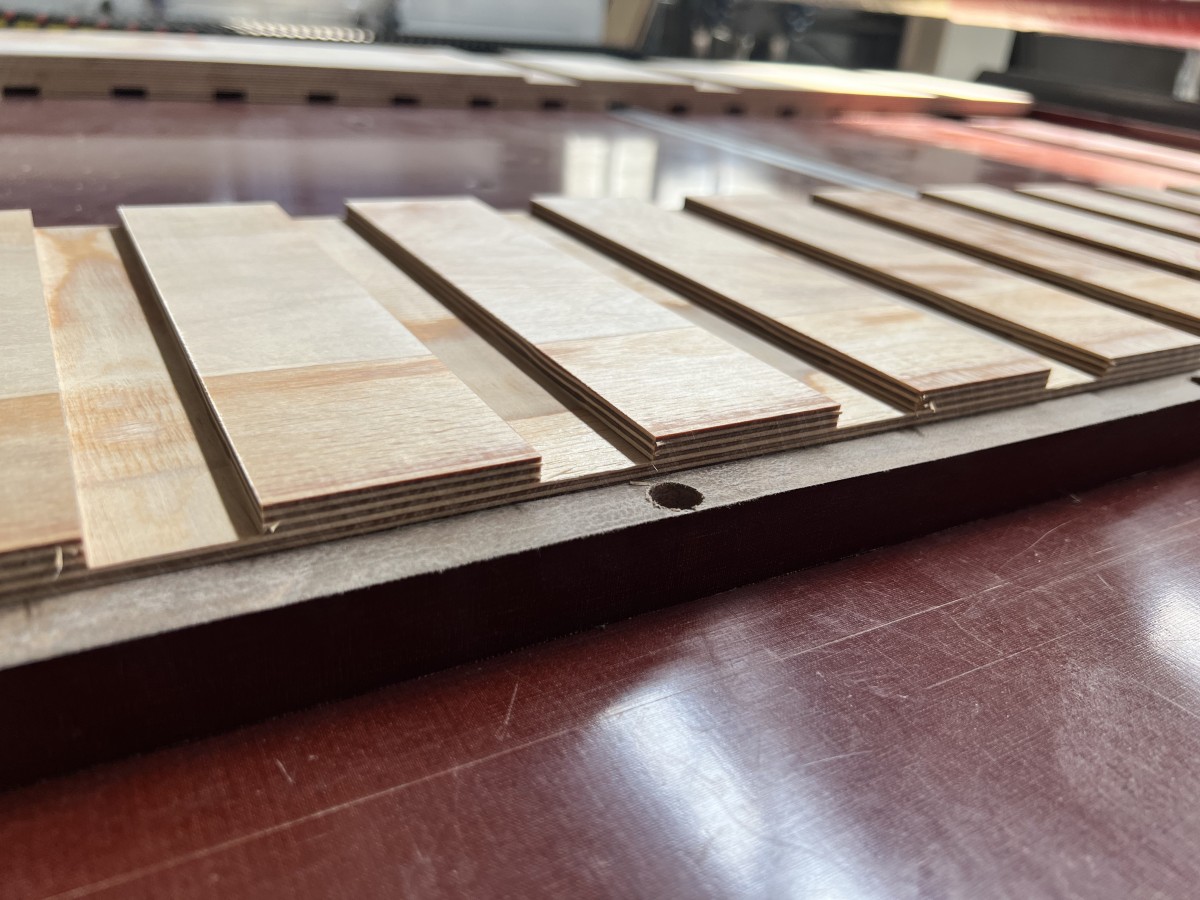
What buyers really expect from a drilling slotting cutting machine
Most buyers are not just searching for a machine that combines multiple functions. They want to know whether the equipment can solve practical production problems. In this industry, the key expectation is that one machine should help produce transformer insulation parts with high repeatability, clean processing quality, and dependable throughput.
For operators, that means easier setup, predictable machining, and less adjustment during shifts. For technical evaluators, it means verified accuracy, structural rigidity, and process compatibility with insulating cardboard and laminated wood. For procurement and management teams, it means lower scrap rates, stable delivery schedules, and a reasonable total cost of ownership. For quality and safety personnel, it means process control, operator protection, and reduced risk of defective parts entering assembly.
So when asking what a drilling slotting cutting machine should deliver, the most useful answer is this: it should deliver part quality, process stability, and business value at the same time.
How much precision is actually necessary in transformer insulation processing
Precision is usually the first issue that matters, because even a small deviation can affect downstream assembly, fit, insulation performance, and production consistency. A high precision transformer electrical layer-pressed wood processing equipment solution should deliver accurate hole positions, uniform slot dimensions, straight and clean cutting edges, and repeatable dimensions from the first part to the last.
In practical terms, precision is not only about nominal machine specifications. Buyers should also look at whether the machine can maintain accuracy over time, after repeated operation, and across different material thicknesses. A machine that performs well only during a demo but drifts in real production is a risk.
What matters most includes:
- Hole positioning accuracy for assembly-critical components
- Slot width and depth consistency
- Cut edge quality with minimal burrs, chipping, or tearing
- Stable repeatability across multiple batches
- Reliable performance on insulating cardboard and laminated wood with different densities
For transformer manufacturers, precision directly affects whether components can move smoothly into subsequent assembly stages without rework. Better precision usually means fewer manual corrections, faster fitting, and more reliable final product quality.
Why stability matters as much as speed
Many users initially focus on processing speed, but stability often creates more value over the life of the machine. A fast machine that vibrates, overheats, loses accuracy, or frequently stops for adjustment can quickly become expensive.
A durable drilling slotting cutting machine should maintain stable motion, tool path consistency, and dependable output over long production runs. This is especially important when processing insulation materials that may respond differently to cutting forces, feed rates, and tool wear.
Stability usually depends on several factors:
- Machine frame rigidity
- Quality of spindle and drive components
- Reliable control system performance
- Effective clamping and positioning design
- Reasonable vibration control
- Consistent electrical and mechanical integration
For decision-makers, stability translates into fewer interruptions, less unplanned maintenance, better part consistency, and more predictable production planning. In other words, stable equipment protects both quality and delivery commitments.
What level of efficiency should the machine deliver in real production
Efficiency should not be judged only by theoretical cycle time. In real factory use, efficient automated transformer electrical layer-pressed wood processing equipment should reduce the total time and labor needed to complete qualified parts.
That includes more than cutting speed. It also includes setup time, material loading efficiency, tool change convenience, programming simplicity, and the ability to process different part types without excessive downtime.
A good machine should help improve efficiency in these ways:
- Combining drilling, slotting, and cutting in one workflow
- Reducing manual repositioning and handling
- Supporting repeat jobs with saved programs or parameter settings
- Lowering inspection and rework time through better consistency
- Improving material utilization and reducing scrap
For project managers and production supervisors, efficiency is not just higher output per hour. It is smoother workflow, fewer bottlenecks, and more confidence in production scheduling.
Can the machine handle the material characteristics of insulation cardboard and laminated wood
This is one of the most important evaluation points and often one of the most overlooked. Transformer insulation cardboard and insulating laminated wood are not generic materials. Their structure, density, thickness variation, and processing behavior require equipment designed or configured for this application.
The machine should be able to process these materials without causing excessive edge damage, deformation, surface defects, or dimensional inconsistency. It should also support appropriate tooling, feed strategies, and clamping methods for non-metallic insulating materials.
When evaluating suitability, buyers should ask:
- Has the machine been used for transformer insulation part processing before?
- What material thickness range can it handle reliably?
- How does it perform on both insulating cardboard and layer-pressed wood?
- What tooling recommendations are provided?
- How are dust, debris, and chip removal managed?
A machine that is well matched to the material will usually produce cleaner parts, maintain accuracy longer, and reduce tool wear and reject rates.
What features help operators and maintenance teams the most
For actual users, a machine’s daily usability matters as much as its technical specification sheet. Equipment that is difficult to set up, hard to maintain, or confusing to operate can reduce productivity and increase error risk.
Operators usually benefit most from:
- Clear and easy-to-use control interface
- Fast job setup and parameter adjustment
- Stable clamping and convenient loading
- Reliable alarm and fault indication
- Safe access for operation and inspection
Maintenance personnel usually care about:
- Easy access to wear parts and service points
- Simple troubleshooting logic
- Availability of spare parts
- Technical documentation and training support
- Responsive after-sales service
These factors strongly influence long-term machine uptime. Even a technically advanced system can become a burden if maintenance is difficult or support is weak.
How should procurement and management teams judge return on investment
For procurement, finance, and business leaders, the right question is not only “What is the machine price?” but “What value does it create over time?” A drilling slotting cutting machine should deliver measurable operational and financial benefits.
The most common value drivers include:
- Reduced scrap and material waste
- Lower labor dependence for repetitive processing
- Improved throughput and order capacity
- Better consistency that reduces rework and quality claims
- Longer service life and lower downtime cost
When comparing suppliers, it is useful to evaluate total cost of ownership rather than purchase cost alone. This includes installation, training, tooling, maintenance, spare parts, productivity gains, and risk reduction. In many cases, a more reliable and better-supported machine creates a stronger payback than a lower-cost option with unstable performance.
What questions should you ask before choosing a supplier
A supplier should not only sell equipment but also understand the processing requirements of transformer insulation materials and the realities of industrial production. This is particularly important for buyers looking for durable solutions for the power industry.
Before making a decision, ask questions such as:
- What similar applications has the supplier already served?
- Can they provide proof of processing performance on your materials?
- What accuracy and repeatability results can they demonstrate?
- What customization is available for special part requirements?
- What training, installation, and after-sales service are included?
- How quickly can spare parts and technical support be provided?
Suppliers with integrated R&D, design, production, installation, training, and after-sales capabilities are often better positioned to support long-term use, especially when customers require special machine configurations or application-specific adjustments.
What a good final decision looks like
A good purchasing decision is not based on one specification or one sales promise. It is based on whether the machine can consistently produce qualified transformer insulation parts, fit the production environment, and support long-term manufacturing goals.
The best drilling slotting cutting machine should deliver:
- High and repeatable processing precision
- Stable operation over long production periods
- Efficient integrated drilling, slotting, and cutting workflows
- Strong compatibility with electrical insulating cardboard and laminated wood
- Operator-friendly use and maintainable design
- Reliable after-sales support and practical business value
For companies involved in transformer component manufacturing, these are not optional advantages. They are the foundations of consistent quality, competitive production, and dependable delivery.
In summary, a drilling slotting cutting machine should deliver more than machining capability. It should deliver precision where assembly depends on it, stability where production relies on it, and efficiency where business performance benefits from it. For buyers evaluating automated and high precision transformer electrical layer-pressed wood processing equipment, the smartest choice is the one that combines technical performance, material suitability, ease of operation, and long-term service support. That is what truly reduces risk and creates value in transformer insulation processing.
NAVIGATION
MESSAGE
Request A Quote?