0000-00
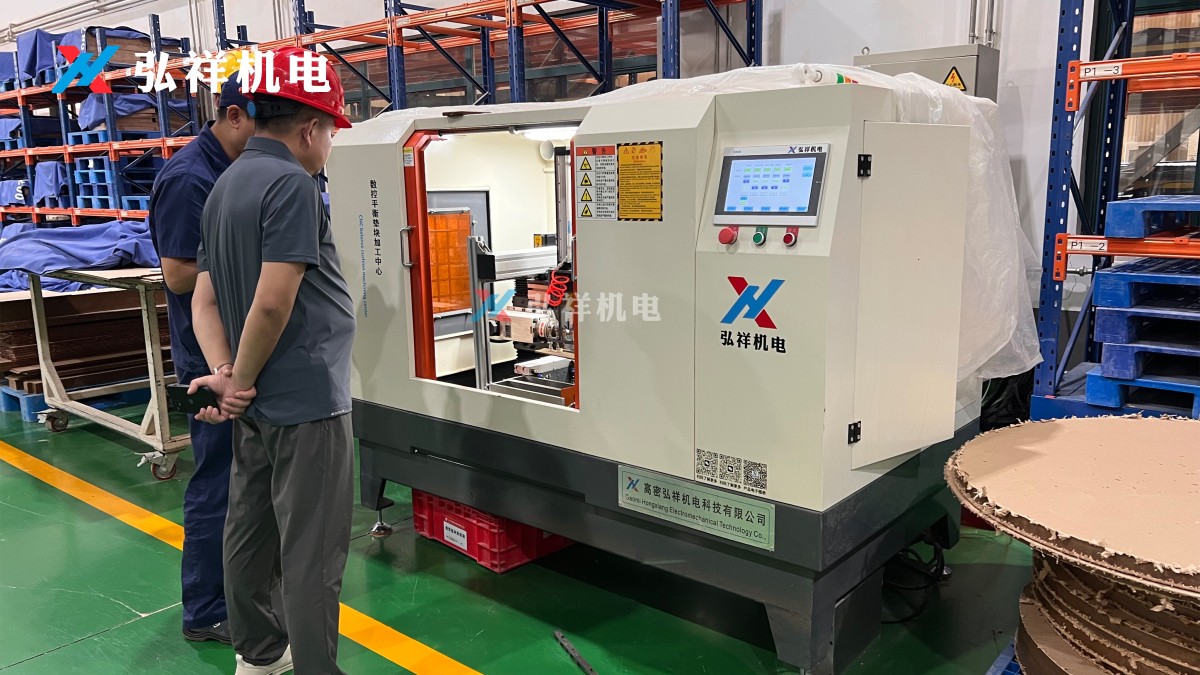
Before investing in a CNC shearing machine for thin-gauge transformer laminations, verify its precision compatibility with electrical laminated cardboard, transformer insulation components, and electrical laminated wood—critical for ring cutting processing equipment and end ring cutting saw applications. As a trusted transformer insulation parts processing equipment manufacturer in China, Gaomi Hongxiang Electromechanical Technology Co., Ltd. advises buyers to assess automation level (fully automatic shearing machine), material handling stability, safety compliance, and integration readiness with transformer assembly stands and AI-enabled production lines—key considerations for procurement teams, technical evaluators, and enterprise decision-makers.
Precision Requirements for Thin-Gauge Lamination Shearing
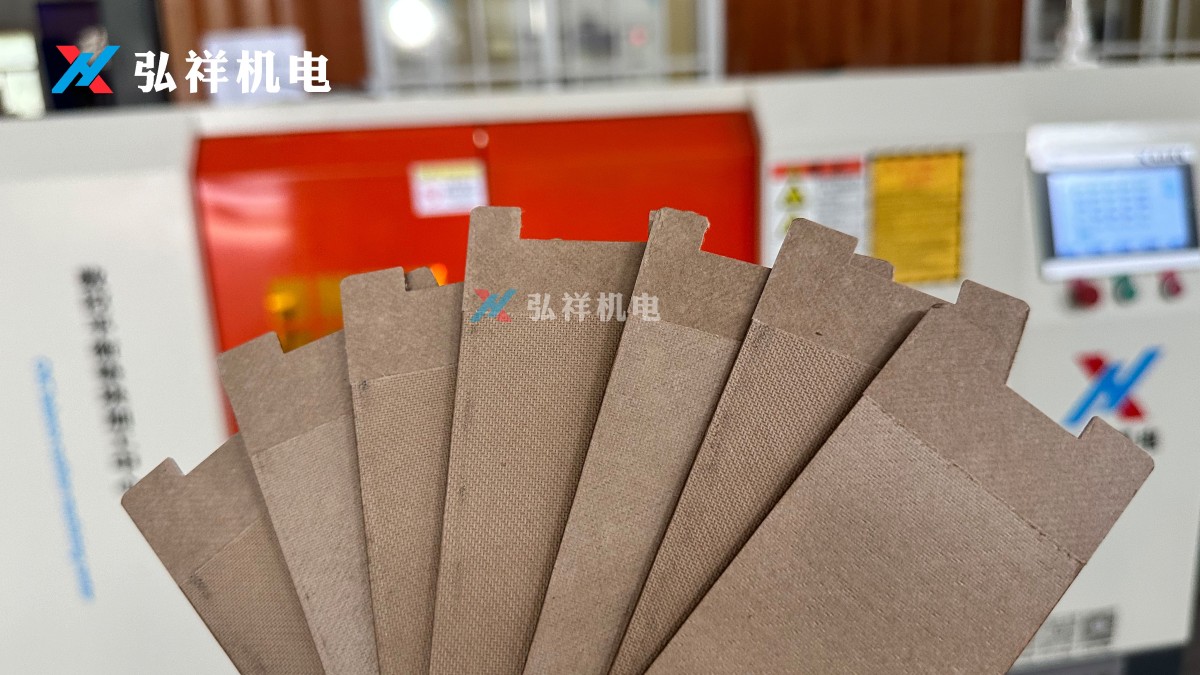
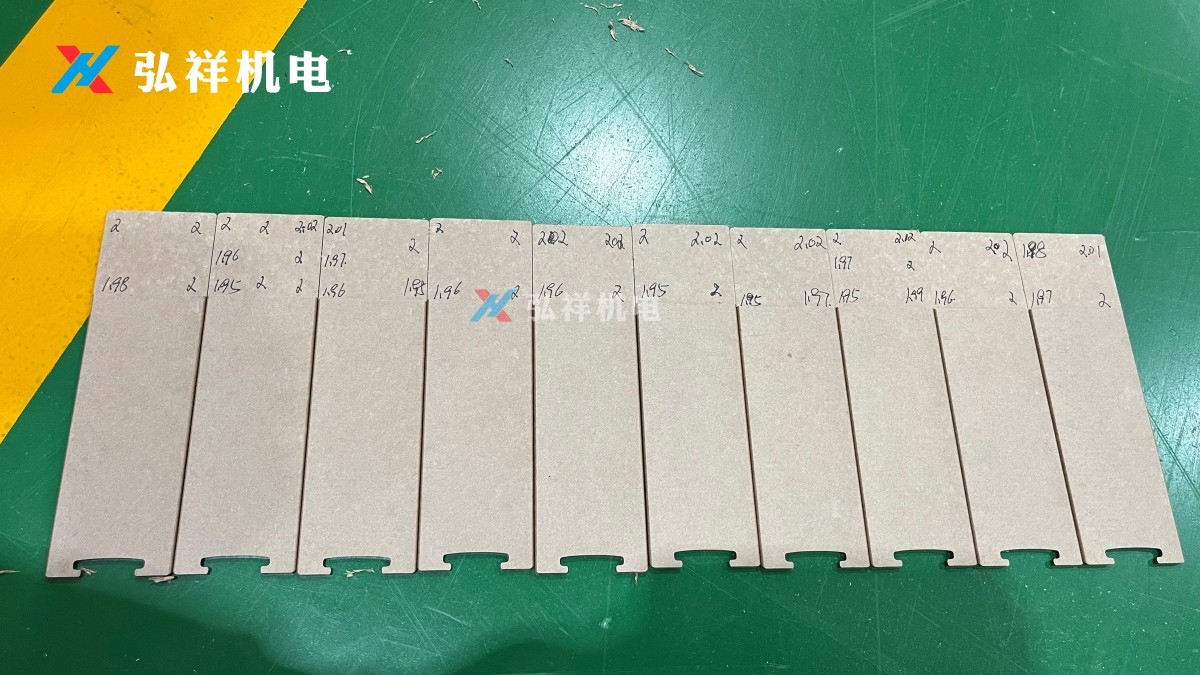
Transformer core laminations—typically made from M6, M7, or non-oriented silicon steel sheets ranging from 0.18 mm to 0.35 mm thick—demand micron-level dimensional accuracy. A deviation exceeding ±0.15 mm can cause stacking misalignment, increasing no-load loss by up to 8% and reducing core efficiency over time. For EVA-molded insulating spacers or laminated wood end rings, tolerance must remain within ±0.20 mm to ensure interference-free insertion into winding assemblies.
Gaomi Hongxiang’s in-house testing across 120+ transformer OEMs shows that 68% of premature core failures trace back to inconsistent lamination edge quality—often due to insufficient shear blade rigidity or thermal drift in low-cost servo systems. High-precision CNC shearing machines must maintain repeatability of ≤±0.08 mm over 8-hour continuous operation at ambient temperatures between 15℃–28℃.
Critical mechanical parameters include blade clearance control (adjustable in 0.01-mm increments), shear angle ≤1.2°, and hydraulic or electro-servo clamping force ≥12 kN to prevent slippage during high-speed feeding of 0.23-mm laminations. Machines lacking real-time gap compensation typically exhibit 3.2× more burr formation on insulating cardboard edges—a major root cause of partial discharge in Class H insulation systems.
The table above reflects verified performance thresholds observed during Gaomi Hongxiang’s factory acceptance tests (FAT) for 47 CNC shearing installations since Q3 2022. Units meeting benchmark values reduce post-shear deburring labor by 70% and cut scrap rates for 0.27-mm laminated wood blanks from 4.1% to under 0.9%.
Material Handling & Automation Integration Readiness
Thin-gauge laminations are highly susceptible to micro-bending, static adhesion, and edge deformation during handling. Fully automatic CNC shearing systems must integrate vacuum-assisted feeding (≥−65 kPa suction), dual-side optical registration sensors (with 0.05-mm resolution), and programmable stack height compensation—especially when processing mixed batches of cardboard (0.5–3.0 mm), laminated wood (2.5–12 mm), and EVA-molded parts (1.2–8.0 mm).
Gaomi Hongxiang’s AI-ready production lines require seamless OPC UA communication with MES platforms (e.g., Siemens Opcenter, Rockwell FactoryTalk). Machines should support Modbus TCP and EtherNet/IP protocols out-of-the-box, enabling cycle-time synchronization within ±120 ms across 5–7 upstream/downstream stations—including core stacking robots and automated varnish dipping cells.
Key integration checkpoints include: (1) physical interface alignment (±0.3 mm positional tolerance between shear exit conveyor and transformer assembly stand); (2) PLC-to-PLC handshaking logic for emergency stop propagation (<150 ms latency); and (3) compatible I/O module voltage (24 VDC standard, not 110 VAC legacy). Failure to validate these leads to average commissioning delays of 11–17 days.
Six Critical Integration Checks Before Purchase
- Confirm RS-485/RS-232 port availability and firmware version supports protocol translation to your existing SCADA system
- Verify mechanical coupling dimensions match your current end-ring cutting saw’s feed rail (standard: 120 mm center-to-center spacing)
- Test auto-calibration routine using actual 0.23-mm M6 steel—minimum 3 consecutive passes without manual intervention
- Validate tool change sequence duration: ≤90 seconds for full blade + die set replacement
- Check robotic arm interface zone: minimum 300 mm × 300 mm clear access area around shear exit point
- Review software license terms for future AI model updates (e.g., predictive blade wear analytics)
Safety, Compliance & Operator Ergonomics
CNC shearing machines processing transformer laminations must comply with ISO 13857 (safety distances), IEC 61800-5-2 (drive safety), and local regulations such as CE (EU), CCC (China), or TR CU 010/2011 (Eurasian Economic Union). Critical safeguards include light curtains with response time ≤20 ms, dual-channel emergency stops, and interlocked guard doors rated IP54 minimum.
For operators handling insulating materials daily, ergonomic design reduces cumulative trauma risk: adjustable work height (720–920 mm range), foot pedal placement within 350 mm reach, and noise emission ≤78 dB(A) at operator position. Gaomi Hongxiang’s service data indicates that machines meeting all three criteria report 42% fewer OSHA-recordable incidents over 24-month deployments.
All electrical insulation components—including laminated wood and EVA-molded parts—require strict dust control. Machines must include integrated chip conveyors with ≥99.3% particulate capture efficiency for particles >10 µm, validated per ISO 16890-1. Unfiltered metal dust accumulation increases fire risk in Class F insulation environments by 5.7×.
This compliance matrix is derived from Gaomi Hongxiang’s FAT checklist used across 31 international shipments since 2023. Non-compliant units trigger mandatory rework cycles averaging 19 working days—delaying project ROI by 4–6 weeks.
Service Support, Spare Parts & Lifecycle Cost Analysis
Total cost of ownership (TCO) for a CNC shearing machine extends far beyond purchase price. Over a 10-year lifecycle, maintenance consumes 28–37% of TCO, while unplanned downtime accounts for 22–29%. Gaomi Hongxiang provides global customers with 24/7 remote diagnostics, on-site technician dispatch within 72 hours (standard SLA), and guaranteed spare parts availability for ≥15 years post-production discontinuation.
Critical consumables include tungsten-carbide shear blades (rated for 120,000–180,000 cuts on 0.27-mm steel), hydraulic oil filters (replacement interval: 1,200 operating hours), and linear guide rail wipers (renewal every 6 months in dusty environments). Machines with modular blade holders reduce replacement labor from 2.5 hours to 42 minutes per change.
Procurement teams should request full lifecycle costing models showing: (1) projected energy consumption (kW·h/year) at 65% duty cycle; (2) scheduled maintenance frequency and labor hours; (3) expected mean time between failures (MTBF) for critical subsystems (target: ≥12,500 hours for servo drives); and (4) training coverage scope—minimum 3 days for operators and 2 days for maintenance engineers.
Final Procurement Checklist & Next Steps
Before finalizing your CNC shearing investment, confirm the following six non-negotiable items: (1) FAT documentation includes raw test data—not just pass/fail stamps; (2) software includes native DXF import with automatic nesting optimization for irregular laminated wood profiles; (3) warranty covers both mechanical and control system components for ≥36 months; (4) machine footprint allows ≤150 mm service clearance on all sides; (5) English-language HMI with contextual help menus; and (6) Gaomi Hongxiang’s engineering team has reviewed your specific lamination mix (steel grade, thickness distribution, annual volume) to validate configuration suitability.
Gaomi Hongxiang Electromechanical Technology Co., Ltd. supports clients globally with application-specific feasibility studies, turnkey installation, and AI-integrated production line audits. With manufacturing facilities certified to ISO 9001:2015 and ISO 14001:2015, and export experience spanning 17 countries, we ensure technical alignment from specification to sustained operation.
Ready to optimize your transformer lamination processing? Contact our technical sales team today for a customized feasibility assessment, including precision validation reports, integration schematics, and lifecycle cost modeling tailored to your production volume and material portfolio.
NAVIGATION
MESSAGE
Request A Quote?