0000-00
Before investing in Automated laminated wood processing equipment, project managers need to assess production goals, material compatibility, automation level, precision requirements, and long-term service support. A well-planned upgrade can improve efficiency, reduce labor costs, and ensure consistent quality, but only if the equipment matches your workflow and technical standards. Understanding these key checkpoints helps decision-makers minimize risk and achieve a smoother, more profitable transition.
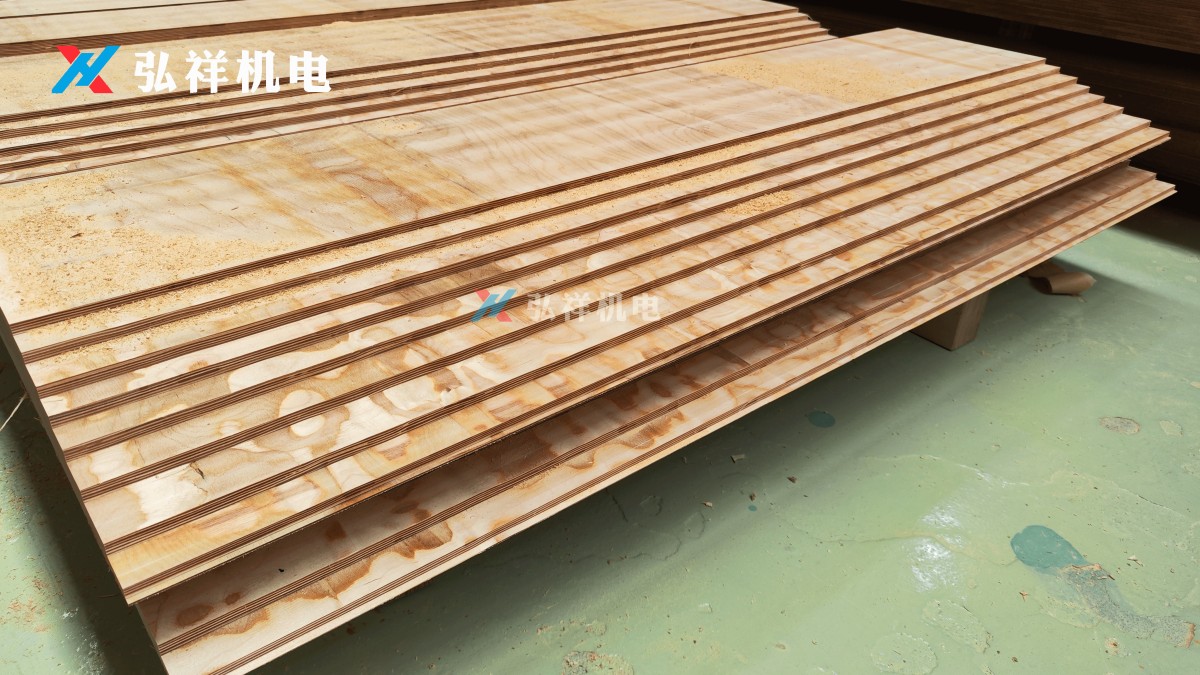
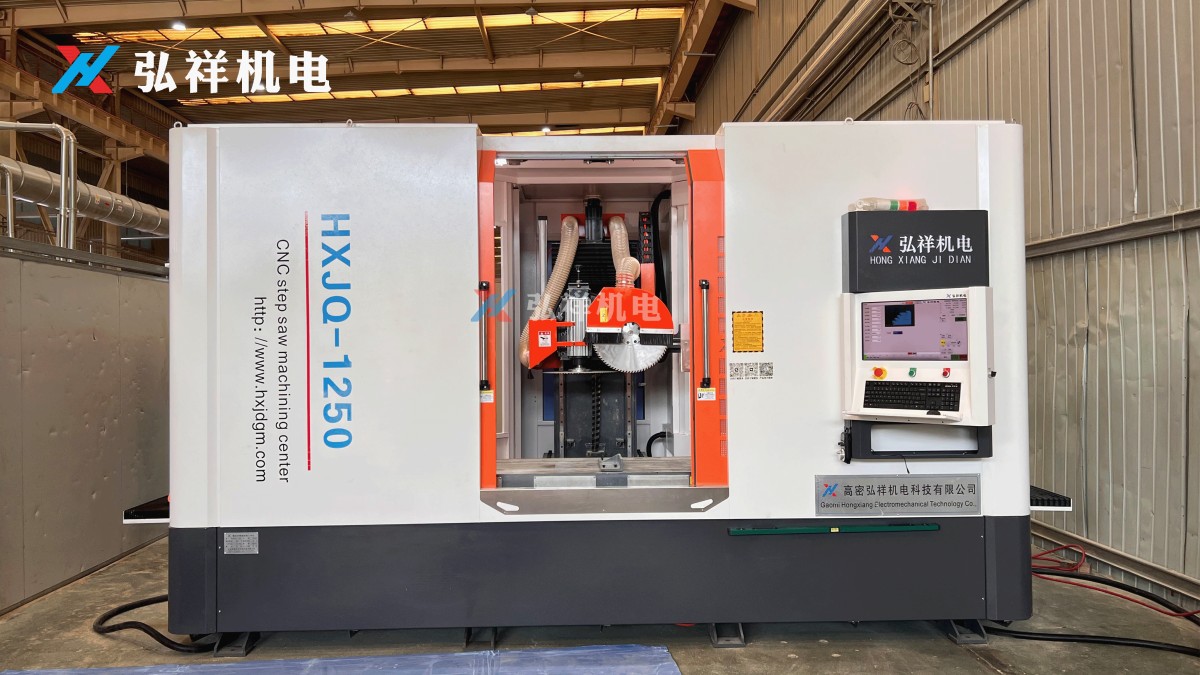
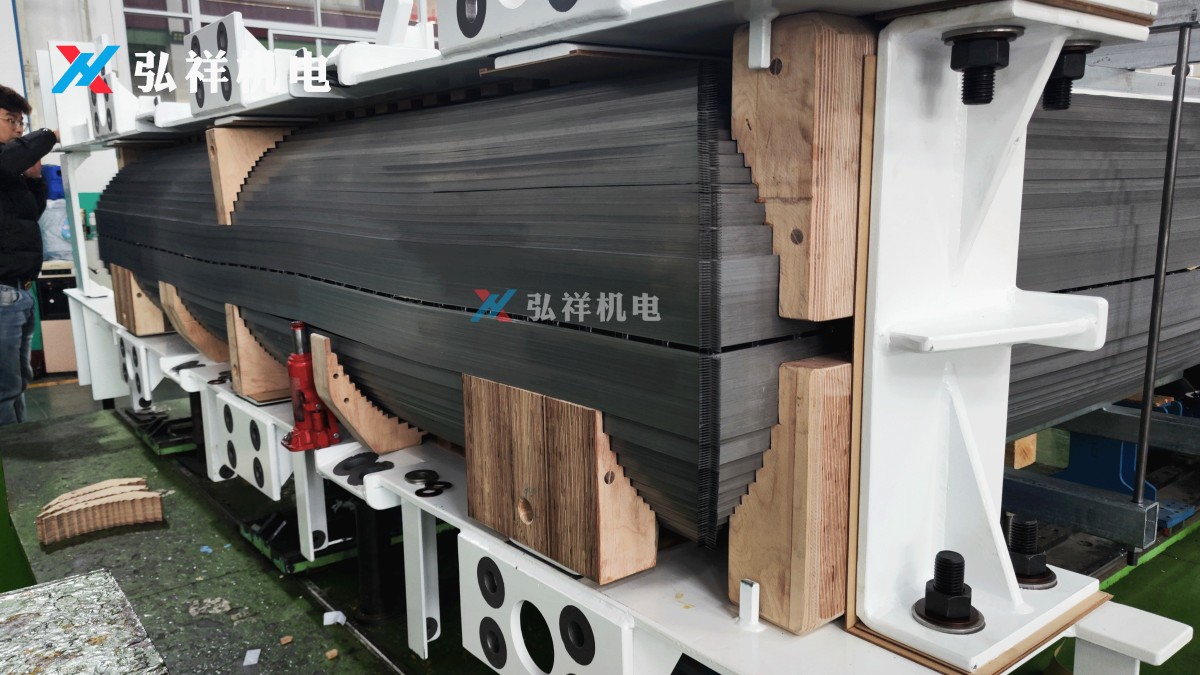
Understanding the role of automated laminated wood processing in industrial manufacturing
Automated laminated wood processing equipment is not simply a faster replacement for manual or semi-manual machines. In the machine tool equipment sector, it is a production system designed to improve repeatability, reduce operator dependence, and support stable processing of insulating laminated wood and related electrical insulation components. For project managers responsible for transformer-related production lines, the upgrade decision usually affects throughput, labor planning, maintenance schedules, and product quality over a 5- to 10-year equipment life cycle.
In laminated wood processing, typical operations include cutting, slotting, drilling, milling, shaping, edge finishing, and dimensional verification. Automation becomes valuable when these steps are repeated across medium or high batch volumes, such as 200 to 2,000 parts per month, or when consistency requirements tighten and rework costs start to increase. If your current process relies on operator experience to control tolerance and surface quality, then Automated laminated wood processing equipment deserves serious evaluation.
The current industry focus is not only speed. Many manufacturers are under pressure to shorten delivery cycles from 30 days to 15 to 20 days, while maintaining dimensional stability for insulating parts used in transformer assembly and related electrical applications. In such settings, the right level of automation can help standardize production, support traceability, and make training easier for new operators within a 2- to 4-week onboarding period.
Why this topic matters for project leaders
For engineering and project management teams, equipment upgrades are often tied to capacity expansion, cost control, and delivery reliability. A machine that processes laminated wood accurately but does not fit your upstream material preparation or downstream assembly sequence may still become a bottleneck. That is why evaluation must go beyond machine specifications and include workflow integration, utility requirements, spare parts planning, and after-sales response time.
This is especially relevant for companies handling insulating cardboard, insulating laminated wood, EVA molded parts, and specialized equipment for advanced industrial applications. A supplier with combined R&D, manufacturing, installation, training, and service capabilities can often reduce project risk because technical problems are solved across the whole process instead of at one isolated machine point.
The table below outlines how automated processing is commonly understood in laminated wood operations and why each factor matters before investment approval.
This overview shows that Automated laminated wood processing equipment should be evaluated as a process platform rather than a single machine purchase. The broader the impact on your line, the more important pre-upgrade analysis becomes.
Why the industry is paying closer attention to this upgrade
Several industry trends explain why automated laminated wood processing has become a more common discussion point. First, transformer and electrical insulation manufacturing increasingly requires shorter lead times with less variation. Second, labor-intensive machining becomes difficult to scale when skilled operators are limited. Third, more customers now expect process transparency, stable dimensions, and batch consistency, even for medium-volume customized parts.
In conventional workshops, one operator may control cutting quality by personal experience, adjusting feed rates and tooling based on sound, feel, or visual judgment. That approach can work for low volume, but once production expands or multiple shifts are added, variation becomes harder to control. Automated laminated wood processing equipment helps standardize settings and make output less dependent on individual habits, especially across 8-hour to 12-hour production cycles.
Another reason is material sensitivity. Insulating laminated wood used in electrical equipment is not the same as ordinary timber board. It must often meet application-specific performance expectations such as dimensional consistency, machinability, and structural reliability in service. Poor machine rigidity, unsuitable cutting tools, or weak dust extraction can cause chipping, burning, or layer damage that reduces part acceptance rates.
Common operational pressures behind automation projects
- Batch size growth from dozens of pieces to several hundred pieces per order, making manual setup less economical.
- Tolerance expectations tightening to typical ranges such as ±0.2 mm to ±0.5 mm depending on part geometry.
- Need to reduce scrap rates, which in some workshops can rise above 3% to 5% when process control is inconsistent.
- Pressure to document production status, machine uptime, and maintenance intervals more clearly.
For project leaders, these pressures mean that automation is not only an equipment topic. It is linked to planning reliability, cost predictability, and customer confidence. The best upgrade projects usually begin when managers define the business problem first: Is the main issue labor shortage, unstable precision, low output, delayed delivery, or too many setup changes between part types?
A practical view of upgrade timing
A suitable upgrade window often appears when utilization of existing machines reaches 70% to 85%, rework starts affecting shipment schedules, or maintenance downtime becomes difficult to absorb. Waiting until the line is already overloaded can force rushed procurement decisions. Starting evaluation 3 to 6 months before a planned capacity expansion usually gives enough time for technical review, layout planning, and trial sample discussion with the supplier.
Companies with exports to Southeast Asia, South America, India, Pakistan, Russia, and similar markets also tend to value equipment stability because multi-region business often needs more predictable delivery commitments. In these contexts, the equipment must support both productivity and service continuity.
What to check before upgrading to Automated laminated wood processing equipment
The most important pre-upgrade step is aligning machine capability with your actual product mix. Some facilities process mostly flat panels with repetitive dimensions, while others handle complex insulating parts with multiple drilling points, stepped contours, and varied thicknesses. The right Automated laminated wood processing equipment for one plant may be inefficient in another if setup frequency, part geometry, or tolerance demands differ significantly.
You should also examine upstream and downstream fit. If material cutting is automated but part marking, inspection, stacking, or transfer remains manual, the expected productivity gain may be reduced. Likewise, if dust collection, fixture changes, or tool replacement are slow, the line can lose 10% to 20% of practical efficiency even when the machine itself has strong rated capacity.
Below is a structured checklist that project managers can use during the review stage. It works especially well when comparing 2 to 4 candidate machine configurations or discussing a custom solution with the equipment supplier.
This checklist is valuable because it turns a broad automation discussion into measurable review points. It also helps prevent over-buying, where a complex machine is purchased but underused because the plant’s actual product structure does not justify the extra functions.
Key technical points that should not be skipped
- Confirm workpiece dimensions, thickness range, and annual output plan before discussing machine configuration.
- Request sample processing based on your own part drawings whenever possible.
- Check dust extraction, chip removal, and shop environmental control because laminated wood debris can affect finish quality and machine cleanliness.
- Evaluate software usability for operators and programming staff, especially if multiple product variants are processed every week.
- Review electrical standards, safety interlocks, and maintenance access points before layout approval.
These points become even more important when your business includes insulating cardboard, laminated wood, insulation parts, and custom equipment support. Multi-product operations require flexibility, not only speed. A machine that handles one part family well but creates repeated interruptions for others may lower total line efficiency.
Where automated laminated wood processing creates the most value
The value of Automated laminated wood processing equipment is highest where quality consistency and process rhythm matter more than isolated peak speed. This often includes transformer insulation part production, repeated structural component machining, and mixed-batch manufacturing where setup accuracy directly affects output. In these environments, automation can improve not only hourly productivity but also plan adherence over weekly and monthly schedules.
For example, when parts require repeated drilling patterns or shaped contours, manual alignment error can accumulate quickly across 100 or 300 pieces. Automated positioning and programmable machining reduce that variation and make final assembly easier. This is especially useful when downstream teams depend on accurate slot depth, hole spacing, or edge geometry to avoid fit-up delays.
The technology also supports better labor deployment. Instead of assigning highly experienced operators to repetitive machining all day, companies can shift skilled staff toward process supervision, quality verification, and setup optimization. In many plants, this organizational improvement is as valuable as the machine output increase itself.
Typical application categories
The table below shows where Automated laminated wood processing equipment is commonly applied and what kind of operational benefit each category may deliver.
This classification helps project managers decide whether their main need is precision, flexibility, volume, or process standardization. Once that priority is clear, the automation strategy becomes much easier to define.
Expected benefits should be evaluated realistically
A realistic upgrade target may include reducing setup time by 20% to 40%, improving process consistency, and lowering avoidable manual intervention rather than expecting dramatic gains in every area. Results depend on product complexity, current workshop discipline, and whether the machine is backed by proper training and preventive maintenance. Automated laminated wood processing equipment performs best when process planning is already clear and stable.
That is why successful projects usually pair equipment investment with fixture review, tool management, operator training, and inspection method alignment. Automation should reinforce the whole process chain, not just one workstation.
Implementation advice for a smoother upgrade path
A practical implementation plan usually starts with a clear baseline. Before approving Automated laminated wood processing equipment, document your current cycle time, scrap rate, changeover time, labor use per shift, and common quality defects. Even 4 to 6 weeks of baseline data can make supplier discussions more accurate and help management compare expected improvement against actual operational pain points.
Next, involve production, quality, maintenance, and project personnel together. Automation projects often fail when machine selection is driven by only one department. Maintenance teams may identify service access issues, quality teams may highlight critical dimensions, and production teams may point out loading difficulties or impractical fixture changes. A cross-functional review in the early stage typically prevents expensive layout or tooling modifications later.
Commissioning should also be planned as a project, not treated as a final delivery formality. In many facilities, 7 to 14 days are needed for installation and initial setup, followed by operator and maintenance training. More complex lines may require phased ramp-up over 2 to 6 weeks before stable output is reached. This should be built into the production plan to avoid unrealistic shipment promises.
Recommended implementation sequence
- Define target products, batch sizes, and key bottlenecks.
- Review material types, thickness range, and quality risks.
- Confirm machine function scope, utility needs, and floor layout.
- Run sample validation or drawing-based technical discussion.
- Plan installation, training, trial production, and spare parts stocking.
- Track output, precision, and downtime during the first 30 to 90 days.
This staged approach gives project managers a better chance of converting machine capability into production value. It also supports smoother internal communication because each team understands its responsibilities before the equipment arrives.
Why partner capability matters
When evaluating suppliers, technical depth matters as much as machine hardware. A manufacturer that understands transformer-related production, insulating laminated wood processing, insulation part machining, installation support, training, and after-sales service can usually provide more practical advice during the upgrade process. This becomes especially important when your requirements include customized tooling, special machine adaptation, or integration with broader assembly and manufacturing workflows.
Gaomi Hongxiang Electromechanical Technology Co., Ltd. focuses on assembly and manufacturing services for power transformers, processing of electrical insulating cardboard, insulating laminated wood, insulating parts, and EVA molding processing, while also supporting the manufacturing of special machines for artificial intelligence. For project managers, this kind of multi-process understanding is useful because the equipment discussion can be connected to actual production needs rather than limited to a generic catalog recommendation.
Why choose us for your next upgrade discussion
If you are reviewing Automated laminated wood processing equipment, the most effective next step is a technical conversation based on your real parts, capacity targets, and plant conditions. We can support discussions around laminated wood processing methods, insulation part requirements, production matching, and special machine customization in line with practical manufacturing use.
Our team can help you examine key decision points such as parameter confirmation, product selection, delivery cycle planning, custom solution scope, training arrangements, and quotation communication. If your project includes transformer-related parts, insulating cardboard, insulating laminated wood, EVA molding, or integrated workshop process requirements, a more detailed review can reduce uncertainty before procurement.
Contact us to discuss your drawings, material range, expected output, tolerance expectations, installation timeline, and service requirements. Whether you need a standard configuration review or a customized Automated laminated wood processing equipment solution, an early technical exchange can help you build a more reliable and cost-conscious upgrade path.
NAVIGATION
MESSAGE
Request A Quote?