0000-00
When conventional machinery can no longer meet the demanding power, precision, and insulation requirements of the energy sector, Transformer electrical layer-pressed wood processing equipment for power industry becomes a critical solution. For researchers evaluating reliable manufacturing technologies, understanding how specialized equipment improves efficiency, consistency, and performance is essential to selecting the right systems for modern transformer insulation production.
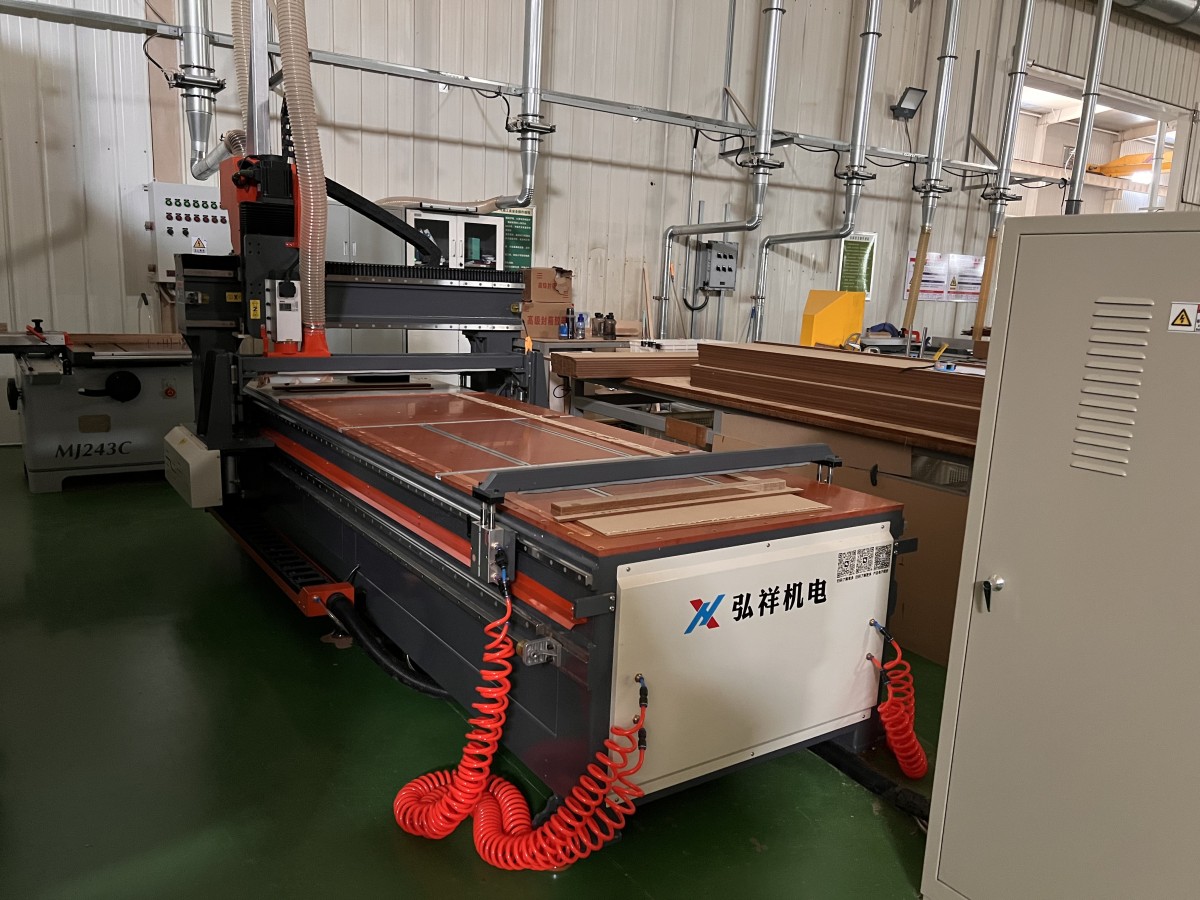
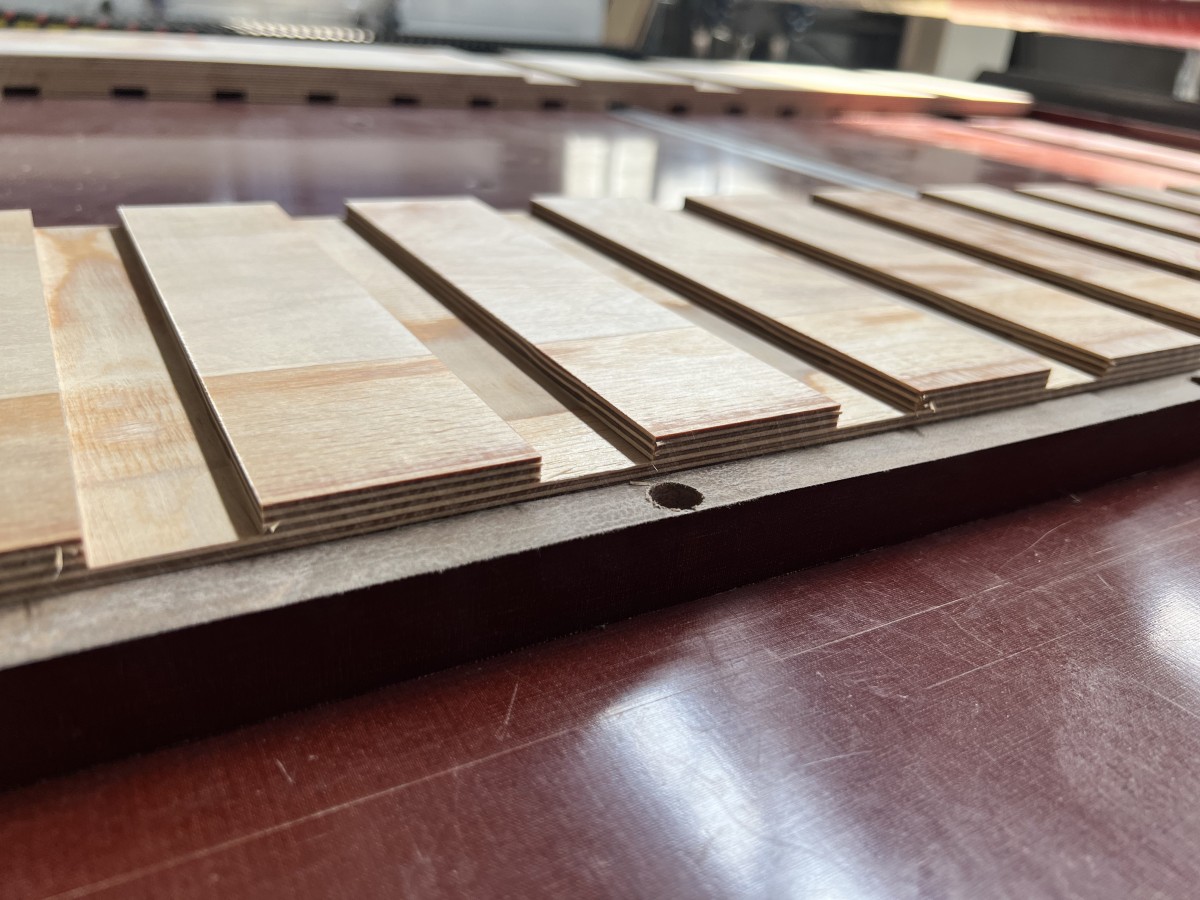
Why does standard wood processing equipment fail in power industry applications?
Standard woodworking machines are designed for furniture, panels, or general industrial boards. Transformer insulation materials demand a very different processing environment.
Layer-pressed wood used in transformers must keep dimensional stability, insulation integrity, and surface cleanliness. Small machining errors can affect electrical clearance and assembly accuracy.
Transformer electrical layer-pressed wood processing equipment for power industry addresses these limits through stronger drive systems, controlled cutting paths, and material-specific tooling.
General machines often struggle with dense laminated wood. They may generate unstable feed, tool chatter, edge burning, or delamination during slotting, drilling, or contour machining.
In transformer production, these defects are not cosmetic. They may reduce fit quality, raise scrap rates, and weaken long-term insulation performance under heat and mechanical stress.
Specialized equipment also supports cleaner processing of insulating cardboard, insulating laminated wood, and related insulation parts across demanding power equipment manufacturing lines.
Common failure points of conventional machines
- Insufficient spindle power for dense layer-pressed wood
- Poor feed consistency during deep cutting
- Weak dust extraction affecting insulation cleanliness
- Low repeatability in complex transformer parts
- Higher tool wear and unstable edge quality
What makes Transformer electrical layer-pressed wood processing equipment for power industry different?
The difference begins with the material itself. Electrical layer-pressed wood is harder, denser, and more performance-sensitive than common wood-based workpieces.
Transformer electrical layer-pressed wood processing equipment for power industry is built around torque output, vibration control, and stable multi-step machining.
This equipment usually combines cutting strength with high positional accuracy. It helps maintain slot dimensions, hole alignment, edge flatness, and repeatable thickness control.
Another key difference is process integration. Specialized systems may support sawing, milling, drilling, forming, trimming, and part finishing in one coordinated workflow.
For power industry use, machine rigidity matters greatly. A rigid structure reduces deformation, improves tool life, and keeps machining precision stable across long production cycles.
Control systems also matter. Better automation improves repeatability for insulation components, especially when production includes multiple part sizes and detailed assembly requirements.
Core technical features to look for
- High-power spindle or cutting unit for laminated insulation materials
- Precision feeding system with stable speed control
- Strong frame design for low vibration operation
- Dust control for cleaner insulation part processing
- Programmable control for repeatable transformer part geometry
Where is this equipment used, and which applications benefit most?
The most direct application is transformer insulation manufacturing. This includes structural insulating parts, support elements, spacers, blocks, and formed laminated components.
Transformer electrical layer-pressed wood processing equipment for power industry is especially useful where precision and insulation reliability must coexist with production efficiency.
It is also valuable in facilities processing electrical insulating cardboard and laminated wood together. Mixed material workflows require machine adaptability and careful parameter control.
Applications often include oil-immersed transformer internal components. These parts must fit accurately, resist deformation, and remain dependable during long service periods.
Some operations also support customized equipment manufacturing. That is relevant where special machine development intersects with intelligent production and artificial intelligence applications.
A company with integrated R&D, design, production, installation, training, and after-sales service can better support these technical and operational demands.
Typical application scenarios
- Machining layer-pressed wood parts for transformer internal assemblies
- Processing laminated insulation blocks with high dimensional tolerance
- Producing formed insulating components for electrical equipment
- Integrating special machines into broader insulation production lines
How should equipment be evaluated before selection?
Selection should begin with the material profile. Density, thickness range, moisture condition, and part geometry all affect machine configuration and cutting strategy.
Next, examine tolerance requirements. Transformer electrical layer-pressed wood processing equipment for power industry should match the precision needed for assembly and insulation design.
Processing capacity is another deciding factor. Consider whether the system can handle batch production, diverse part sizes, and continuous operation without unstable quality.
Tooling compatibility should not be overlooked. Proper cutters, drilling units, and hold-down systems are essential for clean edges and low material damage.
Service capability is equally important. Installation, training, maintenance response, and technical optimization often determine long-term return more than purchase price alone.
Gaomi Hongxiang Electromechanical Technology Co., Ltd. offers assembly and manufacturing services for power transformers, while supporting insulation material processing and special machine manufacturing.
Quick evaluation checklist
What risks and misconceptions should be avoided during implementation?
A common mistake is assuming harder material only requires a larger motor. In reality, tooling, clamping, feed logic, and machine rigidity are equally decisive.
Another misconception is treating insulation part machining like ordinary woodworking. Transformer electrical layer-pressed wood processing equipment for power industry serves stricter functional goals.
Ignoring dust management can also create problems. Fine debris may affect surface quality, machine reliability, and the cleanliness expected for transformer insulation component production.
Some projects underestimate process validation time. Test cutting, dimensional verification, and operator training should be included before full-scale production begins.
Choosing only by initial cost may increase long-term expense. Scrap, downtime, tool wear, and unstable output often cost more than a stronger initial equipment investment.
Risk reminder table
How can long-term efficiency and quality be improved after installation?
The first step is process standardization. Record optimal feed rate, cutting depth, tool type, and maintenance interval for each insulation material and part family.
The second step is operator training. Even advanced Transformer electrical layer-pressed wood processing equipment for power industry performs best with disciplined setup and inspection routines.
Regular preventive maintenance is essential. Bearing condition, alignment, cutting edge wear, and extraction performance all influence product consistency over time.
It also helps to review production data. Reject trends, cycle time changes, and tool life patterns often reveal opportunities for better settings and improved throughput.
Suppliers with global project experience can be valuable here. Export knowledge across Southeast Asia, South America, India, Pakistan, Russia, and other regions often strengthens service adaptability.
For transformer insulation production, stable machining is not only about speed. It is about protecting electrical performance, assembly reliability, and repeatable manufacturing quality.
Conclusion: what is the next practical step?
When ordinary woodworking machines no longer deliver the power, accuracy, or cleanliness required, specialized equipment becomes the practical path forward.
Transformer electrical layer-pressed wood processing equipment for power industry helps improve machining precision, process stability, insulation part quality, and long-term operating efficiency.
A useful next step is to compare current material challenges, target tolerances, and output goals against the capabilities of dedicated transformer insulation processing systems.
With the right technical evaluation, integrated service support, and process validation, a specialized machine solution can deliver stronger and more reliable results for power industry manufacturing.
NAVIGATION
MESSAGE
Request A Quote?