0000-00
Choosing the right cutting solution affects accuracy, throughput, and material cost in transformer insulation production. If your parts require stepped profiles, repeatable dimensions, and cleaner edges in electrical insulating cardboard or laminated wood, a CNC stepped saw is often the better choice. It becomes especially valuable when manual cutting, standard panel saws, or more general special-shaped cutting equipment can no longer deliver stable quality, labor efficiency, or acceptable material utilization. For buyers, engineers, and production managers, the key question is not whether the machine is advanced, but whether it fits the part structure, production volume, accuracy target, and downstream process requirements.
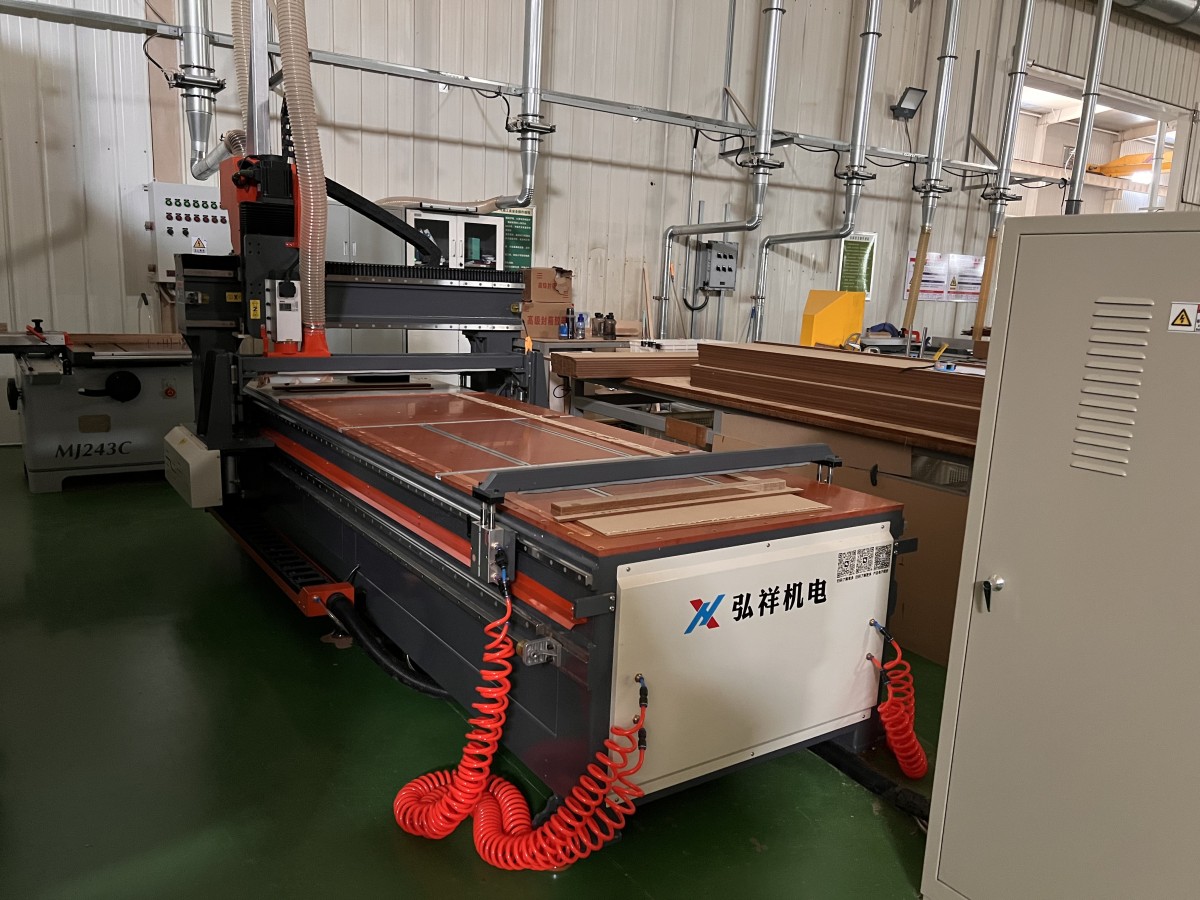
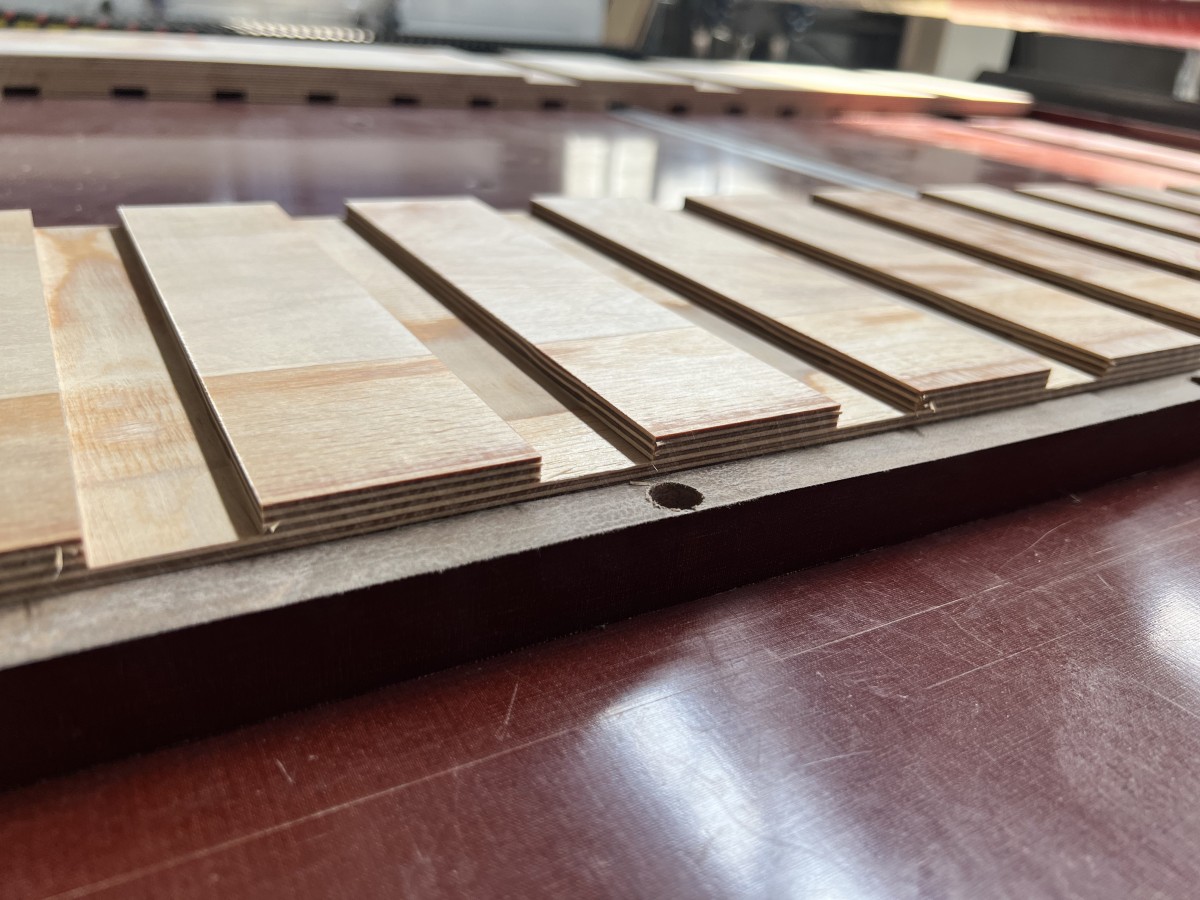
When is a CNC stepped saw the better choice?
A CNC stepped saw is the better cutting choice when your production involves parts with step-like contours, repeat orders, tight dimensional consistency, and materials that must be cut cleanly without damaging insulation performance. In transformer insulation manufacturing, this usually applies to electrical layer-pressed wood, insulating cardboard, and related insulating components where profile accuracy directly affects assembly fit, product reliability, and rework rates.
In practical terms, it is the stronger option when:
- You need repeated stepped or multi-level cutting patterns rather than simple straight cuts.
- You want more consistent results across shifts, operators, and batches.
- You are losing time or material with manual layout and conventional cutting methods.
- You need better edge quality to reduce secondary trimming or fitting work.
- You are scaling from custom orders to stable batch production.
- You want to reduce dependence on operator skill for complex profile cutting.
If your work mainly involves very simple one-off straight cuts, a CNC stepped saw may not be the first machine to prioritize. But when the part geometry and production pressure become more demanding, it often delivers a better balance of precision, efficiency, and process control.
What problems does it solve better than general cutting equipment?
Many buyers compare a CNC stepped saw with standard saws, manual cutting stations, or more general special-shaped material cutting equipment. The difference is not only automation. The real advantage is process suitability.
For transformer insulation cardboard processing equipment and transformer electrical layer-pressed wood processing equipment, common production problems include:
- Inconsistent step dimensions from operator to operator
- Edge chipping, tearing, or surface damage on insulation materials
- Slow setup for recurring part designs
- Low material utilization caused by rough nesting or manual positioning
- High rework caused by profile mismatch during assembly
- Bottlenecks between cutting and downstream fabrication steps
A CNC stepped saw addresses these issues by using programmed cutting paths and controlled movement to improve repeatability. Instead of depending heavily on manual measuring and hand adjustment, the process becomes more standardized. That matters not only for production output, but also for quality assurance, operator training, and delivery reliability.
For companies serving export markets or working with stricter customer specifications, this consistency can have direct commercial value. Fewer dimensional errors mean fewer disputes, fewer returns, and better confidence in batch quality.
Which materials and applications benefit most?
A CNC stepped saw is especially useful in applications where insulating materials must be shaped accurately while preserving material integrity. In this industry, that typically includes:
- Electrical insulating cardboard
- Insulating laminated wood
- Layer-pressed wood components for transformers
- Insulating structural parts requiring stepped profiles
- Parts that must fit into transformer assemblies with limited tolerance for mismatch
These materials are not all equally easy to process. Some are more sensitive to edge damage, delamination, burr formation, or dimensional instability during cutting. A machine designed specifically for stepped cutting can provide more stable control than general-purpose equipment, which may not be optimized for these profile requirements.
This is particularly important when parts serve both structural and insulation-related functions. A poor cut is not only a cosmetic issue. It can affect assembly quality, fit consistency, and downstream reliability.
How do you know if your production volume justifies the investment?
This is one of the most important questions for procurement teams, finance approvers, and business decision-makers. A CNC stepped saw usually makes the most sense when production has moved beyond occasional custom work and entered a stage where repeatability and throughput affect profit.
Signs that the investment may be justified include:
- Frequent repeat orders for similar stepped parts
- Rising labor cost in manual or semi-manual cutting
- Too much scrap from positioning errors or unstable cutting quality
- Rework or assembly delays caused by inconsistent part dimensions
- Customer demand for tighter quality control and better delivery stability
- Need to shorten lead times without adding more manual operators
In many factories, the machine does not create value only by cutting faster. Its value comes from reducing hidden costs: scrap, rework, training time, quality complaints, and production interruption. That is why a proper evaluation should look beyond purchase price and consider total operating impact.
For example, if a factory produces transformer insulation parts in medium to high volumes, even small reductions in scrap and correction work can significantly improve overall margin over time.
What should engineers and technical evaluators check before choosing one?
Technical assessment should focus on fit with real production needs, not only machine specifications on paper. A CNC stepped saw may look attractive, but the right decision depends on part structure, tolerance expectations, material behavior, and workflow integration.
Key evaluation points include:
- Part geometry: Are the parts truly step-based and repetitive enough to benefit from CNC programming?
- Material type: Will the machine handle insulating cardboard, laminated wood, and other required materials without unacceptable damage?
- Accuracy requirements: Does the cutting consistency meet assembly and quality standards?
- Batch size: Is production frequent enough to benefit from setup repeatability and automation?
- Programming and operation: How easy is it for operators to input jobs, switch products, and maintain stable output?
- Maintenance and support: Are spare parts, training, and after-sales service available in a practical timeframe?
- Safety and compliance: Does the equipment support safe operation for daily industrial use?
For quality managers and safety personnel, machine stability and process repeatability are especially important. A more controlled cutting process usually makes inspection easier and helps reduce variation between batches.
What operational advantages matter most on the shop floor?
For machine users, operators, project managers, and after-sales teams, the best equipment is not just precise. It must also be practical in daily production. A CNC stepped saw often brings value in the following ways:
- Faster changeover for recurring jobs
- Less manual measuring and marking
- More predictable cutting results across operators
- Lower dependence on highly experienced manual workers
- Reduced need for secondary correction or trimming
- Better workflow planning for batch production
In real factory conditions, these factors can be more important than maximum cutting speed. A machine that is slightly slower on paper but more stable in production may create more usable output per shift. That is why operational reliability should be considered alongside raw specification data.
For companies handling transformer insulation manufacturing, smooth cooperation between cutting, inspection, and assembly is critical. A CNC stepped saw can support this by producing more uniform parts that enter the next stage with fewer adjustments.
When might another cutting solution be more suitable?
A balanced buying decision also means recognizing when a CNC stepped saw is not the ideal answer. Another cutting method may be more suitable if:
- Your parts are mostly simple straight cuts with no stepped geometry.
- Your order volume is low and highly irregular.
- You need extreme flexibility for many unrelated shapes rather than repeated stepped profiles.
- Your current bottleneck is not cutting, but another process such as drying, forming, or assembly.
- Budget constraints make it necessary to prioritize a different machine with broader short-term use.
For some operations, a general special-shaped cutting machine or another dedicated process may offer a better fit. The right question is not “Which machine is best overall?” but “Which machine best supports our actual product mix and production goals?”
How should buyers compare suppliers and machine solutions?
Whether you are a direct user, distributor, or decision-maker, supplier evaluation matters as much as machine evaluation. In industrial equipment purchasing, long-term support can strongly influence actual return on investment.
When comparing suppliers, ask:
- Do they understand transformer insulation material processing, not just general cutting?
- Can they provide machine solutions for insulating cardboard, laminated wood, and insulation parts?
- Do they offer installation, training, and after-sales service?
- Can they support customization for special production requirements?
- Do they have export experience and service capability for international customers?
- Can they help validate the machine through sample testing or application review?
A supplier with integrated R&D, design, manufacturing, installation, training, and after-sales capability often provides lower implementation risk than a seller focused only on the transaction. This is especially important for companies that need custom machine adaptation or plan to deploy the equipment in demanding production environments.
Final judgment: when is a CNC stepped saw the smarter investment?
A CNC stepped saw is the better cutting choice when your factory needs accurate, repeatable, and efficient stepped profile cutting for transformer insulation materials such as electrical insulating cardboard and laminated wood. It becomes particularly valuable when manual methods create too much variation, standard equipment cannot maintain edge quality, or growing order volume makes labor-heavy cutting inefficient.
For operators, it supports easier standardization. For engineers, it improves process control. For procurement and finance teams, it can reduce hidden production costs. For business leaders, it supports more stable quality and delivery performance.
In short, if your production depends on stepped insulation parts with real quality and efficiency demands, a CNC stepped saw is not just a more automated option. It is often the more practical and more economical one over time. The best decision comes from matching the machine to your materials, part complexity, batch size, and long-term production objectives.
NAVIGATION
MESSAGE
Request A Quote?