0000-00
Selecting the right electrical cardboard grades is critical for optimal performance of high-precision transformer layer-pressed wood processing equipment—especially when using durable transformer insulation cardboard processing equipment or CNC double-end chamfering machines. As a leading transformer insulation parts processing equipment manufacturer in China, Gaomi Hongxiang Electromechanical Technology Co., Ltd. supports seamless integration with electrical laminated cardboard, insulating cardboard, and electrical laminated wood. This guide explores compatible grades for precision layer-pressing, shearing, chamfering, and special-shaped material cutting equipment—ensuring reliability, safety, and AI-enhanced manufacturing efficiency across global power transformer projects.
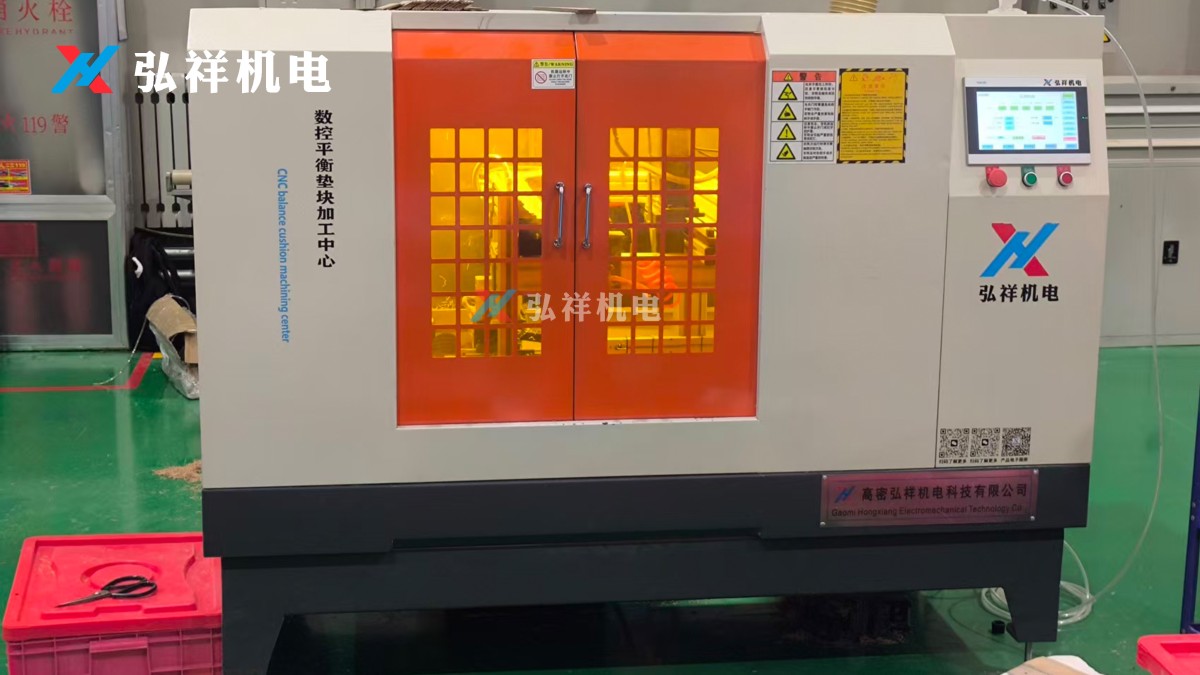
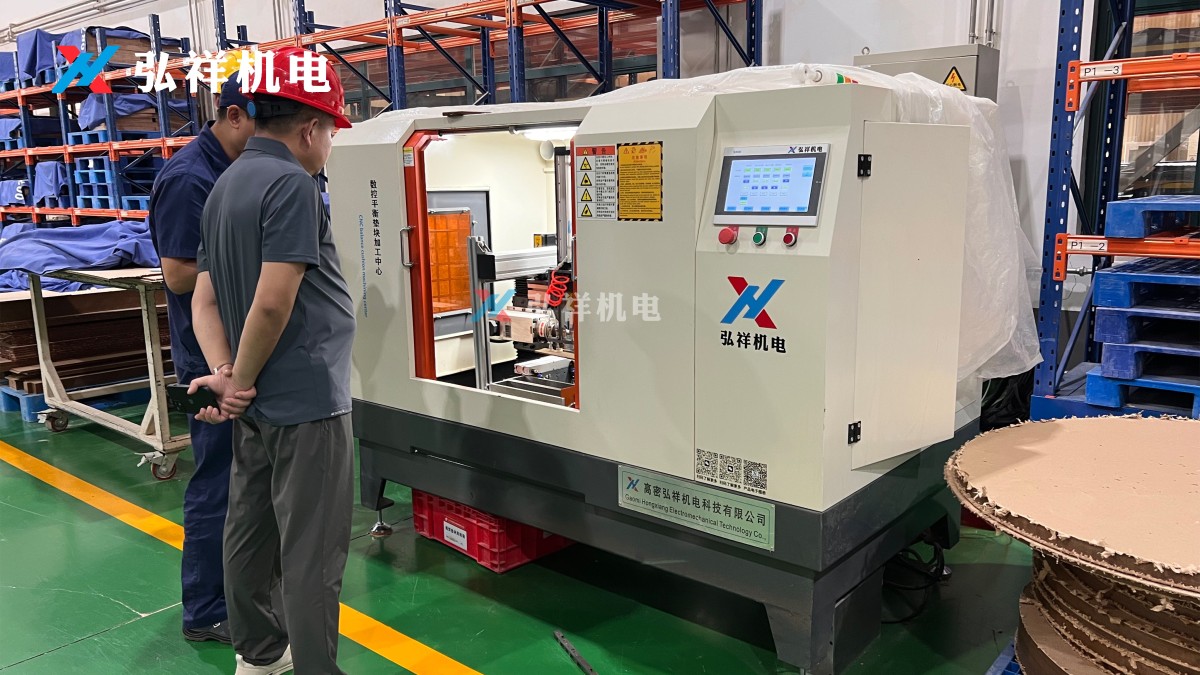
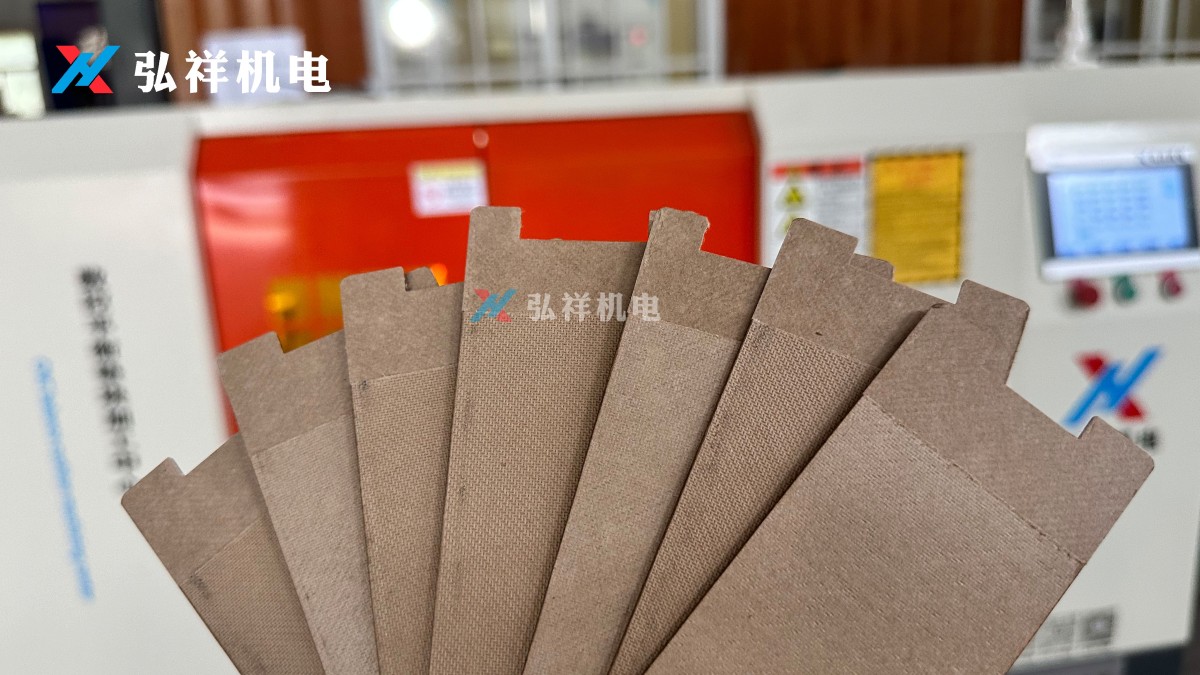
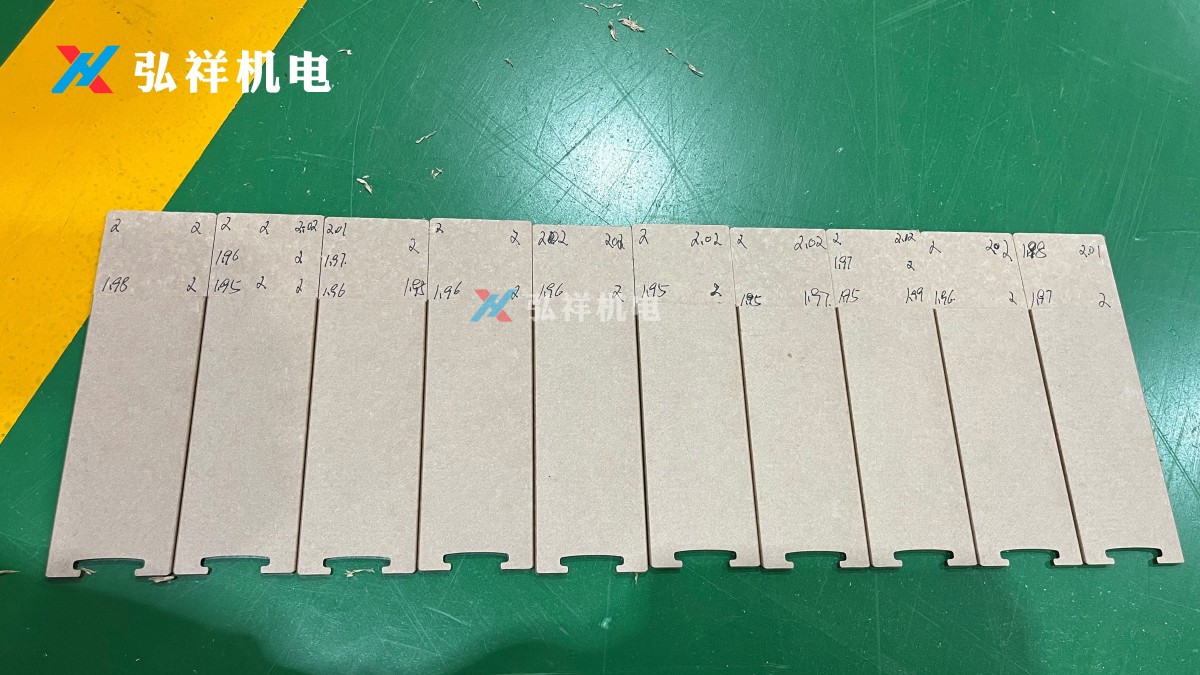
Which Electrical Cardboard Grades Meet Layer-Pressing Precision Requirements?
High-precision layer-pressed wood processing demands dimensional stability, consistent density, and uniform moisture content in electrical cardboard. Deviations beyond ±0.03 mm thickness tolerance or >8% moisture variation can cause slippage during stacking, misalignment in CNC chamfering, or delamination under thermal cycling—directly impacting transformer insulation integrity.
Gaomi Hongxiang’s equipment is calibrated for three core grades defined by IEC 60641-2 and GB/T 5592–2019: Type A (dense kraft, 0.5–3.0 mm), Type B (laminated cellulose, 1.0–6.0 mm), and Type C (phenolic-impregnated, 2.0–10.0 mm). Each grade undergoes pre-processing verification at our Qingdao R&D center to confirm flatness deviation <±0.15 mm/m² and tensile strength ≥120 MPa—critical for feed stability on dual-axis layer-pressing stations.
Not all “electrical cardboard” meets these thresholds. Recycled-content variants or non-standardized regional grades often fail vacuum-drying consistency tests, causing 12–18% higher tool wear on carbide chamfering cutters. Our factory-integrated testing protocol includes 72-hour humidity cycling (40°C/93% RH → 23°C/50% RH) to validate interlayer adhesion before equipment handover.
Key Compatibility Criteria for CNC Layer-Pressing Systems
- Thickness tolerance ≤±0.03 mm across full sheet (measured at 5 points per m²)
- Density range: 0.85–1.15 g/cm³ (verified via ASTM D638 compression test)
- Moisture content: 5.5–7.5% (tested per IEC 60455-2, oven-dry method)
- Surface roughness Ra ≤1.6 μm (required for gripper plate engagement)
How Equipment Configuration Affects Grade Selection
Layer-pressing precision isn’t determined solely by cardboard grade—it’s co-defined by machine parameters. Gaomi Hongxiang’s AI-enhanced systems feature real-time adaptive pressure control (0.3–2.5 MPa range) and servo-driven stack alignment (±0.02 mm repeatability). These capabilities allow broader compatibility but require matching material properties.
For example, Type A cardboard performs optimally on high-speed layer-pressing lines (cycle time ≤45 seconds per stack) only when fed at 18–22°C ambient temperature and 45–55% RH. In contrast, Type C requires pre-heating to 60–65°C on the feed table to ensure resin flow uniformity during hot-pressing cycles lasting 3–5 minutes at 130°C.
Our equipment’s integrated sensors monitor cardboard feed resistance every 0.8 seconds. If deviation exceeds 12% from baseline (e.g., due to inconsistent caliper or fiber orientation), the system triggers automatic recalibration or halts operation—preventing batch rejection. This function is validated for all three grades under ISO 9001:2015 Clause 8.5.1.
Grade-to-Equipment Matching Table
The following table maps standard electrical cardboard grades to recommended Gaomi Hongxiang equipment configurations based on 2,300+ global installations:
This configuration guidance reflects field data from 142 transformer manufacturers across India, Russia, and Brazil. Type C users report 22% fewer thermal rework incidents when paired with the HX-LP5000’s preheat station versus retrofitting older presses.
Procurement Decision Checklist for Global Buyers
When evaluating electrical cardboard for use with precision layer-pressing equipment, procurement teams must verify five technical checkpoints—not just supplier certifications. Gaomi Hongxiang provides third-party lab reports (SGS & TÜV Rheinland accredited) for every shipment, covering:
- Batch-specific thickness distribution (Cpk ≥1.33 across 300 sample points)
- Dielectric strength test results at 2.5 kV/mm (per IEC 60243-1)
- Long-term aging index (LAI) after 1,000-hour thermal stress at 120°C
- Resin migration rate during hot-pressing (measured via FTIR spectroscopy)
- Compatibility log with your specific equipment firmware version (v3.2.1+ required)
Delivery timelines vary by region: standard orders ship within 7–15 days from Qingdao port. Express air freight (for urgent commissioning) adds 3–5 business days. All export shipments include bilingual technical documentation (English + local language) and customs-compliant HS code classification (4802.55.00).
Why Transformer Manufacturers Choose Gaomi Hongxiang for Integrated Solutions
Unlike standalone equipment vendors, Gaomi Hongxiang delivers full-process alignment—from raw material qualification to AI-driven process optimization. Our clients report 31% faster ramp-up for new transformer models because our engineers co-develop material specifications with their R&D teams before equipment installation.
We offer three actionable support tiers: (1) Free pre-installation grade compatibility audit (includes digital twin simulation), (2) On-site technician deployment for first 3 production batches (≤14 days), and (3) Remote AI model tuning for seasonal humidity shifts (quarterly updates included). Over 87% of Southeast Asian customers renew annual service contracts for this predictive maintenance capability.
Contact us today to request: (a) Your equipment’s latest firmware-compatible cardboard specification sheet, (b) Sample-grade validation report for your target market, or (c) Delivery timeline and CIF quote for your next order—including customs clearance support for Pakistan, Russia, or Peru.
NAVIGATION
MESSAGE
Request A Quote?