0000-00
When evaluating equipment for insulation wood manufacturing, the most important machine specs are those that directly affect precision, stability, and production efficiency. For buyers researching Transformer electrical layer-pressed wood processing equipment for electrical insulation, understanding factors such as cutting accuracy, material compatibility, automation level, and long-term reliability is essential. These specifications not only influence product quality for transformer applications but also determine whether the equipment can meet demanding industrial processing standards.
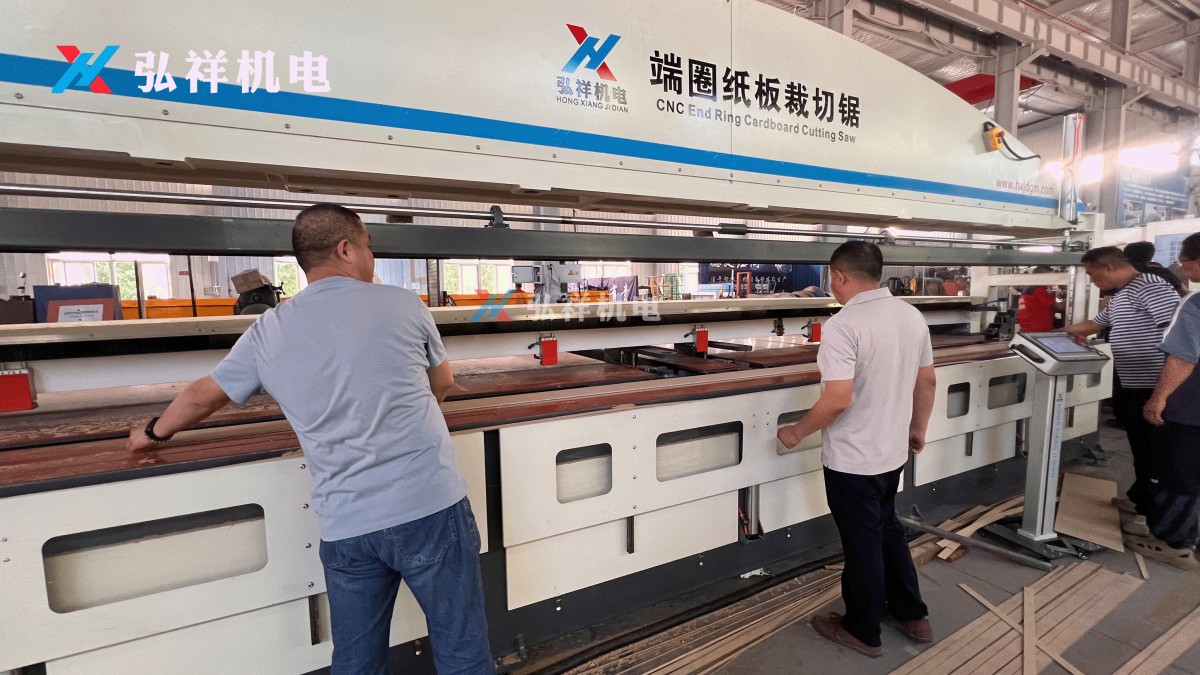
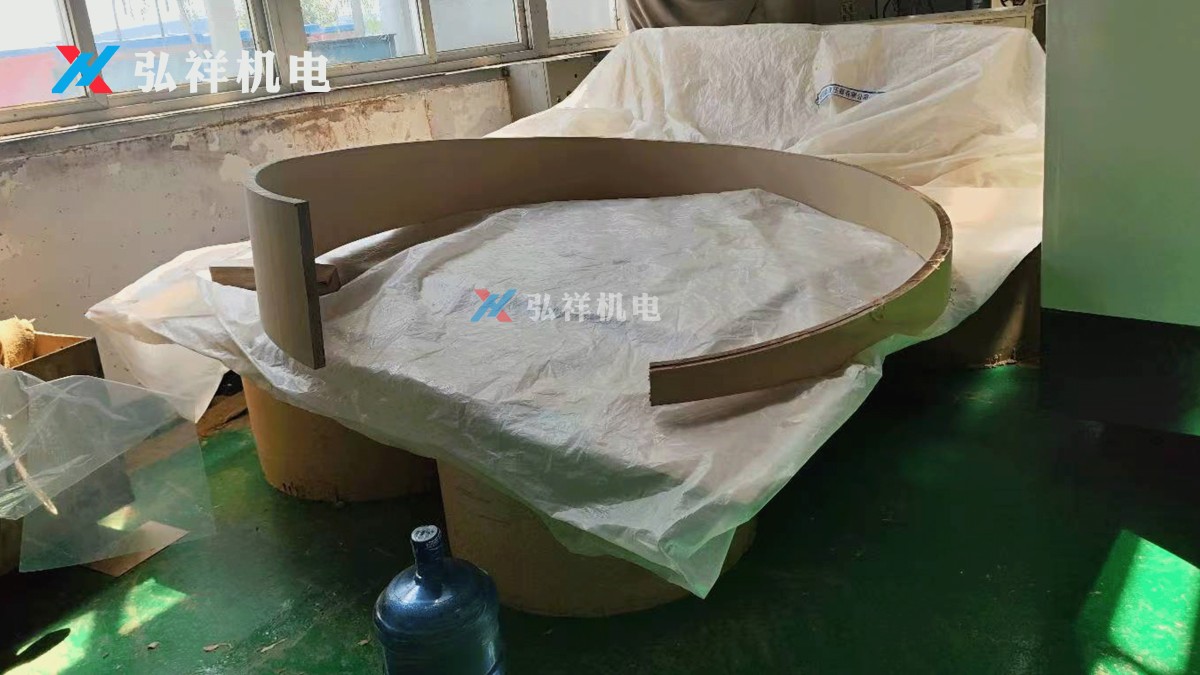
Why machine spec priorities are changing in insulation wood processing
The market for electrical insulation materials is not standing still. Transformer manufacturers, insulation component suppliers, and subcontract processing plants are all facing tighter quality expectations, greater product customization, and stronger pressure to control waste. As a result, the machine specifications that mattered five years ago are no longer enough on their own. Buyers used to focus mainly on spindle power, table size, or basic cutting speed. Today, those points still matter, but they are no longer the full decision framework.
In the current environment, Transformer electrical layer-pressed wood processing equipment for electrical insulation is increasingly judged by how well it supports consistency across batches, how easily it adapts to different insulating laminated wood formats, and how reliably it runs over long production cycles. This shift reflects a wider trend in machine tool equipment: end users are moving from single-parameter purchasing toward process-oriented evaluation.
For information researchers, this change is important because it affects how equipment should be compared. A machine with impressive headline power may still underperform if positioning repeatability is weak, dust control is poor, or the control system cannot handle complex transformer insulation part programs. In other words, the most valuable specifications are now those that protect product accuracy, process stability, and downstream assembly quality.
The strongest trend signals shaping equipment selection
Several clear signals are changing how buyers evaluate Transformer electrical layer-pressed wood processing equipment for electrical insulation. First, transformer applications increasingly require more stable dimensional control because insulation structures must fit precisely within larger assembly systems. Second, manufacturers are handling a broader mix of materials, including electrical insulating cardboard, laminated wood, and composite insulating parts, which pushes equipment toward greater flexibility. Third, labor structure is changing, making ease of operation and training efficiency more valuable than before.
Another visible trend is that customers are asking not only whether a machine can cut a part, but whether it can maintain edge quality, reduce delamination risk, and support traceable production. This is especially relevant for suppliers serving export markets where process discipline and after-sales support influence purchasing confidence. Companies such as Gaomi Hongxiang Electromechanical Technology Co., Ltd., with capabilities spanning R&D, production, installation, training, and service, are well positioned in this environment because buyers increasingly prefer equipment partners rather than simple machine sellers.
Trend change table for spec evaluation
Which machine specs matter most in practice
For practical evaluation, the most important specifications can be grouped into six areas. These are not isolated points; they work together to determine whether Transformer electrical layer-pressed wood processing equipment for electrical insulation can meet real production demands.
1. Cutting accuracy and repeatability
Precision is the first filter. In insulation wood processing, nominal accuracy is less meaningful than stable repeatability across shifts and batches. Buyers should focus on axis positioning precision, repeat positioning accuracy, tool path control, and the machine’s structural rigidity. For transformer insulation parts, even minor dimensional drift can affect assembly fit, spacing control, and final insulation performance.
2. Material compatibility
Electrical insulating laminated wood does not behave like ordinary wood. Its density, layered structure, and processing response require machine configurations that can manage clean cutting without excessive tear-out or thermal damage. If a production line also handles electrical insulating cardboard or molded EVA-related parts, the value of flexible clamping, adaptable tool systems, and adjustable feed strategies increases significantly.
3. Structural stability and vibration control
As demand shifts toward higher consistency, frame stability is becoming a more decisive purchasing factor. A rigid machine bed, reliable guide systems, and balanced spindle operation help maintain edge quality and dimensional control. This is one of the clearest examples of a hidden spec becoming a strategic spec.
4. Automation level and control system usability
Automation matters not just for labor saving, but for process standardization. A control system that supports recipe storage, program switching, parameter locking, and intuitive interfaces can reduce operator dependence. For research-oriented buyers, this is a strong sign that the machine can support scalable production rather than only manual craftsmanship.
5. Dust extraction and process cleanliness
This spec is often underestimated. In Transformer electrical layer-pressed wood processing equipment for electrical insulation, effective dust control protects surface quality, improves operator safety, and reduces contamination around moving components. Cleaner operation also supports more stable long-term performance and easier maintenance.
6. Reliability, serviceability, and support life
Long-term reliability is now a major investment criterion. Buyers increasingly ask about spare parts access, training support, installation capability, fault response, and preventive maintenance recommendations. This trend is especially strong in export markets and among buyers who prefer fewer machine disruptions over chasing maximum theoretical speed.
What is driving these spec priorities
The shift in machine specification priorities is being driven by a combination of technical, operational, and commercial factors. On the technical side, transformer components require dependable insulation structures and tighter assembly compatibility. On the operational side, factories need more predictable throughput with fewer skilled adjustments. On the commercial side, equipment is expected to serve a broader product range while remaining cost-effective across years of use.
Who is most affected by these changes
The impact is not the same for every buyer. Transformer manufacturers care most about fit, consistency, and insulation part reliability. Specialized insulation material processors care about throughput, waste control, and handling different board or laminated wood specifications. Export-oriented machinery buyers place added value on documentation, training, installation, and service responsiveness. For each of these groups, Transformer electrical layer-pressed wood processing equipment for electrical insulation is being evaluated as part of a larger production system, not as an isolated machine.
This is why full-service manufacturing companies have gained attention. When a supplier can support R&D, design, production, sales, installation, training, and after-sales service, the equipment decision becomes less risky. For information researchers, this is a useful market signal: machine specs still matter deeply, but supplier capability increasingly influences whether those specs deliver value in actual use.
How to judge equipment options more effectively now
A better evaluation method is to move from isolated spec comparison to scenario-based judgment. Start by matching machine capability to your target part mix. Then test whether the machine can maintain stable quality under realistic production conditions. Ask how quickly it can switch between programs, how it manages dust and scrap, and whether maintenance tasks are practical for your team. These questions reveal more than brochure numbers alone.
For Transformer electrical layer-pressed wood processing equipment for electrical insulation, buyers should also pay close attention to trial cutting results, edge integrity, tolerance performance on repeat runs, and compatibility with future product development. If the business may expand into additional insulation components or more demanding transformer applications, scalability should be treated as a core specification rather than an optional advantage.
A practical judgment checklist
- Can the machine maintain repeatable accuracy across long production cycles?
- Is it proven on electrical insulating laminated wood, not just general wood panels?
- Does the control system reduce operator dependency and support training efficiency?
- Are dust extraction and maintenance access designed for continuous industrial use?
- Can the supplier provide installation, technical support, and after-sales service in a timely way?
What to watch next in the machine tool equipment market
Looking ahead, the next stage of competition will likely center on integrated processing capability. Buyers will increasingly favor equipment that combines precision, flexibility, and manageable automation rather than extreme complexity. Control systems may become more diagnostic, setup procedures more guided, and machine structures more optimized for insulating material behavior. The direction is clear: performance will be measured by stable production outcomes, not by isolated specification claims.
This matters for companies involved in transformer manufacturing services and insulation material processing. Firms that invest in better-matched equipment can improve consistency, support wider product portfolios, and reduce rework pressure. Firms that ignore these changes may still operate, but they could face higher hidden costs through scrap, unstable quality, or inefficient labor use.
Final takeaway for researchers and decision teams
The main trend is not simply that machines are becoming more advanced. The more important change is that buyers are becoming more selective about which specifications truly affect manufacturing outcomes. In Transformer electrical layer-pressed wood processing equipment for electrical insulation, the specs that matter most are accuracy, repeatability, material compatibility, rigidity, automation usability, cleanliness control, and long-term service reliability.
If your business wants to judge how these trends affect your own processing needs, focus on a few key questions: Which product tolerances are becoming stricter? Which materials must one machine handle? How much operator dependency can be reduced? What level of after-sales support is necessary for stable production? Answering these questions will make equipment comparison more realistic and more strategic. It will also help identify whether a machine supplier is offering only a product, or a dependable manufacturing solution for the future of electrical insulation processing.
NAVIGATION
MESSAGE
Request A Quote?