0000-00
Choosing the right CNC special-shaped cutting equipment for complex profiles depends on one practical conclusion: if you need consistent accuracy on irregular transformer insulation parts, frequent profile changes, and integrated drilling, slotting, and cutting, a CNC Special-shaped Cutting Saw is usually the best fit. For simpler, repetitive shapes, a standard panel saw or routing process may be enough. But for transformer insulation cardboard, laminated wood, and other electrical insulation materials used in oil-immersed transformer and main transformer production, complex-profile work typically demands a machine built for precision, repeatability, and low material waste.
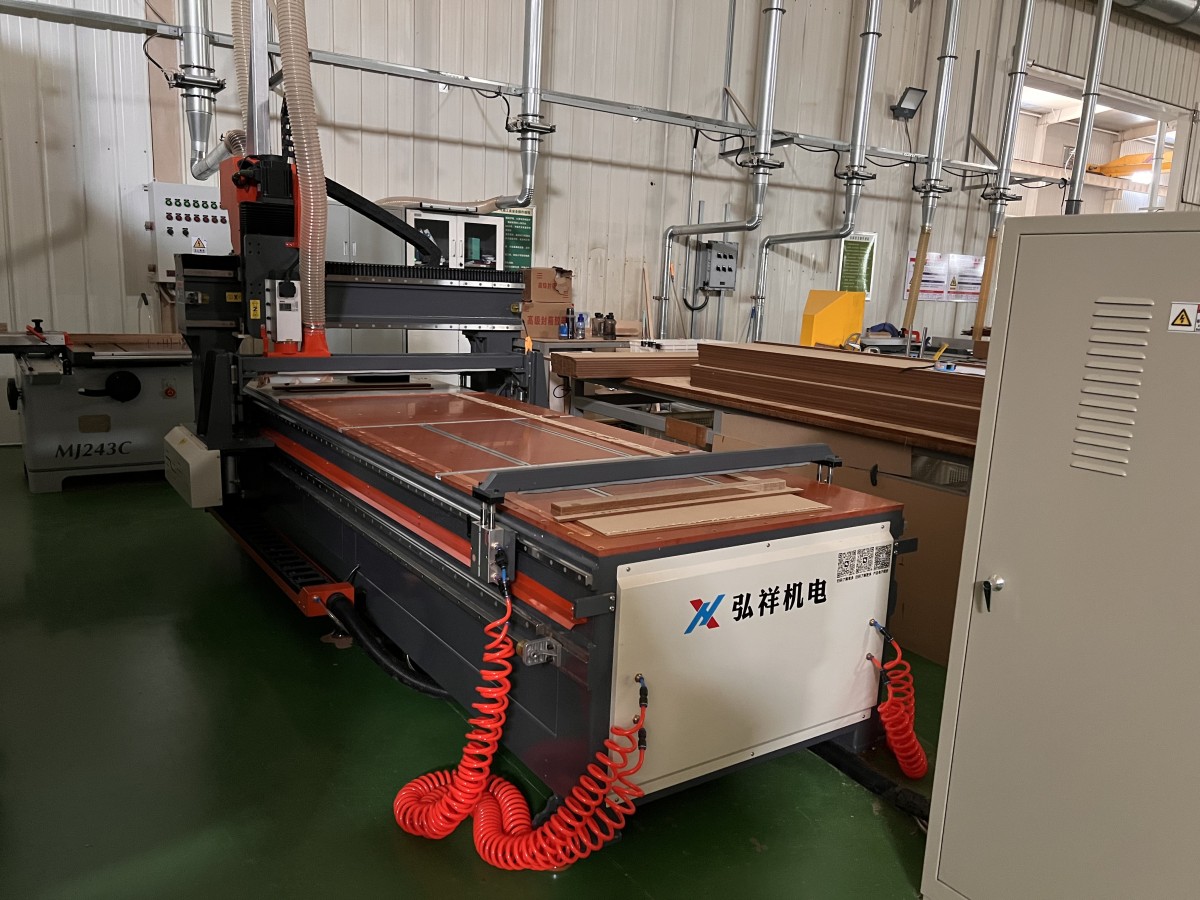
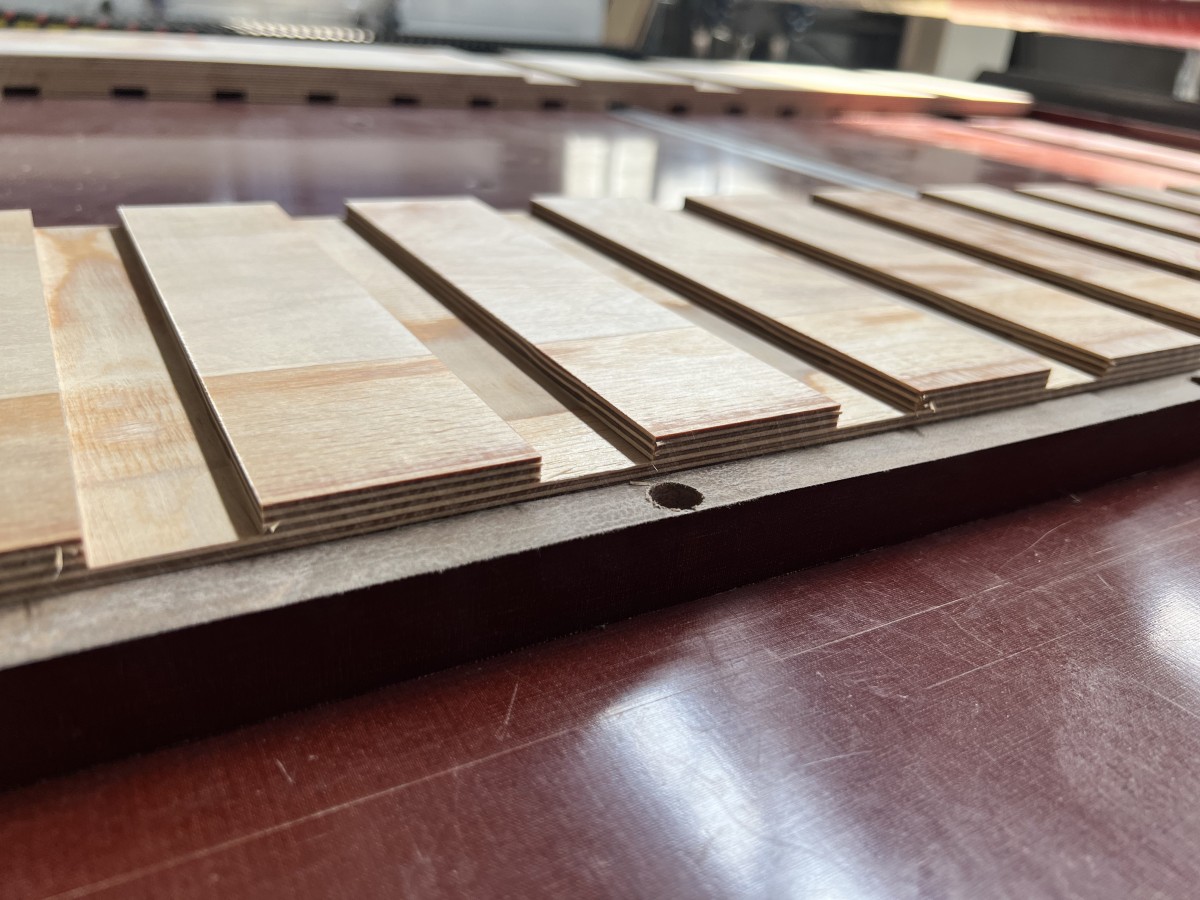
This matters not only for operators, but also for engineering, purchasing, quality control, and management teams. The right equipment affects part accuracy, assembly efficiency, insulation performance, delivery reliability, maintenance workload, and total production cost. In this article, we look at how to judge which special-shaped cutting equipment fits complex profiles, what technical features actually matter, and how buyers can avoid choosing a machine that looks capable on paper but underperforms in real production.
What equipment is usually best for complex profiles?
For most complex-profile applications in transformer insulation production, the most suitable choice is a CNC Special-shaped Cutting Saw designed for non-standard contour processing. This type of machine is typically the better option when parts include curves, stepped edges, openings, slot features, hole positions, angle cuts, or multiple process requirements within one workpiece.
Compared with conventional cutting equipment, a CNC system brings three major advantages:
- Higher profile accuracy for irregular and repeatable part geometries
- Better process integration when cutting, drilling, and slotting need to be combined
- Stronger production flexibility for multi-specification and small-to-medium batch orders
In transformer electrical layer-pressed wood processing equipment and transformer insulation cardboard processing equipment, these advantages are especially important because insulation parts often have strict dimensional requirements and must fit precisely into transformer assemblies. A deviation that seems small during cutting can create assembly problems, rework, or insulation risk later.
How do you know whether a standard machine is no longer enough?
Many buyers start by asking whether a simpler cutting machine can handle the work. That is a reasonable question, especially when controlling capital expenditure. In practice, a standard machine is often no longer enough if you face any of the following conditions:
- Profiles are irregular rather than straight-line cuts only
- Part drawings change frequently
- There are many product variants with low or medium batch sizes
- The workpiece needs both contour cutting and feature processing such as holes or slots
- Manual positioning causes inconsistency
- Material cost is high, making scrap reduction important
- Downstream assembly requires tight fitting accuracy
If these issues are already affecting quality, delivery, or labor efficiency, moving to CNC special-shaped cutting equipment is usually justified. The machine is not only a processing tool; it becomes a way to stabilize production capability.
Which machine features matter most for complex transformer insulation parts?
When evaluating special-shaped cutting equipment, buyers should focus less on broad marketing claims and more on features that directly affect part quality, process stability, and return on investment.
1. Contour accuracy and positioning repeatability
For complex profiles, repeatability often matters as much as single-pass precision. A machine that performs well on one sample but drifts during batch production creates hidden costs. Stable servo control, rigid machine structure, and reliable positioning systems are essential.
2. Material compatibility
Transformer insulation production may involve electrical insulating cardboard, insulating laminated wood, and other insulating parts. Different materials behave differently during cutting. The equipment should be matched to material density, hardness, thickness variation, and edge-quality requirements.
3. Multi-process capability
If your production requires cutting, drilling, grooving, slotting, and shape processing in one workflow, integrated capability can reduce handling time and alignment error. This is especially valuable for oil-immersed transformer and main transformer component manufacturing.
4. Programming convenience
Complex profiles are only practical to produce efficiently when programming is manageable. A good CNC machine should support easy drawing import, editing, parameter setting, and quick changeover. This is important for operators and project teams dealing with custom or semi-custom orders.
5. Machine rigidity and durability
In long-term production, structural rigidity influences cut quality, vibration control, tool wear, and maintenance frequency. Durable equipment is especially important for enterprises that need dependable export-order fulfillment and stable output.
6. Safety and dust control
For quality and workplace safety teams, dust extraction, guarding, emergency stop systems, and stable clamping should not be treated as optional features. In insulation material processing, clean operation helps both operator safety and product quality consistency.
What should different decision-makers evaluate before buying?
Different stakeholders judge the same machine from different angles. A good purchase decision usually comes from combining these viewpoints rather than relying on one department alone.
For operators and technicians
- Is the machine easy to program and run?
- Is setup time short?
- Is clamping reliable for irregular workpieces?
- Is the edge quality acceptable without excessive secondary finishing?
For engineering and technical evaluators
- Can the equipment meet drawing tolerance requirements?
- Can it handle the full range of part sizes and profile complexity?
- Does it support future process expansion?
- Is the control system stable and maintainable?
For purchasing and commercial teams
- What is the total cost, not just the purchase price?
- How strong is the supplier’s service and training support?
- Are spare parts and technical assistance available in time?
- Can the machine reduce labor cost, scrap, and outsourcing dependency?
For management and financial approvers
- Will this equipment improve delivery performance and production capacity?
- Can it reduce quality risk in transformer insulation component manufacturing?
- Is the investment justified by output value, margin protection, or strategic capability?
- Will it support long-term product diversification?
For quality and safety personnel
- Is the process stable enough for consistent inspection results?
- Does the machine support safe operation standards?
- Can it reduce human error in critical profile processing?
How does the right machine create business value beyond cutting?
Many companies initially view special-shaped cutting equipment as a workshop-level upgrade. In reality, for the right application, it creates value across the business.
Improved product consistency: Better part consistency reduces assembly mismatch and supports insulation structure reliability.
Lower material waste: Accurate cutting paths and reduced trial-and-error processing help save expensive insulation material.
Faster order response: CNC programming and fast changeover improve responsiveness for customized and export-oriented orders.
Reduced dependence on highly manual processes: This helps when skilled labor is difficult to recruit or retain.
Better scalability: As product range grows, the equipment can support more varied profiles without needing a completely new process route.
For companies serving transformer manufacturing, these benefits often matter more than pure cutting speed. The real gain is process stability combined with flexible manufacturing capability.
What buying mistakes should be avoided?
When selecting complex-profile cutting equipment, several common mistakes can lead to poor fit and disappointing ROI.
Choosing only by price
A low-priced machine may become expensive if it causes higher scrap, more downtime, weaker precision, or insufficient after-sales support.
Ignoring actual material and part samples
Machine evaluation should be based on real workpieces, actual thickness ranges, and representative profile complexity. A theoretical specification sheet is not enough.
Overbuying functions that are rarely used
Some buyers choose highly complex configurations that increase cost without improving actual production performance. Match the machine to real process needs.
Underestimating software and training
Even a strong machine underperforms if operators struggle with programming or process setup. Training and usability are practical decision factors.
Not evaluating service capability
For production equipment, after-sales response, spare parts support, installation, and training can be as important as the machine itself.
How should you compare suppliers for CNC Special-shaped Cutting Saw solutions?
Supplier comparison should go beyond product brochures. A strong supplier should be able to support the full equipment lifecycle, from design confirmation to installation, training, and after-sales service.
Useful evaluation points include:
- Experience in transformer insulation material processing
- Ability to customize equipment for specific applications
- Proven capability in R&D, design, production, and service integration
- Case experience in domestic and international markets
- Technical support for installation, training, and maintenance
For buyers looking at transformer insulation cardboard processing equipment or transformer electrical layer-pressed wood processing equipment, industry-specific understanding is especially valuable. A supplier familiar with insulation part requirements can usually recommend more practical configurations and process solutions.
Final decision: which special-shaped cutting equipment fits complex profiles?
If your production involves irregular transformer insulation components, frequent profile changes, strict dimensional control, and integrated operations such as drilling, slotting, and contour cutting, a CNC Special-shaped Cutting Saw is generally the most suitable choice. It offers the precision, repeatability, flexibility, and process efficiency that standard cutting equipment often cannot provide for complex-profile work.
The best decision, however, is not based on machine category alone. It should come from a clear review of your materials, profile complexity, accuracy requirements, batch characteristics, labor conditions, quality expectations, and supplier support needs. For transformer manufacturers and insulation component processors, the right equipment is the one that improves both workshop performance and business reliability.
In short, when complex profiles directly affect fit, quality, and productivity, specialized CNC cutting equipment is not just an upgrade. It is a practical production solution with measurable value.
NAVIGATION
MESSAGE
Request A Quote?