0000-00
In machine tool and power equipment manufacturing, transformer core design considerations shape more than electrical performance. They influence material usage, assembly difficulty, operating noise, thermal stability, and how confidently a system handles changing loads over time.
That is why this topic matters at both engineering and business levels. A core that looks acceptable on paper can still raise operating costs, create vibration issues, or limit efficiency in demanding production environments.
For companies sourcing transformer assemblies or related insulating components, the right decisions often begin with understanding how core structure, insulation quality, and manufacturing precision work together inside real equipment.
What transformer core design considerations really include
At a basic level, transformer core design considerations refer to the choices that determine magnetic efficiency, mechanical strength, heat behavior, and acoustic performance.
These choices include core material grade, lamination thickness, stacking method, joint structure, clamping force, insulation layout, and dimensional accuracy during processing and assembly.
In machine tool applications, these details matter because transformers often support systems that demand stable voltage, repeatable motion control, and long operating cycles.
A poorly optimized core can increase no-load losses, produce more audible hum, and create thermal stress that reduces reliability across the wider electrical cabinet or machine platform.
Why cost is closely tied to core design
Cost is not determined only by raw material price. It is shaped by the full manufacturing route, from cutting and stacking to insulation fitting, assembly tolerance control, and after-sales performance.
One of the most overlooked transformer core design considerations is the tradeoff between material quality and lifecycle economics. Lower-grade core steel may reduce initial purchase cost but raise energy loss and noise.
Precision also affects cost. When lamination dimensions drift or insulating parts do not fit consistently, production time increases. Rework, scrap, and unstable quality then become hidden cost drivers.
This is where integrated manufacturing capability becomes relevant. Companies that combine design, insulation processing, assembly, installation support, and after-sales service usually control variation more effectively.
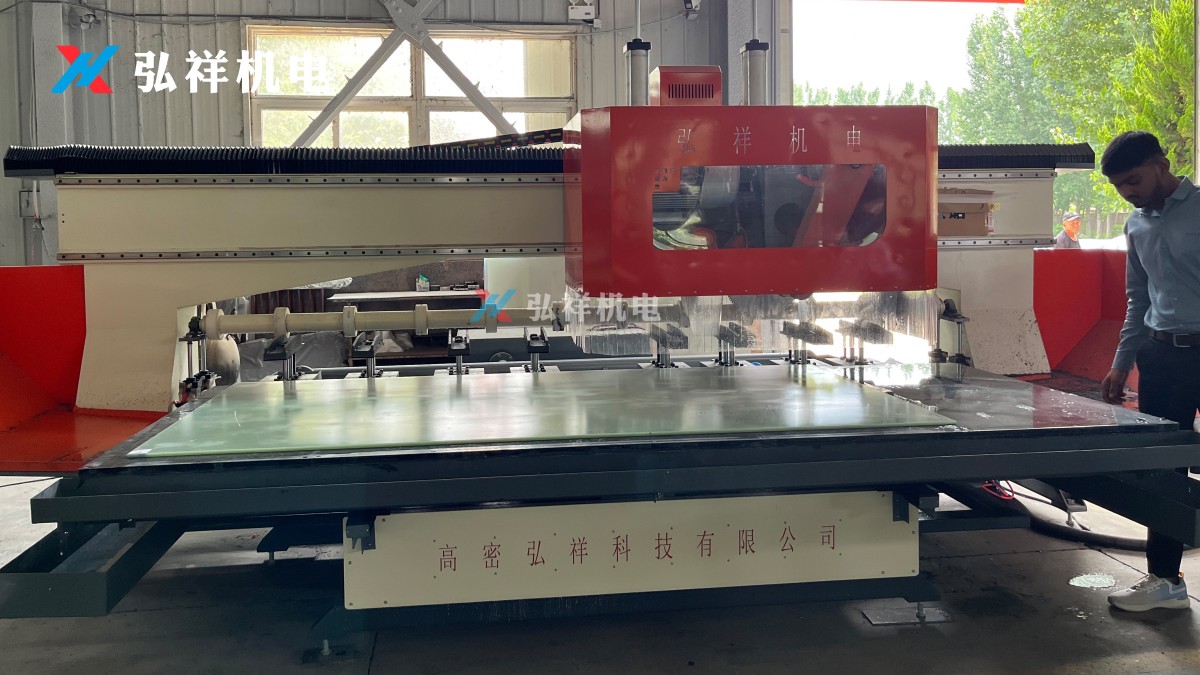
Gaomi Hongxiang Electromechanical Technology Co., Ltd. works in this integrated way. Its experience in transformer assembly, insulating cardboard, laminated wood, and insulating parts connects material preparation with final product performance.
Direct and indirect cost factors
Noise is often a design issue before it becomes a site issue
Operating noise is not only about user comfort. In machine tool facilities, excess transformer hum can signal magnetic imbalance, loose assembly, or vibration transfer into the surrounding structure.
Among key transformer core design considerations, flux density and joint quality deserve close attention. If the magnetic path is uneven or overstressed, magnetostriction effects become more obvious.
Noise can also rise when clamping pressure is inconsistent. Too loose, and laminations vibrate. Too tight, and material stress may affect magnetic performance in a different way.
Insulating materials matter here as well. Electrical insulating cardboard, laminated wood, and precision insulating parts help manage spacing, structural stability, and vibration control inside the transformer body.
In practical terms, reducing noise usually requires coordinated decisions rather than one isolated fix. Material selection, assembly discipline, and dimensional control need to align from the start.
Load performance depends on how the core behaves under real demand
Load performance is where transformer core design considerations become especially visible. Equipment may run smoothly at nominal conditions but struggle when load cycles become frequent, uneven, or sudden.
Machine tools, automation systems, and specialized electrical equipment often create dynamic demand patterns. Under those conditions, core losses, temperature rise, and voltage stability need careful balance.
A well-designed core supports efficient magnetic transfer without excessive heating. It also helps preserve output consistency when motors, control units, and auxiliary systems start or stop repeatedly.
This is one reason custom manufacturing capability matters. When a supplier can support special machines, including AI-related equipment, the transformer design can be matched more closely to actual operating profiles.
Typical load-related concerns
- Temperature rise during prolonged or intermittent heavy load
- Voltage stability during rapid equipment switching
- Extra loss caused by poor magnetic path design
- Premature insulation stress from thermal cycling
- Mechanical looseness after long operating hours
The role of insulating components in core performance
Discussions about transformer core design considerations sometimes focus too heavily on steel and magnetic loss. In reality, insulating components are part of the performance equation, not secondary accessories.
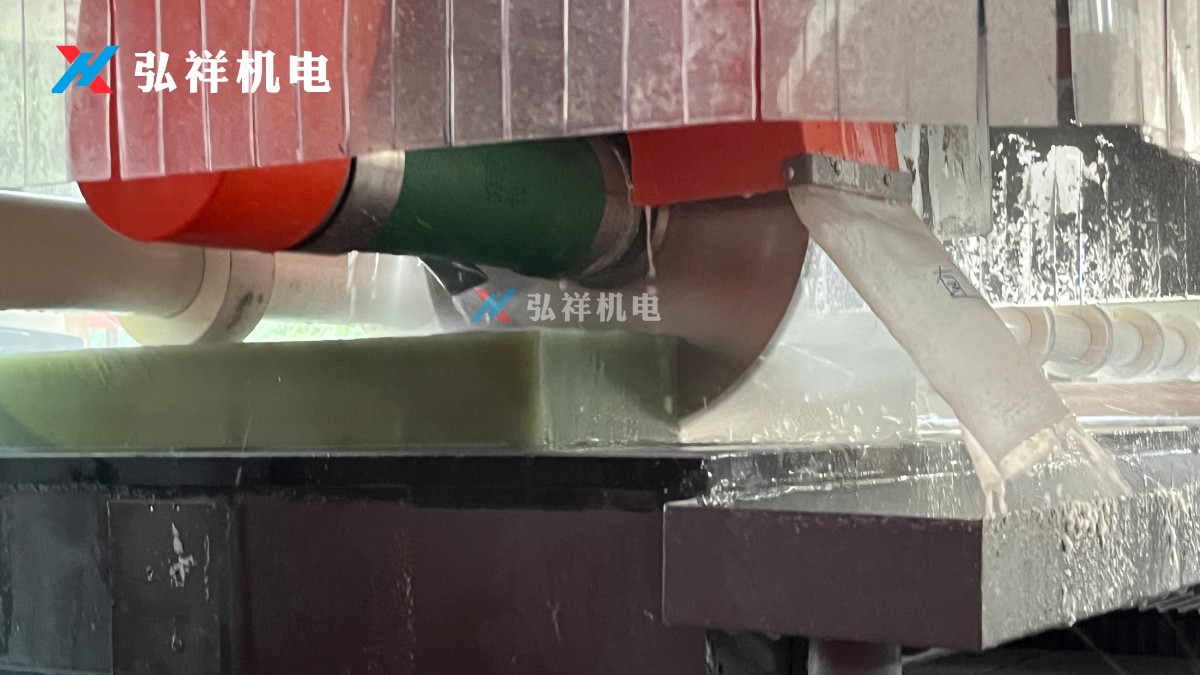
Electrical insulating cardboard and insulating laminated wood support dimensional stability, dielectric separation, compression resistance, and thermal durability. Their accuracy affects assembly repeatability and operating reliability.
Well-made insulating parts can reduce local stress concentration and help maintain structural integrity over years of service. That becomes especially important in export-oriented supply chains with varied environmental conditions.
EVA molding processing also has value where protective fit, cushioning, or specialized equipment support is needed. For complex manufacturing environments, material versatility can improve the final system package.
What matters when comparing suppliers or manufacturing partners
A useful evaluation does not stop at quoted price or rated capacity. Better decisions usually come from reviewing how transformer core design considerations are translated into actual production control.
That includes the supplier’s ability to manage materials, tolerances, insulation processing, assembly, testing, and post-delivery support without disconnects between departments or subcontractors.
For globally supplied equipment, export experience also matters. Different markets may require different handling expectations, climate durability, or service response standards.
A company serving Southeast Asia, South America, India, Pakistan, Russia, and domestic markets usually gains practical insight into varying application conditions, logistics demands, and quality expectations.
Useful checkpoints during evaluation
- Whether the core design matches the actual load profile
- Whether insulating materials are processed in-house or externally sourced
- How noise, loss, and temperature rise are validated
- Whether installation, training, and after-sales support are available
- How special machine requirements are translated into transformer specifications
A practical way to use these insights
The most effective approach is to treat transformer core design considerations as a decision framework rather than a narrow technical checklist.
Start with operating conditions. Review load variation, noise limits, duty cycle, available installation space, and thermal environment inside the machine or electrical system.
Then compare core material choices, insulation structures, and assembly capability against those conditions. This usually reveals whether a lower initial quote is truly lower cost.
It also helps define where custom support is needed. In many projects, the best result comes from aligning transformer design with the wider machine architecture, not selecting it as an isolated component.
When future projects involve new automation lines or specialized equipment, it is worth building a short evaluation matrix around efficiency, noise control, insulation quality, and load stability. That creates a clearer basis for the next sourcing or manufacturing decision.
NAVIGATION
MESSAGE
Request A Quote?