0000-00
Even with a fully automatic double-end chamfering machine, tolerance errors can still appear when processing electrical cardboard, electrical laminated wood, and other transformer insulation components. For buyers, operators, and technical evaluators seeking a reliable transformer insulation parts processing equipment manufacturer in China, the key point is this: automation improves consistency, but it does not eliminate variation by itself. In most cases, missed tolerance comes from a combination of material behavior, tooling wear, fixture accuracy, parameter mismatch, machine rigidity, and inspection discipline. Understanding these causes helps reduce scrap, improve yield, and make better equipment investment decisions.
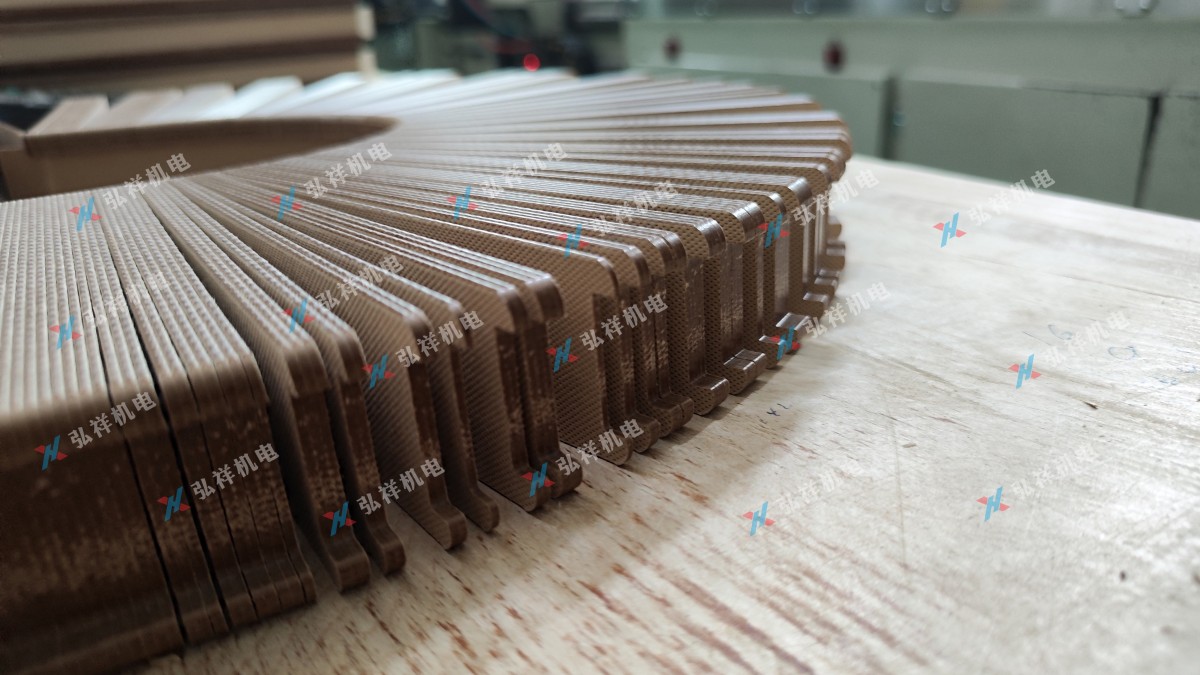
Why can an automatic double-end chamfering machine still miss tolerance?
The short answer is that “automatic” does not mean “self-correcting.” A CNC double-end chamfering machine can repeat the same action very efficiently, but if the setup reference is wrong, the cutting tool is worn, the material thickness varies, or the clamping force is unstable, the machine will repeat the same error just as efficiently.
In transformer insulation parts processing, this issue becomes even more important because electrical insulating cardboard and insulating laminated wood are not always as dimensionally uniform as metal stock. Their density, moisture condition, internal stress, and surface flatness can influence the final chamfer size, angle, and edge quality.
For most users, missed tolerance usually comes from one or more of these six root causes:
- Inconsistent raw material dimensions or physical properties
- Tool wear or incorrect tool geometry
- Fixture and positioning errors
- Improper feed speed, cutting depth, or spindle settings
- Machine vibration, alignment drift, or insufficient rigidity
- Weak in-process inspection and maintenance control
If you are evaluating a machine supplier, the important question is not whether the machine is automatic, but how the overall system controls these variables.
Which tolerance problems are most common in chamfering transformer insulation components?
When processing transformer insulation parts, tolerance issues often appear in forms that are easy to overlook at first but costly in final assembly. Common problems include:
- Chamfer width exceeding specification on one or both ends
- Uneven chamfer angle between left and right sides
- Centerline offset caused by poor positioning
- Part length variation after double-end processing
- Burrs, tearing, edge collapse, or surface fuzz on insulating materials
- Batch-to-batch inconsistency even when the same program is used
For quality control teams and project managers, these are not just dimensional issues. They can affect downstream fit-up, insulation integrity, assembly efficiency, and customer acceptance. In export-oriented production, repeated tolerance drift can also increase rework cost, delay delivery, and weaken confidence in supplier capability.
How do material characteristics cause automatic chamfering tolerance errors?
This is one of the most underestimated factors. Electrical cardboard, insulating laminated wood, and related transformer insulation materials behave differently from metals. Even if the CNC program is stable, the material itself may not respond in a perfectly uniform way.
Several material-related factors can influence tolerance:
- Thickness variation: If incoming board thickness is not stable, the effective chamfer size changes.
- Moisture content: Changes in moisture can influence dimensional stability and cutting response.
- Density differences: Material hardness and internal structure can vary between batches.
- Warping or flatness error: If the workpiece does not sit flat, the positioning reference shifts.
- Layer structure: Laminated materials may cut differently across layers, affecting edge uniformity.
For operators and buyers, this means the machine alone cannot guarantee precision if raw material control is weak. A capable equipment manufacturer should understand insulation material behavior and recommend realistic processing windows, fixture design, and inspection methods based on the actual material type.
What machine and tooling factors most often lead to missed tolerance?
Many tolerance problems originate not from programming, but from mechanical and tooling conditions. In a fully automatic double-end chamfering machine, both ends must maintain synchronized and stable cutting performance. Any small deviation between the two sides can quickly create measurable error.
The most common equipment-side causes include:
- Tool wear: As cutting edges wear, chamfer dimensions drift and edge quality worsens.
- Improper tool selection: The wrong blade geometry can tear soft or layered insulation materials.
- Spindle runout: Runout directly affects cutting consistency and repeatability.
- Guide rail or transmission wear: This can reduce positioning accuracy over time.
- Insufficient machine rigidity: Vibration or frame deflection can cause dimensional instability.
- Alignment errors between double ends: If both machining ends are not properly calibrated, part symmetry is lost.
For technical evaluators and maintenance personnel, the real issue is whether the machine design supports long-term precision, not just initial acceptance testing. Ask suppliers about spindle accuracy, repeat positioning accuracy, fixture repeatability, maintenance intervals, and calibration procedures.
Can setup and operation errors outweigh the benefits of automation?
Yes. In many factories, setup discipline has a bigger impact on tolerance than the machine’s advertised automation level. Even a high-performance CNC double-end chamfering machine can produce poor results if operators use inconsistent reference points, inadequate clamping, or unverified parameter settings.
Typical setup and operation mistakes include:
- Using a damaged or contaminated locating surface
- Applying uneven clamping pressure that deforms the workpiece
- Running the wrong program or parameter set for the material grade
- Skipping trial cuts after tool change
- Failing to compensate after tool wear is detected
- Measuring only the first piece instead of periodic samples during production
This is why training matters. A strong supplier should not only sell the machine, but also provide installation guidance, process training, parameter recommendations, and after-sales support. For enterprises processing insulation parts at scale, operator standardization is a direct quality and cost issue.
How should buyers evaluate a double-end chamfering machine for precision-critical work?
If your goal is reliable tolerance control, procurement should focus on process capability rather than brochure language. A good purchasing decision combines machine design, supplier experience, service ability, and fit with your material and product range.
Buyers, business evaluators, and financial approvers should pay attention to the following:
- Material compatibility: Has the supplier successfully processed electrical cardboard and insulating laminated wood before?
- Tolerance proof: Can the supplier provide actual sample data, not only theoretical specifications?
- Fixture design: Is the clamping system designed for flatness control and repeatable positioning?
- Ease of adjustment: Can operators efficiently fine-tune parameters during batch changes?
- Service capability: Does the supplier provide training, installation, and after-sales support?
- Maintenance cost: Are consumables, tooling, and spare parts manageable over time?
- Production stability: Can the machine maintain precision over long shifts, not just short tests?
For decision-makers, the best machine is not necessarily the one with the highest automation label. It is the one that delivers stable yield, lower rework, controllable maintenance cost, and predictable production output for your actual insulation parts.
What practical steps help reduce tolerance misses in daily production?
If tolerance problems are already happening, the most effective response is a structured process review rather than repeated trial-and-error adjustments. A practical control plan should include both machine-side and process-side actions.
Recommended actions include:
- Standardize incoming material inspection for thickness, flatness, and moisture-related variation.
- Confirm fixture cleanliness, clamping pressure, and reference positioning before each shift.
- Establish tool life standards and replace tools before quality visibly declines.
- Use first-piece approval plus periodic in-process inspection, not only end-of-batch checking.
- Record parameter settings by material type and product specification.
- Perform regular spindle, alignment, and transmission calibration.
- Train operators to identify early warning signs such as burr growth, asymmetry, or dimensional drift.
- Work with a capable machine manufacturer to optimize programs and fixture solutions for your insulation materials.
For quality managers and project leaders, these actions usually produce better results than simply increasing inspection frequency. The goal is to prevent error at the source.
Why does supplier experience matter as much as machine configuration?
In transformer insulation parts processing, the machine and the process cannot be separated. A supplier with real experience in electrical insulating cardboard, insulating laminated wood, and special insulation component manufacturing is more likely to understand the hidden causes of tolerance variation and propose effective solutions quickly.
That experience can affect:
- Correct machine selection for part geometry and material type
- Reasonable tolerance expectations based on actual processing conditions
- Proper fixture and cutting tool recommendations
- Faster troubleshooting during commissioning
- Better long-term after-sales support and process optimization
For global customers evaluating a transformer insulation parts processing equipment manufacturer in China, practical industry understanding is a major advantage. It reduces technical communication gaps, shortens verification time, and lowers the risk of buying a machine that looks capable on paper but struggles in real production.
Conclusion: automation improves consistency, but process control delivers tolerance
A fully automatic double-end chamfering machine can significantly improve efficiency and repeatability, but it can still miss tolerance if material variation, tooling condition, fixture accuracy, operating method, or machine maintenance are not properly controlled. For transformer insulation component manufacturers and buyers, the most important insight is that precision is the result of a complete system, not just one automatic machine feature.
If you are selecting equipment, focus on real processing capability, supplier experience, sample validation, and after-sales support. If you are already producing parts, strengthen material control, setup discipline, tool management, and in-process inspection. That is the most reliable path to better yield, lower scrap, and more stable product quality.
NAVIGATION
MESSAGE
Request A Quote?