0000-00
Insulation performance is shaped long before final assembly—it begins with precision, stability, and the right production line. For users and operators, choosing Transformer electrical layer-pressed wood processing equipment for electrical insulation means better material consistency, cleaner machining results, and more reliable transformer components. A well-matched wood processing setup not only improves efficiency on the shop floor but also helps ensure the quality standards required for demanding electrical insulation applications.
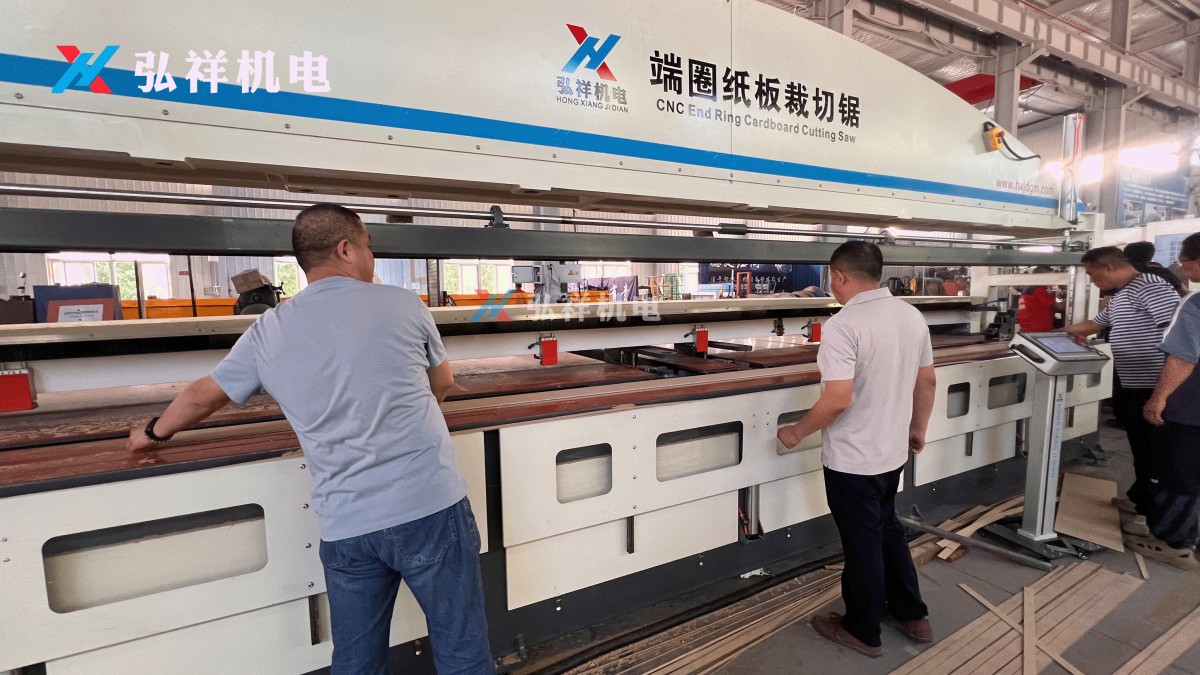
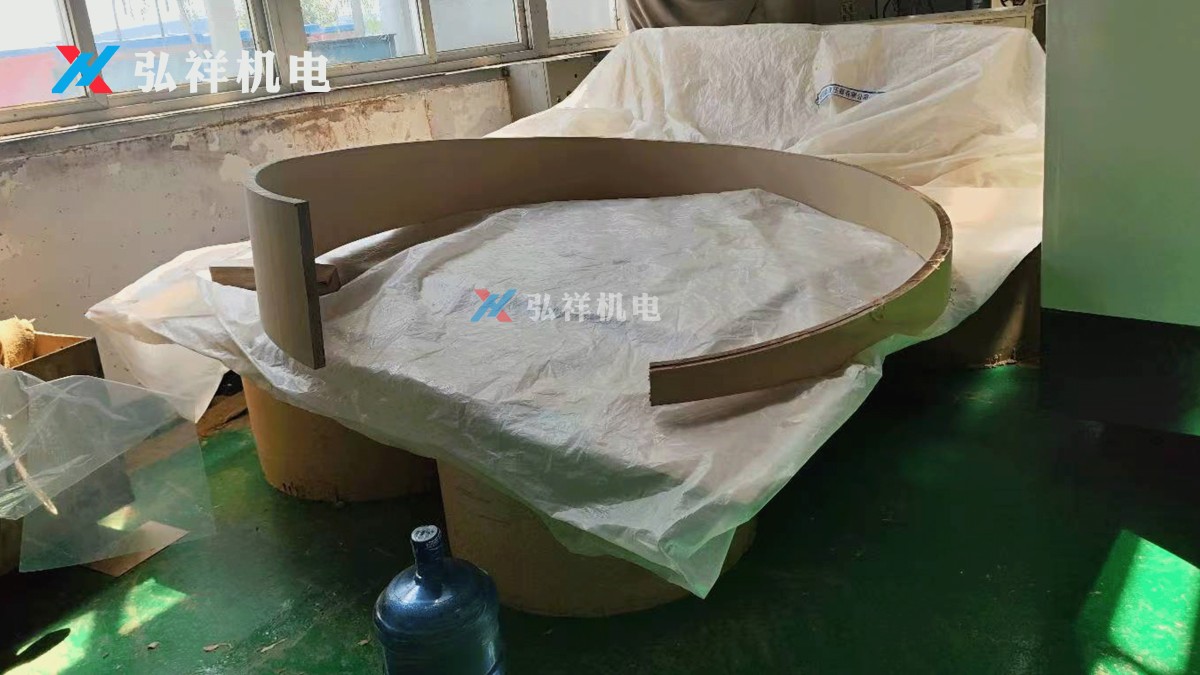
Why does wood processing setup matter so much for transformer insulation performance?
Many operators first notice insulation quality at the testing stage, but the real cause often starts much earlier, during cutting, laminating, shaping, slotting, drilling, and surface finishing. In transformer manufacturing, layer-pressed wood is not a decorative material. It is a structural insulating material that supports mechanical strength, dimensional stability, oil compatibility, and electrical reliability. That is why Transformer electrical layer-pressed wood processing equipment for electrical insulation is not simply a woodworking machine category. It is a process-critical system that directly affects whether the final insulating part performs as intended.
If the equipment lacks rigidity, feeds unevenly, or creates excessive burrs and heat, the resulting defects can reduce fit accuracy and damage the consistency of insulating parts. Small dimensional errors may lead to assembly stress. Rough surfaces may affect bonding or oil impregnation behavior. In laminated wood components, poor machining can also create edge damage, delamination risk, or irregular geometry that weakens the final application inside the transformer.
For operators, this means insulation performance is not only a material issue. It is also a machine setup issue, a tooling issue, and a process control issue. A proper production line reduces variation between batches, lowers scrap rates, and makes inspection results more predictable. In short, better machine configuration helps create better insulating parts before any downstream correction is needed.
What exactly is Transformer electrical layer-pressed wood processing equipment for electrical insulation?
This term refers to specialized machine solutions used to process electrical insulating laminated wood and related transformer insulation materials into precise parts. These solutions may include cutting units, planing systems, shaping machines, drilling stations, milling equipment, slotting machines, sanding modules, pressing support systems, and integrated handling or positioning devices. The exact combination depends on product type, batch size, tolerance needs, and line automation level.
Unlike general woodworking machinery, Transformer electrical layer-pressed wood processing equipment for electrical insulation must account for the special behavior of insulation-grade laminated wood. The material can be dense, layered, and demanding in terms of edge integrity. It often requires stable feeding, accurate positioning, repeatable cutting depth, and controlled tool engagement to avoid cracking, tearing, or waste.
In practical transformer production, such equipment is used to manufacture spacers, blocks, rings, support members, clamping components, and other insulating structural parts. For users and operators, the value of the equipment is not just in speed. It is in the ability to produce repeatable parts that fit assembly drawings, preserve insulation material properties, and support long-term transformer reliability.
Which users and operating scenarios benefit most from this equipment?
The main beneficiaries are transformer manufacturers, insulation component workshops, subcontract processors, and facilities that supply precision electrical insulation parts for power equipment. Within these organizations, the most direct users are line operators, process technicians, maintenance staff, and production supervisors. Each role sees a different value from the same setup.
Operators benefit from stable feeding, easier adjustment, better safety, and cleaner finished parts. Process technicians benefit from repeatable tolerances and easier standardization. Maintenance teams prefer equipment with durable structures, accessible wear parts, and practical service points. Production managers focus on uptime, yield, and labor efficiency. When a machine is well matched to transformer insulation work, all of these groups gain practical advantages.
This is especially important in scenarios where the workshop handles multiple thicknesses, different laminated wood grades, varying hole patterns, or custom-shaped insulating components. In such environments, flexible Transformer electrical layer-pressed wood processing equipment for electrical insulation can reduce changeover time while maintaining part quality. It also supports export-oriented production where consistency and compliance expectations are high.
How can operators judge whether a machine setup is truly suitable?
A suitable setup should be judged by process results, not only by catalog specifications. Many buyers focus first on spindle power or machine size, but experienced users know that real suitability comes from the interaction between machine stability, tool selection, workholding method, material behavior, and operator control. A machine that looks powerful on paper may still be a poor fit if it produces unstable edges or requires constant manual correction.
The first indicator is dimensional repeatability. Can the equipment maintain stable output over long runs, not just during trial production? The second is surface and edge quality. Are burrs, fiber tear-out, and layer damage controlled? The third is changeover efficiency. Can operators switch part types without losing too much setup time? The fourth is maintainability. Does the machine allow quick cleaning, easy alignment checks, and predictable replacement of wear components?
It is also wise to evaluate how the machine performs with actual transformer insulating laminated wood rather than generic wood substitutes. Real material testing reveals whether the feed system, cutter path, clamping force, and dust removal are suitable for electrical insulation production. For this reason, practical trials are often more valuable than broad claims.
Quick evaluation table for operators and buyers
What are the most common mistakes when selecting processing equipment for electrical insulation wood?
One common mistake is treating insulation laminated wood like ordinary board material. That usually leads to underestimating the need for precision, cutter quality, and feed stability. Another mistake is buying for maximum speed without checking process quality. High throughput sounds attractive, but if the result includes poor edge finish or frequent dimension drift, the total cost increases through rework, scrap, and inspection burden.
A third mistake is ignoring operator workflow. If the machine requires complicated setup changes or has controls that are difficult to understand, output quality becomes too dependent on individual experience. In real factory conditions, good equipment should make correct operation easier, not harder. That includes straightforward parameter adjustment, safe loading and unloading, and stable clamping.
Another frequent error is focusing only on the machine and forgetting the full system. Transformer electrical layer-pressed wood processing equipment for electrical insulation performs best when the tooling, dust extraction, material handling, and maintenance routine are considered together. A well-designed machine can still deliver poor results if cutters are unsuitable, chips accumulate, or material storage causes moisture-related variation.
Finally, some buyers overlook supplier capability. In this sector, machine value includes process understanding, training support, installation guidance, and after-sales responsiveness. Gaomi Hongxiang Electromechanical Technology Co., Ltd., for example, serves global customers in transformer assembly and manufacturing services, while also providing processing solutions for electrical insulating cardboard, insulating laminated wood, insulating parts, and special machine support. For users, that broader application background can be very useful because it connects machine design with actual insulation production needs.
How does the right setup improve efficiency without sacrificing insulation quality?
The right setup improves efficiency by reducing interruptions. When the machine cuts cleanly, operators spend less time on deburring, sorting, and correcting dimensions. When clamping is stable, there is less vibration and fewer rejects. When controls are consistent, setup changes become faster and more repeatable. These gains often matter more than headline spindle speed because they improve total productive time, not just theoretical output.
Quality and efficiency are often presented as trade-offs, but in transformer insulation processing they usually support each other. Cleaner machining protects part geometry. Better geometry reduces assembly problems. Fewer assembly problems reduce delays and additional handling. In this way, properly selected Transformer electrical layer-pressed wood processing equipment for electrical insulation supports the whole production flow rather than a single cutting step.
A strong setup also helps standardize production between operators and shifts. That is especially important for exporters serving markets such as Southeast Asia, South America, India, Pakistan, and Russia, where product consistency and delivery reliability can affect long-term customer trust. Stable equipment is therefore not just a machine investment. It is part of manufacturing credibility.
Before purchasing or upgrading, what questions should users ask first?
Start with the parts, not the machine. What laminated wood grades are being processed? What thickness range is required? What are the most demanding tolerances? Which defects currently cause the most scrap? These answers define whether you need flexibility, automation, rigidity, or specialized tooling support.
Next, ask about workflow. Is production mostly standard parts or custom batches? How often do dimensions change? How skilled are the operators? Is floor space limited? Does the workshop need a standalone machine or a more integrated line? These practical questions help narrow down the right configuration far better than broad feature comparisons.
Users should also ask suppliers to explain service and implementation details. What training is included? How are wear parts supplied? What is the expected commissioning cycle? Can trial processing be done with real transformer insulation material? What support is available after installation? In the field of Transformer electrical layer-pressed wood processing equipment for electrical insulation, these issues directly influence how fast the machine becomes productive.
Common pre-purchase questions to confirm
What should operators pay attention to after installation?
Even the best machine needs disciplined operation. After installation, operators should focus on tooling condition, feed consistency, clamping pressure, dust removal, and routine calibration checks. Small changes in cutter wear can quickly affect edge quality and dimensional control. In insulation material processing, waiting too long to replace tools often causes hidden quality problems before visible failure appears.
Material handling also deserves attention. Laminated wood for transformer applications should be stored and transferred in ways that preserve stability and cleanliness. If material condition varies, machining results can vary too. Operators should therefore work closely with quality and process teams to record recurring issues, compare batch performance, and optimize settings based on actual part results rather than assumptions.
The most effective workshops treat Transformer electrical layer-pressed wood processing equipment for electrical insulation as part of a controlled manufacturing system. They combine machine discipline, operator training, inspection feedback, and preventive maintenance. That approach protects both insulation quality and long-term productivity.
Final question: how should you move forward if you need a more reliable processing solution?
If your current line struggles with unstable dimensions, rough edges, slow changeovers, or rising scrap, the next step is not simply to buy a larger machine. It is to review the full processing route for insulating laminated wood and identify where precision, repeatability, and operator efficiency are being lost. For many users, the right answer is a more application-focused Transformer electrical layer-pressed wood processing equipment for electrical insulation solution rather than a generic woodworking setup.
When discussing options with a supplier, be ready to share material types, part drawings, annual output, tolerance requirements, current defects, and operator experience level. These details make it much easier to confirm machine direction, process compatibility, implementation cycle, and support scope. If you need to further confirm a specific solution, parameters, production plan, lead time, pricing, or cooperation method, the best starting point is a direct conversation around your actual insulating part requirements and workshop conditions.
NAVIGATION
MESSAGE
Request A Quote?