0000-00
In transformer insulation manufacturing, production quality starts with the right setup. Laminated wood processing equipment for transformer insulation must be adjusted with precision to ensure stable dimensions, smooth surfaces, and reliable insulating performance.
Every setup decision affects cutting accuracy, bonding stability, moisture balance, and final assembly fit. A well-prepared machine line reduces variation, improves yield, and supports dependable insulation part production.
For companies handling insulating laminated wood, setup is not only a technical step. It is a quality control point that connects equipment condition, operator method, raw material behavior, and downstream transformer performance.
Understanding setup in laminated wood processing
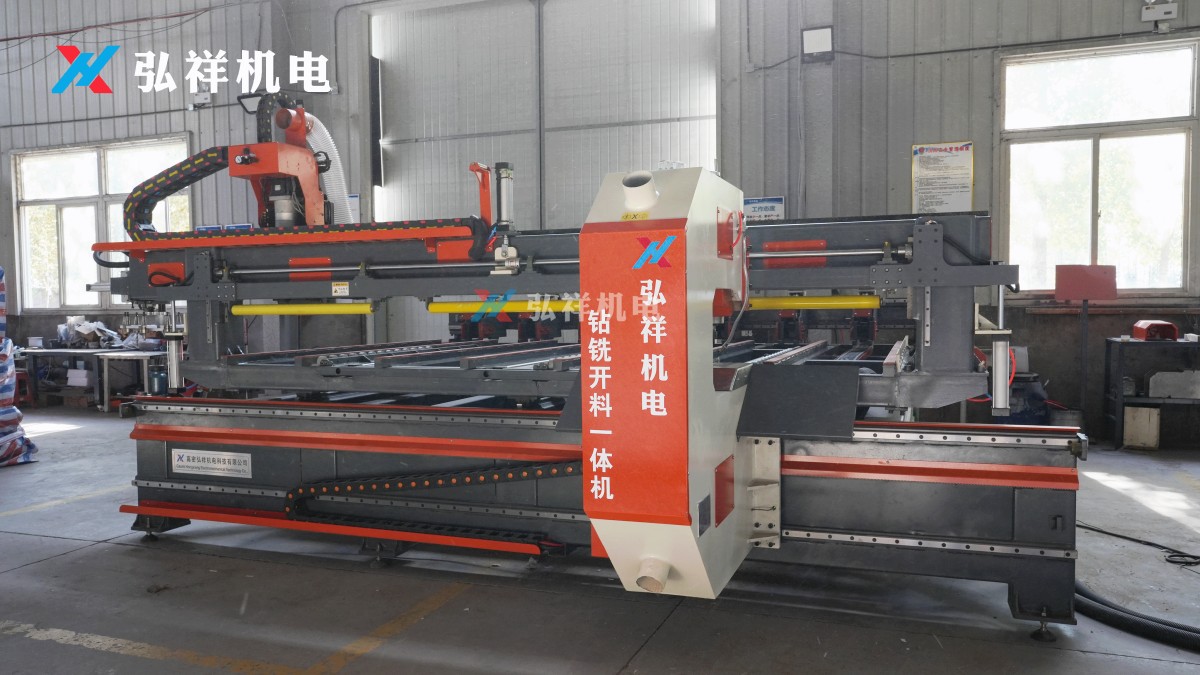
Laminated wood processing equipment for transformer insulation includes cutting, planing, drilling, milling, pressing, and shaping machines. Each unit must match the material specification and the required insulation part geometry.
Setup covers machine alignment, feed speed, spindle speed, tool sharpness, clamping pressure, guide positioning, and dust removal condition. These settings determine how the wood reacts during each operation.
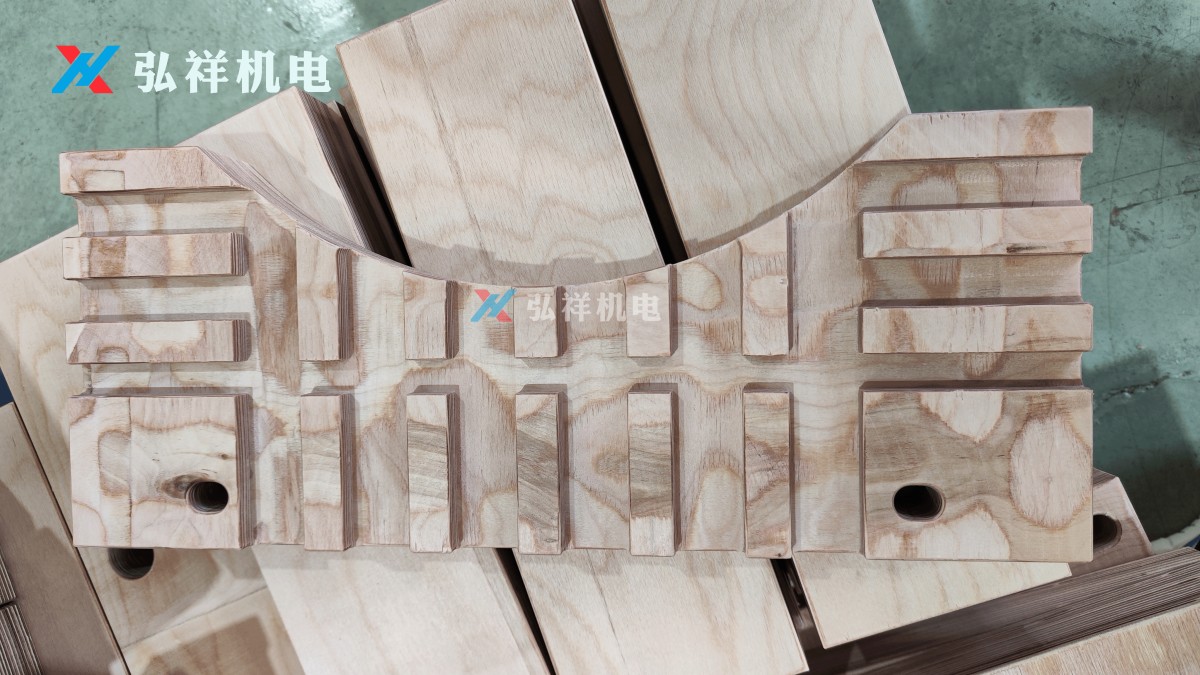
Because laminated wood is used in insulation structures, dimensional consistency is critical. Even small setup errors can create uneven slots, chipped edges, or hidden internal stress that affects service reliability.
In this field, quality means more than appearance. It includes flatness, thickness tolerance, hole position accuracy, clean edges, bonding integrity, and suitability for transformer insulation applications.
Why the industry pays close attention to setup quality
Transformer components work under electrical, thermal, and mechanical stress. Insulation parts made from laminated wood must maintain shape and performance throughout manufacturing, installation, and long-term operation.
That is why Laminated wood processing equipment for transformer insulation receives strong attention in modern workshops. Better setup supports better repeatability, especially when multiple part sizes are processed daily.
- Higher dimensional accuracy reduces rework during transformer assembly.
- Stable cutting conditions help protect insulating properties.
- Correct tool and pressure settings lower surface damage risk.
- Consistent setup improves batch-to-batch quality control.
- Efficient machine preparation reduces downtime and waste.
As export markets demand stable standards, setup discipline becomes even more important. It helps workshops deliver reliable insulating laminated wood parts across different product batches and destination requirements.
Key setup factors that influence production quality
Machine alignment and structural stability
Poor alignment causes parallelism errors, uneven material removal, and edge variation. Stable frames, level installation, and checked guide rails are basic requirements for reliable laminated wood machining.
Tool selection and sharpness
Blunt tools increase tearing, heat, and roughness. Proper blades, cutters, and drill bits should match laminated wood density, layer direction, and target finish quality.
Feed speed and spindle speed
If feed is too fast, the surface may chip. If too slow, heat can build up. Balanced speed settings are essential for Laminated wood processing equipment for transformer insulation.
Clamping pressure and positioning
Loose workholding leads to movement and dimensional error. Excess pressure may mark the material or introduce stress. Setup must secure the part without damaging insulation-grade surfaces.
Moisture and material condition
Laminated wood behavior changes with moisture content. Equipment settings should be verified against actual board condition, not only nominal specification, to prevent warping or inconsistent cutting response.
Dust extraction and cleanliness
Fine dust affects tool life, cut visibility, and surface cleanliness. Effective extraction keeps settings stable and supports safer, cleaner production of transformer insulation components.
Quality effects across the full processing flow
Setup quality influences every stage, from raw board preparation to finished insulating parts. The impact becomes clear when each process is viewed as part of one controlled production chain.
When one stage is poorly set, defects often spread into later operations. A thickness deviation from planing, for example, can disturb drilling depth and final transformer assembly accuracy.
Business value of correct equipment setup
For workshops producing transformer insulation parts, setup quality directly affects production cost and delivery reliability. Better machine preparation reduces scrap, lowers repair needs, and supports stable output planning.
Gaomi Hongxiang Electromechanical Technology Co., Ltd. focuses on assembly and manufacturing services for power transformers. Its capabilities include electrical insulating cardboard, insulating laminated wood, insulating parts, and special machine support.
In such integrated production environments, Laminated wood processing equipment for transformer insulation must fit both technical and operational goals. Accurate setup helps connect R&D, manufacturing, installation, training, and after-sales service more effectively.
- Fewer defects improve material utilization.
- Shorter adjustment time improves machine availability.
- Stable part quality supports export consistency.
- Reliable machining lowers downstream fitting pressure.
- Documented setup methods strengthen process control.
Typical application scenarios and part categories
Insulating laminated wood is used in many transformer structures. Different parts require different setup priorities, especially where geometry, tolerance, and surface quality vary.
These scenarios show why Laminated wood processing equipment for transformer insulation cannot rely on generic settings. Process parameters should be matched to part structure and insulation function.
Practical setup recommendations for stable results
- Check machine level, guide straightness, and spindle runout before production.
- Confirm raw material moisture and board condition before choosing speeds.
- Use sharp tools and replace them before surface defects appear.
- Run sample parts first and record actual tolerance data.
- Standardize fixture positions for repeated insulation part models.
- Keep dust extraction effective to protect finish quality and tool life.
- Train operators to adjust one parameter at a time during troubleshooting.
- Create setup sheets for each transformer insulation component family.
These actions help transform setup from experience-based adjustment into a repeatable process. Over time, this improves both machine utilization and final product confidence.
A clear next step for improving transformer insulation production
Production quality does not begin at final inspection. It begins when Laminated wood processing equipment for transformer insulation is selected, installed, aligned, and tuned for the actual material and part design.
Review existing setup methods, compare defect patterns with machine parameters, and standardize successful settings. This practical step can quickly improve consistency in laminated wood parts for transformer insulation.
Where process integration matters, working with an experienced company that combines design, manufacturing, installation, training, and service can support more stable equipment performance and better long-term production results.
NAVIGATION
MESSAGE
Request A Quote?