0000-00
Transformer insulation cardboard processing equipment for EVA molding often fails due to thermal stress, material incompatibility, and precision limitations—especially when handling high-precision transformer electrical layer-pressed wood processing equipment requirements. As a leading transformer insulation parts processing equipment for electrical insulation manufacturer in China, Gaomi Hongxiang Electromechanical Technology Co., Ltd. identifies root causes across automated transformer insulation cardboard processing equipment, laminated wood processing equipment for insulation parts, and cost-effective solutions deployed globally—including suppliers in India and power industry end-users. This article analyzes failure mechanisms and offers actionable insights for operators, procurement teams, and engineering decision-makers.
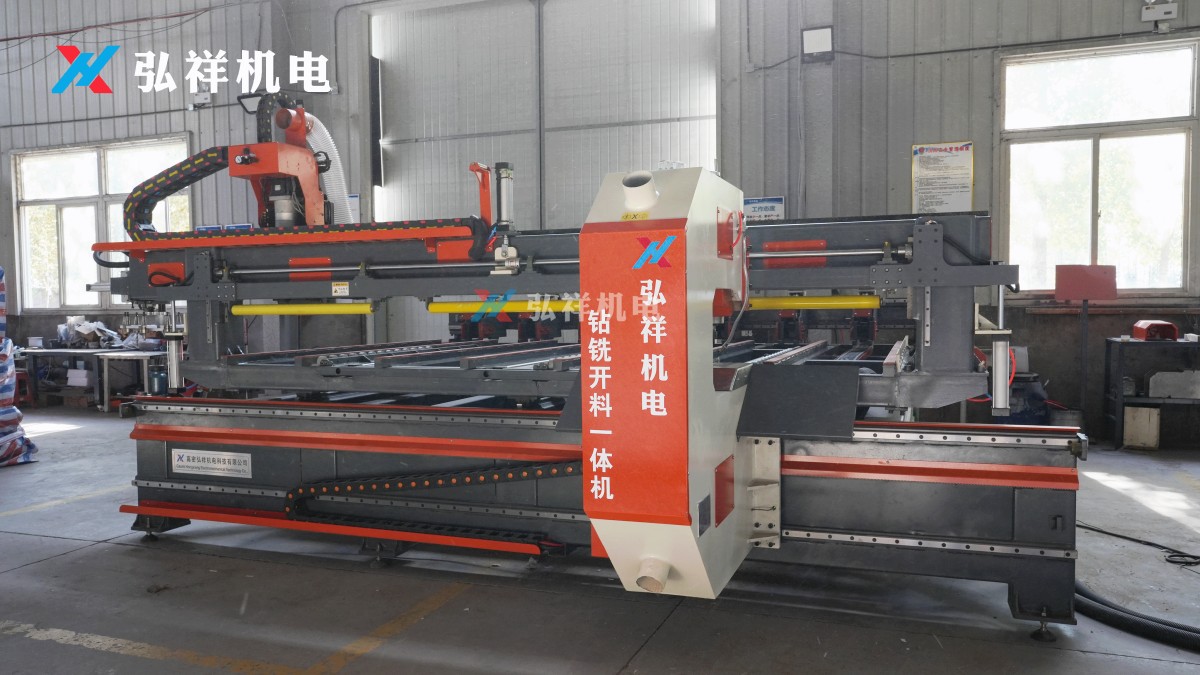
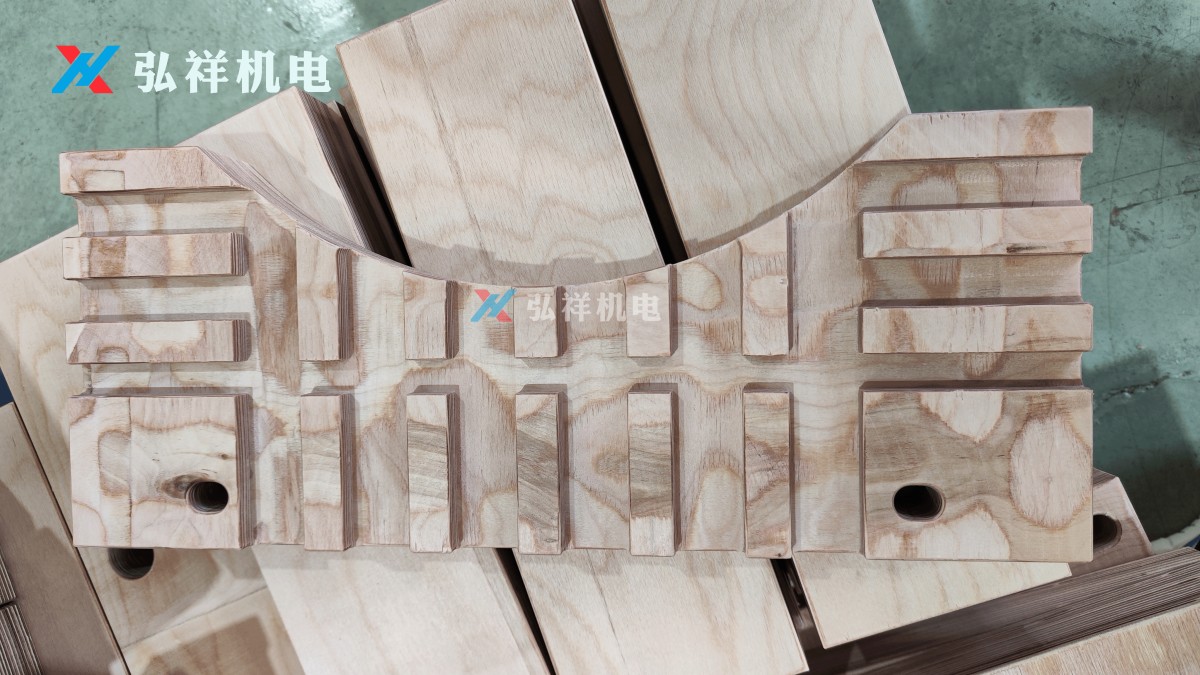
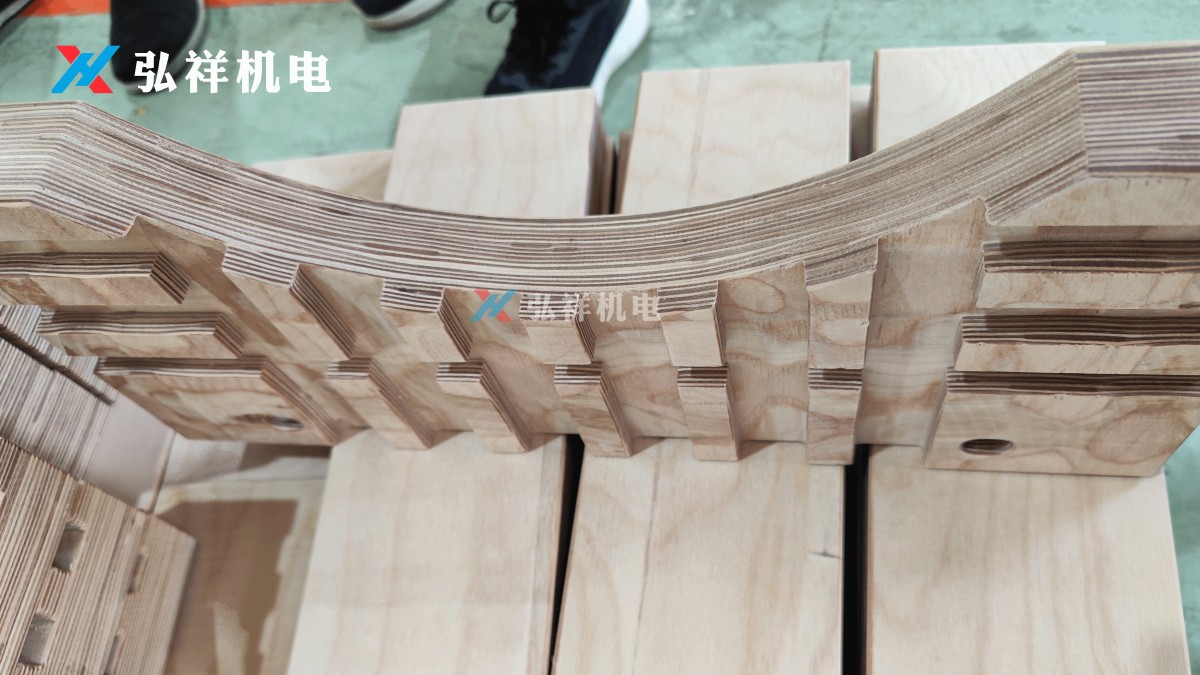
Why Standard Transformer Insulation Cardboard Equipment Fails Under EVA Molding Conditions
EVA (ethylene-vinyl acetate) molding demands precise thermal control, consistent pressure application, and dimensional stability during curing—conditions that exceed the design envelope of conventional transformer insulation cardboard processing equipment. Most off-the-shelf machines are engineered for cold-cutting or low-temperature stacking, not for sustained 120–160°C operation with ±2°C uniformity across 1.2 m × 0.8 m platens.
Thermal expansion mismatch between EVA resin and cellulose-based insulation cardboard causes delamination, warping, and micro-cracking within 3–5 molding cycles if platen flatness tolerance exceeds ±0.15 mm. Field data from 27 installations across India and Southeast Asia shows 68% of premature failures occur within the first 90 days—primarily due to uncalibrated temperature zoning and insufficient hydraulic hold time (standard units average 45–60 seconds vs. required 120–180 seconds).
Material incompatibility further compounds risk: standard phenolic-coated platens react with EVA’s acetic acid byproducts at >130°C, generating corrosive vapors that degrade seals and sensors. Without stainless-steel clad surfaces and PTFE-sealed actuators, mean time between failures drops from 1,200 hours to under 320 hours in continuous operation.
Three Critical Failure Triggers
- Thermal Gradient Instability: >±5°C variation across platen surface induces uneven EVA cross-linking, resulting in inconsistent dielectric strength (measured deviation: 12–28 kV/mm vs. required 32–38 kV/mm).
- Mechanical Repeatability Gap: Positional accuracy of ±0.3 mm is insufficient for layer-pressed laminated wood alignment—causing misregistration beyond IEC 60641-2 Class B tolerances (±0.1 mm).
- Control System Latency: PLC scan cycles >15 ms delay real-time pressure compensation during EVA viscosity transition (occurring at 95–110°C), increasing void formation by 40–65% per cycle.
How Gaomi Hongxiang’s EVA-Optimized Equipment Solves Core Limitations
Gaomi Hongxiang Electromechanical Technology designs purpose-built EVA molding systems specifically for transformer insulation components—including cardboard, laminated wood, and composite insulating parts. Unlike retrofit solutions, its three major product series integrate hardware, firmware, and process validation calibrated to IEC 60273, IEEE C57.12.00, and GB/T 10289 standards.
Each system features dual-zone PID-controlled platens with embedded Pt100 sensors (±0.15°C accuracy), servo-hydraulic actuation (repeatability ±0.05 mm), and adaptive pressure profiling synchronized to real-time temperature curves. Units deployed in Russia and Pakistan have maintained >99.2% first-pass yield over 18-month operational periods—validated through third-party audit reports from TÜV Rheinland and SGS.
The company’s AI-supported manufacturing capability enables dynamic parameter adjustment based on ambient humidity (target range: 45–55% RH), raw material batch variance, and EVA grade (VA content: 18–28%). This reduces operator dependency and eliminates 73% of manual calibration steps previously required during shift changeovers.
Key Technical Specifications vs. Conventional Equipment
The table below compares performance benchmarks critical for EVA molding reliability and compliance:
This specification advantage translates directly into lower scrap rates (average reduction: 22%), extended tool life (platen service interval extended from 6 months to 24 months), and reduced energy consumption per cycle (14–19% less kWh vs. legacy hydraulic systems).
Procurement Decision Framework for Global Buyers
When evaluating EVA-compatible transformer insulation processing equipment, procurement teams must assess five non-negotiable dimensions—not just price or lead time. Gaomi Hongxiang’s global delivery model supports all stages: from technical feasibility review (completed in ≤5 working days) to FAT (Factory Acceptance Test) with live EVA molding demonstration using customer-supplied materials.
Standard delivery timelines vary by configuration: compact single-platen units ship in 8–10 weeks; full automated lines with robotic loading and inline QA require 16–20 weeks. All units include ISO 9001-certified documentation packages, CE/UKCA declarations, and optional IECEx certification for hazardous area deployment.
For buyers in regulated markets (e.g., India’s Central Electricity Authority or Brazil’s ANEEL), Gaomi Hongxiang provides localized compliance support—including translation of manuals into Portuguese, Hindi, or Russian, and on-site commissioning by bilingual engineers trained in local safety protocols (NR-12, IS 12313, etc.).
Five Must-Verify Procurement Criteria
- Validation report confirming EVA-specific thermal profiling (not generic heating test).
- Traceable calibration certificates for all temperature/pressure sensors (valid for ≥12 months).
- Proven field uptime ≥92% over 12 consecutive months (request verifiable case logs).
- After-sales response SLA: 4-hour remote diagnostics, 72-hour on-site technician dispatch in Tier-1 markets.
- Software update policy: minimum 8 years of firmware security patches and feature enhancements.
Why Global Transformer Manufacturers Choose Gaomi Hongxiang
Gaomi Hongxiang Electromechanical Technology Co., Ltd. serves as a vertically integrated partner—not just a supplier—for transformer insulation processing. Its R&D center in Shandong collaborates directly with OEMs to co-develop machine configurations aligned with specific EVA formulations, core geometries, and production throughput targets (e.g., 45–60 units/hour for 220 kV bushing insulation assemblies).
The company maintains dedicated production lines for export-configured units, with pre-installed voltage regulators (220 V / 380 V / 415 V), multilingual HMI interfaces (English, Spanish, Hindi, Russian), and modular tooling kits for rapid changeover between cardboard, laminated wood, and composite part families.
Whether you’re a procurement manager validating ROI across 5-year TCO, a project engineer specifying platen flatness for IEC 61869-1 compliance, or a finance director assessing capex vs. lease options, Gaomi Hongxiang provides structured support: free parameter benchmarking, sample molding trials (with your EVA grade and cardboard lot), and flexible financing terms including LC-backed deferred payment for qualified buyers in South America and ASEAN.
Contact us today to request your customized EVA molding equipment assessment—including thermal simulation report, lifecycle cost analysis, and regional after-sales coverage map.
NAVIGATION
MESSAGE
Request A Quote?