0000-00
The Hidden Downtime Costs Behind Automated Cardboard Lines
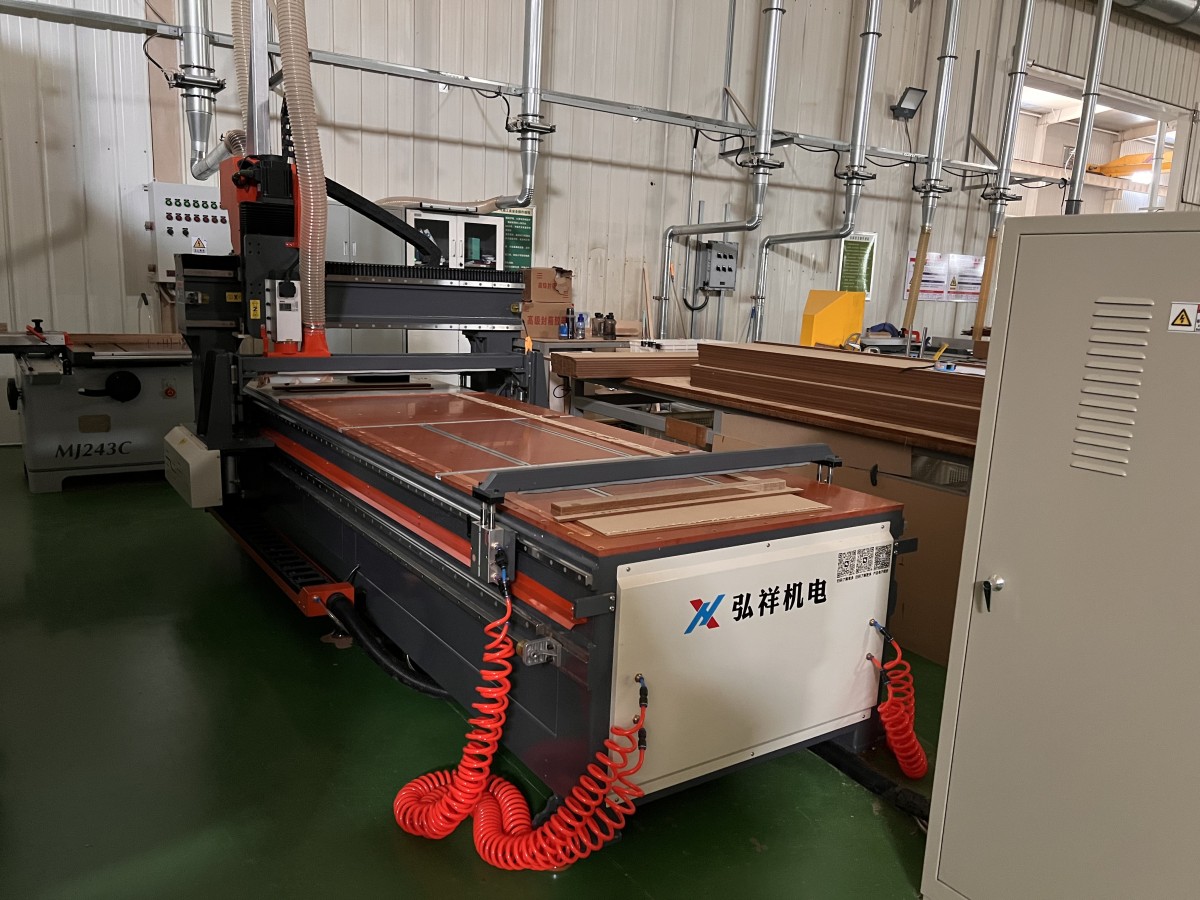
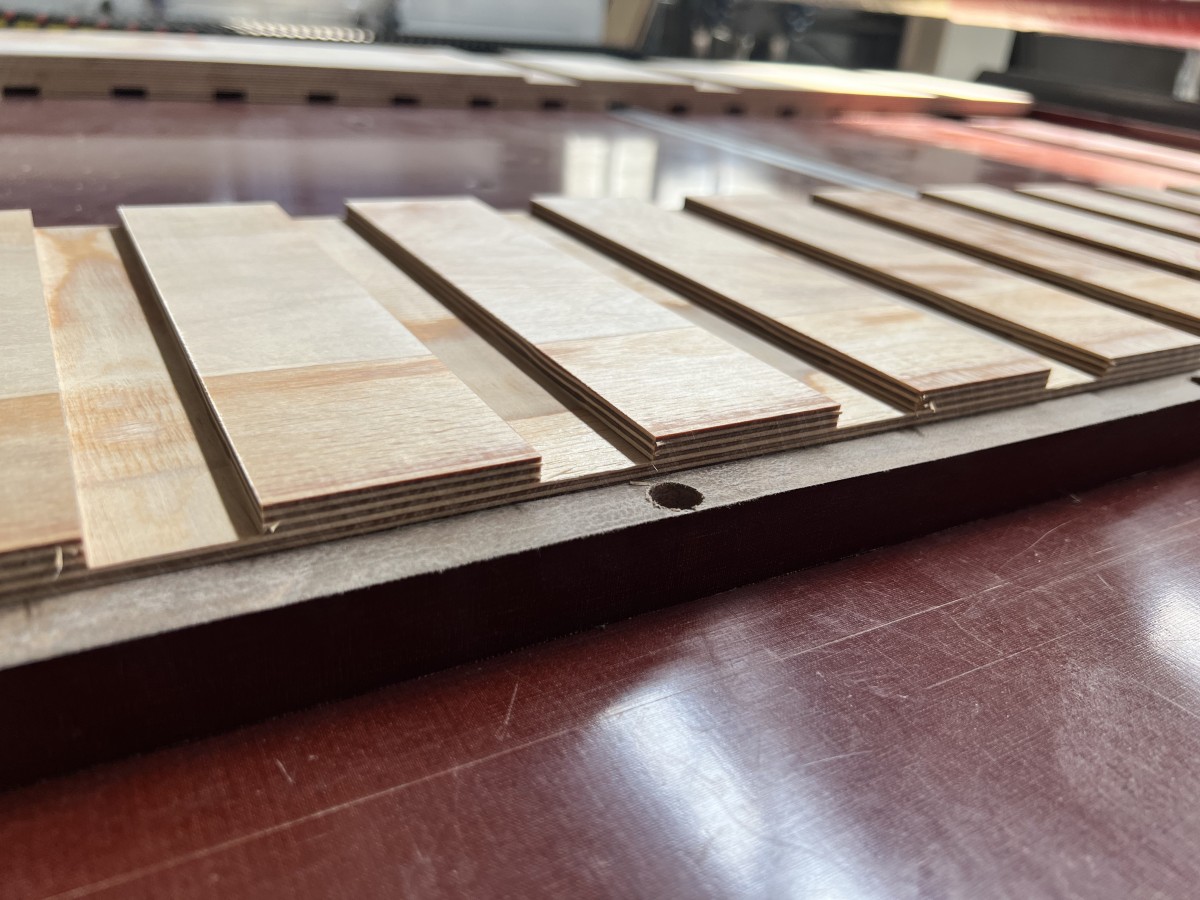
Hidden downtime in cardboard production rarely appears on a purchase invoice, yet it steadily reduces profit through lower output, labor waste, and delayed transformer schedules.
In transformer manufacturing, every interruption affects insulation part availability, production balance, and delivery credibility.
That is why Automated transformer insulation cardboard processing equipment should be evaluated beyond purchase price.
The real question is simple: which operating scenarios create hidden downtime, and how should equipment selection respond?
For facilities processing electrical insulating cardboard, laminated wood, and molded insulation parts, uptime becomes a financial control tool, not only a technical indicator.
Gaomi Hongxiang Electromechanical Technology Co., Ltd. supports this need through integrated R&D, manufacturing, installation, training, and after-sales service for transformer-related processing applications.
Why Downtime Looks Different Across Production Scenarios
Downtime is not one universal problem.
Its cost changes according to product mix, batch size, material tolerances, staffing stability, and delivery pressure.
A line producing repetitive flat insulation sheets faces different risks than a line switching between slotting, cutting, punching, beveling, and special-shape parts.
In machine tool equipment environments, hidden losses often come from micro-stops, setup delays, material handling errors, and unplanned maintenance windows.
Automated transformer insulation cardboard processing equipment reduces these losses only when matched to the actual operating scene.
Scenario signals that change downtime economics
- Frequent changeovers between insulation part dimensions
- High scrap sensitivity from expensive insulating materials
- Tight transformer assembly deadlines
- Dependence on manual feeding or manual positioning
- Export orders requiring stable repeatability and traceability
Scenario 1: High-Mix Insulation Parts and Frequent Job Changes
Many transformer plants do not run one part all day.
They alternate between strips, rings, spacers, angle parts, formed boards, and customized insulating components.
In this setting, hidden downtime usually comes from programming, alignment, tool change, first-piece adjustment, and operator confirmation.
A low-priced line may appear economical, yet lose hours every week during transitions.
Automated transformer insulation cardboard processing equipment delivers value here when changeover logic is simplified and repeat setup is digitally retained.
Core judgment points
- Can programs for recurring parts be recalled quickly?
- Does positioning reduce manual trial cutting?
- Can one operator manage multiple process steps?
- Are common tooling adjustments standardized?
Scenario 2: Continuous Volume Runs with Strict Delivery Windows
Another common scenario is stable, high-volume production for standard transformer insulation parts.
Here, downtime is less about changeovers and more about line stoppage, feeding inconsistency, overheating, wear, and backlog accumulation.
When one machine stops, downstream assembly may wait for missing parts, while upstream material planning becomes distorted.
For this scenario, Automated transformer insulation cardboard processing equipment should emphasize stable mechanics, predictable cycle time, and easy preventive maintenance.
The cost of a single unplanned stop may exceed the visible savings gained from buying simpler equipment.
Core judgment points
- Is the feeding system reliable across long shifts?
- Are wear parts easy to inspect and replace?
- Can maintenance be scheduled without stopping the full cell?
- Is process consistency maintained across batches?
Scenario 3: Precision-Critical Processing for High-Value Transformer Parts
Some insulation components carry tighter dimensional and surface requirements.
In these cases, downtime is often hidden inside quality interruptions rather than complete machine stoppages.
Operators pause production to inspect edge quality, correct deviation, remove damaged pieces, or recalibrate for thickness variation.
This means accuracy directly affects usable uptime.
Well-designed Automated transformer insulation cardboard processing equipment reduces rework, limits scrap, and stabilizes dimensional confidence over long runs.
Core judgment points
- How stable is cutting accuracy over time?
- Does the machine manage insulating board thickness variation?
- Can defects be detected before large batches are affected?
- Does precision remain stable under sustained workload?
How Scenario Needs Differ in Practice
Practical Matching Advice for Automated Cardboard Processing Investments
Selecting Automated transformer insulation cardboard processing equipment should begin with operating evidence, not brochure claims.
The most effective evaluation compares downtime patterns, order structure, and material value loss.
Recommended evaluation actions
- Measure weekly lost minutes by cause, not only total machine stop time.
- Separate full stoppages from micro-stops, inspection pauses, and changeover delays.
- Calculate material scrap value for insulating cardboard and related components.
- Check whether one system can support multiple insulation part families.
- Confirm training, installation, and after-sales response capability.
A supplier with integrated engineering and service capability can shorten ramp-up time and reduce adoption risk.
That matters when equipment must fit existing machine tool workflows and transformer production schedules.
Common Misjudgments That Keep Downtime Hidden
Several costly mistakes make automated lines appear efficient while losses continue.
- Comparing equipment only by initial price and rated speed
- Ignoring setup time for custom insulation parts
- Treating scrap as a material issue instead of a process stability issue
- Overlooking training quality and maintenance accessibility
- Assuming all automated transformer insulation cardboard processing equipment performs equally under real load
Downtime often hides inside delayed starts, reduced speed, repeated adjustments, and interrupted operator attention.
When these factors are tracked, investment decisions become clearer and more defensible.
Turning the Next Equipment Decision Into Measurable Uptime
The best next step is a scenario-based review of current insulation cardboard processing conditions.
List recurring downtime causes, identify the most expensive interruptions, and compare them against process requirements for transformer insulation parts.
Then evaluate Automated transformer insulation cardboard processing equipment according to changeover speed, stability, precision, maintainability, and service support.
For operations handling electrical insulating cardboard, laminated wood, and custom insulating components, the right solution improves throughput while reducing hidden financial leakage.
Gaomi Hongxiang Electromechanical Technology Co., Ltd. offers a broad manufacturing and service foundation for transformer-related processing applications, helping align equipment capability with real production scenarios.
When uptime is treated as a strategic cost variable, automation becomes a long-term profit decision rather than a simple machinery purchase.
NAVIGATION
MESSAGE
Request A Quote?